



Image source: Freepik
Introduction
Air travel with a baby can feel overwhelming, especially for moms navigating their first baby and trying to keep everything under control. Between packing baby items, managing feeding, and preparing for a long flight, it’s easy to assume things will go wrong. But the reality is simpler. Many parents successfully travel every day, even with infants in their first few months.
The key is knowing how to travel with a baby in a way that breaks the experience into clear, manageable steps. Whether you’re preparing for a domestic flight, planning an international trip, or heading out on a long-haul trip to visit family, each decision you make ahead of time shapes how smooth the journey will be.
Travel with a Baby Through Smart Flight Booking
The first decision you make will affect everything else. Before anything else, you need to book flights that work with your baby’s routine, not against it.
For many parents, timing a flight around nap time or sleep makes a big difference. A baby who is used to a consistent sleep schedule is more likely to settle during flying. Early-morning or late-evening flights often work best, especially for infants still adjusting in their first few months.
When choosing between domestic flights and long-haul flights, consider your child’s age. A short trip might be easier for a first flight, while a long-haul journey requires more preparation. If you’re traveling with older babies, you may notice they are more active, which changes how you plan your seat and schedule.
Seat selection also matters more than expected. A window seat gives you a bit more control over light and distractions, while some parents prefer aisle access for movement. It also helps to think about where the caregiver sits, especially if one parent needs easier access to stand, carry the baby, or reach for essentials during the flight. If your budget allows, securing more space early can reduce stress, especially during long trips.
Know Airline Rules Before Flying
Before confirming anything, take time to understand airline policies. Most airlines in the Philippines follow international safety standards, with guidance influenced by bodies like the Federal Aviation Administration, though local carriers implement their own rules.
Your baby’s age determines how they can travel. Infants are usually allowed to fly as lap passengers, but many parents still consider booking their own seat for added safety and comfort. While both options are allowed, they don’t carry the same risk profile. A secured seat with proper restraint offers more stability during turbulence.
Documentation is also essential. Even for domestic flights, you may be asked to present a birth certificate. If you’re traveling with a baby abroad or heading to other countries, requirements become stricter, so it’s best to prepare early.
For added protection, many parents also secure travel insurance before flying, especially for an international flight. It helps cover unexpected delays, cancellations, or medical concerns that can affect both you and your baby.
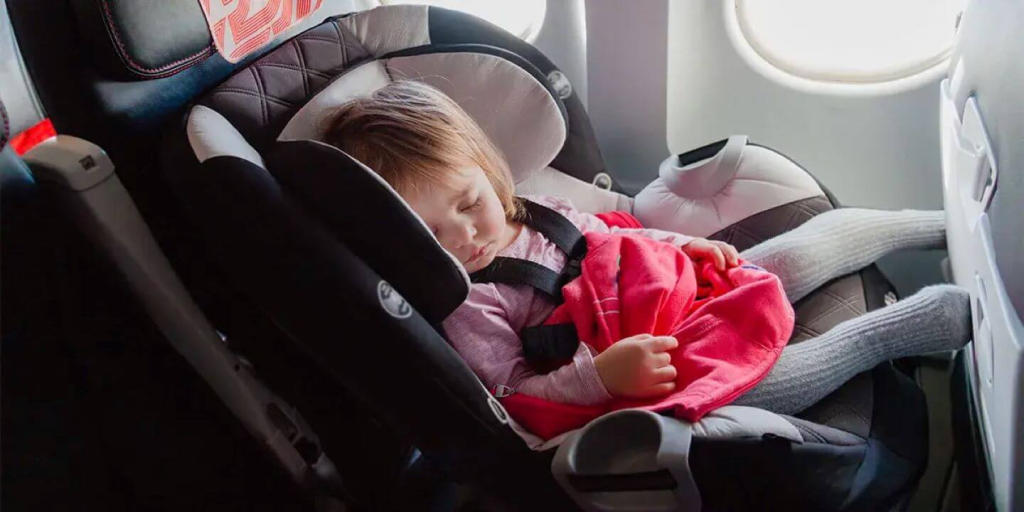
Image source: https://www.which.co.uk/news/article/can-you-take-a-child-car-seat-on-a-plane-a4rFO0X2vRuW
Decide If a Car Seat Is Needed for Air Travel
Not every family brings a car seat on a plane, but it’s worth thinking through.
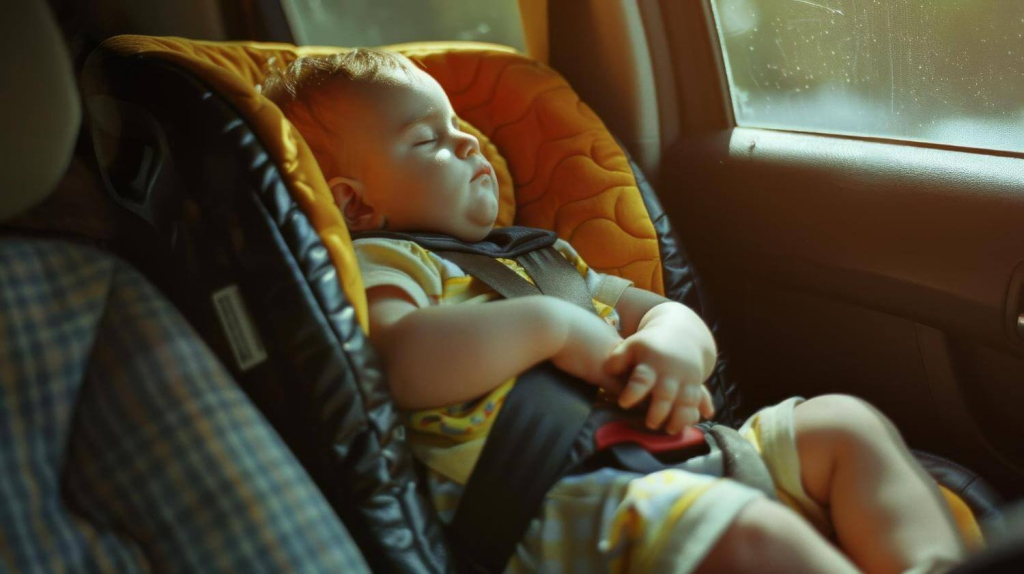
For long-haul flights where your baby needs consistent support, a car seat can make a noticeable difference. It provides structure, keeps your child secure, and can help with baby sleep.
If you choose to bring one, make sure it is FAA-approved or meets equivalent standards. Airlines may check labels before allowing installation. Positioning also matters. Rear-facing setups are generally recommended for younger infants, while forward-facing setups may be used for older babies, depending on their size.
Still, many parents opt for lap infants, especially on shorter routes. It’s not uncommon, but understanding the trade-offs helps you make a more informed choice.
Pack a Carry-On with Essential Baby Items
Packing is where preparation becomes visible. Your carry-on should function as your main support system during the flight.
Start with a well-organized diaper bag. Everything you need should be easy to reach without opening overhead bins repeatedly. Include extra clothes for both you and your baby, as spills and accidents are part of the experience.
Plastic bags help separate used items, while a small aid kit with basic supplies ensures you’re ready for minor issues. Many parents underestimate how much they need, especially during long trips, so it’s always better to pack plenty.
Think in layers. Clothes, feeding supplies, and backup baby items should be grouped logically so you don’t waste time searching mid-flight.
Use a Baby Carrier for Easier Airport Movement
Airports require mobility. Carrying a baby while managing luggage can quickly become exhausting.
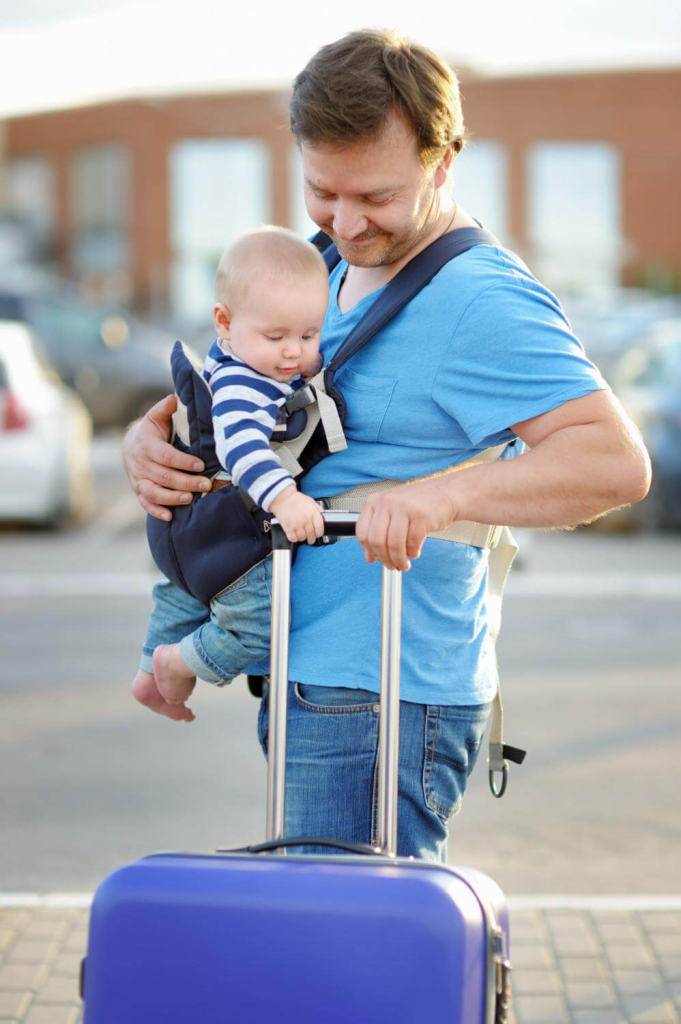
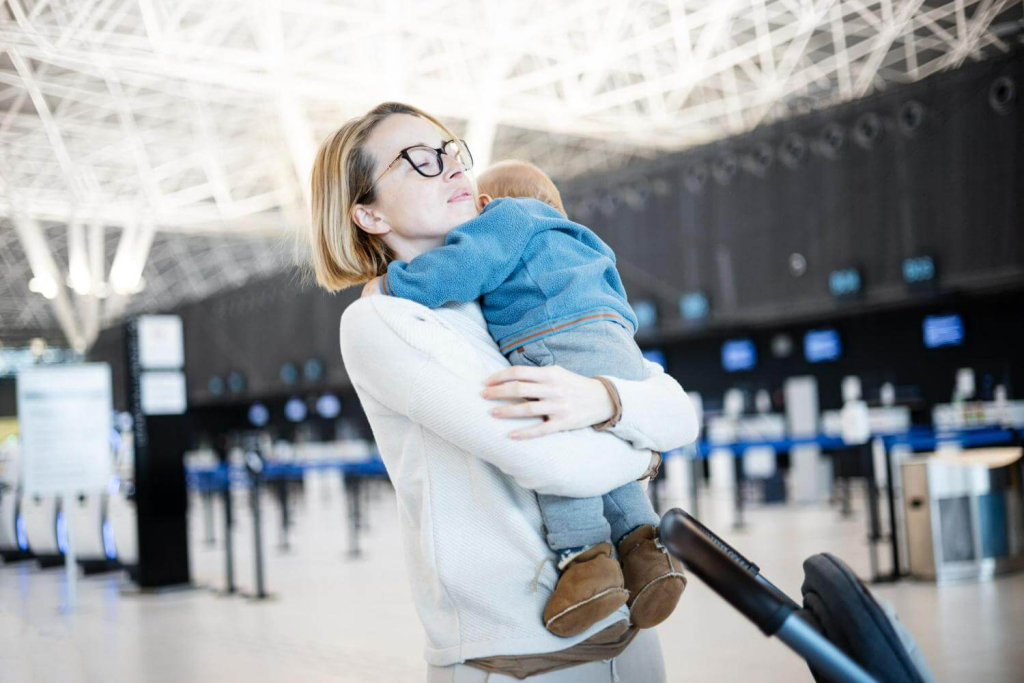
A baby carrier is a game-changer in this situation. It allows you to move through check-in, security, and boarding without juggling multiple items. Your hands stay free, which makes handling documents, bags, and even your phone much easier.
This becomes especially useful when you’re also managing a carry-on. Instead of switching between holding your baby and handling bags, you stay balanced and in control. It also helps keep your baby comfortable and close, which reduces fussiness in crowded spaces.
Prepare Breast Milk and Baby Food for the Flight
Feeding during a flight needs planning. You won’t always have access to what you need once you’re onboard.
Breast milk is allowed through airport security, but it may be inspected. It helps to store it properly and inform staff ahead of time. Bringing bottled water is also useful, especially for mixing or staying hydrated.
For longer flights, baby food like puree pouches is practical. They’re easy to store, quick to use, and don’t require preparation. Feeding also serves another purpose. It helps keep your baby comfortable during key moments like takeoff.
Timing matters. Feeding during transitions in the flight can help regulate your baby’s mood and support a more predictable routine. Consistent feeding and hydration go a long way in keeping a happy baby during the flight, which in turn makes the entire experience more manageable for parents.
Manage Ear Pain from Air Pressure Changes
One of the most common concerns during flying is ear pain caused by air pressure changes.
Infants can’t regulate pressure as easily as adults, which leads to discomfort during takeoff and landing. This is when many babies start crying, and it can be stressful for parents.
Simple actions help ease discomfort. Feeding, whether through breast milk or a bottle, encourages swallowing, which reduces pressure buildup. Pacifiers can also help.
If your baby has an ear infection or has undergone ear surgery, it’s important to consult a doctor before traveling. In some cases, pain relievers may be recommended, especially for children with medical conditions.
Keep Your Baby Comfortable and Support Sleep
A well-rested baby makes a big difference during air travel.
Creating a comfortable space within your seat area helps encourage the baby to sleep. Use familiar items like a blanket or toy to signal that it’s time to rest. White noise can also help block out unfamiliar sounds in the cabin. Some parents also bring noise-canceling headphones designed for infants to help reduce cabin noise and support better sleep during a long flight.
Expectations should be realistic. A first flight may not go as smoothly as expected, especially for younger infants. Older babies may be more alert and curious, which changes how they respond to the environment.
Still, even short periods of sleep can reset your baby’s mood and make the rest of the flight easier.
Handle In-Flight Situations with Confidence
No matter how prepared you are, situations will come up.
Working with flight attendants helps. They are used to assisting families and can guide you, especially when the seatbelt sign is on, and movement is restricted.
Other passengers may react differently to a crying baby. Staying calm is the best approach. Most people understand that traveling with kids comes with challenges.
For longer trips, small distractions help. Limited screen time, toys, or simple interaction can keep your child engaged. The goal isn’t perfection, but keeping your baby comfortable enough to get through the flight.
Adjust After Air Travel and Plan Your Next Trip
Landing doesn’t mean the trip is over. Your baby still needs time to adjust.
Transitioning from plane to car or starting a road trip requires patience. New environments can affect your baby’s sleep and mood, especially when traveling to other countries or unfamiliar places.
Many Filipino families travel to visit family during holidays or summer. For instance, those heading to Bohol often find it helpful to stay in communities like Camella Bohol, which is about 20 minutes from Bohol-Panglao International Airport via Carlos P. Garcia Avenue. The shorter transfer time helps reduce stress after a long flight, especially when traveling with infants.
Supporting your baby’s immune system is also important after travel. Exposure to new environments, other passengers, and enclosed spaces can affect your child’s health. Give your baby time to recover before planning your next trip. In many cases, it can take up to two weeks for a baby to fully adjust to a new environment, especially after long-haul travel or when crossing time zones.
Conclusion
Traveling with a baby becomes easier when each step is handled with intention. From booking flights to managing sleep, feeding, and comfort, every decision builds toward a smoother experience. You don’t need perfect conditions to make it work. What matters is preparation, flexibility, and understanding your baby’s needs.
As you go through each trip, you start to see how traveling with a baby becomes part of your life, not just a one-time challenge. Over time, each trip becomes more familiar, and what once felt overwhelming becomes part of your routine as parents.