




Image source: Magnific
Summer Activities for Kids and the Whole Family to Enjoy
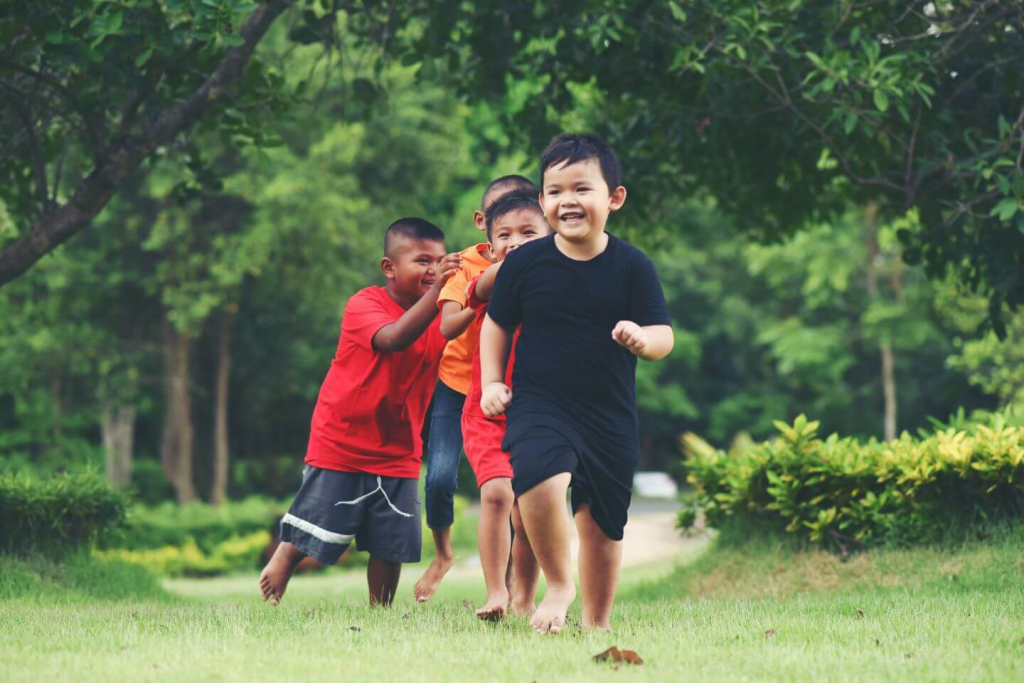
Summer has a different rhythm for Filipino families. Mornings stretch longer, afternoons feel slower, and children suddenly have endless free time once summer break begins. While many parents initially look to summer camps, gadget time, or expensive outings to keep kids entertained, some of the most meaningful summer activities often happen much closer to home.
In family-friendly communities like Camella Savannah, where open spaces and walkable surroundings encourage outdoor play, families often have more opportunities to spend time together beyond screens and rigid routines.
Instead of filling every day with packed schedules, summer can also become a season for slower moments, imagination, and shared family play. These fun summer activities offer children opportunities to stay active, creative, and connected while helping parents create lasting traditions at home.
Starting a Small Herb Garden Kids Can Grow Throughout Summer
Not all summer activities need loud games or elaborate setups. Sometimes, quieter routines become the most rewarding.
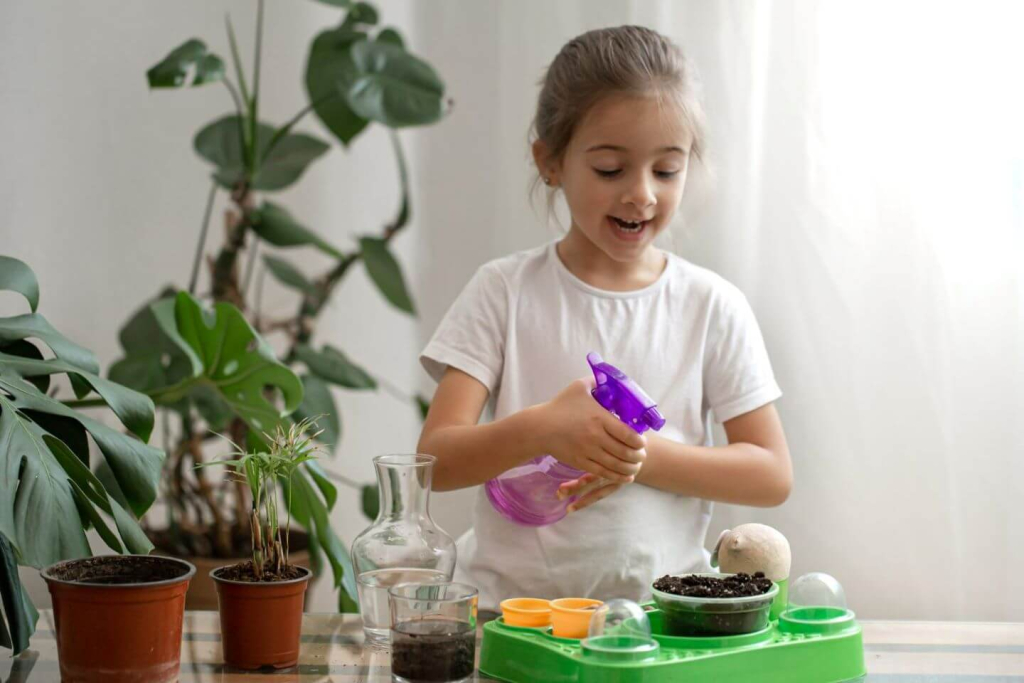
Starting a small herb garden is one of the simplest activities for kids because it combines curiosity, responsibility, and outdoor play in a natural way. Even a few small pots placed near a sunny window or in your own yard can give children something exciting to check every morning during summer break.
What They Can Plant
Mint, basil, parsley, and oregano are especially beginner-friendly for younger kids because they grow quickly and are easy to maintain. Watering plants daily becomes more than a chore. It turns into a calming ritual that teaches patience while helping kids learn how living things grow over time.
For families who enjoy cooking together, the herb garden naturally extends into mealtime. Allowing kids to choose herbs for pasta, sandwiches, or their own food preparations gives them a stronger sense of involvement. It also becomes a fun way to teach children healthier eating habits without making it feel instructional.
Integrate Arts and Crafts
Parents can also make the activity more interactive through small craft ideas. Children can decorate recycled containers using food coloring, popsicle sticks, paper plate cutouts, or handwritten labels. Let the child create little personalities or silly story backgrounds for each plant, too.
Creating Nature Art and Fairy Houses From Outdoor Finds
Once children begin paying attention to plants and outdoor surroundings, creative exploration usually follows naturally.
Nature art remains one of the easiest and most fun summer activities because the materials are already everywhere. Families can take a short nature walk around local parks or nearby community spaces and collect rocks, flowers, twigs, leaves, or interesting textures along the way. Even a simple walk becomes more exciting when children are searching for unusual shapes and colors.
Back home, those collected materials can turn into all kinds of creative projects:
- painted pet rocks
- leaf collages
- miniature fairy gardens
- handmade crowns
- textured prints using flowers and bark
- tiny fairy house villages made from mud pies and sticks
Art for All Ages
For younger kids, the joy often comes from the mess itself. Digging through soil, arranging flowers, or building tiny houses from cardboard boxes encourages sensory play while keeping kids occupied away from screens.
Older kids, meanwhile, may enjoy designing larger imaginative scenes or storytelling around their creations. A fairy house can suddenly become part of an elaborate magical kingdom, complete with hidden creatures and adventures. Some children even create art journals documenting their outdoor discoveries throughout summer vacation.
For many parents, these slower, creative afternoons eventually become part of their go-to list of summer activities because they require very little preparation while still encouraging children to appreciate the great outdoors in a more intentional way.
Hosting a Neighborhood Scavenger Hunt and Treasure Hunt Day
There is a reason scavenger hunt games continue appearing on almost every family’s summer bucket list. Few activities combine excitement, teamwork, and imagination as effectively.
Parents can organize the activity in different ways depending on the age group. For younger kids, choose visual clues or picture-based tasks that often work best. For grown-up or older kids, they can enjoy more complicated riddles or puzzle-solving challenges leading toward a hidden treasure chest.
One variation that works particularly well outdoors is a sound scavenger hunt. Instead of searching for objects, children identify sounds around them:
- birds chirping
- bicycle bells
- dogs barking
- leaves rustling
- passing vehicles
- footsteps on gravel
This simple twist encourages kids to learn observation skills while helping them become more present during outdoor play. A few examples of scavenger hunt clues can include finding objects with certain colors, identifying tree shapes, spotting neighborhood landmarks, or listening for sounds that usually go unnoticed during busy routines.
Communities with open walkways and shared spaces, like Camella Savannah, make these activities easier to organize because children have safer areas to move around, explore, and interact with neighbors.
Turning Your Own Yard Into a Backyard Obstacle Course Adventure
By mid-summer, children usually begin craving more movement-heavy activities. Long afternoons and excess energy can quickly turn into boredom without enough physical activity.
That is where a backyard obstacle course becomes useful.
One of the reasons obstacle course setups work so well is that they can adapt to almost any space. Families do not need professional equipment. Chairs, ropes, cardboard boxes, jump rope lines, cones, and sidewalk chalk markings are often enough to build multiple stations.
A typical setup might include:
| Obstacle Station | Activity |
|---|---|
| Jump Zone | Jump rope challenges |
| Crawl Tunnel | Crawl through cardboard boxes |
| Balance Walk | Walk along chalk lines |
| Sprint Area | Short relay race |
| Water Station | Run through a garden hose spray |
Adding water balloons or sprinklers helps kids cool down during especially hot afternoons while turning the obstacle course into full summer fun.
For parents trying to limit screen time during summer vacation, this becomes one of the most effective ways to keep kids entertained outdoors for extended periods.
Organizing a Classic Water Balloon Fight and Summer Sports Afternoon
No Filipino summer feels complete without some kind of water fight.
Even the simplest water balloon fight can instantly transform a hot afternoon into a memorable family event. Buckets filled with water balloons, a working garden hose, and enough open space are usually all families need.
What makes this activity especially effective is its flexibility. Some families prefer team competitions, while others turn it into free-for-all chaos where everyone gets soaked within minutes.
To extend the activity beyond water balloons, families can combine it with classic outdoor games like:
- Bike rides around the neighborhood
- Basketball hoop shooting contests
- Relay races
- Sidewalk chalk races
- Sprint challenges
- Mini tag tournaments
Even one enthusiastic family member joining the games often encourages hesitant children to participate more confidently, especially during larger neighborhood activities where energy quickly becomes contagious.
For families living in communities with accessible outdoor areas, organizing casual sports afternoons also becomes easier because children have more room to safely run, play games, and interact with neighbors.
Making Homemade Outdoor Picnic Treats
After active outdoor play, slower food-centered activities provide a welcome change of pace.
Making homemade ice cream sandwiches is one of those simple traditions that feels surprisingly special during summer. Children enjoy the freedom of customizing desserts with their own toppings, while parents appreciate how easy the activity is to organize.
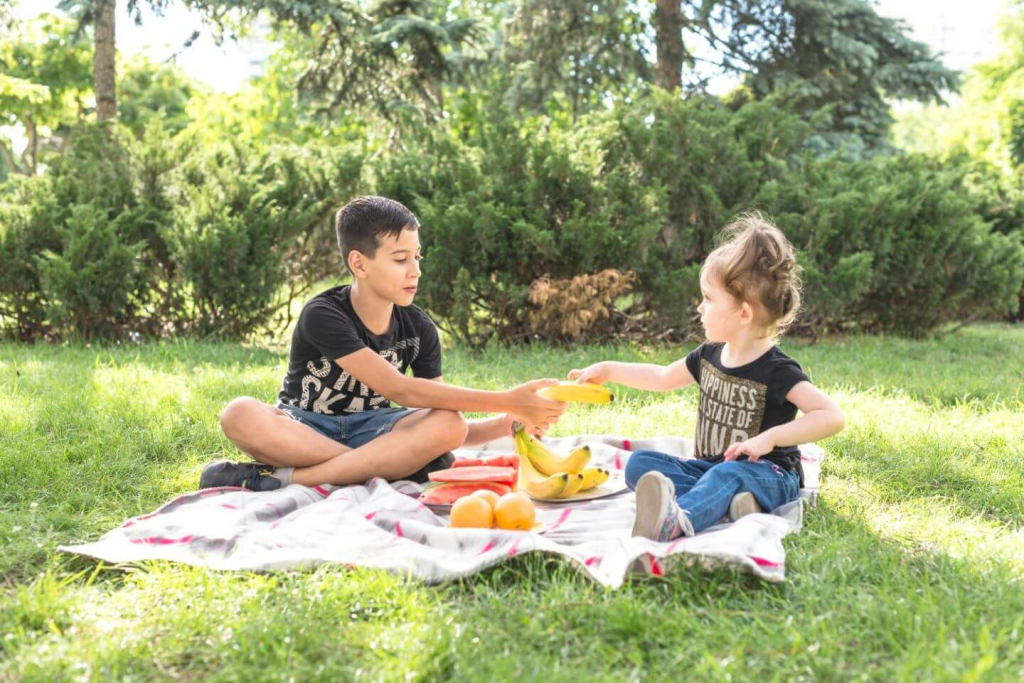
Beyond desserts, parents can extend the experience into a backyard picnic using picnic blankets, sandwiches, fruit trays, and hot dogs fresh from a small grill. Some families prepare colorful frozen drinks using ice cube trays filled with juice or fruit.
Why This Matters
Food-centered activities also create opportunities for teaching kids practical kitchen skills naturally. Families can also use the picnic setup to introduce other fun ideas like decorating reusable cups, preparing fruit skewers, or organizing simple backyard snacks that children can help assemble themselves.
Measuring ingredients, preparing snacks, and organizing materials help children build confidence while still feeling playful and relaxed.
Hosting a Rainy Day Indoor Camp at Home
Summer weather is unpredictable. Some afternoons suddenly shift from bright sunshine to nonstop rain, leaving parents scrambling for indoor activities that can hold children’s attention. Instead of treating rainy day moments as interruptions, families can turn them into entirely different kinds of adventures.
Inside the fort, families can:
- Watch movies together
- Exchange ghost stories
- Hold puppet shows
- Enjoy afternoon tea snacks
- Read books with flashlights
- Create art using recycled materials
One of the reasons indoor camp activities remain effective is that they encourage imagination rather than passive entertainment. Instead of simply handing children tablets or televisions, parents help create experiences that children actively participate in.
Opening a Lemonade Stand and Family Mini Market Experience
As summer continues, children often become more curious about adult responsibilities and pretend business play.
A lemonade stand remains one of the best activities for kids because it combines creativity, communication, and confidence-building all in one experience. Children enjoy preparing signs, organizing products, and interacting with neighbors while still treating the activity as play.
Some families expand the idea into a full mini market setup featuring snacks, drinks, or handmade crafts. Kids create menus using sidewalk chalk signs or colorful posters decorated with food coloring and drawings.
The experience naturally introduces practical lessons:
| Skill | What Kids Learn |
|---|---|
| Communication | Greeting customers |
| Math | Counting money and pricing |
| Creativity | Designing signs and menus |
| Responsibility | Organizing supplies |
| Teamwork | Working with siblings or cousins |
What makes this activity especially memorable is how it blends imagination with real interaction. Children feel trusted, capable, and involved while still enjoying the relaxed atmosphere of summer.
Running a Backyard Mini Carnival With DIY Booth Games
Toward the end of summer vacation, many families begin looking for one larger activity that brings together everything children enjoyed throughout the season.
A backyard mini carnival does exactly that.
Instead of relying on expensive amusement park trips, families can recreate the same excitement at home using simple DIY booth games and playful challenges. The setup does not need to be elaborate to feel memorable.
Popular carnival stations might include:
- Ring toss games
- Scavenger hunt checkpoints
- Mini treasure hunt cluesBGean bag toss stations
- Sidewalk chalk targets
- Bubble-making contests
- Relay races
- Water balloon stations
Activities like these usually work best when the whole family participates together, since younger children often become more excited once parents, siblings, cousins, and other relatives actively join the games instead of simply watching from the sidelines.
Some families even assign roles so each child manages a specific station. Others set up small bubble corners where kids experiment with making their own bubbles using homemade mixtures, adding another playful activity between carnival games and snack breaks.
Conclusion
In many ways, activities like these capture what summer is really about. Not perfection. Not expensive planning. Just meaningful time together.
Long after summer break ends, children rarely remember every toy they received or every screen they watched. What stays with them are the experiences that made them feel connected, creative, and included. With thoughtful planning, simple materials, and a willingness to slow down, families can transform an ordinary summer into something deeply memorable for everyone involved.