




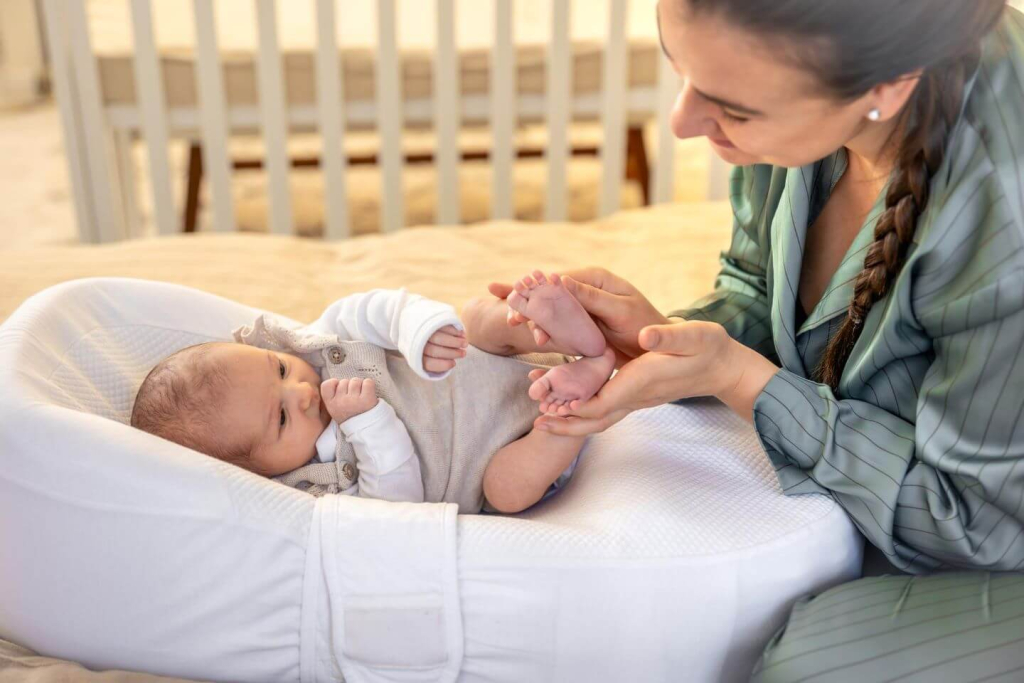
Image source: Magnific
Pregnancy changes nearly every part of daily life. For many first-time moms, the weeks leading up to the due date are filled with equal parts excitement and stress. There are doctor visits to schedule, baby essentials to buy, nursery plans to finalize, and endless advice coming from family, friends, and social media.
The problem is that a checklist for first-time moms may focus too heavily on shopping instead of preparation that actually supports health, recovery, and daily function. A newborn baby does not need an overflowing nursery filled with all the things immediately. What matters more is creating a safe, manageable environment that supports both the baby and the mom during the first few months.
Pregnancy Care Before Baby Shopping
Regular prenatal checkups allow pregnant women to monitor blood pressure, blood sugar, fetal development, and overall pregnancy health before complications become harder to manage. Many parents focus so heavily on preparing the nursery that they forget how physically demanding the final weeks before birth can become.
Preparing early also means organizing important documents, hospital records, emergency contacts, and a hospital bag before the due date gets too close. Waiting until labor begins adds unnecessary stress during an already emotional situation.
Location also becomes an important part of planning once the pregnancy enters the final trimester. Living near healthcare facilities can make emergency visits, postpartum consultations, and newborn checkups much easier to manage. For growing families in Camella Crestwood Heights, Antipolo, easier access to Antipolo Doctors Hospital offers added convenience during a stage of life when every minute and every ounce of energy matters.
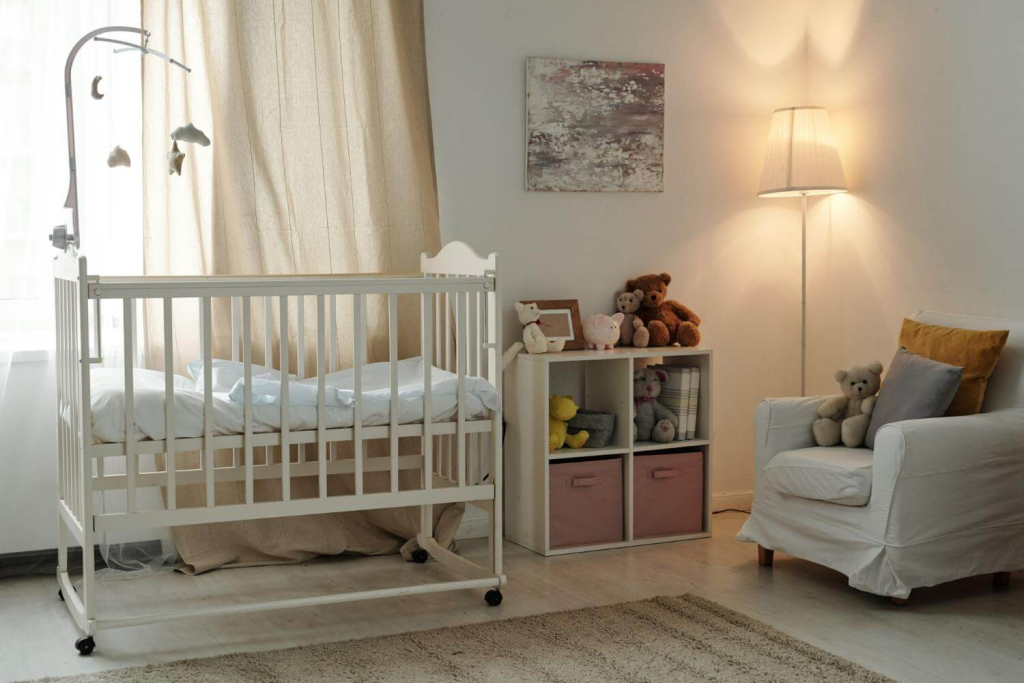
Image source: https://www.magnific.com/premium-photo/interior-large-contemporary-room-baby-with-cradle-furniture_18401858.htm
A Functional Home for the Newborn
Many parents imagine the nursery first. Experienced parents usually think about movement, convenience, and exhaustion.
Once the baby arrives, even simple routines can feel physically draining. Carrying feeding supplies while half-awake, changing diapers at 3 a.m., or trying to soothe a crying infant while recovering from birth quickly changes the way people view their home setup.
A safe sleeping area should always come first. The crib should have a firm mattress that fits snugly without gaps around the edges. Pediatric sleep guidelines continue to discourage excessive baby bedding, oversized pillows, and heavily padded crib accessories during the newborn stage.
Instead of overdecorating the nursery, parents often benefit more from practical organisation. A diaper caddy stocked with diapers, wipes, clothes, socks, and changing essentials can reduce unnecessary movement during nighttime care. Keeping frequently used items nearby also helps reduce strain on the body during postpartum recovery.
Must-Have Household Details
Some of the most useful adjustments are not expensive purchases at all. They are small decisions that make daily routines easier once exhaustion sets in. Families often appreciate:
- Extra storage for diapers, bottles, and washing supplies
- Flexible spaces for breastfeeding and nursing
- Room for a stroller near entryways
- Quiet sleeping areas away from household noise
- Easy access to groceries, pharmacies, and healthcare

Image source: https://www.magnific.com/premium-photo/still-life-compositions-childrens-toys-milk-bottles-toys_149487931.htm
Core Essentials for Babies
Social media often convinces first-time moms that a newborn baby needs dozens of specialized products before coming home. In reality, most babies require surprisingly simple routines at the beginning. A practical baby checklist should focus on items connected directly to feeding, hygiene, sleep, and comfort. The true must-have essentials usually include:
- Onesies and soft clothes
- Socks and lightweight blanket options
- Diapers and wipes
- Bottles and basic feeding supplies
- A safe crib
- Gentle body wash
- A reliable stroller
- Washing essentials for milk spills and laundry
Many parents also overbuy based on appearance instead of actual need. A newborn may outgrow clothes within weeks. Some babies dislike certain bottles or pacifiers completely. Others barely interact with expensive toys during the early days.
It is usually smarter to wait before purchasing unnecessary products tied to a later child’s age. Instead of trying to prepare perfectly for every stage immediately, parents can adjust naturally as the infant grows.
Simple items often become the most valuable. A soft play mat for tummy time, a few board books for bonding, and comfortable spaces to feed and rest tend to matter more than decorative trends.
Baby Feeding Essentials
Preparing baby feeding essentials ahead of time can reduce pressure once the newborn arrives. Nursing bras, a breastfeeding pillow, bottles, feeding supplies, and a breast pump can all support different feeding situations depending on recovery and milk supply.
The first few weeks of breastfeeding may involve discomfort, interrupted sleep, and constant adjustment. Some babies latch easily. Others struggle during the early days and require additional support from a doctor or lactation consultant.
A Good Nursing Area
For many women, establishing milk supply takes time. Breast milk production can fluctuate depending on stress, recovery, sleep, nutrition, and physical healing. Some families also combine breastfeeding and formula feeding for practical or medical reasons. The real goal is ensuring the baby can feed safely and consistently while protecting the mom’s physical and emotional health at the same time.
A nursing setup should also protect the mom’s body. Long feeding sessions can strain the shoulders, back, neck, and arms, especially when sleep deprivation starts affecting posture and recovery. Comfortable seating and proper support matter far more than many people initially realize.

Image source: https://www.magnific.com/free-photo/full-shot-mother-with-cute-newborn_39917591.htm
Newborn Baby Skin Care
Many first-time parents buy multiple baby bath products before realizing that newborn skin is highly sensitive during the first few weeks.
- A gentle baby bath routine: Infants do not need frequent bathing, heavily scented products, or complicated skincare regimens immediately after birth.
- Bath basics: A mild body wash, clean water, soft towels, and safe handling techniques are usually sufficient during the newborn stage. Parents should also prepare clothes, diapers, and bath essentials beforehand so they do not need to leave the baby unattended near water.
- Things to avoid: Overwashing can dry out delicate skin, especially in warm climates. Harsh ingredients may also trigger irritation or rashes more easily during the early days.
Bath time can eventually become a calming routine for both parents and child, but at the beginning, simplicity tends to work best.
Sleep Deprivation Changes Everything
The emotional impact of exhaustion also deserves more attention than it usually receives. Sleep deprivation affects concentration, mood, patience, recovery, and overall health. Even small tasks can feel overwhelming when parents consistently lose rest.
This is where strong support systems become critical. Help from the baby’s dad, relatives, friends, or trusted caregivers can allow the mom to recover physically and mentally during postpartum healing.
Parents should also pay attention to emotional warning signs. Persistent sadness, severe stress, emotional withdrawal, or difficulty bonding with the little one may require professional support. Asking for help should never feel embarrassing.

A Baby Checklist for First-Time Moms Does Not Need To Be Perfect
Many first-time moms feel pressure to handle motherhood perfectly from day one. In reality, parenting is learned gradually through repetition, mistakes, adjustment, and experience.
The first few months often feel messy and unpredictable. Some days revolve entirely around washing bottles, changing diapers, organizing feeding schedules, and trying to sleep whenever possible. Other moments may feel unexpectedly emotional: a quiet moment rocking the baby, a tiny hand wrapped around your finger, or a sleepy forehead kiss after a long night.
That emotional adjustment is normal.
Parents do not need to prepare perfectly for every possible situation before the baby arrives. They simply need enough structure, support, and flexibility to adapt once real routines begin.
Conclusion
Preparing for a newborn baby is not about buying the most expensive products or trying to master motherhood before birth. The healthiest checklist for first-time moms focuses on creating a safer, calmer, and more manageable environment for both the mom and child during the first few months.
What matters most is having the right support, realistic expectations, and enough flexibility to adjust as your new baby grows. While the transition into parenthood can feel overwhelming at first, it can also be fun in unexpected ways. No family handles every stage perfectly, and that is absolutely normal.