





Image source: Freepik
Introduction
Homeownership for young families in the Philippines is evolving under conditions different from those faced by previous generations. Rising housing costs, tighter lending conditions, and shifting work patterns have changed how young adults approach buying a house. Data from the Philippine Statistics Authority (PSA) shows that household formation remains strong, yet homeownership rates among younger age groups have not kept pace with population growth.
For dual-income couples, the decision to pursue homeownership is no longer just about reaching a milestone. It is tied to financial security, long-term plans, and the ability to build equity while managing competing priorities such as personal debt, childcare, and career mobility. The housing market continues to expand across urban, suburban, and metropolitan areas, but access remains uneven.
This guide outlines eight actionable steps designed to help aspiring homeowners navigate the real estate market with clarity. Each section focuses on practical decisions that influence affordability, stability, and long-term wealth.
Study the Housing Market Before Choosing Where to Live
Understanding the housing market is the first step toward making a sound decision. The Philippine real estate sector has shown steady growth, with the Department of Human Settlements and Urban Development (DHSUD) highlighting ongoing demand for housing units, particularly in metropolitan areas.
Young buyers should begin by comparing median home prices across different locations. Urban areas tend to offer proximity to job opportunities and entertainment venues, but they often come with high prices and limited space. Suburban areas offer more space, including single-family homes with fenced yards, though commuting time may increase. Metropolitan areas such as Metro Manila combine both advantages but remain highly competitive.
For many young homebuyers, remote work has shifted location priorities. Access to transport hubs is still important, but flexibility allows some families to consider properties outside traditional suburbs. Reviewing trends from the Bangko Sentral ng Pilipinas (BSP) can also provide valuable insights into price movements and lending activity.
Careful planning at this stage helps avoid overpaying or choosing a location that does not support long-term plans. Many young adults enter the market without fully assessing these variables, which can lead to financial strain later.

Set a Realistic Budget That Covers Total Housing Costs
After identifying a location, the next step is to define a realistic budget. Housing costs extend beyond the purchase price. Monthly payments, utilities, maintenance, association dues, and insurance all contribute to the total cost of home ownership.
For dual-income households, aligning expenses with personal finance goals is critical. Financial advisors often recommend that housing costs should not exceed a certain percentage of combined income, though this varies depending on lifestyle and financial obligations. Families must also consider expenses related to children, education, and healthcare.
The BSP has noted that rising mortgage rates influence affordability, making it essential to account for potential increases in monthly payments. Fixed-rate and variable-rate loans should be evaluated carefully through financial institutions.
Young families must also anticipate life changes. A growing family may require additional space, while shifts in employment can affect income stability. Setting a budget that accounts for these realities helps maintain financial security over time.
Build a Down Payment Plan You Can Sustain
Saving for a down payment remains one of the most significant barriers for first-time buyers. Many young adults face competing financial demands, including student debt and daily living expenses. Without a structured plan, progress can stall.
A practical approach involves setting a timeline based on income and target property value. Financial institutions offer various savings and loan programs, including those supported by Pag-IBIG Fund, which can ease the burden for first-time homebuyers. Financial advisors often emphasize consistency over large one-time contributions.
Dual-income couples have an advantage when pooling resources, but coordination is necessary. Shared financial goals should be clearly defined, including how much to allocate toward savings each month. This approach helps aspiring homeowners stay on track while managing other obligations.
Taking advantage of educational programs offered by banks and government agencies can also improve financial literacy. These programs guide loan requirements, interest structures, and repayment strategies.

Focus on Affordable Housing Options That Match Your Stage of Family Life
Affordable housing does not always mean choosing the lowest price. It involves selecting a property that aligns with both current needs and plans. For young families, this often means balancing space, location, and cost.
Property types vary widely, from condominium units to single-family homes. New construction developments may offer overall better property management, modern layouts, open floor plans, and access to amenities, while older properties may provide larger spaces at a good price. Each option has implications for maintenance and long-term value.
Government policies continue to support housing access through incentives and financing programs. DHSUD has identified a housing backlog, which has encouraged developers to expand offerings across different price segments.
For some families, purchasing a smaller property as a stepping stone is a practical strategy. This allows them to enter the real estate market earlier, build equity, and upgrade later as their financial position improves.
In areas such as Caloocan, developments like Camella Manors Caloocan reflect how mid-rise housing units are being positioned to meet the needs of young homebuyers seeking accessibility within metropolitan areas without the premium costs of central districts.
Follow a Step-by-Step Process When Entering the Real Estate Market
Entering the real estate market without a clear process can lead to costly mistakes.
- First-time homebuyers should begin with a loan pre-qualification to determine borrowing capacity. This step provides a realistic price range and strengthens negotiating power.
- Mortgage rates play a significant role in affordability. BSP data shows that rate fluctuations can affect long-term repayment costs, making it essential to lock in favorable terms when possible. Buyers should compare offers from multiple financial institutions before committing.
- Legal due diligence is equally important. Verifying property titles, reviewing contracts, and understanding fees protect buyers from potential disputes. Working with licensed real estate professionals ensures compliance with regulations.
The National Association of Realtors in the United States often highlights structured buying processes, and while the Philippine context differs, the principle remains relevant. Clear steps reduce uncertainty and improve outcomes.
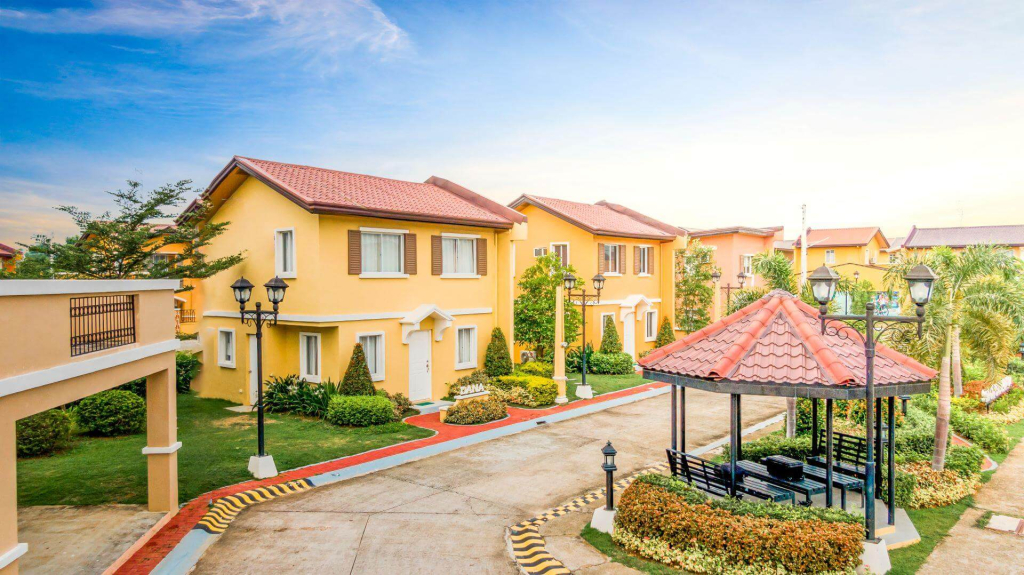
Choose Home Ownership That Strengthens Financial Security
Home ownership should contribute to financial security rather than create long-term strain. One of the key advantages is the ability to build equity as loan payments reduce principal over time. Unlike renting, this process converts housing expenses into a tangible asset.
Many young families also consider how their housing decisions can help save money over time, especially when planning for the future needs of their adult children, who may eventually rely on the same property for stability or support.
For young families, this approach supports long-term wealth accumulation. PSA data suggests that property ownership remains a primary source of wealth among Filipino households. Compared to previous generations, younger generations face higher entry costs, but the long-term benefits remain significant.
Evaluating a property’s potential for appreciation is essential. Factors such as infrastructure development, proximity to job opportunities, and community growth influence value over time. Choosing a property with these characteristics increases the likelihood of future returns.
This perspective shifts the focus from short-term affordability to long-term financial outcomes, helping families make more informed decisions.
Select Real Estate Features That Improve Daily Living
The design and features of a property have a direct impact on all family members.
- Open floor plans allow flexibility, making it easier to adapt spaces for different uses. This is particularly important for households balancing remote work and childcare.
- Proximity to good schools is a major consideration for families with children.
- Access to healthcare, transportation, and essential services also influences daily convenience.
- Entertainment venues contribute to the quality of life, especially in urban and metropolitan areas.
- Commuting time remains a critical factor. Even with remote work, many jobs still require occasional travel. Long commutes can affect productivity and family time.
- Installing smart home technology, like modern security systems, enhances the safety of families.
- Energy-efficient appliances and solar panels can reduce utility expenses while supporting sustainability goals.
These features are becoming more common in new construction projects, reflecting changing preferences among young homebuyers.
Redefining the American Dream Through Local Homeownership Trends
The concept of the American Dream has shifted in the Philippine context. While previous generations, including baby boomers, often prioritized early home purchases, many young people now take a more measured approach.
PSA data indicate that homeownership rates among younger age groups are influenced by factors such as marital status, income stability, and access to financing. More families are choosing to delay purchases until they achieve stronger financial positions.
Remote work has also reshaped preferences, allowing families to consider locations outside traditional business districts. This flexibility expands options but requires careful evaluation of infrastructure and services.
Young homebuyers today place greater emphasis on financial goals and long-term plans. They are more likely to compare options, seek professional advice, and prioritize sustainability. These changes reflect a broader shift in how homeownership is perceived.
Rather than following the path of previous generations, younger generations are redefining success based on stability, flexibility, and long-term value.
Final Thoughts
Homeownership should focus on preparation and informed decision-making. The Philippine housing sector continues to evolve, with government policies and private sector initiatives working to address supply gaps identified by DHSUD.
For dual-income couples, the path to homeownership requires balancing financial discipline with practical needs. Selecting the right property types, managing costs, and planning for the future are essential steps.
Despite significant barriers, including high prices and financing challenges, many young adults continue to pursue homeownership as a means of securing their future. With careful planning, informed choices, and a clear understanding of the market, achieving this goal remains within reach.
A house is more than a structure. It represents stability, opportunity, and a foundation for the future of every family.