



Image source: Freepik
Introduction
Summer in the Philippines often means travel, family gatherings, and longer hours spent outdoors. For parents of infants and young children, it also brings increased exposure to infectious diseases, especially in crowded settings and severe weather conditions in 2026. Immunizations for kids should then be a top priority and administered routinely. It becomes part of preparing for a season when children are more vulnerable to illness.
The Department of Health continues to emphasize routine immunization as a core strategy for disease control, with data showing that lapses in vaccination coverage can quickly lead to the return of vaccine preventable diseases such as measles and pertussis. Global bodies like the World Health Organization also note that immunization remains one of the most effective prevention strategies, credited with saving millions of lives each year.
This checklist focuses on what parents need to act on, not just understand. Each step aligns with current health care guidance, combining local public health recommendations with global standards such as the AAP Immunization Schedule and insights from medical specialty societies.
Know What Vaccines Protect Against
Start by identifying the diseases your child is being protected from. Many of these are no longer commonly seen in everyday settings, which can create a false sense of security. In reality, vaccines protect against serious diseases that still circulate and can escalate quickly in young children.
Common vaccine-preventable diseases include measles, pneumonia, pertussis or whooping cough, and infections caused by Haemophilus influenzae Type B. Incomplete childhood vaccines increase the likelihood of serious complications, including brain swelling, hearing loss, and long-term damage affecting lifelong health. In severe cases, infections can progress into life-threatening diseases such as heart failure, especially in young children whose immune defenses are still developing.
The World Health Organization and the Infectious Diseases Society both classify several of these illnesses as a leading cause of preventable child morbidity in low-to-middle income countries. This is the foundation of public health efforts and a key reason organizations like the American Medical Association and other medical specialty societies consistently recommend routine immunization based on a rigorous evidence-based process and careful review of vaccine safety data.
Follow the Childhood Immunization Schedule
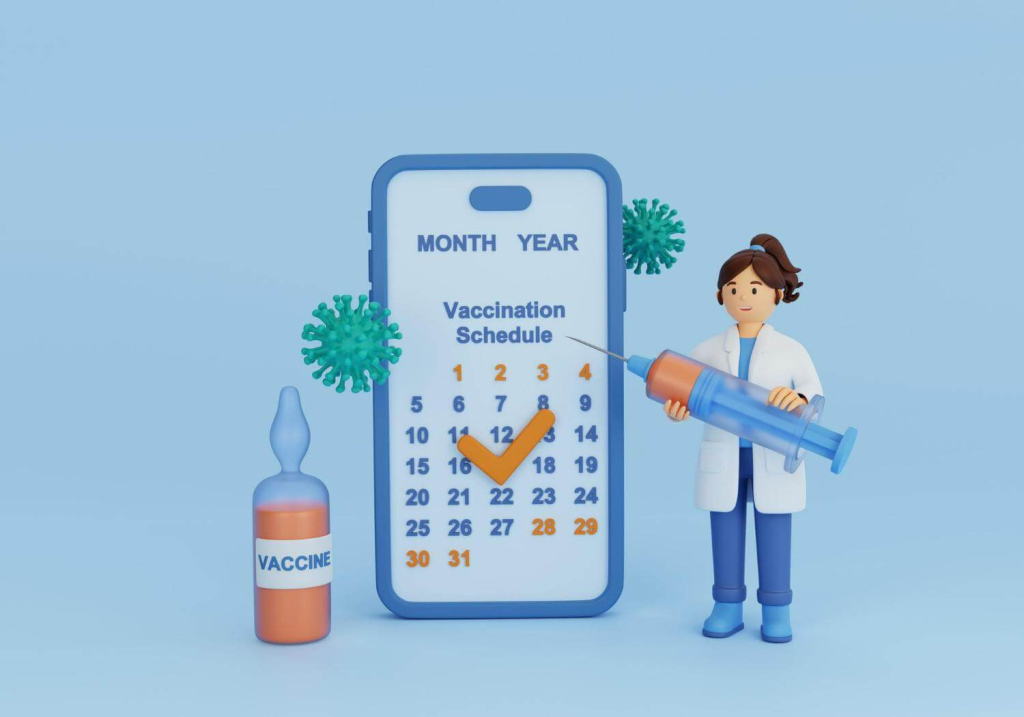
Once you understand the risks, the next step is to follow a structured immunization schedule. In the Philippines, childhood immunization schedule aligns closely with global frameworks such as the AAP Schedule.
Early Protection and the First Year Timeline
For children starting from birth, early protection begins with the Hepatitis B vaccine, often given within 24 hours. This addresses birth hepatitis exposure and protects against the Hepatitis B virus, which can lead to liver failure and even liver cancer later in life. The burden of Hepatitis B remains significant in parts of Asia, making early vaccination critical.
From infancy to the first birthday, vaccines are timed to match how a child’s immune system develops. This includes protection against diphtheria, tetanus, Haemophilus Influenzae Type B, and other serious illnesses. The best timing of these doses is not arbitrary. It is based on decades of data reviewed by groups such as the American College of Pediatric Experts and various national associations that evaluate safety and effectiveness.
Staying Updated on Vaccine Guidance
Current vaccine recommendations are not static. They are updated as new data emerges, with adjustments reviewed by global and local experts to reflect evolving risks, supply conditions, and population health trends. For parents, this means relying on updated guidance from their child’s pediatrician rather than outdated schedules found online or shared informally.
Parents are advised to work closely with the child’s pediatrician or family physician to ensure the schedule is followed accurately. Pediatric nurse practitioners and nurse midwives also play a role in guiding early vaccinations, particularly in community settings.

Adolescent Immunization Schedule
While the focus is often on babies and toddlers, vaccination does not stop after early childhood. The adolescent immunization schedule is designed to protect adolescent health and prevent new risks.
Older children require booster doses for tetanus and pertussis, maintaining protection against whooping cough, which continues to appear in community clusters. Vaccines for meningococcal disease are also recommended in certain cases, particularly in settings where close contact increases transmission risk.
Recognizing Early Signs of Infection
Vaccination reduces risk, but it does not eliminate the possibility of illness. Parents need to monitor early symptoms and respond quickly.
Common signs such as a runny nose, mild fever, or cough can indicate a viral infection. In some cases, these can progress into more serious conditions such as respiratory syncytial virus infection or pneumonia, both of which remain concerns in infants and young children.
Protection can begin even before birth. Certain vaccines are also recommended for pregnant women to reduce the risk of early exposure in newborns, particularly for infections like pertussis. This approach strengthens early immunity during the first months of life, when infants are most vulnerable and have not yet completed their primary vaccinations.
Use Free Vaccines and Local Health Care Access
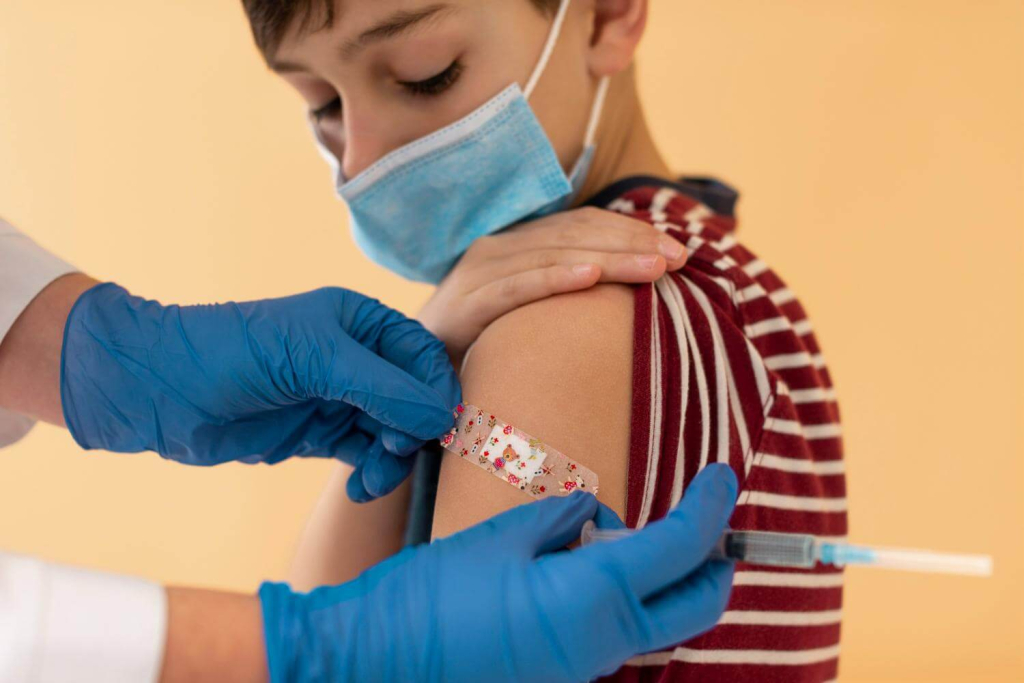
Access plays a significant role in maintaining complete vaccination. In the Philippines, public health centers provide free vaccines as part of the government’s expanded routine immunization program.
These services are supported by trained professionals, including nurse midwives, pediatric nurse practitioners, and family physicians, ensuring that even families outside private systems receive proper health care. The Department of Health continues to strengthen these programs as part of broader public health and disease control strategies.
For families considering accessibility, proximity to medical facilities also matters. In areas like Pampanga, residential communities such as Camella Pampanga offer practical advantages, with access to institutions like Jose B. Lingad Memorial Hospital located within a short travel time. This kind of proximity supports timely consultations, especially when children require immediate care or scheduled vaccinations.
Parents can choose between public and private providers, but consistency is key. What matters most is completing the immunization schedule without interruption.

Manage Post-Vaccination Care and Follow-Ups
Planning doesn’t stop after the vaccine is given. Parents need to manage what happens immediately after each dose and between scheduled visits.
- Monitor your child after each vaccination: Observe for common reactions such as mild fever, swelling, or discomfort. These are expected responses as the immune system reacts to the vaccine, but persistent or worsening symptoms should be discussed with your pediatrician.
- Know when to seek medical attention: While most reactions are mild, watch for signs of severe illness such as high fever, unusual behavior, or difficulty breathing. Early intervention reduces the risk of serious complications.
- Follow post-vaccination care guidance: Your child’s pediatrician may recommend specific care steps after each dose. Following these ensures better recovery and supports the overall well-being of the child.
- Track the next required dose immediately: Before leaving the clinic, confirm the next schedule in your child’s immunization timeline. This prevents missed intervals and keeps protection consistent.
Conclusion
Vaccination remains one of the most effective tools in protecting children from infectious diseases that can still pose real risks today. Following the correct immunization schedule, completing routine vaccines, and acting early when symptoms appear are practical steps that directly influence a child’s health outcomes.
For parents, the responsibility lies in staying consistent and informed. The benefits extend beyond individual protection, contributing to broader public health and disease control efforts that safeguard entire communities.
Planning ensures that children enter each season, including the busy summer months, with stronger protection against serious diseases and the complications that come with them.