



Halo-halo remains the Philippines’ unofficial national dessert because every region has shaped the shaved ice dessert differently over time. What began as a simple combination of ice, milk, sweet beans, and fruit evolved into dozens of regional interpretations influenced by local agriculture, migration, and climate. As time passed, different provinces developed their own recipes, ingredients, and serving styles. Today, halo-halo variations in the Philippines range from dairy-heavy northern versions to fruit-centered southern creations topped with ube ice cream and halaya, leche flan, nata de coco, and other ingredients unique to each province.
The Origins of Shaved Ice Desserts in the Philippines
Food historians often trace halo-halo history to Japanese settlers who introduced mongo-ya stalls and kakigōri-inspired shaved ice treats during the early 1900s. The rise of the insular ice plant later made ice cubes more accessible across the country, helping frozen desserts spread beyond major cities.
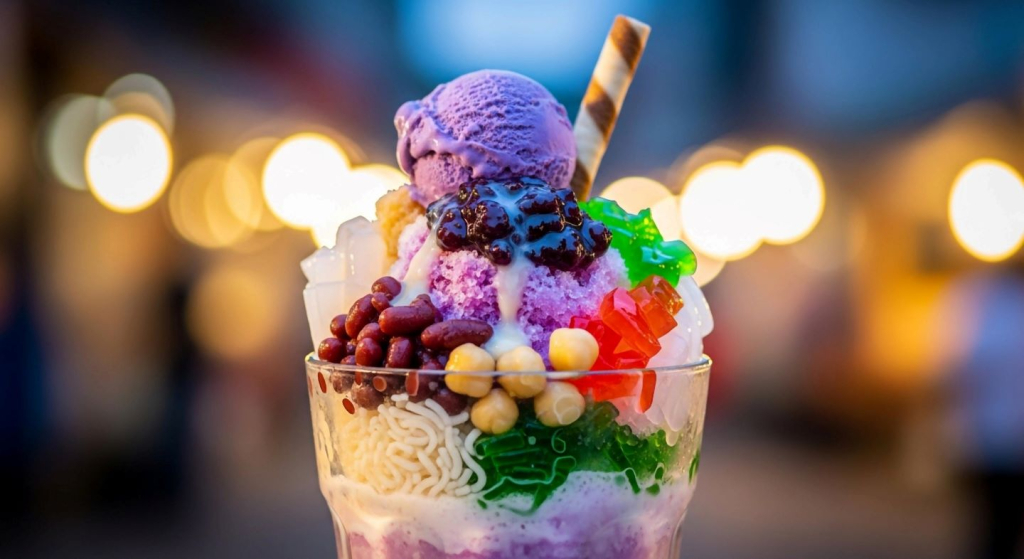
The word halo literally translates to “mix mix,” describing the way diners mix all the ingredients together before they eat. Traditional recipes combined shaved ice, evaporated milk, condensed milk, sweetened beans, adzuki beans, red beans, sweetened chickpeas, banana, jackfruit, sweet corn, pandan jelly, coconut jellies, and ube halaya inside a tall glass. The dessert is usually topped with leche flan, ice cream, or ube ice cream before being served with a long spoon so diners can scoop through the layers and enjoy immediately.
Pampanga’s Pastillas Halo-Halo and White Alwalu Traditions
Pampanga’s halo-halo reflects the province’s love for creamy and carefully cooked desserts. One of the best-known regional versions is the Pastillas Halo-Halo or White Alwalu of Arayat, which uses carabao milk, cream corn, sweet beans, coconut shavings, leche flan, macapuno and soft pastillas de leche beneath finely shaved ice.
Instead of piling excessive toppings into the dessert, Kapampangan recipes focus on balance and texture. During halo-halo season, many local eateries expand their dessert menus with oversized servings designed for families and groups escaping the intense Pampanga heat.
Around communities such as Camella Pampanga, residents can still find family-run eateries that preserve these regional flavors while newer cafés experiment with modern halo-halo presentation and carefully layered photo-ready desserts.
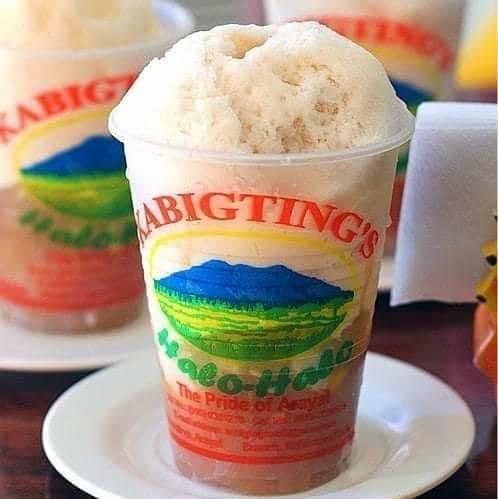
Image source: https://www.facebook.com/khhfairview/photos
Benguet’s Strawberry Halo-Halo From La Trinidad
In Benguet, the dessert changes with the landscape. Local farms in La Trinidad supply fresh strawberries that are often turned into syrup, preserves, and strawberry ice cream for regional halo-halo recipes.
Compared to central Luzon versions, Benguet halo-halo tastes lighter and more fruit-forward. Fresh fruit replaces many processed toppings, while condensed milk and evaporated milk are used more carefully to avoid overpowering the strawberries. Some cafés even top the dessert with frozen strawberry slices and locally made ice cream during peak harvest months.
Laguna’s Winter Melon Halo-Halo of Pagsanjan
Laguna preserves one of the country’s oldest surviving halo-halo traditions through the famous winter melon recipe associated with Pagsanjan.
Rather than relying on oversized servings and overloaded toppings, this shaved ice dessert centers on sweetened winter melon or kundol. White beans, red beans, nata de coco, ube, sweetened chickpeas, and coconut sport or macapuno are layered carefully beneath the ice. The flavors feel softer and less sugary compared to many commercial versions.
Because the recipe predates many modern halo-halo trends, it offers an account of how Filipinos once prepared dessert using preserved produce, local fruit, and simple syrup mixtures instead of highly processed toppings.
Laguna also became home to newer experimental halo-halo concepts through the use of salted egg. Unlike traditional Pagsanjan recipes centered on preserved fruit and carefully balanced sweetness, these newer versions reflect how younger dessert shops continue reinventing halo-halo for changing tastes.
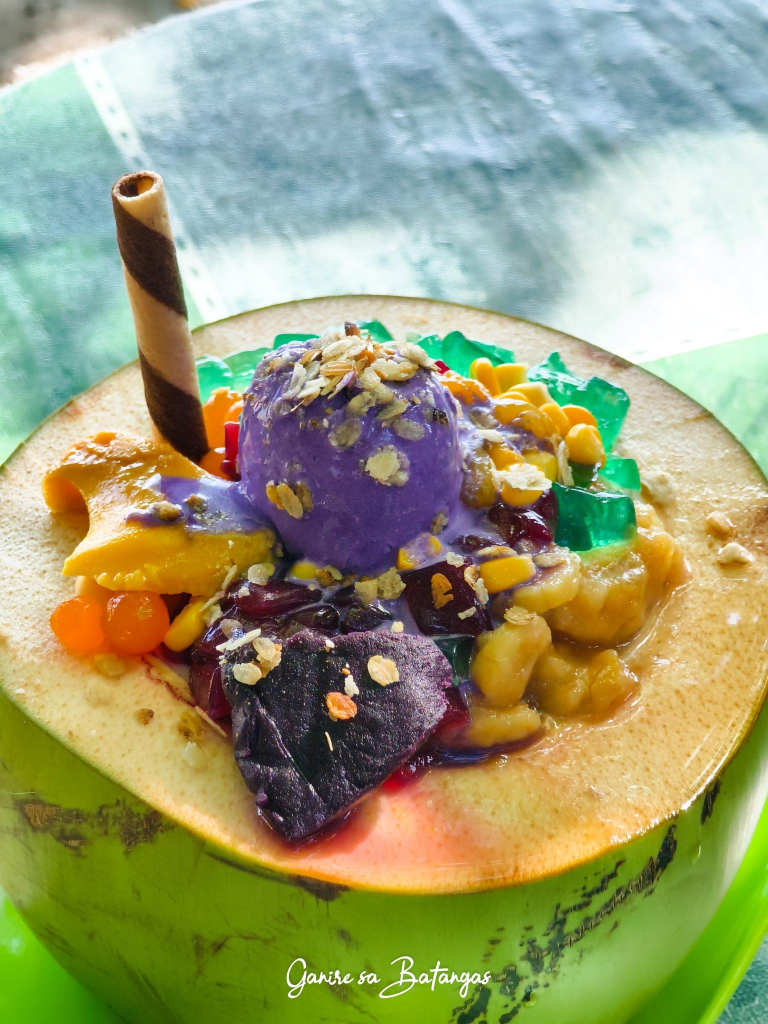
Image source: https://www.facebook.com/GanireSaBatangas
Batangas Ice Buko Halo-Halo
Batangas developed a halo-halo style rooted in coconut culture. Iced buko halo-halo focuses less on beans and more on fresh coconut flavors.
The dessert combines shaved ice, milk, macapuno, pinipig, coconut strips, and leche flan before being topped with ice cream. Some recipes even freeze coconut water into cubes for extra flavor. Slices of banana and jackfruit are commonly added to balance the creamy texture.
Compared to richer northern versions, Batangas halo-halo often feels lighter and more refreshing. The coconut naturally sweetens the dessert without requiring too much sugar or syrup.
La Union’s Halo-Halo de Iloko
Halo-Halo de Iloko reflects the agricultural identity of La Union. Instead of relying heavily on imported toppings found in Asian markets, the dessert highlights regional produce and root crops.
Sweet potatoes, sticky rice, sweet corn, local honey, coconut, kamote ube, and shredded fruit are layered into the dessert alongside soft beans and shaved ice. Some versions even include crunchy ugoy crackers or fried components for additional texture.
Nueva Ecija’s Carabao Milk Halo-Halo with Ube Ice Cream
Nueva Ecija’s dairy industry shaped its own halo-halo tradition. Instead of ordinary evaporated milk, many local eateries use fresh carabao milk to create a richer base.
Pastillas de leche, gulaman, leche flan, sweetened beans, ube halaya, and pandan jelly are placed beneath finely shaved ice before the dessert is topped with ube ice cream. The combination creates a creamy texture that slowly melts into the ice as diners mix everything.
Because the province is also known for rice farming, some local recipes include lightly cooked rice crisps among the layers for added texture.
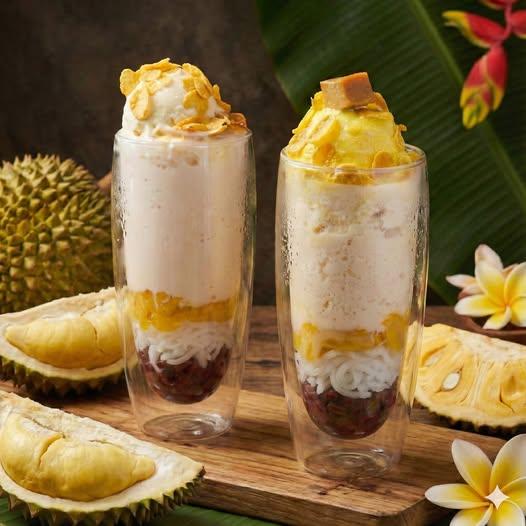
Image source: https://www.facebook.com/aponiloladuriandelicacies
Cebu’s Binignit-Inspired Halo-Halo
In Cebu and other parts of the Visayas, halo-halo shares similarities with binignit and ginataang desserts. Coconut milk replaces some of the heavier dairy components found in Luzon recipes.
The dessert often includes sweet potatoes, saba banana, pearl sago, jackfruit, coconut jellies, pandan jelly, and taro beneath the shaved ice. The flavors are softer, earthier, and less dependent on condensed milk.
Davao’s Durian Halo-Halo
Davao’s halo-halo reflects Mindanao’s tropical fruit industry. Durian jam, durian ice cream, mango, avocado, nata de coco, and pinipig are layered into the dessert alongside milk and shaved ice.
Because fresh fruit is widely available across the region, many local recipes depend less on preserved ingredients and more on produce prepared daily. The result is a dessert with brighter flavors and softer sweetness levels compared to northern halo-halo.
Some establishments even serve halo-halo topped with frozen durian slices for visitors looking to experience one of Mindanao’s most recognizable flavors.
Zamboanga’s Knickerbocker
Zamboanga’s Knickerbocker is one of the country’s most recognizable halo-halo relatives. While technically different from traditional halo-halo, it remains deeply connected to the Philippines’ mixed dessert culture.
Knickerbocker combines mango, watermelon, strawberries, banana, nata de coco, gulaman, and ice cream inside a tall glass before being topped with strawberry ice cream and condensed milk. Unlike most halo-halo recipes, it often skips shaved ice entirely.
The dessert reflects Zamboanga’s multicultural food history and the influence of American-style sundaes adapted to local fruit and tropical flavors.
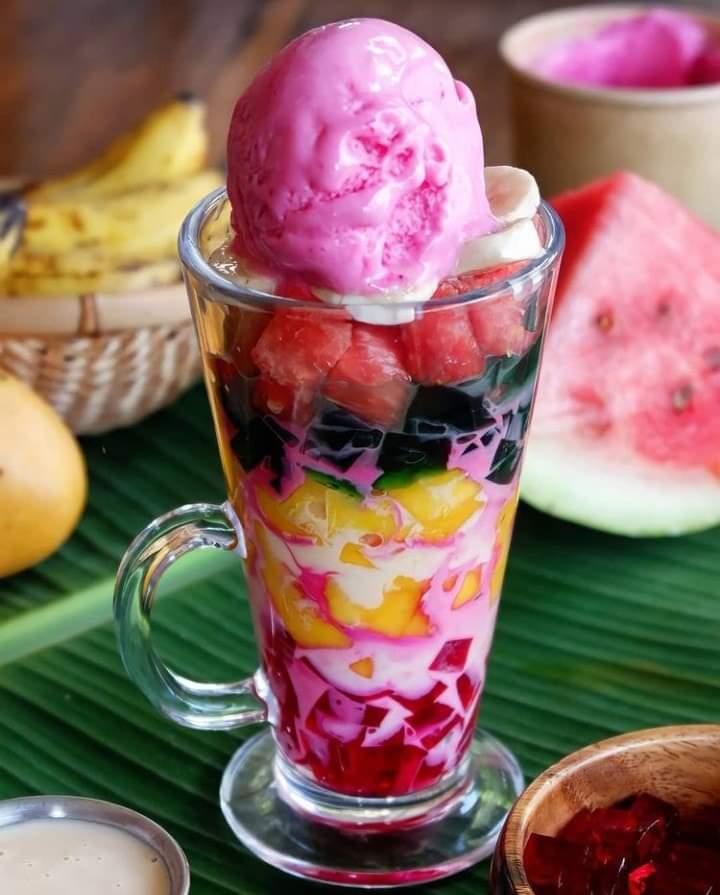
By Lokalpedia – Own work, CC BY-SA 4.0, https://commons.wikimedia.org/w/index.php?curid=126341656
Conclusion
Halo-halo continues to evolve because every province in the Philippines approaches the dessert differently. Pampanga values creamy dairy richness, Benguet highlights strawberries, Laguna preserves winter melon traditions, and Davao embraces tropical fruit.
Even after decades of change, the essence of halo remains the same: combining all the ingredients into one cold dessert meant to be mixed, shared, and enjoyed during the country’s hottest months. From roadside eateries to modern cafés around the world, halo-halo remains one of the clearest reflections of Filipino food culture and regional identity.