



Image Source: https://images.pexels.com/photos/8060005/pexels-photo-8060005.jpeg
Introduction: Finding Everyday Calm Close to Home
Busy schedules, long commutes, and family responsibilities can leave little room for rest. In the Philippines, residential communities with accessible recreational facilities can make exercise, relaxation, and social interaction easier to include in daily life. Thoughtfully planned community living can support mental health, physical health, and overall quality of life by bringing useful spaces closer to home. These community amenities for wellness give residents opportunities to recharge and connect with neighbors.
Choosing Community Amenities for Wellness and Long-Term Quality of Life
When evaluating wellness amenities, consider their accessibility, upkeep, and relevance to your household rather than the number of facilities advertised.
Looking Beyond the Number of Facilities
Popular wellness amenities can significantly enhance resident satisfaction when they are safe, accessible, and well-maintained. Shared amenities also play a vital role in creating a supportive environment for exercise, relaxation, and social interaction. Green spaces, for example, can encourage physical activity and support mental well-being.
Considering Health and Wellness Along With Property Value
Useful facilities may influence buyer preferences and property value, although location, maintenance, and market conditions also affect resale potential. Residential communities such as Camella San Juan in Batangas list a swimming pool, linear park, playground, and multipurpose courtyard among its community amenities and facilities. Well-planned public amenities can make neighborhoods more appealing and potentially attract nearby businesses, such as cafés and convenience stores.
Fitness Centers for Physical Wellness
Fitness centers provide convenient access to exercise without requiring residents to travel to a commercial gym. An on-site fitness center may include cardio machines and weight training equipment, helping residents pursue different wellness goals. Regular exercise supports cardiovascular health, physical wellness, focus, and better sleep while contributing to mental wellness. Properties with fitness centers may also appeal to buyers who value convenient exercise options, potentially supporting resale value.
Swimming Pools for Relaxation and Recreation
Residential pools offer opportunities for recreational swimming, low-impact exercise, and family leisure. Swimming encourages physical activity, while relaxing poolside provides a welcome break from daily responsibilities. Pools can also encourage social interaction among residents and their families.
Walking Trails and Outdoor Spaces for Mental Well-Being
Walking trails and landscaped outdoor spaces encourage movement, relaxation, and time in nature. Safe paths and sidewalks can support cardiovascular exercise and active mobility, while green spaces may help with reducing stress. Parks with adequate tree cover provide shade that can reduce exposure to heat, while vegetation may help limit exposure to some air pollutants, depending on local conditions. Accessible parks also encourage outdoor activities, from walking to informal recreation, supporting physical health and mental well-being. Hiking trails can also give residents opportunities for exercise and exploration, encouraging them to stay active while discovering nearby natural surroundings.
Community Gardens for Mindful Living
In senior-living communities, community gardens can give residents opportunities to grow herbs, vegetables, and ornamental plants. Gardening can provide a relaxing break from screens while supporting emotional well-being. Shared planting areas also foster cooperation as community members exchange knowledge and responsibilities. Proximity to healthy food retailers can complement these gardens by making fresh produce and nutritious options easier to obtain, although affordability and availability influence dietary choices. In exchange, retailers can organize and teach healthy chef prepared meals for the residents.
Yoga and Meditation Rooms for Mental Health and Emotional Well-Being
Dedicated yoga rooms provide space for stretching, breathing exercises, and guided yoga classes. Meditation areas offer quieter spaces for reflection and relaxation. Although these activities do not replace healthcare professionals for mental health, regular practice may support emotional wellness, stress management, and mental well-being. Accessible facilities make it easier for residents to build these practices into their routines.
Clubhouses for Community Living
Clubhouses provide communal spaces for indoor recreation, meetings, and shared interests. Depending on their facilities, they may host hobby groups, workshops, and community programs. These common spaces help residents build social connections and develop a stronger sense of belonging. Organized activities can encourage community engagement and social wellness, giving neighbors opportunities to form friendships and reduce feelings of social isolation.
BBQ Areas for Community Engagement
Designated BBQ areas provide spaces for outdoor dining, family gatherings, and community events. Residents can share meals with friends and neighbors without hosting every occasion at home. Seating, cooking facilities, cleanliness, and clear rules help keep these areas practical and safe. When well maintained, they create opportunities for social interaction and stronger neighborhood relationships.
Children’s Playgrounds for Family-Friendly Recreation
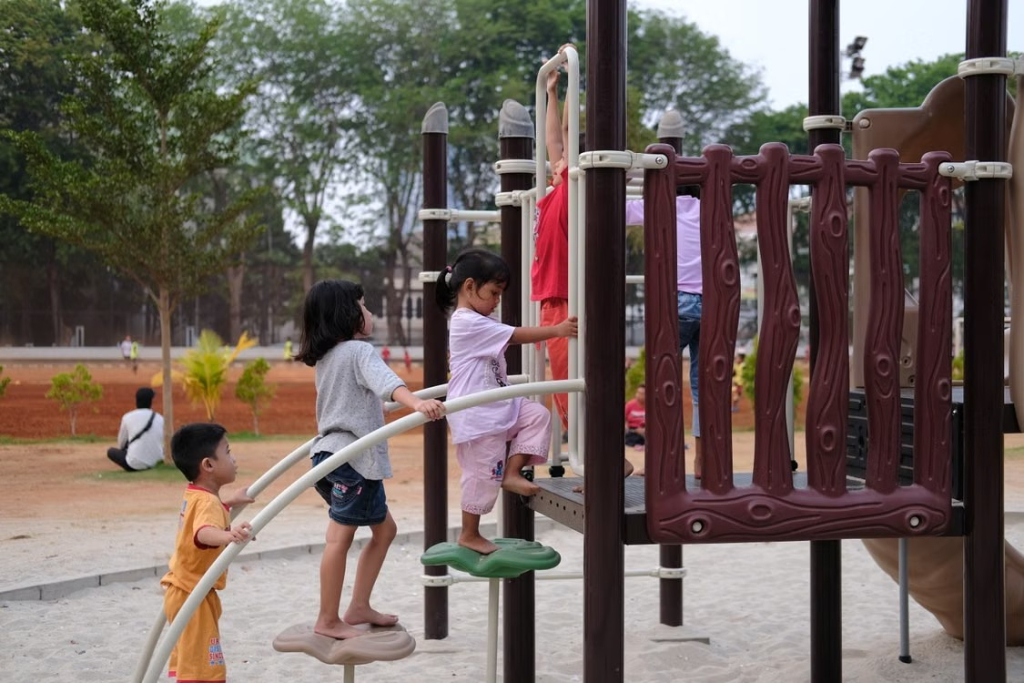
Children’s playgrounds provide dedicated spaces for movement and age-appropriate play. Slides and climbing structures can encourage coordination and active recreation while giving children opportunities to interact with others. Parents may also meet fellow families and develop community connections. Safe surfaces, accessible layouts, and regular equipment inspections help make playgrounds more welcoming.
Sports Courts for Active Social Wellness
Basketball, tennis, and badminton courts offer spaces for recreational sports. These activities encourage teamwork, coordination, and friendly competition while supporting physical wellness and social connections. Court availability, booking arrangements, lighting, and maintenance can significantly impact how useful these facilities are to residents.
Community Function Halls for Celebrations and Gatherings
Community function halls provide venues for birthdays, anniversaries, reunions, and neighborhood meetings. They accommodate gatherings that may be difficult to host at home, subject to capacity and booking rules. These facilities make celebrations more convenient and give residents opportunities to spend time with friends and neighbors.
Conclusion: Making Room for Calm in Everyday Life
The right community can support overall well-being, including physical activity, relaxation, social connections, and social well-being. Their benefits depend on accessibility, maintenance, and whether residents can incorporate these facilities into their routines. For prospective homeowners, evaluating amenities alongside location, budget, and household needs can help identify a neighborhood that supports overall wellness and overall quality of life. These benefits can contribute to happiness and foster a greater sense of belonging when developments offer amenities that meet residents’ needs.