



Stroke awareness at home is one of the most practical forms of protection a family can have, because the people nearest to a stroke are usually the first to notice it. A stroke occurs when blood flow to part of the brain is blocked or a blood vessel bursts, and brain cells begin to die within minutes. It is a leading cause of death and long-term disability worldwide, and it ranks among the top causes of death in the Philippines. Yet up to 80% of strokes can be prevented through lifestyle changes. Having helpful information, knowing the warning signs, and acting on them without hesitation is what turns that statistic into saved lives.
Why stroke awareness at home matters
Most strokes do not happen in a hospital. They happen at the dining table, in the kitchen, or in the middle of a phone call with a relative. A person having a stroke may not recognize what is happening, so the response often depends on whoever is in the room. Raising awareness about stroke can protect family members in a way no clinic visit can, simply because the home is where the first minutes are spent.
Family has an impact on risk. Eating habits, activity levels, and attitudes toward checkups are learned at home. Families that talk openly about stroke prevention, high blood pressure, and heart disease tend to catch problems earlier and support one another better after a diagnosis.
Educating family members about stroke risks ensures a rapid response. That education should also be adapted to different age groups and health literacy levels. Children can learn a simple sentence to say to a dispatcher, teenagers can handle a phone call, and grandparents may need larger print and repeated explanations in the language they know best.
Why stroke awareness at home matters
Sudden onset is the defining feature of stroke symptoms. Weakness on one side of the body, confusion, trouble speaking, vision problems, and a severe headache with no known cause are the classic warning signs. Here are tips. Any of them appearing without warning calls for immediate medical attention.
- Weakness or numbness. Sudden weakness in the face, an arm, or a leg, especially on one side of the body.
- Confusion or speech trouble. Sudden confusion, slurred words, or difficulty understanding what others say.
- Vision problems. Blurred, dim, or lost vision in one or both eyes.
- Severe headache. A sudden, intense headache with no known cause.
Using F.A.S.T. to spot a stroke
F.A.S.T. is the easiest way to recognize stroke symptoms quickly. It stands for Face, Arms, Speech, and Time.
- Face: Ask the person to smile. Face drooping on one side is a warning sign.
- Arms: Ask them to raise both arms. If one arm drifts downward, arm weakness may be present.
- Speech: Ask them to repeat a simple sentence. Slurred or strange speech, or speech difficulty of any kind, is a red flag.
- Time: If any of these signs appear, call emergency services right away.
Adding balance and eyes with BE FAST
The BE FAST version adds Balance and Eyes. A sudden loss of balance, dizziness, or trouble walking, along with sudden vision changes, can point to a stroke even when the face, arms, and speech seem normal. Teaching the longer acronym gives families a wider net.

What to do when a stroke occurs
The importance of acting immediately during a suspected stroke cannot be overstated. Treatment works best when it starts quickly, because clot-dissolving medication and other procedures that restore blood flow are effective only within limited windows. Every minute matters, which is why time is the last letter of the acronym.
Call for help first
Call 911, the national emergency hotline in the Philippines, or your local emergency number. Do not drive the person yourself, and do not wait to see if symptoms pass. Do not give food, drink, or medication. Emergency responders can begin assessment on the way and alert the hospital, which speeds up treatment on arrival.
Note the time
Write down when the first symptoms appeared. Doctors use this to decide which treatment is safe, so an accurate time can change the options available.
Share medical details
Tell the responders about any known conditions, such as diabetes or atrial fibrillation, and hand over the medication list. That information helps doctors and other healthcare professionals decide on the right treatment plan.
Risk factors families can talk about
Some risk factors cannot be changed, such as age and family history. Many others are modifiable, and discussing them during family meals is a low-pressure way to reinforce healthy habits. It also keeps health conversations routine instead of reserving them for emergencies.
Blood pressure and cholesterol
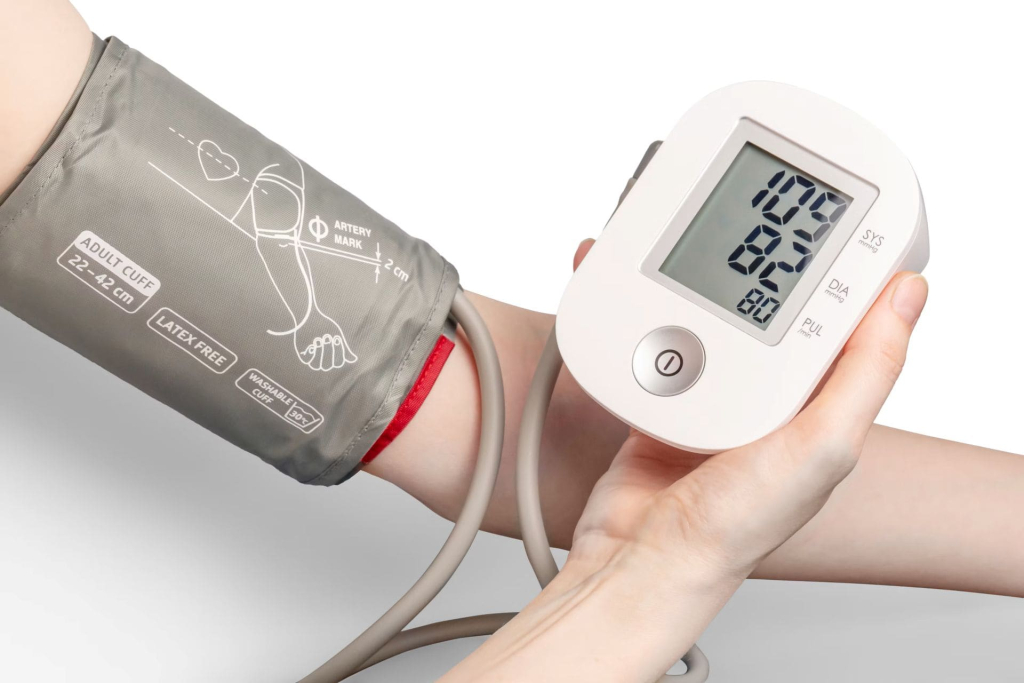
High blood pressure is a major risk factor for stroke and usually has no symptoms. Regular blood pressure monitoring is essential for stroke prevention, and a home monitor is a modest investment that pays off. High cholesterol narrows arteries over time. Your doctor should test cholesterol levels every five years, and more often with a family history or existing conditions.
Heart rhythm and blood sugar
Atrial fibrillation, an irregular heartbeat, increases stroke risk significantly because it can let clots form in the heart and travel to the brain. Many people with the condition feel nothing unusual, so checkups matter. Elevated blood sugar and diabetes also damage blood vessels, so they belong in the same conversation.
Weight, tobacco, and alcohol
Obesity increases your risk for stroke, and a healthy weight lowers the strain on the heart and circulation. Tobacco in any form damages blood vessels, and avoiding it is among the most effective stroke prevention tactics. Alcohol should be limited. In line with dietary guidance, men should have no more than two drinks per day and women no more than one.
Diabetes, heart disease, and stroke are closely related topics, and managing one usually helps the others. Families in the Philippines often share both genes and eating habits, so a relative’s diagnosis is a useful cue for everyone else to get checked.
Habits that lower your risk
Everyday choices carry real weight. A few steady habits, practiced by the whole household, can lower your risk more than occasional drastic changes.

Physical activity
Regular physical activity is essential for lowering stroke risk. It strengthens the cardiovascular system, helps manage blood pressure, and supports a healthy weight. Adults should aim for 2.5 hours of moderate-intensity exercise each week, which works out to about 30 minutes on five days. Brisk walking around the village, a morning session of Zumba, cycling, or swimming all count. Doing it together makes the routine easier to keep.
A healthy diet
A healthy diet is built around vegetables, fruit, whole grains, fish, and lean protein. Meals should be low in sodium, saturated fats, and added sugars. That can mean going easy on instant noodles, processed meats, salty condiments, and sweetened drinks, which are common in many Filipino kitchens. Involving the whole family in meal preparation encourages heart-healthy eating habits, and children who help cook are more likely to eat what they make.
Good nutrition does not require a separate menu for one person. Adjusting the family’s regular dishes, such as more vegetables in sinigang or grilled fish instead of fried, benefits everyone.
Setting up a stroke-ready household
Preparedness turns knowledge into reflex. A few small arrangements make the difference between confusion and a fast response.
Emergency plan and contacts
Keep emergency contacts and important medical information visible, on the refrigerator or near the main door. This includes the hospital of choice, doctors’ numbers, allergies, and current medications. A household emergency plan can improve response time during a stroke incident by settling who calls, who unlocks the gate, and who stays with the patient.
Medication management
For families managing chronic conditions, a medication management system helps. A weekly pill organizer, a shared calendar, or phone reminders keep doses on schedule and let relatives see at a glance whether something was missed.
Reminders and drills
Visual reminders about stroke signs should be placed in high-traffic areas such as the kitchen, the hallway, and the living room door. Fact sheets and posters from health organizations and stroke associations can be printed and displayed. Then make learning the signs memorable with frequent family drills and reminders. A two-minute practice of F.A.S.T. every few months, or a quick quiz over dinner, keeps the steps fresh. Health support groups and local hospital education programs are also helpful sources of information.
Setting up a stroke-ready household
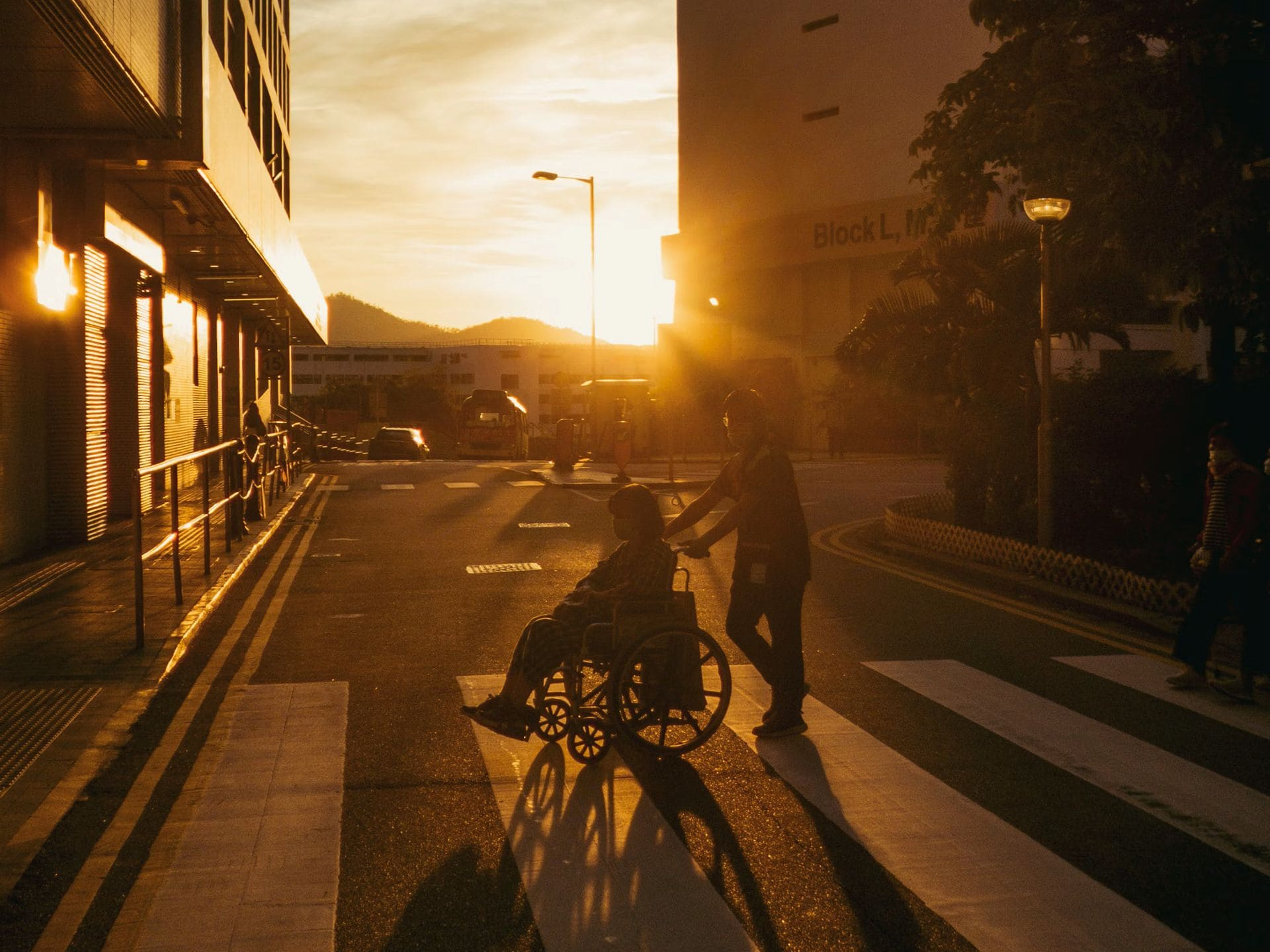
Surviving a stroke is often the start of a long recovery. Stroke survivors may face weakness, limited mobility, speech difficulty, fatigue, or changes in mood and memory. Some live with a lasting disability, while others regain most of their function. Rehabilitation, which can include physical, occupational, and speech therapy, is vital, and starting it early tends to improve outcomes.
Caregivers carry much of this work, and their own well-being counts too. Sharing tasks among relatives, keeping to the treatment plan, and asking rehabilitation services and doctors about home exercises can ease the load. Small home adjustments, such as grab bars, non-slip mats, and a bedroom on the ground floor, aid mobility and reduce falls. Patients recover best when they feel supported, so patience, routine, and encouragement matter as much as the therapy itself.
A stroke can happen again. Continuing with healthy habits, regular checkups, and the same prevention steps helps protect a loved one long after leaving the hospital.
A prepared household protects everyone
Stroke is serious, but it is also largely preventable, and a well-informed family is in a strong position to act. Knowing F.A.S.T. and BE FAST, checking blood pressure and cholesterol, staying active, eating well, and keeping emergency information within reach are simple steps with lasting value. Stroke awareness at home begins with one conversation, and it can save lives when it counts.