




Image Source: https://images.pexels.com/photos/8763984/pexels-photo-8763984.jpeg
Living with arthritis can make ordinary routines feel more demanding. Joint pain, stiffness, swelling, and reduced mobility can affect cooking, cleaning, exercising, working, and even getting comfortable at home. While arthritis cannot always be prevented, a combination of appropriate treatment, movement, nutrition, rest, and practical home adjustments can help people manage symptoms and protect their quality of life. Current guidance also supports self-management as an important part of long-term arthritis care.
Managing Arthritis At Home Starts With Understanding Your Joints
Managing arthritis at home begins with understanding what is causing discomfort and how the condition affects the body. Arthritis refers to more than 100 conditions, with osteoarthritis among the most common. Other types have different causes and treatment needs, so recognizing symptoms and seeking an early diagnosis can make arthritis management more effective.
Recognizing Arthritis Symptoms And Affected Joints
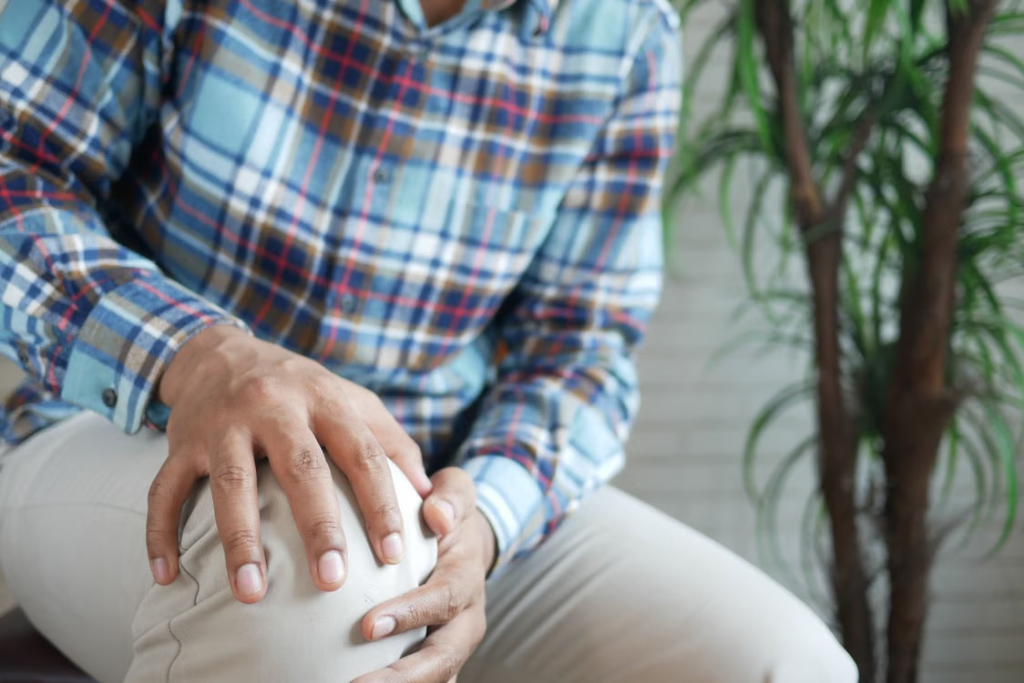
Common arthritis symptoms include arthritis pain, joint stiffness, swelling, tenderness, and difficulty moving affected joints. Chronic pain can interfere with daily life, particularly when symptoms worsen, or severe arthritis limits ordinary activities. Keeping track of changes in pain, stiffness, swelling, or mobility can help an arthritis doctor determine whether further assessment is needed.
Knowing When Professional Support Is Needed
Different types of arthritis require different approaches. Rheumatoid arthritis develops when the immune system attacks healthy joint tissue while psoriatic arthritis can cause joint pain in people with psoriasis. Gout occurs when uric acid crystals build up in a joint, while lupus is a systemic autoimmune condition that can affect connective tissues and joints. Ankylosing spondylitis primarily affects the spine. Risk factors also vary, which is why early diagnosis matters. Instead of relying only on pain medications, seeking advice from professionals is important. Groups like the Arthritis Foundation, advocates that a healthcare professional can recommend arthritis treatments, help keep joints flexible, and create a treatment plan suited to the condition, rather than relying solely on general pain relief strategies.

Image Source: The Yuri Arcurs Collection | Magnific
Managing Arthritis Pain Through Movement And Physical Therapy
Movement plays an important role in managing arthritis pain. Appropriate physical activity can reduce pain, improve physical function, and support quality of life, while prolonged inactivity can make maintaining mobility more difficult. The goal is to find activities that support joint function without placing unnecessary strain on painful joints.
Physical Therapy And Low-Impact Exercise
Physical therapy can help create an individualized routine based on mobility, strength, and specific problem areas. A physical therapist may recommend range of motion exercises, strengthening exercises, and activities designed to improve joint function while supporting the muscles around affected joints. Low-impact exercises such as walking, swimming, cycling, and tai chi can also support joint flexibility and mobility. Staying active does not require intense workouts, and even shorter periods of movement throughout the day can be useful.
Balancing Movement, Rest, And Flare-Ups
During arthritis flare-ups, gentle movement may help ease joint stiffness, while pacing activities can prevent overexertion. Repetitive movements that repeatedly stress the same joints may need to be modified. Alternating activity with rest can help manage pain, relax muscles, reduce muscle tension, and maintain mobility. The aim is to encourage movement without pushing through significant or worsening pain.
Healthy Weight And An Anti-Inflammatory Diet
Weight and food choices can also influence joint health. Excess weight places additional stress on weight-bearing joints, particularly the knees and hips, while maintaining a healthy weight can reduce pressure and help manage symptoms. Nutrition can complement medical care by supporting overall health and helping address joint inflammation.
Maintaining A Healthy Weight For Joint Health
For people carrying excess weight, even modest weight loss can reduce arthritis-related pain and improve mobility. A healthy weight may also reduce stress on joints and lower the risk of certain weight-related joint problems. One frequently cited finding is that 31% of obese older adults have arthritis symptoms, highlighting the connection between excess weight and joint health. Maintaining a healthy weight should focus on sustainable eating and activity habits rather than restrictive dieting.
Building An Anti-Inflammatory Diet
An anti-inflammatory diet can include fatty fish rich in omega-3 fatty acids, fruits and vegetables, whole grains, and nuts. These foods provide nutrients and anti-inflammatory properties that may support efforts to reduce inflammation. Limiting processed foods can also be useful as part of a balanced eating pattern. People managing arthritis should discuss major dietary changes with a healthcare professional, particularly when other conditions such as high blood pressure are present.

Pain Relief At Home Through Practical Daily Habits
Home routines can be adjusted to make arthritis easier to manage between medical appointments. Simple changes can reduce unnecessary strain, provide targeted relief, and make everyday activities more manageable. These measures are best viewed as part of broader pain management rather than substitutes for professional care.
Using Heat Therapy And Cold Therapy
Heat therapy may help relax stiff muscles and joints, while cold therapy can temporarily numb pain and help with swelling or inflammation. Both approaches can provide pain relief for some people, although the most appropriate option depends on the condition and situation. Used appropriately, these methods may help relieve arthritis pain and alleviate pain during periods of discomfort.
Adapting Everyday Tasks And The Home Environment
Ergonomic aids can make gripping, opening containers, reaching, or completing household chores easier on the joints. Rearranging frequently used items so they are easier to access can also reduce unnecessary bending or repetitive movements. For example, a home with accessible pathways and convenient spaces can make daily routines less physically demanding.
For residents of Antipolo, Camella Crestwood Heights offers an example of a residential community where landscaped parks, gardens, green spaces, and recreational amenities can provide opportunities for gentle movement close to home. The development is located in Barangay San Luis and is accessible through Sumulong Highway, Ortigas Avenue Extension, and C-6.
Sleep And Stress Management
Sleep and stress can influence how people experience chronic pain. Establishing a consistent sleep routine, using deep breathing, and finding ways to reduce stress can support relaxation and overall well-being. Quality sleep also gives the body time to recover, making it easier to manage symptoms and maintain energy for daily activities.

Image Source: creativaimages | Magnific
Knowing When Arthritis Care Needs More Than Home Management
Self-care has an important role in arthritis management, but persistent or worsening symptoms should not be ignored. Some conditions, particularly inflammatory forms of arthritis, can cause progressive joint damage without appropriate treatment. Home strategies should work alongside medical care when symptoms begin interfering significantly with movement or everyday activities.
Recognizing Changes That Need Medical Attention
A person should seek medical advice when symptoms worsen, pain becomes persistent, swelling continues, or mobility declines. An arthritis doctor can assess whether the symptoms point to an inflammatory condition or another form of joint disease. Early diagnosis is particularly important for conditions such as rheumatoid arthritis, where timely treatment can help limit joint damage.
Exploring Longer-Term Treatment Options
Depending on the condition, arthritis treatments may include physical therapy, medications, topical treatments, or surgery. Anti-inflammatory medicines may be prescribed to control pain and inflammation, while some people with advanced joint damage may eventually require joint replacement or, in specific circumstances, joint fusion. These decisions depend on the affected joint, severity of disease, overall health, and response to other treatments.
Building A More Comfortable Routine With Arthritis
Managing arthritis symptoms becomes more practical when healthy habits are incorporated into ordinary routines. Regular movement can strengthen muscles, support joint flexibility, and improve mobility, while appropriate weight management and an anti-inflammatory diet can complement other treatments. Learning to recognize flare-ups, pace activities, and manage pain can also help people remain active without repeatedly overloading their joints. With consistent care and appropriate professional guidance, people can experience significant improvements in function, comfort, and quality of life.