




Image source: Magnific
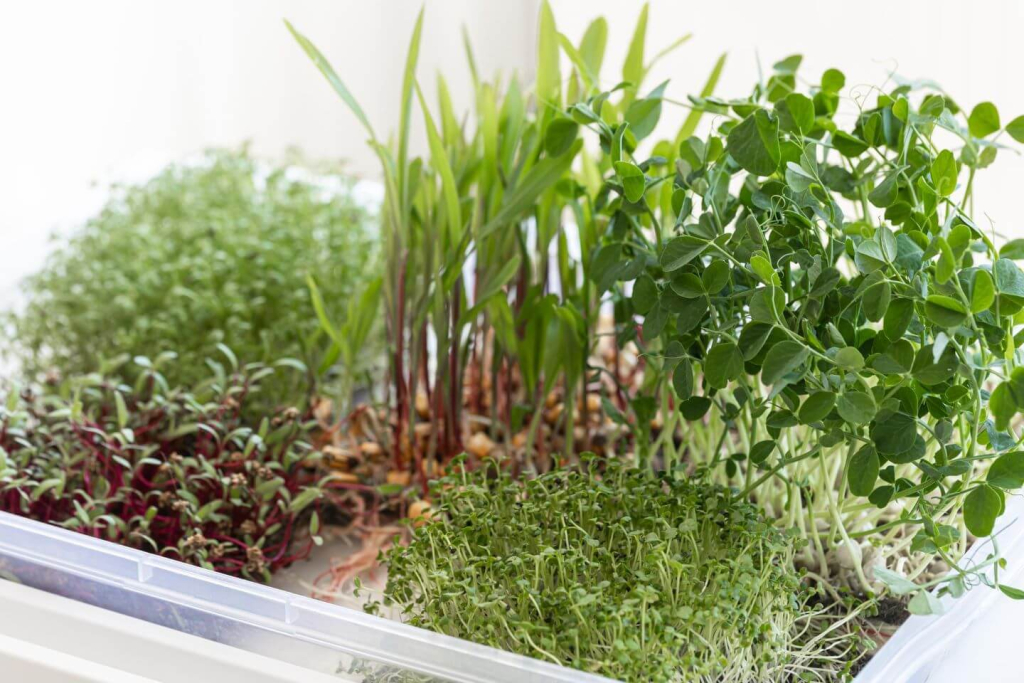
Growing herbs at home is one of the easiest ways to start gardening in the Philippines. Whether you live in a house with a backyard or a condominium unit with limited outdoor space, many herbs can thrive in tropical conditions when given the right care. From adding fresh flavor to daily meals to creating a more productive kitchen garden, herbs offer practical benefits for households looking to make the most of their available space.
For beginners, the key is understanding that herbs have differences from growing new plants. They have different requirements from vegetables and ornamental plants. Learning about the herbs you want to grow before purchasing them helps create a stronger foundation for success. With proper sunlight, suitable soil, and consistent care, even a small herb garden can provide a steady supply of ingredients throughout the year.
Why Growing Herbs at Home Works Well in the Philippines
The tropical climate, year-round growing conditions, and the role of fresh ingredients in Filipino cooking make herbs an accessible starting point for home gardeners.
The Appeal of Fresh Herbs for Everyday Meals
Many Filipino dishes benefit from the addition of fresh herbs. Having your own herbs readily available allows you to pick what you need moments before cooking. The difference in taste between freshly harvested herbs and store-bought dried herbs can be significant, particularly when preparing soups, grilled dishes, sauces, roasted vegetables, and salads.
Growing herbs at home also reduces the need for frequent grocery trips. Instead of purchasing small packets of herbs that may spoil quickly, you can harvest only what you need and enjoy maximum freshness.
The Health Benefits of Maintaining a Kitchen Garden
A home garden offers more than culinary convenience. Many herbs contain essential oils and naturally occurring compounds that have long been associated with wellness traditions around the world. Caring for plants can also support relaxation and encourage more time outdoors.
For families interested in healthier eating habits, a kitchen garden makes it easier to incorporate fresh ingredients into everyday meals while developing a deeper appreciation for where food comes from.
Why Herb Plants Differ From Other Garden Crops
Herb plants are often easier to manage than many vegetables, making them suitable for beginner gardeners. Still, understanding their needs is important. Most herbs prefer well-drained soil, good airflow, and consistent sunlight. They also tend to perform best when grouped with other herbs that have similar watering requirements.
Rather than treating herbs like other plants in the vegetable garden, it helps to think of them as a specialized category with their own growing preferences.
How to Plan a Herb Garden Before You Start Planting
Many beginners focus on buying plants first, but successful herb gardening begins with understanding what different herbs need and designing the right growing space.
Choosing Between Planting Outdoors, Containers, and Pots Indoors
When planning a herb garden, one of the first decisions involves choosing between planting outdoors, using containers, or keeping pots indoors. Each approach has advantages depending on available space.
Homes with gardens may dedicate a sunny spot to growing herbs directly in the ground. Others may prefer containers that can be moved as weather conditions change. Apartment dwellers often grow herbs indoors near windows where sufficient light is available.
Creating a dedicated area for herbs often improves results because it allows gardeners to tailor conditions specifically for their chosen varieties.
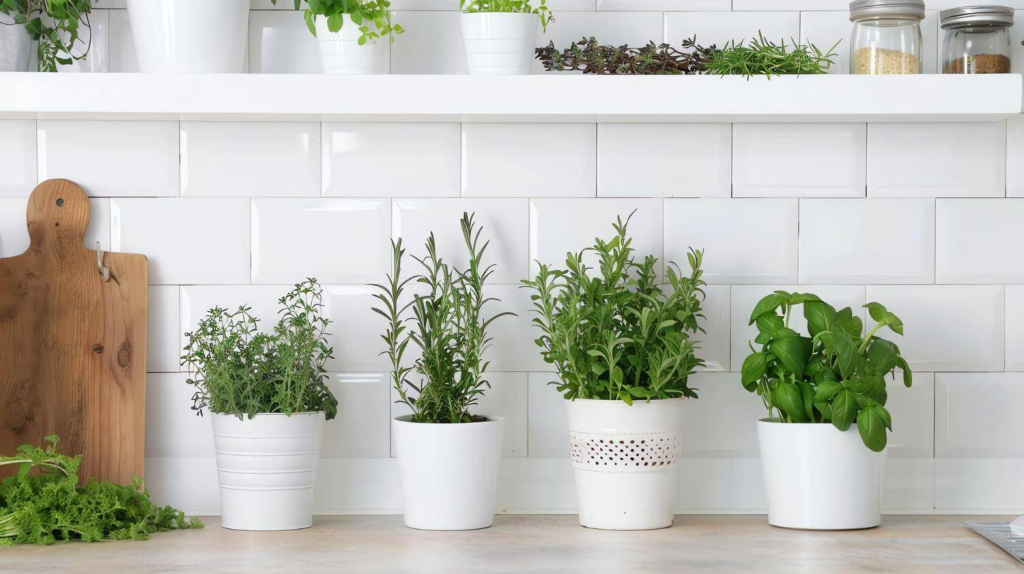
Image source: https://www.magnific.com/premium-photo/row-potted-herbs-kitchen-counter_272572028.htm
Grouping Herbs With Similar Growing and Watering Needs
Many herbs thrive when planted alongside varieties that share similar moisture preferences. Rosemary, thyme, and oregano generally prefer drier conditions, while basil and parsley often appreciate slightly more consistent moisture.
Grouping compatible herbs makes watering easier and reduces the risk of overwatering or underwatering individual plants.
Creating a Growing Space With Well-Drained Soil and Fertile Soil
Successful growing herbs requires balancing moisture retention with drainage. Well-drained growing helps prevent root problems, particularly during the rainy season.
A mixture containing fertile soil, compost, and loam-based compost can provide nutrients while maintaining proper drainage. Many herbs perform particularly well in sandy or loamy conditions where water moves freely through the soil.
Selecting the Right Pot Size for Healthy Root Development
A pot should generally provide enough depth for root growth. For most herbs, a container at least six to eight inches deep works well. Larger varieties may benefit from a large pot that allows roots to expand comfortably.
Selecting the correct container size early helps avoid transplanting stress and supports healthier plants over time.
The Best Herbs to Grow for First-Time Gardeners
Starting with reliable, beginner-friendly varieties increases the chances of building a productive and enjoyable herb garden.
Basil, Fresh Basil, and Other Herbs From Seed
Basil remains one of the best herbs for beginners because it grows quickly in warm conditions and adapts well to container gardening. Fresh basil is valued for its versatility and can be used in pasta dishes, sandwiches, salads, and local fusion recipes.
Starting from herb seeds is often economical. Basil, dill, and coriander are among the easiest herbs to grow from seed. Even a few seeds can eventually produce enough foliage for regular harvesting.
Chives, Parsley, and Onion Family Favorites
Chives and spring onions belong to the onion family and are appreciated for their mild flavor. They grow well in containers and can be harvested repeatedly throughout the season.
Parsley is another versatile herb that adapts well to Philippine conditions. Although technically a biennial plant, it is commonly treated as one of the annual herbs in home gardens. Both curly and flat leaf varieties are available, giving gardeners options based on preference and intended use.
Coriander, Cilantro, and Dill for Fresh Flavor
Coriander and cilantro come from the same plant. The leaves are commonly called cilantro, while coriander often refers to the seeds. These herbs add fresh flavor to many Asian and international dishes.
Rosemary, Thyme, and Oregano for Sunny Locations
Rosemary, thyme, and oregano are excellent choices for areas that receive full sun. These Mediterranean herbs tolerate warmth well and generally require less frequent watering than some other herbs.
Their aromatic leaves retain strong flavor, making them useful for both fresh and dried applications.
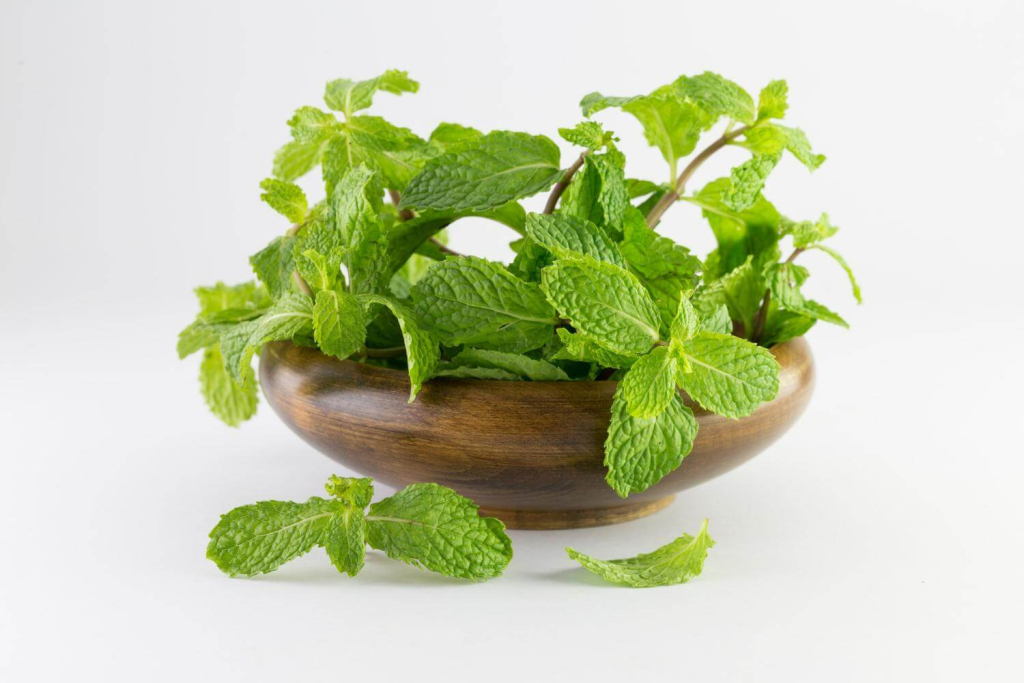
Image source: https://www.magnific.com/premium-photo/mint-leaves-wooden-bowl-isolated_10709420.htm
Why Mint Should Always Have Its Own Pot
Mint is vigorous and can quickly dominate surrounding plants if given the opportunity. For that reason, experienced gardeners often recommend growing it in a separate pot.
Keeping mint isolated prevents it from spreading aggressively and helps maintain balance within the garden.
Understanding Perennial Herbs and Annual Herbs
Knowing whether herbs return year after year or need seasonal replanting helps shape a more sustainable garden plan.
Perennial Herbs That Produce Year-Round
Many perennial herbs can remain productive for extended periods in the Philippine climate. Rosemary, thyme, oregano, and some varieties of sage often continue producing foliage year-round when properly maintained.
These long-lived herbs provide a reliable foundation for a thriving herb garden.
Annual Herbs That Reward Frequent Replanting
Annual herbs complete their life cycle more quickly and may need replacement after flowering. Basil, dill, and cilantro are common examples.
Maintaining a supply of annual herbs often involves sowing new herb seeds regularly so fresh plants are always available.
When Flower Buds Signal Changes in Flavor and Growth
As herbs mature, flower buds eventually develop. While flowering is a natural stage of growth, it can affect leaf production and taste.
Pinching off flower buds encourages new growth and often helps maintain the best flavor for culinary use.
How to Grow Herbs Indoors Successfully
Indoor gardening can be highly productive when sunlight, temperature, and airflow are managed correctly.
Setting Up a Sunny Windowsill With At Least Six Hours of Direct Sunlight
Most herbs require at least six hours of direct sunlight each day. A sunny windowsill is often the best location for herbs grown indoors.
Basil, chives, and coriander are among the herbs to grow indoors because they adapt well to containers and indoor conditions. Positioning them near a bright window helps ensure steady development.
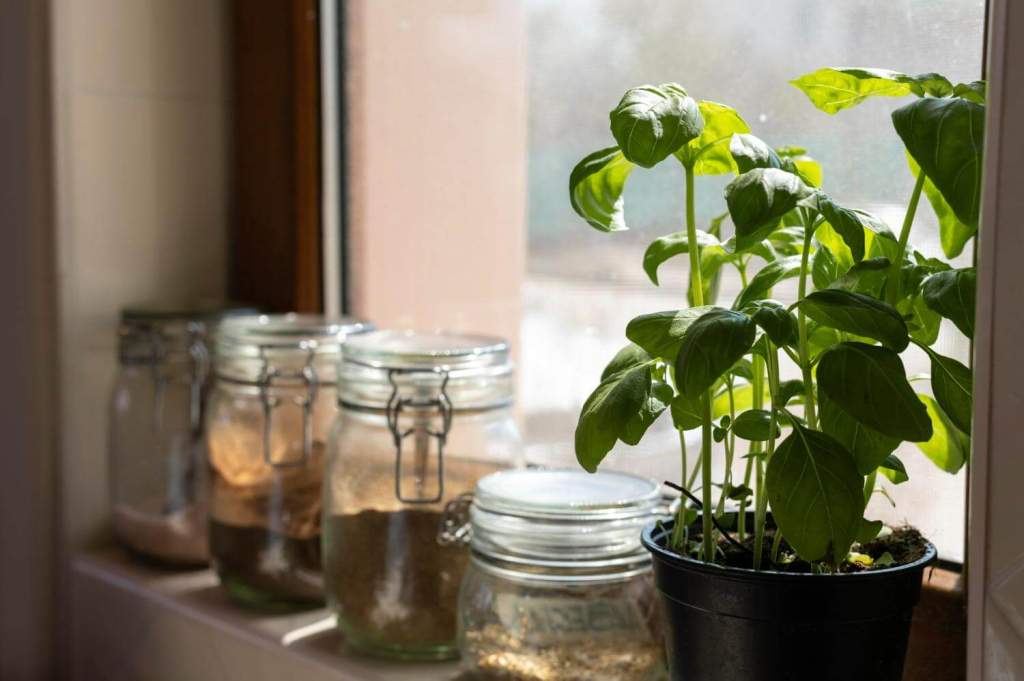
Image source: https://www.magnific.com/free-photo/jars-plant-arrangement_14351720.htm
When Grow Lights Help Herb Plants Grown Indoors
Natural light is not always sufficient, especially during periods of prolonged rain. In these situations, supplemental grow lights can help maintain healthy growth.
Using grow lights allows gardeners to grow herbs indoors even in spaces where natural sunlight is limited.
Managing Full Sun, Partial Shade, and Indoor Conditions
Different herbs respond differently to light levels. While rosemary and thyme prefer full sun, some herbs can tolerate partial shade during the hottest periods of the day.
Ideal temperatures for most herb plants fall between 18°C and 24°C. Maintaining good airflow indoors also helps reduce disease pressure.
Bringing Outdoor Herbs Indoors During Challenging Weather
Heavy rains and strong winds can damage delicate plants. Some container-grown herbs can be brought indoors temporarily when weather conditions become unfavorable.
This flexibility is one reason containers remain popular among urban gardeners.
Growing Herbs: Essential Care for Healthy Plants
Once herbs are established, consistent maintenance determines their flavor, productivity, and longevity.
Watering When the Soil Feels Dry Without Causing Excess Water Problems
One of the most common mistakes in growing herbs is overwatering. A simple rule is to water when the soil feels dry rather than following a rigid schedule.
Excess water can damage roots and reduce plant vigor, especially in herbs that prefer drier conditions. Well-drained soil remains essential for preventing these issues.
Feeding Herbs With Compost and Regular Nutrients
Although herbs are generally not heavy feeders, occasional fertilization supports healthy development. Applying compost and a diluted liquid fertilizer once a month can encourage steady growth without excessive foliage production.
Balanced nutrition helps plants produce stronger stems, healthier leaves, and improved flavor.
Encouraging Bushier Growth Through Strategic Harvesting
Regular harvest encourages bushier growth and healthier plants. Rather than removing large sections at once, trim stems gradually to stimulate branching.
Consistent harvesting also prevents many herbs from becoming leggy and unproductive.
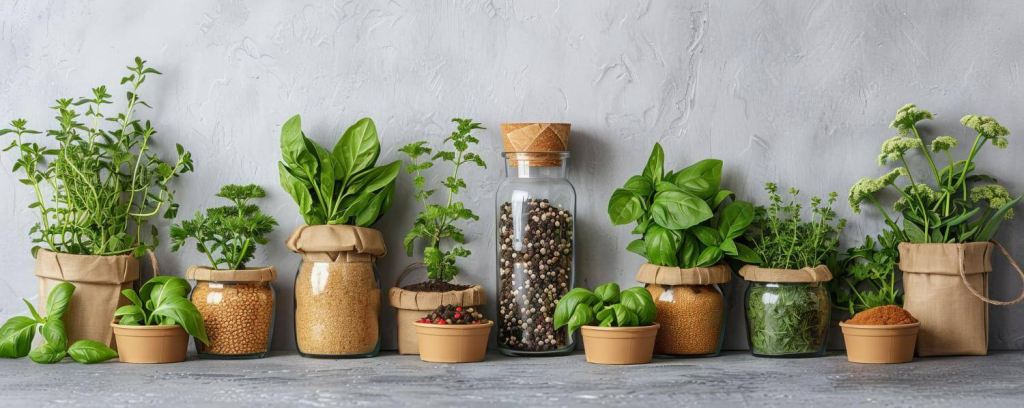
Supporting New Growth Throughout the Growing Season
Monitoring plants for signs of stress allows gardeners to address issues early. Removing damaged foliage and encouraging new growth helps maintain productivity throughout the year.
Over time, healthy maintenance routines contribute significantly to a thriving herb garden.
Expanding Beyond the Basics With More Herbs to Grow
After mastering common kitchen staples, gardeners can introduce additional varieties that broaden culinary possibilities.
Summer Savory as a Versatile Herb for Filipino Kitchens
Summer savory remains less common than basil or parsley but deserves consideration. This versatile herb offers a peppery flavor that complements meat dishes, vegetables, and soups.
It grows well in containers and can be a rewarding choice for gardeners seeking something different.
Growing French Tarragon for Distinctive Taste and Aromatic Leaves
French tarragon is prized for its distinctive flavor and fragrant foliage. Its aromatic leaves are widely used in European cooking and pair particularly well with poultry, fish, and creamy sauces.
Although slightly more demanding than basil or chives, it can thrive with proper care and drainage.
Exploring Other Herbs for Greater Variety and Freshness
Other herbs worth considering include sage, dill, oregano, rosemary, thyme, and additional culinary favorites suited to tropical gardening.
Residents in communities such as Camella Iloilo often use balconies, patios, and compact outdoor spaces to cultivate herbs, demonstrating that productive gardens are possible even in limited areas.
Harvesting and Using Fresh Herbs at Their Peak
Proper harvesting techniques help maintain plant health while delivering the strongest flavor in the kitchen.
How to Harvest Tasty Leaves for the Best Flavor
Harvest herbs during active growth periods and focus on collecting tasty leaves before plants begin flowering heavily.
Morning harvests often provide excellent quality because essential oils are more concentrated. Regular trimming also supports continued production.
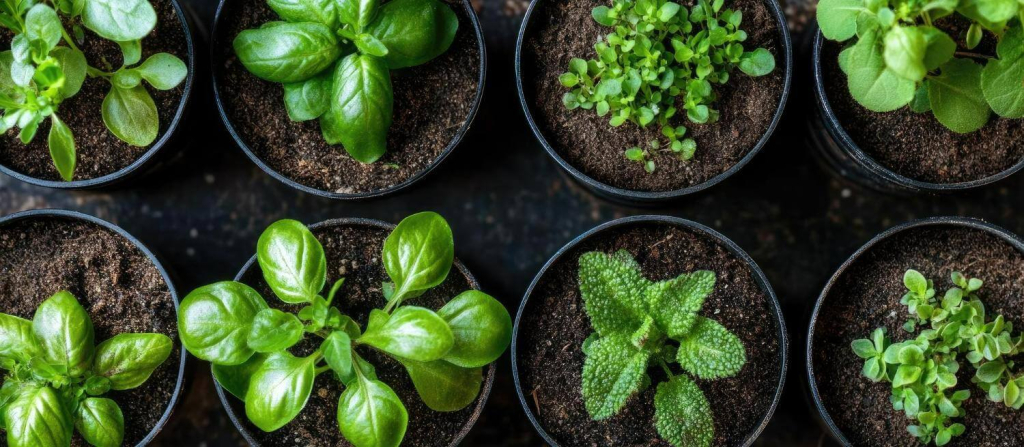
Image source: https://www.magnific.com/premium-photo/overhead-view-various-potted-herbs_411542552.htm
Using Fresh Herbs, Dried Herbs, and Essential Oils
Fresh herbs are ideal for immediate use, while dried herbs allow long-term storage. Some gardeners also appreciate herbs for their aromatic properties and naturally occurring essential oils.
Different preparation methods create different flavor profiles, making herbs highly adaptable ingredients.
Conclusion: Enjoying the Rewards of Growing Herbs at Home in the Philippines
Starting a herb garden does not require extensive gardening experience or a large property. With suitable soil, adequate sunlight, thoughtful plant selection, and regular care, anyone can cultivate herbs successfully in the Philippines.
Whether you choose basil, rosemary, parsley, chives, mint, thyme, oregano, or other favorites, the experience of harvesting ingredients from your own garden brings a unique sense of satisfaction. Over time, those small containers or garden beds can become a dependable source of freshness, flavor, and enjoyment throughout the year.