





Image source: https://www.magnific.com/free-photo/pretty-woman-visiting-doctor_5535611.htm
Introduction
The modern paradigm of public health emphasizes that long-term physical wellness forms the true bedrock of any sustainable lifestyle strategy in the Philippines. As families focus on building secure, health-conscious households for 2026, protecting internal biology from preventable viral pathogens has emerged as a paramount priority. Embracing a comprehensive approach to preventative medicine shields the family unit from unexpected disruptions, fostering a life of longevity and vital peace of mind.
By recognizing the critical role that a definitive guide to preventing hepatitis plays within daily routines, individuals can systematically eliminate the subtle entryways that dangerous pathogens exploit to preserve their family’s well being.
What Is the Clinical Reality of Viral Hepatitis in the Philippines?
At the very core of this public health initiative is a clear understanding of the systemic damage wrought by viral hepatitis. When a virus infiltrates the body, it initiates a silent, progressive cellular inflammation within the liver tissue. Left unchecked, this persistent inflammation triggers a cascade of debilitating health problems over time, quietly eroding the organ’s ability to filter metabolic waste, synthesize essential proteins, regulate blood chemistry, thereby producing infected blood. Mitigating this increased risk requires a diligent framework built upon strict household sanitization, such as the use of targeted effective vaccine and scheduling regular medical check-ups to prevent infections and intercept the pathogen before it can establish a permanent foothold.
Navigating the landscape of viral hepatitis requires a meticulous understanding of the distinct strains of the hepatitis virus that threaten domestic communities. Because infection caused by many of these variants produce no visible symptoms during their initial phases, achieving an early diagnosis through proactive screening remains absolutely vital to reduce the widespread risk of community transmission. Each variant possesses its own structural signature, transmission pathway, and clinical progression, meaning that a uniform strategy is insufficient to counter the broad biological challenge. In the local context, epidemiological data indicates that hepatitis B affects approximately one in eight adults in the Philippines, rendering it an urgent concern for domestic households.
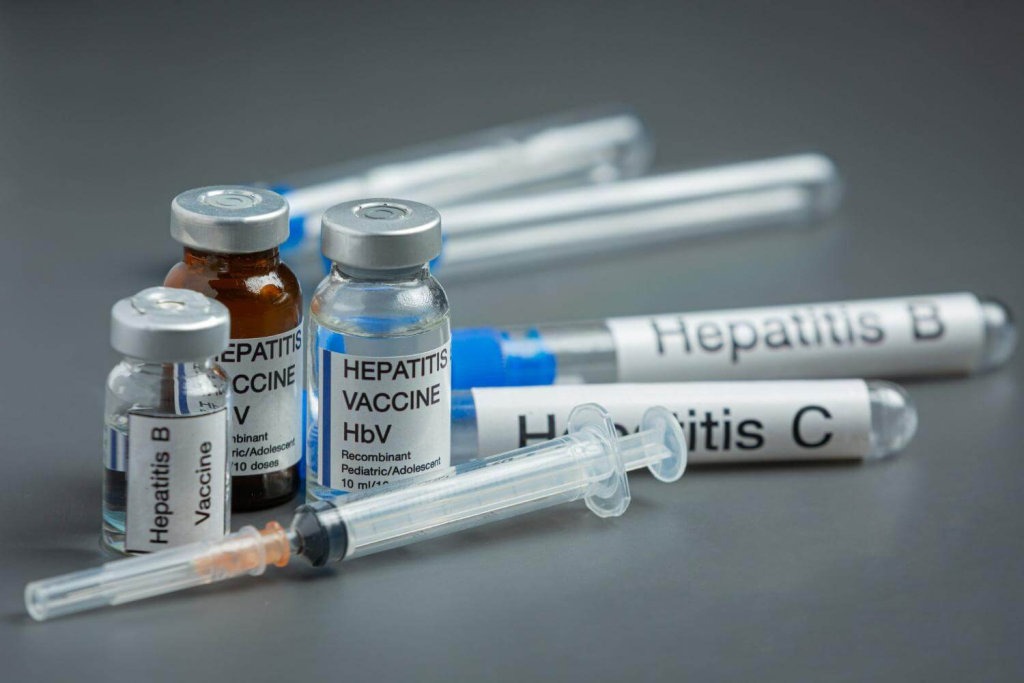
Image source: https://www.magnific.com/free-photo/world-hepatitis-day-concept-with-medical-tools-pills-placed-gray-surface_15639915.htm
Understanding the Transmission Patterns of Hepatitis A and Hepatitis E
The epidemiological profiles of hepatitis a and hepatitis e are closely linked to environmental hygiene and sanitary infrastructure. The primary vector for hepatitis a involves the classic fecal-oral route, occurring when an individual consumes contaminated food or utilizes water systems compromised by nearby waste. Similarly, food contaminated by poor hygiene practices during commercial preparation or home cooking serves as a primary driver of this sudden liver infection. While hepatitis a presents an acute illness requiring proper hygiene and supportive therapy, the waterborne threats of hepatitis e similarly multiply in areas with inadequate municipal water treatment or agricultural runoff, presenting an acute risk for vulnerable groups.
The Clinical Progression of the Hepatitis B Virus
The burden of the hepatitis b virus introduces a far more complex medical trajectory. Upon exposure, a hepatitis b infection may initially manifest as a mild, unnoticed systemic malaise, but its true danger lies in its capacity to transform silently into a chronic disease. For millions of individuals worldwide, the persistent presence of the virus morphs into chronic hepatitis b, a condition where the pathogen embeds its DNA directly into the host’s cells. This lifelong battle continuously exhausts the body’s immune defenses, creating a permanent state of vulnerability.
The Critical Health Risks Associated with Hepatitis B and C
A broader comparative analysis of hepatitis b and c reveals that both are bloodborne pathogens capable of causing long-term, irreversible liver damage. While both strains spread via contaminated blood, intimate physical contact, and other body fluids, hepatitis c is notorious for its exceptionally high rate of chronicity, transitioning into a chronic infection, leading to even liver cancer, to in the vast majority of exposed individuals. The coexistence of hepatitis b and c within public health statistics emphasizes the distinct challenges they pose; type B can often be completely intercepted at birth, whereas type C frequently replicates silently for decades without presenting a single warning sign.
The Co-Infection Dynamics of Hepatitis D
The clinical impact of hepatitis d introduces a strict biological dependency, as it acts exclusively as a satellite virus that requires the structural shell of another pathogen to replicate. Consequently, hepatitis d only infects individuals already suffering from an active chronic infection of type B. This dangerous co-infection compounds the severity of chronic liver disease, accelerating cellular deterioration and leaving the patient facing an elevated risk of rapid medical decline.

Image source: https://www.magnific.com/premium-photo/woman-child-are-washing-their-hands-with-soap-bathroom-sink_273048802.htm
How Do Clinical Interventions and Vaccines Drive Hepatitis Prevention?
Combatting these viral threats demands a combination of proactive medical protocols, modern therapeutics, and improved access to institutional care. Clinical interventions function as the definitive wall against infection, deploying advanced biological shields to halt transmission before exposure can occur.
Achieving Immunity via the Highly Effective Hepatitis B Vaccine
The most robust defense against bloodborne transmission relies on the highly effective hepatitis b vaccine, which has revolutionized long-term liver health over the past few decades. A standard medical protocol dictates that vaccines for hepatitis A and B are highly effective, with a complete hepatitis b vaccination requiring a three-dose series to stimulate proper antibody production. Public health mandates specify that vaccination against hepatitis b is recommended for all infants at birth to eliminate mother-to-child transmission routes, ensuring that individuals remain fully vaccinated long before entering higher risk environments.
The Core Protective Value of the Hepatitis A Vaccine
Similarly, the hepatitis a vaccine delivers reliable protection against foodborne epidemics. Administered in a mandatory schedule, the hepatitis a vaccine requires two doses six months apart to establish permanent biological defenses. Medical guidelines state that the hepatitis a vaccine is recommended for children starting at age 1, which significantly reduces childhood outbreaks and safeguards the home from accidental exposures via school environments or shared public dining.
The Importance of Strategic Screening and Early Detection
Beyond immunization, the early detection of silent infections relies on routine screening frameworks. A standard diagnostic blood test is highly effective at identifying the presence of viral particles long before physical symptoms surface. For example, all pregnant women should be tested for hepatitis B during routine prenatal visits, allowing healthcare providers to administer timely immune globulin interventions alongside the vaccine to the newborn at birth, effectively blocking vertical transmission. Regular health check-ups can help significantly in early diagnosis and protect people infected from passing the virus to others.

Image source: https://www.magnific.com/free-photo/side-view-male-chef-washing-vegetables_11228941.htm
Modern Treatment Landscapes: Antiviral Medicines and Therapeutic Realities
For individuals already diagnosed with a chronic disease, the modern treatment landscape offers powerful management options. While there are currently no approved vaccines for hepatitis C or E, advanced antiviral medicines have transformed the prognosis for these conditions. These specialized pharmaceuticals can successfully clear a chronic hepatitis c infection in a matter of weeks, lowering the viral load to undetectable levels, reducing internal tissue strain, and altering the long-term prognosis for chronic sufferers. Furthermore, proper vaccination can prevent hepatitis D in those already infected with B by stopping further strain exposure.
What Residential and Environmental Habits Block Household Contamination?
While clinical protocols establish individual biological immunity, everyday residential habits create the physical barrier necessary to maintain a pathogen-free home. Hardening the living environment requires a deliberate focus on hygiene standards, clean water access, and the elimination of behavioral risk factors across all daily activities.
Eliminating Pathogen Entryways Through Safe Dietary and Food Hygiene Practices
Preventing foodborne strains depends on managing the domestic kitchen and water supply. Implementing simple prevention tips, such as washing hands regularly with clean soap to prevent hepatitis A and E, dramatically cuts exposure risk. Drinking bottled water in areas with poor sanitation prevents hepatitis A and E, eliminating the risk of consuming items contaminated by improper handling. Ensuring that food preparation areas are completely sanitized and that raw ingredients are thoroughly cooked removes the danger of food contamination.
Mitigating Exposure Risks Associated with Bodily Fluids and Personal Items
Securing the private household involves enforcing strict boundaries regarding items that come into contact with bodily fluids or microscopic traces of blood. Within modern residential settings, such as the master-planned communities of Camella Verra Metro North, families can seamlessly integrate these wellness principles into their premium lifestyle. Homeowners must ensure that personal items capable of carrying hidden pathogens—such as nail clippers, toothbrushes, and razors—are never shared between family members or guests. Avoiding the sharing of personal items avoids bloodborne transmission of hepatitis B and C through minor skin abrasions.

The Importance of Harm Reduction and Safe Sex Practices
Addressing bloodborne strains also requires a candid approach to behavioral harm reduction. Individuals must practice safe sex and maintain open health communication with sexual partners, using condoms consistently to reduce the risk of hepatitis B and C transmission during intimate contact. Furthermore, avoiding the sharing of needles or any non-sterile cosmetic equipment completely eliminates the direct contact pathways that allow bloodborne viruses to spread across communities, helping to prevent viral hepatitis entirely.
What Are the Long-Term Consequences of Unmanaged Chronic Liver Disease?
The fundamental objective of hepatitis prevention is to preserve the long-term functional integrity of the liver, shielding it from the quiet deterioration caused by chronic infection. When viral replication remains unmanaged for years, the host faces severe complications that can permanently shorten life expectancy.
Preventing the Fatal Shift Toward Liver Cirrhosis and Liver Failure
Prolonged inflammation inside the liver gradually replaces healthy tissue with dense scar tissue. This condition, known as liver cirrhosis, progressively chokes the organ’s intricate vascular network, drastically reducing its operational capacity. As healthy cells diminish, the body slips toward complete liver failure, a life-threatening medical emergency where the body loses its capacity to clear internal toxins, necessitating intensive medical intervention or emergency organ transplantation. Additionally, excessive alcohol consumption can worsen liver damage in individuals with chronic hepatitis, highlighting the importance of holistic wellness choices.
Combating Liver Cancer and Hepatocellular Carcinoma
The final, most destructive milestone of untreated viral duplication is the development of malignant tumors. Preventing hepatitis is crucial to avoid severe long-term illness, including liver cancer, because chronic hepatitis B can lead to liver cancer if untreated. The persistent cellular damage caused by chronic strains directly induces genetic mutations, culminating in hepatocellular carcinoma, an aggressive type of liver cancer. Intercepting the disease early via regular screenings remains the single most reliable way to avoid this diagnostic outcome, demonstrating that proactive prevention is an investment in long-term survival.
A Unified Call to Action for World Hepatitis Day and Beyond
As the global community approaches World Hepatitis Day, healthcare workers, local leaders, and middle income countries must intensify efforts to raise awareness regarding these preventable diseases. By strict screening of donated blood and organs, medical institutions effectively eliminate transfusion-transmitted infections. Improving access to modern diagnostics, expanding infant vaccination programs, and destigmatizing regular health check-ups will significantly reduce new hepatitis infections. Investing in preventative health education empowers families to safeguard their homes, ensuring a vibrant, prosperous, and disease-free future for generations to come.