




Image source: Magnific
The vital role of nutrition in shaping multi-generational family well-being remains a foundational cornerstone of a thriving society. Across the Philippines, households are increasingly recognizing that the choices made at the dining table echo throughout a person’s life, influencing everything from daily cognitive clarity to physical longevity. Ensuring that every generation has access to the essential blocks of health requires a proactive approach toward dietary education and community support.
An overview of the annual health and dietary milestones observed throughout the country highlights the collective dedication necessary to reverse chronic lifestyle trends. By establishing intentional, nourishing habits today, modern Filipino households are transforming their living spaces into environments where wellness can occur naturally. A collective look at how conscious food and beverage choices protect long-term vitality shows that achieving your healthiest life is a shared family journey.
Why Celebrating National Nutrition Month Matters
As the country faces shifting modern lifestyles, dedicated health observances provide a vital framework for institutional change and domestic awareness. National Nutrition Month is celebrated every July across provinces and major city centers alike. The celebration of Family Health and Nutrition Month serves as an essential period to realign household routines with scientifically backed dietary paradigms. Ultimately, National Nutrition Month promotes healthy eating and informed food choices to systematically lower systemic nutritional gaps.
By closely following this year’s theme, households can better understand how localized, structural shifts in daily eating behaviors directly reduce susceptibility to lifestyle-related conditions. This annual event acts as a nationwide reminder that the overall well-being of the family unit is directly tied to the accessibility of nutrient-dense nourishment.
Cultivating Awareness on Dietary Education
A cornerstone of National Nutrition Month is expanding community knowledge regarding informed food choices. Empowering family providers to prioritize healthy food choices ensures that daily market purchases emphasize high-quality, unrefined items over fast options. Actively substituting chemically enhanced alternatives with whole, healthy foods establishes a robust bodily baseline that serves as the first line of proactive medical defense.
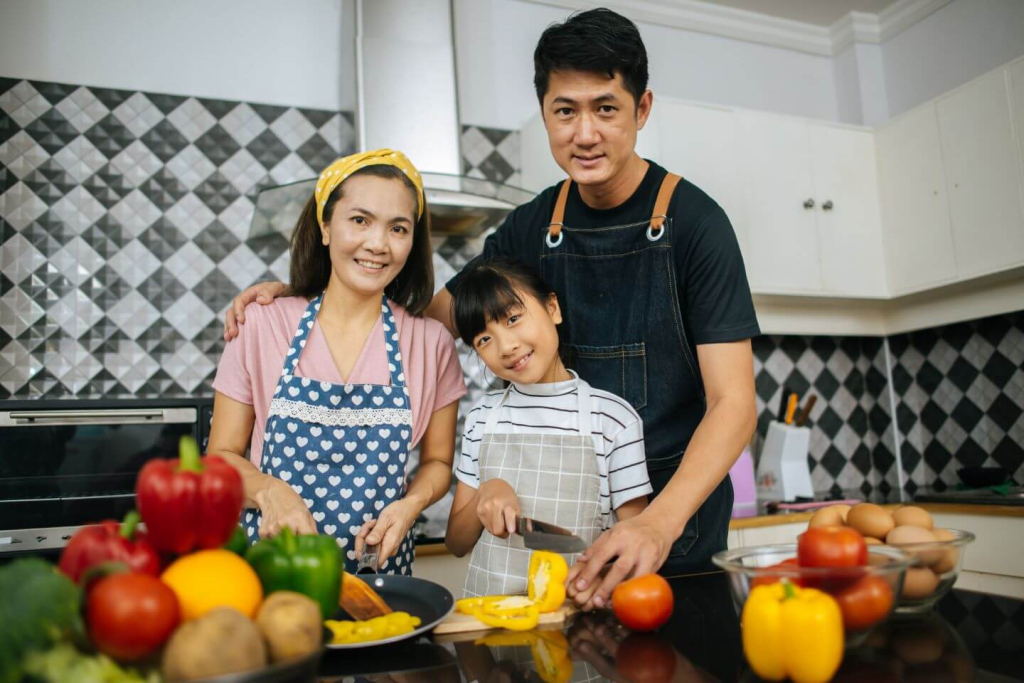
In the Philippines, where the availability of processed foods has grown rapidly, education regarding the composition of our daily meals is more critical than ever. Families are encouraged to discover how small changes in preparation methods can mitigate the risk of developing preventable metabolic conditions. By making nutrition a personal priority, household providers can ensure that their family’s health is safeguarded through structural education and shared culinary awareness.

Image source: https://www.magnific.com/free-photo/medium-shot-woman-kid-cooking-together_43700208.htm
Key Observations and Professional Milestones Marked by Healthcare Workers
The yearly advocacy calendar is heavily influenced by prominent wellness campaigns led by specialized healthcare practitioners. Celebrated annually, these structural events highlight the invaluable contribution of medical professionals who guide the public toward sustainable behavioral alterations.
For instance, Registered Dietitian Nutritionist Day is on the second Wednesday in March, serving as an important milestone to honor the clinical experts designing targeted dietary plans.
These campaigns provide the resources and empirical guidelines families require to make informed decisions for their futures. The Academy of Nutrition and Dietetics leads National Nutrition Month activities on a macro scale, working closely with local healthcare providers to ensure accurate information distribution.
Directly following this, NDTR (Nutrition and Dietetics Technician, Registered) Day is celebrated on the second Thursday in March to recognize the essential nutrition and dietetics technicians who support large-scale community wellness drives. These campaigns, organized closely with leadership from organizations like the Academy of Nutrition and Dietetics, provide the resources and empirical guidelines families require to make informed decisions for their futures.
Small Changes That Shift Community and Family Paradigms Toward Holistic Nourishment
True progress across the country does not demand unsustainable, overnight dietary restrictions; instead, it thrives on minor, consistent enhancements. Focusing on balanced food selections during your routine market visits allows households to slowly phase out items high in empty calories. This strategic transition empowers every person to take charge of their daily health with confidence, ensuring that the community works collectively toward a highly energetic, disease-free environment.
Building a Well-Balanced Diet From Local Bounty and Mindful Choices
Achieving an editorially polished approach to home wellness begins with structural meal design. A well-balanced diet is the ultimate shield against multi-generational health vulnerabilities, strengthening immune systems and optimizing basic physiological processes. Proper nutrition strengthens immune systems and lowers disease risk, providing families with a daily baseline of physical resilience. Translating clinical dietary concepts into practical kitchen workflows requires a thorough understanding of what goes into every dish and beverage.
Selecting Whole Grains, Seasonal Produce, and Fresh Fruits and Vegetables
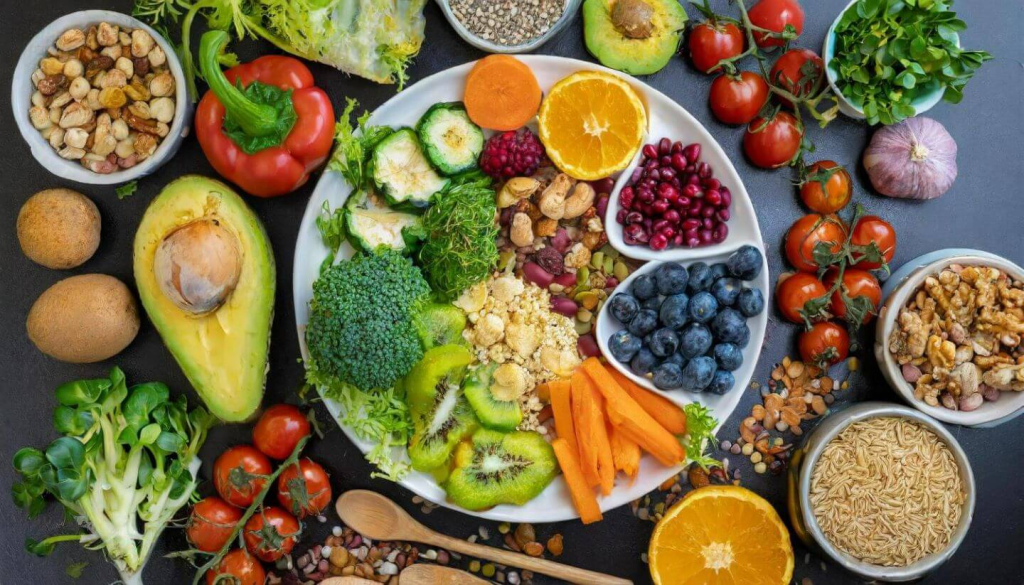
To structure a plate that aligns with global standards such as the USDA’s MyPlate model, building around local, accessible agricultural ingredients is essential. Incorporating a vibrant variety of fruits and vegetables guarantees a natural intake of vitamins and trace minerals. Choosing whole grains over polished alternatives ensures a sustained release of energy throughout the day, which directly supports a household’s cognitive performance and physical stamina. Furthermore, sourcing seasonal produce from local Philippine markets maximizes nutritional density while managing the average family’s monthly grocery allocations.
Decoding Food Labels
A critical skill in modern health optimization is the ability to read and analyze commercial food labels accurately. Many packaged products utilize marketing terms that obscure high amounts of refined sodium and chemical preservatives. By actively checking ingredient distributions, it becomes much simpler to limit empty calories from unhealthy fats and sugary foods that often populate local grocery shelves.
By actively checking ingredient distributions and calorie counts, caregivers can successfully minimize the purchase of items that do not contribute to a well-balanced diet. Prioritizing home cooking over industrial fast foods remains one of the most effective ways to lower the family’s aggregate exposure to harmful artificial fats.
The Impact of Essential Nutrients on Reducing Disease Risk
According to data emphasized by the WHO, nutrition is critical for health and development across all stages of human life. Consuming balanced meals supports mental health and chronic disease prevention by nourishing neurological pathways and balancing overall internal cellular pathways. Consuming adequate amounts of macro and micronutrients significantly lowers the risk of chronic cardiovascular and metabolic disruptions. Before starting any restrictive dietary regimen, scheduling a formal consultation with a certified medical professional can ensure that personal meal plans perfectly meet the physiological demands of your body.
Transitioning to Mindful Beverage Choices and Proper Hydration
True dietary success involves monitoring not just what you eat, but also what you drink. Commercial juices and sodas often introduce massive amounts of sugar into the body, causing sudden spikes in glucose levels. Committing to consistent, clean hydration throughout the day preserves metabolic balance and flushes toxins out naturally. Replacing sugary refreshments with pure water or unsweetened infusions is a vital habit that enhances overall systemic performance.
Establishing Healthy Habits and Forming Positive Routines
Building positive routines as a family is essential for promoting healthy habits that last a lifetime. Children absorb environmental cues from their immediate surroundings, meaning that parental actions inside the household directly dictate the next generation’s relationship with food. Transforming meal times into structured, educational interactions allows parents to demonstrate healthy eating habits seamlessly.
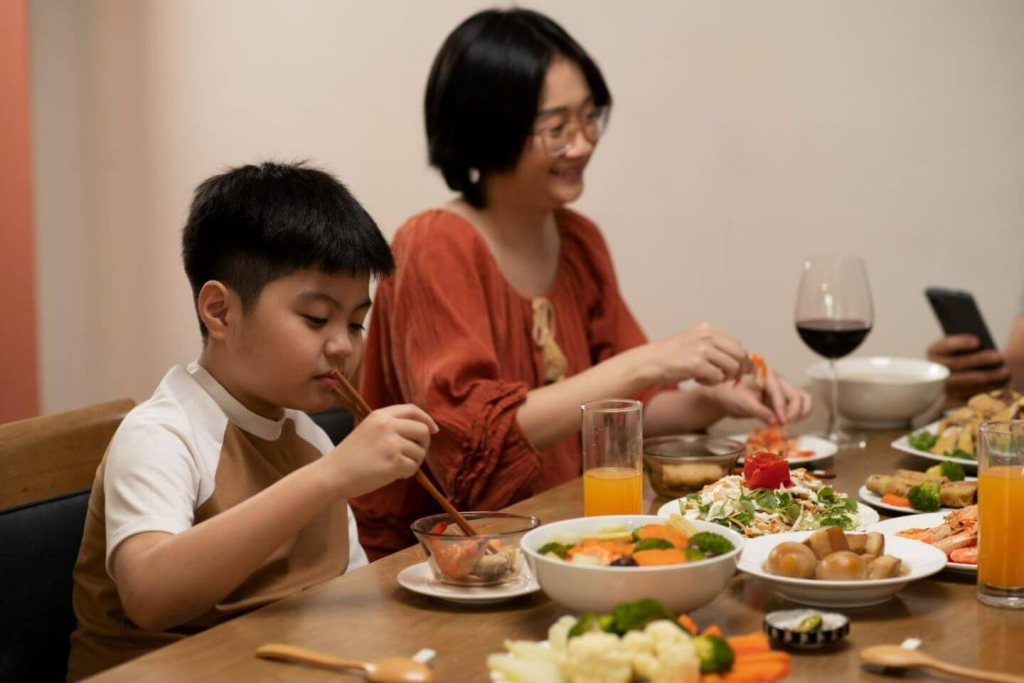
Image source: https://www.magnific.com/free-photo/asian-family-eating-together_29016524.htm
Strategies for Caregivers to Introduce New Dishes
It is entirely natural for growing children to express hesitation when presented with unfamiliar ingredients; in fact, behavioral research indicates it may take up to 20 attempts for a child to try a new food successfully. Caregivers can overcome this resistance by letting kids choose between different seasonal items at the market, as involving children in food decisions increases their likelihood of trying new foods.
Furthermore, data proves that children are more likely to try healthy options when involved in food prep tasks, such as washing local vegetables or mixing ingredients together in the kitchen. When children are actively involved in food decisions, their likelihood of trying new foods increases significantly, making meal times a collaborative victory rather than a source of domestic friction.
Caregivers can explore innovative wellness platforms to gather practical culinary ideas that make daily food preparation simpler. Swapping traditional, calorie-dense preparation workflows with local recipes allows parents to elevate the nutritional footprint of family favorites without sacrificing authentic Filipino flavors.
Structuring Regular Family Meals to Reinforce Emotional Security
Eating regular meals together provides a foundational anchor for a family’s mental health and social development. These structured instances reduce the habit of unhealthful grazing between meals, helping children manage hunger and develop natural satiety rhythms. Moreover, a stable dining environment allows parents to monitor food safety guidelines closely, ensuring that raw items are washed thoroughly and proteins are cooked to an internal temperature of 160°F to neutralize pathogens.
To master these safety standards, household heads can participate in specialized community cooking classes where they can learn advanced food handling techniques from culinary professionals. The open communication shared around a dinner table also builds deep psychological resilience and reinforces emotional connections across generations.
Integrating Physical Activity and Structured Play into the Daily Lifestyle
A truly comprehensive wellness routine pairs optimal dietary strategies with consistent physical activity. Master-planned residential environments, such as the peaceful neighborhoods within Camella Manors Caloocan, offer the ideal infrastructure for families aiming to step outside and remain active together. Including structured play in family routines promotes children’s physical health, helping them build strong bones and cardiovascular endurance. Whether it is taking an evening walk along secure paths or playing sports in community spaces, an active environment ensures that wellness extends far beyond the kitchen walls.

Prioritizing the Health and Promoting Maternal Well-Being
A long-term look at generational fitness requires prioritizing the health of pregnant women, as maternal nutrition directly establishes the physiological baseline for a child’s future development. Better nutrition improves infant, child, and maternal health, breaking historical cycles of developmental deficiencies. During pregnancy, a woman’s body requires focused, specific adjustments to support the growth of new life safely.
Caloric Requirements, Protein Benchmarks, and Essential Prenatal Vitamins
To support fetal tissue development, pregnant women need an additional 300 calories daily during the second and third trimesters. This energy increase should come from clean, whole sources rather than processed alternatives. Meeting a daily benchmark of 60 grams of protein is essential for proper cellular growth. Additionally, medical guidelines emphasize that women should start prenatal vitamins, particularly folic acid, at least one month before conception to protect the infant’s early neural development.
Managing Physical Wellness to Lower Risk for Mother and Child
Controlling what enters the body during this critical period lowers maternal complications and supports an ideal birth weight. Clinical recommendations identify a recommended weight gain during pregnancy of 25-35 lbs for a woman with an average pre-pregnancy baseline. To manage cardiovascular stress and protect fetal sleep patterns, it is highly recommended to limit caffeine intake to less than 400mg daily. Adhering to these strict boundaries ensures that the maternal environment remains entirely safe, supportive, and geared for a successful delivery.
Consulting Healthcare Professionals for Guidance Throughout the Pregnancy
Because every maternal profile is entirely unique, general guidelines should always be verified by specialized practitioners. Scheduling consistent prenatal check-ups ensures that any specific nutrient deficiencies are addressed promptly. Cultivating a close relationship with an obstetrician or a registered dietitian gives expecting mothers the confidence and clarity needed to navigate their pregnancy successfully, ensuring a vibrant start for the incoming generation.
Conclusion
Nourishing every generation requires an enduring commitment to education, structural household discipline, and mutual community support. As progressive developments remain committed to fostering multi-generational vitality, residents are encouraged to join regional advocacy movements that champion collaborative well-being.
By giving importance to the value of nutrition, families can transform daily meal preparation into a mindful, shared experience. Families can secure an invaluable legacy of long-term wellness. Small, deliberate selections made each day accumulate into powerful transformations, shielding our loved ones from preventable illnesses. Let us continue to share this vital knowledge, access reliable community resources, and prepare our households for a bright, healthy, and highly energetic future.