





Image source: Magnific
Becoming a parent changes life in ways that no book, video, or parenting class can fully prepare you for. Whether you are welcoming your first child or adjusting to life with a newborn after months of pregnancy, the transition can feel exciting, emotional, and sometimes overwhelming.
This guide for first-time parents is designed to help Filipino families navigate the early stages of caring for a new baby. From feeding and sleep, hygiene and safety, to disease control, understanding the basics can help new parents feel more confident during the first few months of their baby’s life.
What Should New Parents Expect During the First Weeks?
The first weeks after birth are often filled with learning, adjustment, and uncertainty. Many parents wonder whether their baby’s behavior is normal, how often they should feed, and what signs indicate healthy development.
Why a New Baby Can Make the Early Days Feel Overwhelming
Bringing home a new baby can make even simple daily routines feel different. New parents often find themselves adapting to frequent feedings, irregular sleep patterns, and the responsibility of caring for a completely dependent child.
The early days can be especially challenging because many newborns sleep, wake, cry, and feed at unpredictable times. It is normal to feel tired, emotional, and unsure. Parents should remember that confidence develops through experience, not perfection.
Support from family members can make a significant difference during this period. Having trusted relatives or friends available for practical help allows parents to focus on bonding with their baby and recovering from the physical demands of birth.
What Is Normal for Newborn Babies After Birth
Newborn babies spend much of their time sleeping. Most infants sleep between 14 and 17 hours throughout 24 hours, though sleep often occurs in short stretches lasting around two hours to four hours at a time.
Many newborns wake frequently because their small stomachs require regular feeding. A newborn may also experience hiccups, sneezing, and irregular sleep patterns, all of which are usually normal.
During the first week and beyond, parents may notice changes in their baby’s skin, bowel movements, and feeding habits. Monitoring these developments can provide reassurance that a baby is adapting well to life outside the womb.
A Few Tips for Adjusting to Life With Your First Child
One of the most valuable tips for first-time parents is to focus on essentials rather than trying to master everything immediately. Newborn care generally revolves around three core areas: feeding, hygiene and safety, and healthy sleep habits.
Accept help when it is offered. Rest whenever possible. Keep expectations realistic. The beginning of parenthood is a period of adjustment, and every family progresses at its own pace.
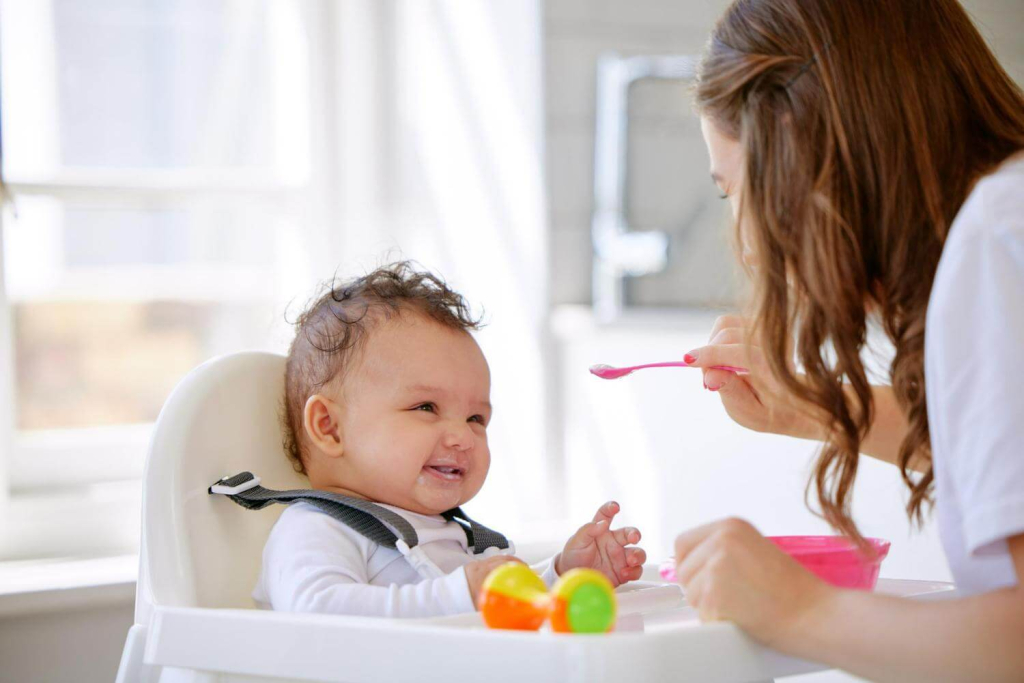
How Should You Feed a Newborn During the First Few Months?
As parents settle into their new routine, feeding becomes one of the most important parts of daily care. Understanding hunger cues, growth patterns, and feeding options helps build confidence from the beginning.
Getting Started With Breast Milk and Breastfeeding
Breast milk provides important nutrients and antibodies that support a baby’s developing immune system. Health professionals often encourage breastfeeding to begin within the first hour after birth when possible, as newborns are often alert and ready to feed.
During the first few months, breastfeeding works best when parents respond to feeding cues rather than following a rigid schedule. Feed your baby whenever they show signs of being hungry, such as rooting, sucking on fingers, or becoming more alert.
Most newborn babies need to feed 8 to 12 times each day. Frequent feeding helps establish milk production while ensuring that infants receive enough nutrition for healthy growth.
Formula Feeding Basics for Time-Poor Parents
Formula feeding is also a safe and healthy option for many families. Formula-fed babies commonly eat every three to four hours, although individual needs vary.
Parents who choose formula feeding should follow preparation instructions carefully and consult their pediatrician regarding feeding amounts. As babies grow, the amount of milk they consume will gradually increase.
Whether using breast milk, formula, or a combination of both, the goal remains the same: ensuring that a baby receives adequate nourishment and continues gaining weight appropriately.
How Often to Feed Your Baby and Support Healthy Weight Gain
Tracking a baby’s weight is one of the best ways to assess feeding success. Pediatricians routinely monitor growth to ensure healthy development.
Parents should pay attention to hunger signals rather than focusing solely on the clock. A hungry baby may suck on fingers, turn toward a breast or bottle, or become restless.
Regular feeding supports healthy weight gain, brain development, and overall well-being. If concerns arise regarding feeding or growth, seeking professional guidance early can help address potential issues before they become more serious.

Image source: https://www.magnific.com/free-photo/newborn-baby_1186951.htm
How Can You Create Safe Sleep Habits and Reduce Sudden Infant Death Syndrome (SIDS) Risks?
Sleep safety deserves special attention because it directly affects a baby’s well-being. Establishing healthy habits early can help parents rest easier while protecting their child.
Sudden infant death syndrome (SIDS) refers to the unexpected death of an apparently healthy infant during sleep. While researchers continue studying the condition, safe sleep practices have significantly reduced cases worldwide.
Reducing the Risk of Sudden Infant Sleep-Related Incidents
To help prevent SIDS, experts recommend placing infants on their backs for every sleep period. The well-known ABC approach encourages babies to sleep “alone”, on their “backs”, and in a “crib”.
Room-sharing is encouraged during the first six months, with the baby sleeping in the same room as parents but on a separate sleep surface. This arrangement may help reduce the risk while making nighttime feeding more convenient.
Parents should avoid loose blankets, pillows, and stuffed animals inside the sleeping area. A firm crib mattress covered with a fitted sheet provides a safer environment for sleep.
Setting Up a Safe Place to Sleep With a Crib Mattress and Fitted Sheet
Every baby needs a safe place for sleep. A crib mattress that fits properly within the crib frame helps reduce potential hazards.
A fitted sheet should be the only bedding item covering the mattress. Avoid extra padding or accessories that may interfere with safe sleep practices.
Why Blankets, Stuffed Animals, and Loose Bedding Should Be Avoided
Loose blankets and stuffed animals may increase sleep-related risks for young infants. Keeping the sleep space clear allows babies to rest more safely.
Parents should also avoid placing toys or decorative items inside the crib.
Building a Healthy Sleep Routine Without Following a Strict Schedule
A sleep routine can help babies gradually learn the difference between day and night. During daytime naps, keeping rooms bright and allowing normal household sounds can be beneficial. At night, dim lighting and a quieter atmosphere support healthy sleep habits.
Newborns should not be forced into a strict schedule. Instead, many families find success with a flexible eat, play, sleep pattern that follows the baby’s natural rhythms.
Creating a calm environment with comfortable room temperatures and consistent bedtime cues can support better rest while respecting a newborn’s developmental needs.

Image source: https://www.magnific.com/premium-photo/heerful-cute-baby-having-bath-with-foam_36222746.htm
What Does Everyday Hygiene Look Like for a Newborn?
Daily care extends beyond feeding and sleep. Gentle hygiene practices help protect a newborn’s skin, comfort, and developing immune system.
Sponge Baths, Warm Water, and the First Bath
Before the umbilical stump falls off, sponge baths are usually recommended. Using a soft washcloth and warm water helps keep a baby clean without soaking the healing area.
The first bath can be an exciting milestone for parents. Gentle handling and maintaining a comfortable water temperature help ensure a positive experience.
Since newborns cannot regulate body temperature effectively, they generally benefit from wearing one additional layer of clothing compared to adults in the same environment.
Caring for the Umbilical Cord and Umbilical Stump
The umbilical cord requires minimal intervention. Parents should keep the umbilical stump clean and dry while allowing it to heal naturally.
In most cases, the stump falls off within five to fifteen days after birth. Signs of redness, swelling, or unusual discharge should be evaluated by a healthcare professional.
Protecting Baby’s Skin, Baby’s Face, and Baby’s Hair
A newborn’s skin is delicate and may develop temporary conditions such as dryness, baby acne, or mild irritation. Gentle products designed for infants are often the safest choice.
When cleaning a baby’s face, use a damp cloth and avoid harsh soaps. Baby’s hair can usually be washed with a mild baby shampoo as needed.
Families living in master-planned communities such as Camella Capiz often appreciate having convenient access to healthcare facilities, pharmacies, and family-oriented amenities that support everyday parenting needs.
How Do You Handle Diapering and Common Skin Concerns?
Diapering is one of the most frequent responsibilities during infancy. Learning proper techniques helps keep babies comfortable while preventing avoidable skin problems.
From the First Dirty Diaper to Daily Diaper Change Routines
Changing diapers quickly after a dirty diaper helps keep babies comfortable and reduces irritation. During the newborn stage, diaper changes may occur 10 to 12 times each day.
Each diaper change provides an opportunity to check for signs of discomfort, rash, or unusual bowel movements.
Parents should wash their hands before and after handling diapers to help protect infants from germs.
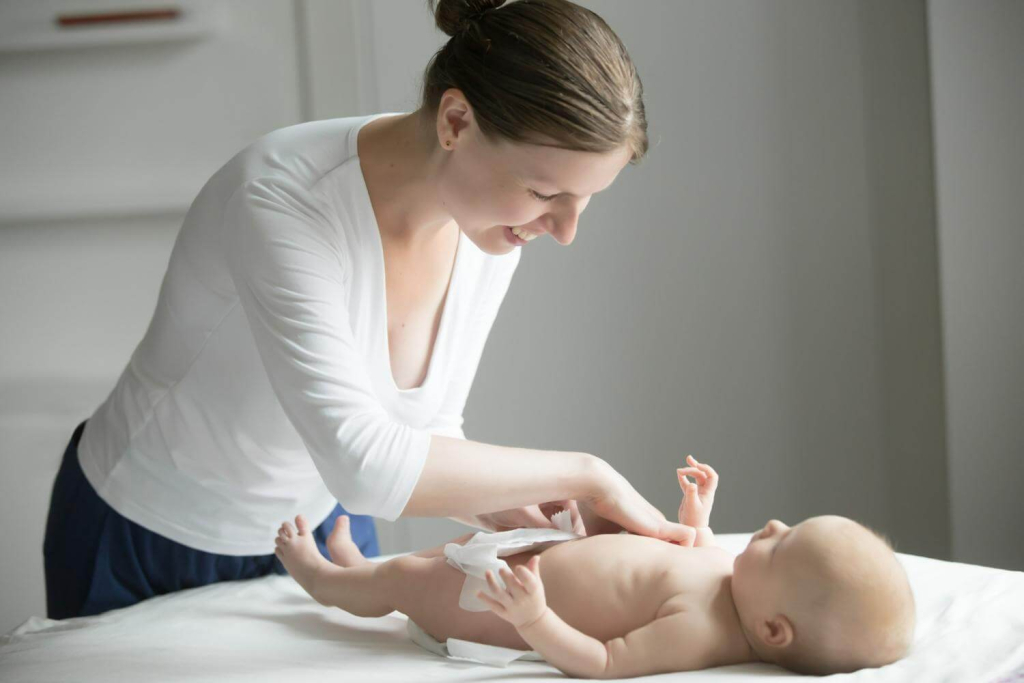
Image source: https://www.magnific.com/free-photo/portrait-young-smiling-beautiful-woman-fixing-diaper-newborn_1281414.htm
Preventing Diaper Rash and Keeping Skin Healthy
Diaper rash often develops when moisture remains against the skin for extended periods. Prompt diaper changes can significantly reduce this risk.
After cleaning the diaper area, gently dry the skin before putting on a fresh diaper. Allowing the area to air dry briefly can also help.
Selecting products designed for sensitive skin may reduce irritation and support healthy skin development.
Understanding Bowel Movements and Other Signs of Normal Development
Bowel movements vary based on feeding methods and age. Breastfed babies and formula-fed babies may have different stool patterns, colors, and frequencies.
Parents should become familiar with their baby’s normal patterns. Sudden changes may warrant discussion with a healthcare provider, especially if accompanied by fever or feeding difficulties.
Why Do Babies Cry and How Can Parents Respond?
Many newborns communicate primarily through crying. Recognizing common triggers and responding calmly can make everyday caregiving less stressful.
Common Reasons a Baby May Cry
A baby may cry because they are hungry, tired, uncomfortable, overstimulated, or seeking comfort. Sometimes a child simply wants to be held close to a parent.
Understanding these possibilities helps parents respond more effectively while reducing unnecessary worry.
Soothing Techniques That Help Stop Crying
Parents often try several approaches to stop crying, including feeding, rocking, swaddling, gentle movement, or providing a quiet environment.
Soothing techniques work best when caregivers remain calm. Babies can sense tension, which may make it more difficult for them to settle.

Image source: https://www.magnific.com/free-photo/newborn-baby-wore-white-cried-arms-mother_5897159.htm
When Hunger, Sleep, or Comfort Needs Are the Cause
If a baby continues to cry, consider whether they need sleep, a feeding, a diaper change, or physical comfort.
Over time, parents become more familiar with their baby’s signals and develop confidence in identifying specific needs.
How Can You Create a Safe Home Environment for Your Baby?
As babies spend most of their time at home during the first months, creating a secure environment becomes a central part of newborn care.
Using Cleaning Products Safely and Supporting Your Child’s Immune System
Newborns have developing immune systems and benefit from clean surroundings. Washing hands before handling a baby remains one of the simplest ways to reduce exposure to germs.
Choose cleaning products carefully and store them out of reach. Products with strong chemical residues should be used cautiously around areas where infants spend time.
Car Seat Safety for Every Trip
A properly installed car seat is essential whenever traveling with a baby. Parents should ensure the seat meets current safety standards and is appropriate for their child’s age and size.
Even short trips require proper restraint. Consistent use of a car seat helps protect infants during travel.
Fresh Air, Sunlight, and Outdoor Time for Infants
Fresh air can be beneficial for babies and parents alike. Short outdoor walks may support well-being while providing a welcome change of environment.
Parents should avoid excessive heat exposure and protect infants from direct sunlight, especially during the hottest parts of the day.
Dressing Newborns Comfortably in the Philippine Climate
The Philippine climate can be warm and humid, making lightweight, breathable clothing a practical choice for many families.
Since newborns still have difficulty regulating body temperature, parents should monitor comfort levels and adjust clothing as needed.
Conclusion
There is no perfect roadmap for raising a child, but preparation and reliable information can make the journey easier. The first months may bring challenges, yet they also offer countless opportunities for bonding and growth.
Every week brings new milestones, lessons, and moments of joy. As parents gain experience, daily caregiving becomes more familiar and less intimidating. With patience, consistency, and support, families can navigate the early stages of parenthood with greater confidence while giving their baby a healthy and secure start in life.