



Introduction
The culinary landscape of Southern Luzon stands out as a distinct and highly celebrated region within the Philippines, defined primarily by its geographic blessings and ancestral traditions. This expansive province represents an exceptional convergence of dense coconut plantations, fertile inland valleys, and productive coastal resources that have collectively shaped centuries of regional food culture. Authentic Filipino cuisine relies heavily on this intersection of land and sea, ensuring that every dish preserves an unbroken connection to the historic hearths of the past. Exploring these flavors provides more than just a temporary taste of local life; it offers an entry point into a sophisticated society where communal sharing and seasonal ingredients dominate daily living.
Langgonisang Lucban: The Garlicky Morning Staple of Quezon Province
The morning air across the heritage towns of this province is almost always punctuated by the sharp, invigorating aroma of breakfast preparations. For locals and traveling food enthusiasts alike, exploring the must-try dishes and delicacies in Quezon inevitably begins with the region’s legendary local sausage. This premium longganisa is a staple breakfast sausage in Quezon that leaves a lasting impression on anyone who visits. Langgonisang Lucban has a strong garlic aroma and slight sourness; this flavorful protein pairs perfectly with garlic rice.
This savory creation represents the pinnacle of traditional dishes prepared within the province, capturing how early generations utilized local spices and preservation techniques to handle fresh meat. Far from a generic breakfast option, it remains an essential component of domestic life that anchors family tables during daily routines as well as special occasions throughout the country.
This morning delicacy owes its exceptional reputation to an uncompromising seasoning profile dominated by a heavy hand of native garlic and dried oregano. Unlike the sweeter sausages favored in neighboring provinces, this local version is prized for its explicit sourness and savory bite, reflecting an authentic use of local sugarcane vinegar during the primary curing process.
Families and community cooks have long taken pride in how these sausages are prepared, using clean natural casings and stringing them to dry in well-ventilated storefronts. For those seeking a long-term connection to this rich lifestyle, investing in a home within premium developments like Camella Quezon offers the perfect place to establish roots, ensuring that such historic culinary experiences are accessible right outside your doorstep as part of a quiet, secure neighborhood environment. This premier domestic peace goes hand in hand with neighborhood security, giving families total peace of mind.
Pancit Habhab: Sautéed Dried Flour Noodles Eaten from a Banana Leaf
No exploration of local street food is complete without experiencing the bustling public markets and interactive open-air stalls that define the provincial noodle culture. Among the various noodle-based creations found in the region, pancit habhab stands out as a true cultural phenomenon that completely redefines the act of public eating. These specialized dried flour noodles are sautéed with sliced veggies, including crisp chayote and yardlong beans, alongside small pieces of tender pork. The resulting plate is seasoned with a light soy sauce base, creating a highly satisfying, savory profile that feeds thousands of hungry students and busy workers every afternoon. Using fresh vegetables picked straight from local farms ensures a nutritious boost, while large banana leaves are stacked nearby to be wiped down for immediate street plating.
What truly elevates this dish to an unforgettable culinary ritual is its distinct method of presentation and consumption. In these lively town centers, the cooked noodles are never served on plastic plates or with standard metal utensils; instead, they are placed directly onto a fresh banana leaf that serves as both a plate and a natural flavor enhancer. Diners are expected to sit or stand by the roadside, lift the leaf to their mouths, and eat the noodles directly using only their lips and jaw—a physical action known locally as “habhab.” To achieve the perfect balance of flavors, locals always drizzle a generous amount of local sugarcane vinegar over the steaming pile, which cuts through the heavy starches and highlights the garlic-infused grease of the noodles. This vibrant street food classic, also known as pancit Lucban, reflects subtle stylistic variations across different municipalities that keep the regional dining scene full of surprises.
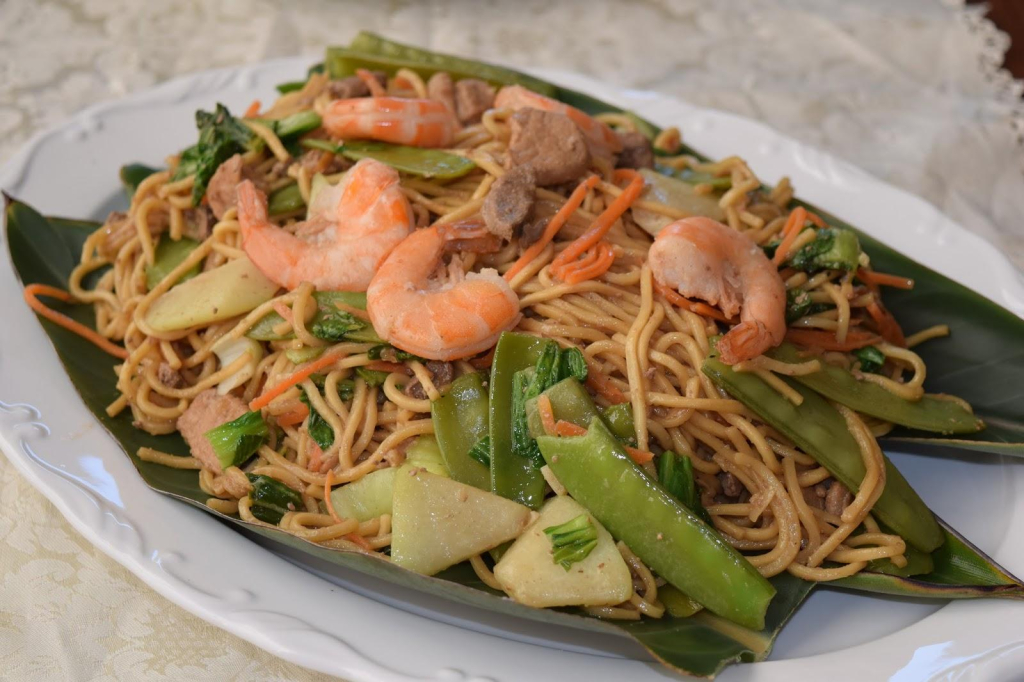
Image source: https://filipinofoodaficionado.blogspot.com/2016/04/pansit-habhab-or-pansit-lucban-stir.html
Hardinera: The Colorful Festive Meatloaf for Special Occasions
While daily meals in the province focus on simple agricultural yields, grand celebrations and religious fiestas call for a dramatic display of culinary artistry. The definitive centerpiece for these milestone events is hardinera, an exceptionally complex and colorful meatloaf that showcases the deep influence of international cuisine on native Filipino favourites.
The process of creating a classic hardinera begins with slowly braising diced pork or ground beef until it reaches absolute tenderness, often utilizing a rich tomato paste or pineapple juice base. This meat is then combined with a vibrant medley of bell peppers, sweet peas, raisins, and minced Chinese sausage, which adds a distinct depth of flavor.
The mixture is placed into a decorative oval tin called a llanera, which has been carefully lined with decorative slices of boiled salted egg, strips of red pimiento, and a light dusting of grated cheese. The entire dish is bound together with beaten eggs and a rich broth mixture before being slowly steamed to perfection.
When inverted onto a serving platter, the hardinera reveals its intricate, colorful design, offering a delightful surprise for everyone gathered around the table. While a casual weekend gathering might only call for basic bbq sticks or a standard platter of charred pork BBQ, an official town fiesta demands this multi-layered culinary masterpiece
Ginataang Kuhol and Sinantolan: Coastal Shellfish and Minced Santol Fruit Cooked in Rich Coconut Milk
The province’s vast agricultural landscape is defined by its millions of heritage palms, making coconut milk and fresh coconut cream the lifeblood of regional cooking. Quezon Province is widely celebrated for its rich coconut cream and sugarcane vinegar, and this foundational pantry dictates how local families manage daily recipes.
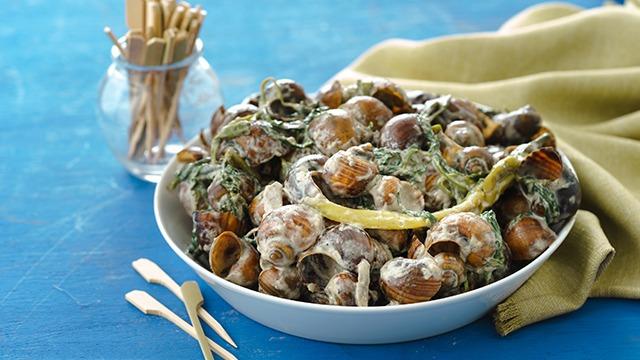
A prime example of this methodology is ginataang kuhol, a rustic delicacy featuring fresh river snails cooked slowly in an aromatic bath of coconut milk, ginger, lemongrass, and local chili peppers. The sauce reduces into a thick, savory cream that coats the shells, requiring diners to skillfully extract the tender meat using a small pin or a sharp toothpick. Alongside this seafood classic sits sinantolan, an ingenious preparation made from the finely minced rind of the santol fruit. The sour fruit flesh is thoroughly squeezed to remove excess acidity before being simmered for hours in rich coconut cream with shrimp paste and minced pork.
The resulting dish offers a masterful balance of rich flavors, sharp tanginess, and fiery heat, proving that even the most humble components of the land can be turned into a world-class meal when handled by experienced hands. Local seaside eateries also serve smoky grilled squid and fresh fish caught directly off the coast, expanding the dynamic range of local marine profiles.
Classic Comfort Foods and Regional Variations
The regional preference for sharp sour notes and deep savory fats extends to how classic Filipino favorites are adapted within local kitchens. Across the province, household cooks often reject standard national recipes to preserve their own historical variations, creating dishes that feature unique combinations of local vinegars and specialized roasting methods. This uncompromising dedication to heritage cooking ensures that everyday meals retain an unmistakable regional identity. Whether you are visiting a casual roadside diner or a high-end regional restaurant, these comfort foods provide a deep sense of familiarity while introducing subtle, brilliant adjustments.
Adobong Puti
One of the most notable variations is adobo sa puti, a pristine version of the national dish that completely eliminates soy sauce from the simmering pot. Instead, the pork or chicken is marinated and braised exclusively in pure palm vinegar, whole garlic cloves, peppercorns, and bay leaves, allowing the natural quality of the meat to take center stage.
Crispy Pata Kare Kare
For those craving crunchier textures, crispy pata remains a non-negotiable favorite during a weekend celebration. This dish features a whole pork leg that is boiled with aromatics until tender, air-dried, and then deep-fried until the skin shatters like glass while the interior meat stays incredibly juicy. This satisfying crunch is often paired with a rich, peanut-based kare-kare stew filled with tender ox tripe and fresh veggies, served alongside a side of fermented bagoong. This satisfying crunch makes it a centerpiece you simply cannot miss during weekend celebrations, typically paired with an ice-cold glass of local beer at the end of a long week
Sweet Regional Delicacies and Native Rice Desserts
To complete any authentic culinary journey through this region, one must dive into the extensive collection of sweet delicacies and native desserts that frame local confectionery traditions. These items are deeply connected to the agricultural cycles of the province, utilizing raw sugarcane, glutinous rice grains, and cassava roots to create complex textures. These sweets are far more than mere post-meal treats; they represent vital symbols of festive hospitality, often prepared as gifts for visitors or showcased prominently during major municipal festivals.
Budin and Other Local Cakes
Among the most sought-after baked items is budin, a popular local delicacy crafted from grated cassava, fresh coconut milk, and condensed milk, baked until the top forms a golden, caramelized crust. This stands alongside sinukmani, a dense, comforting rice cake made from sticky glutinous rice cooked down with dark palm sugar and coconut cream, topped with crispy coconut curd latik.
For a more contemporary indulgence, the region is famous for its exceptionally soft yema cakes, which feature layers of fluffy chiffon sponge coated in a rich, velvety custard paste and topped with a generous layer of shredded cheese.
Kiping and Other Sweet Desserts
During the vibrant Pahiyas Festival, the visual landscape is further elevated by the display of kiping, colorful rice wafers shaped like leaves that are both a decorative marvel and a crispy snack when grilled, ensuring that anyone with a sweet tooth will never find themselves in the wrong place when exploring the province. These items are often served alongside a refreshing glass of halo-halo or a warm piece of traditional puto bao filled with sweet grated coconut.
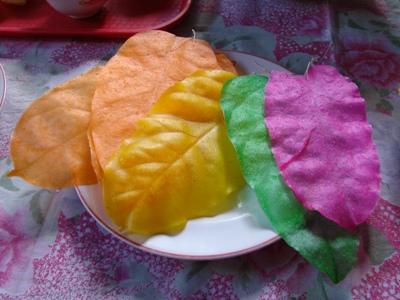
Image source: https://www.realfoodtraveler.com/kiping-recipe/
The Urban Migration of Southern Flavors
Interestingly, these regional preferences have traveled beyond the borders of the province, establishing a historic connection with the urban markets of Metro Manila. In Quezon City, particularly within the historic district of La Loma, the culture of pork appreciation reaches its peak through legendary roasting stations. Establishments like Mila’s Lechon, featuring its own dedicated lechon roasting station on-site, and Elar’s Lechon have built generations of loyal customers by serving generous portions of pristine roasted pork and savory sinigang.
For an entirely unique texture, urban diners frequently head to Pepeton’s Grill to indulge in kapalmuks, a creative dish featuring a whole deep-fried pig’s head that offers the ultimate experience in crispy, savory indulgence, demonstrating how regional flavors continue to captivate city dwellers.
Restaurants like Little Quiapo have served Filipino food since 1949 and remain legendary for pancit palabok and kare-kare. Hungry student patrons and employees are frequently found waiting in long lines during midday rush hours just to catch a bowl.
Right in the middle of this competitive food strip surrounding the UP Diliman campus, Provenciano offers regional Filipino dishes in family-style portions that satisfy large group gatherings. For a completely natural rustic environment, a hidden diner called Gubat serves traditional Filipino food eaten with hands on raw leaves.
Meanwhile, modern alternative venues showcase innovative culinary experiments; for instance, Habanero Kitchen Bar serves a spicy tortang talong with Angus beef, while the nearby Art Circle Cafe serves an embotido sandwich, a Filipino classic reimagined with modern flair.
Conclusion
The culinary heritage of Southern Luzon represents an unbroken thread of cultural identity, mapping out a rich history through the foundational flavors of its kitchens. From the pungent, garlic-driven notes of early morning sausages to the complex reduction of coconut creams and festive rice desserts, these dishes define what it means to live well in the Philippines.
As these authentic food traditions continue to migrate from rural towns into progressive urban markets, they reinforce our deep connection to regional heritage and local agricultural wealth. Preserving these authentic recipes does more than satisfy a passing craving; it builds a lasting sense of home, stability, and neighborhood pride that modern families can cherish across a lifetime of milestones.