




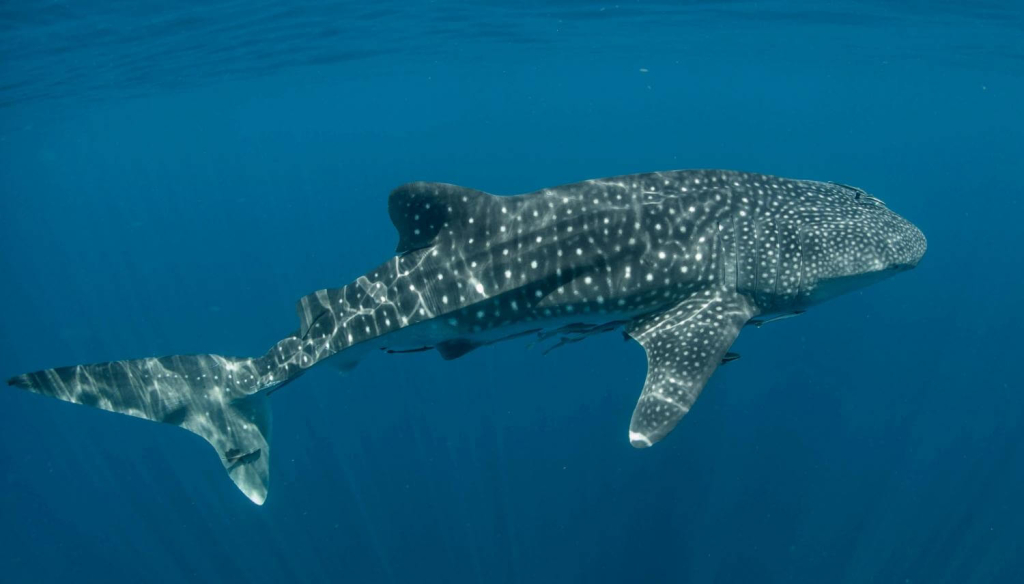
Image source: https://www.freepik.com/premium-photo/whale-shark-blue_8288839.htm#from_element=cross_selling__photo
The butanding, more widely known as the whale shark, is one of the most awe-inspiring creatures in the ocean.
Despite its enormous size, this species is known and celebrated as the ocean’s gentle giants.
In this article, we’ll explore amazing facts about the butanding, from its biology and behavior to its importance in marine conservation.
8 Fun Facts About Whale Sharks
1. World’s Biggest Fish
The whale shark (Rhincodon typus) holds the title of the world’s largest fish. Unlike whales, which are mammals, whale sharks are true fish.
Whale sharks are the largest fish species, growing up to 40 feet long, about the size of a school bus. Plus, they weigh several tons. This makes them not just the biggest fish, but also one of the most iconic ocean giants.
Interestingly, each whale shark has a unique pattern of spots and stripes on its body. Much like a human fingerprint, this spot pattern allows scientists to identify individual sharks for research and tracking.
2. Gentle Giants of the Deep
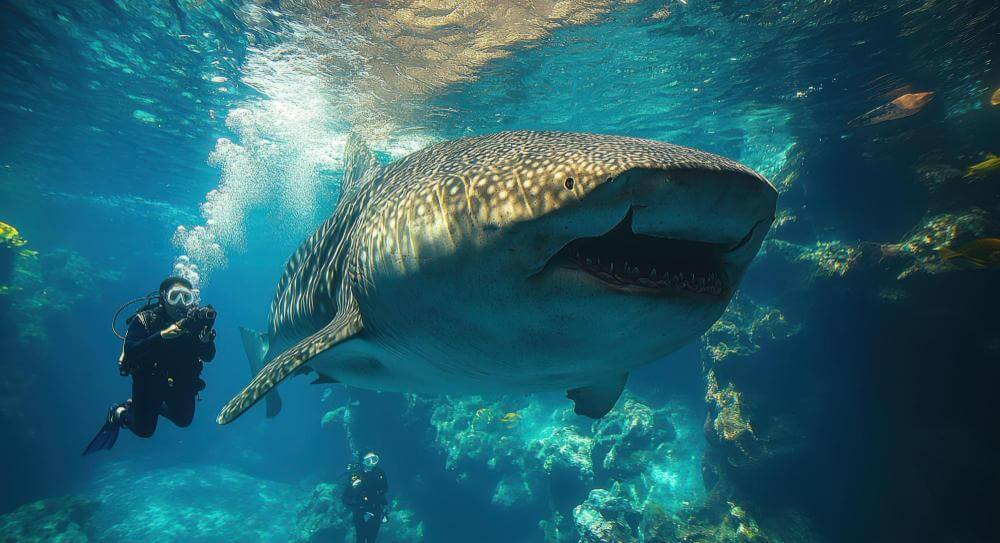
Despite their intimidating size, whale sharks are completely harmless to humans. They are filter feeders, meaning they feed on tiny plankton, small fish, and even fish eggs.
Their feeding process, known as filter feeding, involves swimming with their massive mouth open to scoop up water filled with food.
Unlike other sharks, whale sharks do not hunt large prey. Instead, these filter feeders rely on abundant supplies of plankton and many species (some microscopic) in tropical oceans to survive.
This peaceful feeding habit is one of the most interesting facts about these magnificent animals.
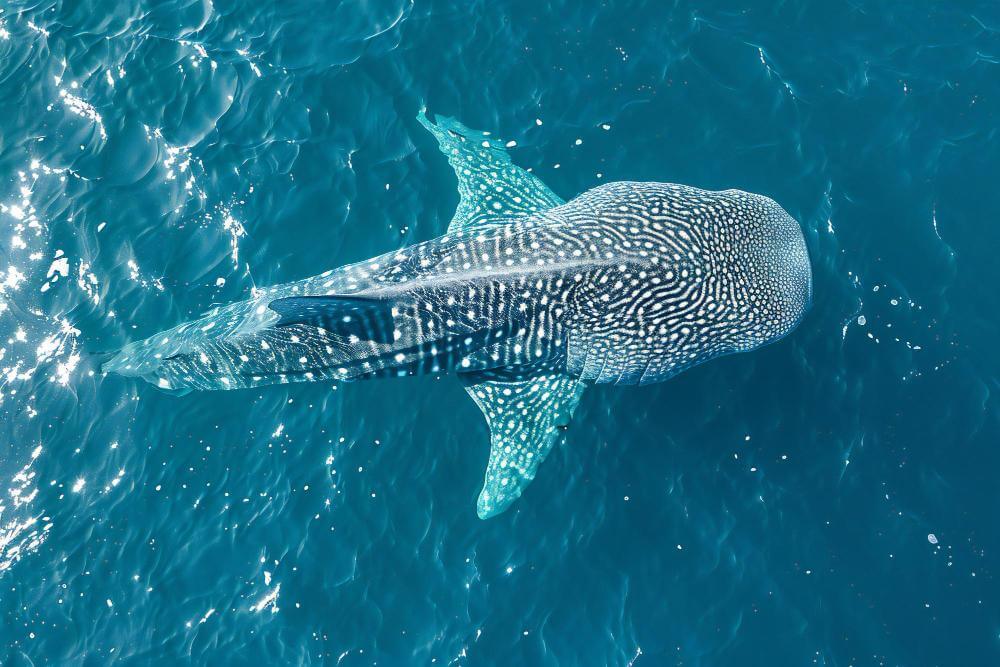
3. Fascinating Facts About Whale Sharks’ Bodies:
Here are some facts about whale sharks that highlight their uniqueness:
- Whale sharks have thousands of tiny teeth, but they don’t use them for feeding.
- Their skin is covered in dermal denticles, which help reduce drag as they swim.
- They breathe through large gills, filtering oxygen from the water.
- They can grow up to 5 feet wide at the mouth alone.
Some studies suggest that female whale sharks may give birth to live young, although they produce eggs internally, a rare trait among sharks.
These fascinating facts continue to intrigue scientists studying marine biodiversity.
4. Habitat and Global Distribution
Whale sharks are found in warm tropical oceans around the world. They are commonly spotted along coasts where there is enough food supply, such as tiny plankton blooms.
Some famous locations include:
- Western Australia’s Ningaloo Reef
- The east coast of Africa, including Mafia Island in Tanzania
- Coastal regions in the Philippines
These areas attract many sharks and other whale species, especially during feeding seasons, making them popular among divers and tourists seeking unforgettable swimming experiences.
5. Behavior and Life Cycle
Whale sharks are known for their slow, graceful movement through the sea. They often swim near the shore or along the coast, making them accessible for observation for both divers and casual swimmers.
Here are some facts about the Rhincodon typus’ behavior:
- They can dive deep into the ocean floor but prefer surface feeding.
- They may travel long distances and swim across the world.
- They are generally solitary, though groups can form when food is abundant.
Their long lives, estimated to span several decades, make them important indicators of overall health in marine ecosystems.
6. Threats and Conservation
Despite their size, whale sharks face serious threats.
The biggest threats to their survival include accidental entanglement in fishing nets, increasing plastic use in oceans, boat strikes, and habitat destruction.
As an endangered species, whale sharks require strong conservation efforts. Organizations and governments worldwide are working to protect these animals through marine laws and awareness campaigns.
Responsible tourism also plays a crucial role in protecting whale sharks. Following strict rules, such as not touching or feeding the sharks, helps ensure their safety and well-being.
7. Whale Sharks and Humans
For an ocean lover, encountering one whale shark in the wild is a dream come true. These interactions are often described as life-changing, offering unforgettable experiences that inspire people to care more about the ocean.
Local communities, including local fishermen, are increasingly involved in conservation efforts.
By promoting eco-friendly tourism, they help sustain both the population of whale sharks and their own livelihoods.
8. Interesting Facts About Young Whale Sharks
While much is known about adult whale sharks, young whale sharks remain a mystery. Scientists are still studying where they are born and how they grow.
From what we do know, newborn whale sharks are rarely seen in the wild. This leads scientists and marine conservationists to think that young whale sharks stay in deeper waters for protection.
Like adult whale sharks, young whale sharks also feed on tiny plankton and small fish.
Understanding their early life stages, from eggs to old age, is essential for long-term conservation of whale sharks.
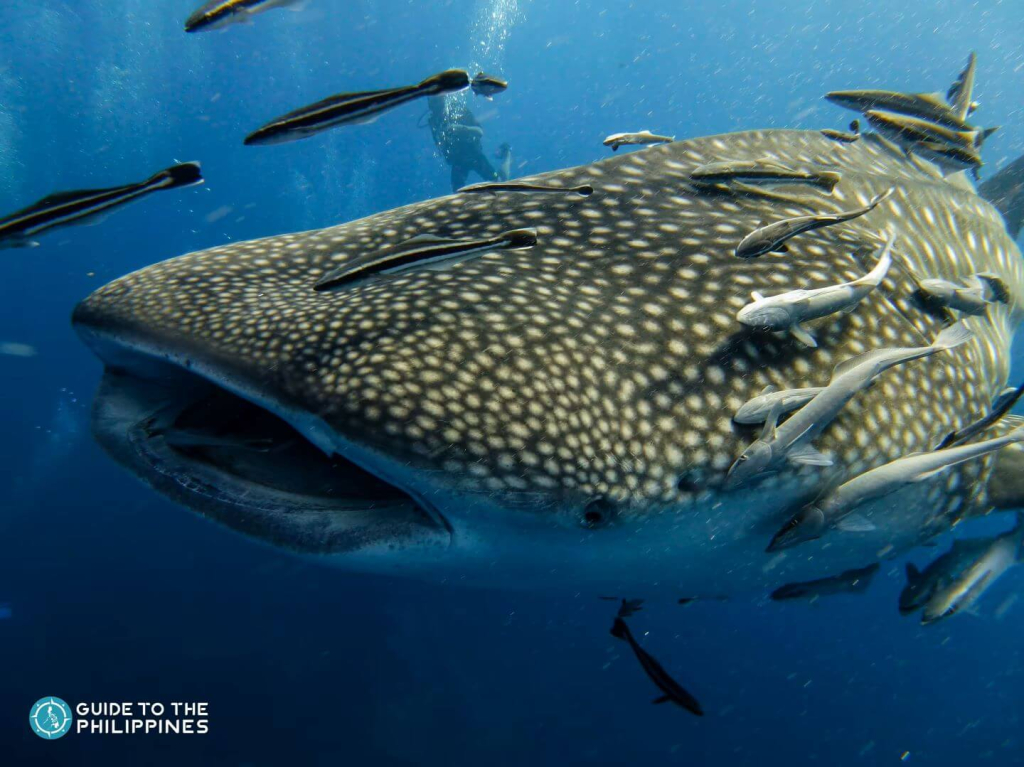
Image sources: https://guidetothephilippines.ph/destinations-and-attractions/oslob-whale-shark-watching
Where to Find Whale Sharks in the Philippines
The Philippines is one of the best places in the world to see whale sharks. In fact, whale sharks contribute to the tourist economy in many places around the country.
Popular spots include:
- Donsol, Sorsogon — known for responsible tourism and seasonal sightings
- Oslob, Cebu — famous for close encounters with tourists
These areas along the coast provide ideal feeding grounds due to rich supplies of plankton. A short trip to these destinations offers a chance to witness these gentle giants up close.
Live Near Nature with Camella
If you’re inspired by these amazing facts about the butanding and dream of living closer to nature, consider investing in a home near these marine wonders.
Camella offers residential communities conveniently located near top destinations in the Philippines.
With Camella properties near whale shark hotspots, like Camella Sorsogon and Camella Cebu, you can enjoy easy access to the sea, vibrant coastal life, and breathtaking encounters with the world’s largest fish.
Camella is the perfect choice for any ocean lover who values both comfort and adventure.