



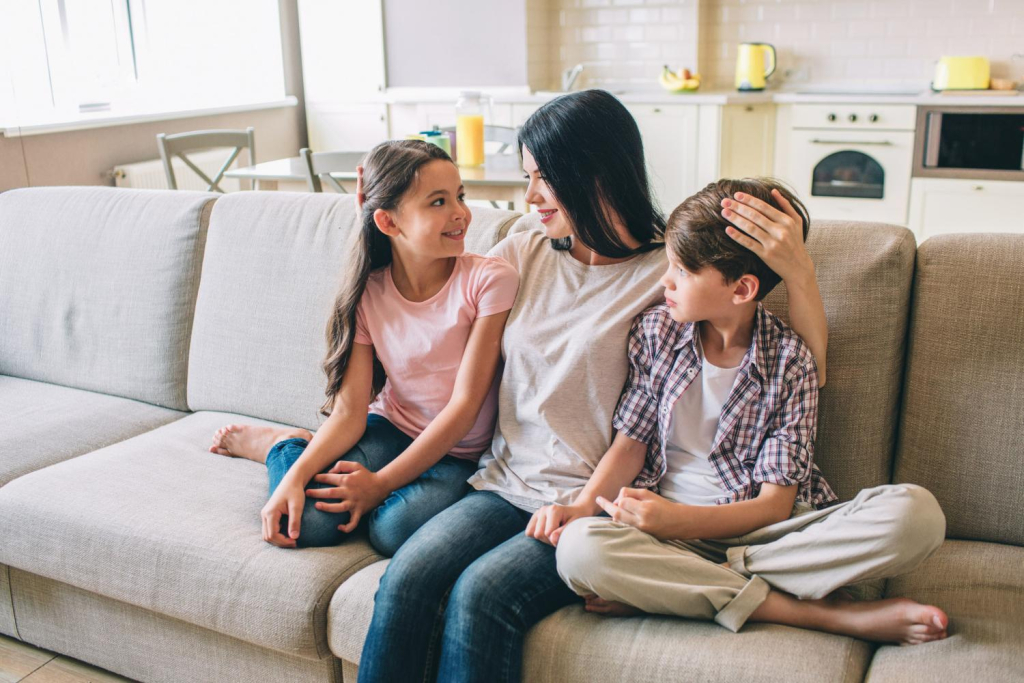
Image source: https://www.freepik.com/premium-photo/mother-is-sitting-sofa-with-her-kids_8088808.htm#from_element=cross_selling__photo
Sibling relationships are some of the longest-lasting bonds a child will experience in life.
Whether in a family with one child adjusting to a new baby or households with more than one child, these connections are all the same way – they shape emotional growth, social skills, and overall child development. While many families dream of kids always playing nicely, the reality is that sibling fights and sibling conflicts are a normal part of growing up.
Understanding how to manage sibling conflict is key to turning these moments into valuable teaching moments rather than sources of emotional harm.
Understanding Sibling Dynamics
Every family is different, each with their own problems, and sibling relationships vary depending on factors like birth order, developmental stages, and personality.
An older sibling may feel jealous of a younger sibling, while a younger sibling might constantly seek attention from older children. In families with two siblings or even many kids, power struggles and disagreements are simply part of daily life.
Sibling Rivalry is Normal
Parents need to recognize that when children fight, it doesn’t mean something is wrong.
Children fight. It’s a normal part of how kids learn to navigate relationships. Whether it’s two children arguing over toys or one sibling feeling left out, these situations are opportunities to teach kids essential life skills like emotional regulation and conflict resolution.
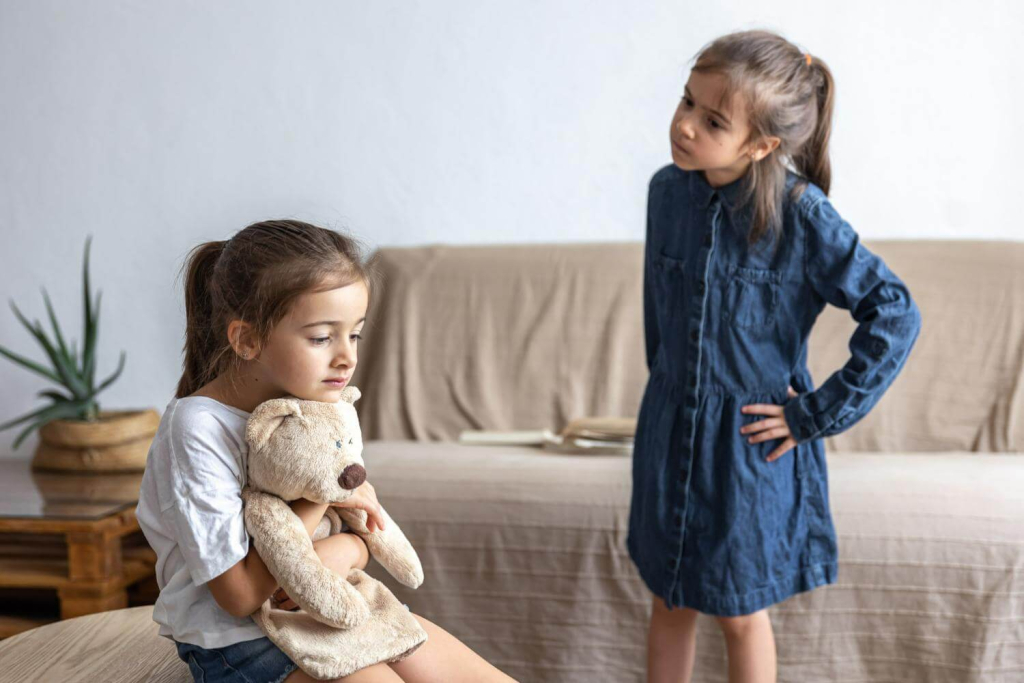
Sibling relationships are some of the longest-lasting bonds a child will experience in life.
Whether in a family with one child adjusting to a new baby or households with more than one child, these connections are all the same way – they shape emotional growth, social skills, and overall child development. While many families dream of kids always playing nicely, the reality is that sibling fights and sibling conflicts are a normal part of growing up.
Understanding how to manage sibling conflict is key to turning these moments into valuable teaching moments rather than sources of emotional harm.
Understanding Sibling Dynamics
Every family is different, each with their own problems, and sibling relationships vary depending on factors like birth order, developmental stages, and personality.
An older sibling may feel jealous of a younger sibling, while a younger sibling might constantly seek attention from older children. In families with two siblings or even many kids, power struggles and disagreements are simply part of daily life.
Sibling Rivalry is Normal
Parents need to recognize that when children fight, it doesn’t mean something is wrong.
Children fight. It’s a normal part of how kids learn to navigate relationships. Whether it’s two children arguing over toys or one sibling feeling left out, these situations are opportunities to teach kids essential life skills like emotional regulation and conflict resolution.
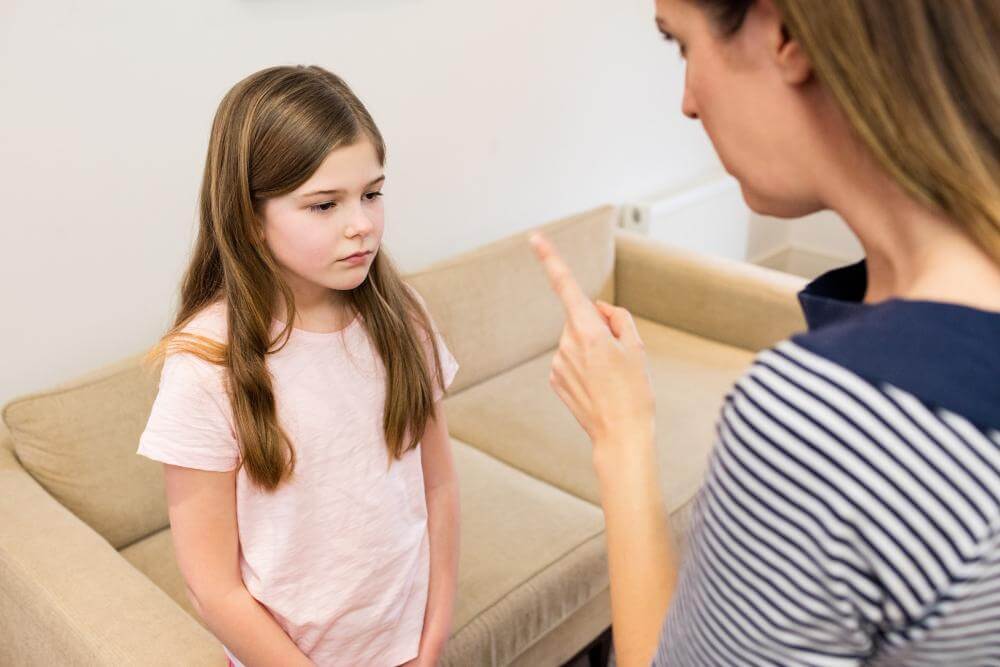
4. Encourage Problem Solving
Rather than solving every issue for your children, encourage them to come up with solutions.
Ask questions like, “What can you do to fix this conflict?” This builds problem-solving skills and helps kids learn accountability.
5. Avoid Taking Sides When Children Fight
Taking opposite sides can escalate sibling conflict. It’s the parents’ role to be impartial and encourage fairness.
Instead of taking sides, focus on the issue and guide both children toward a fair resolution.
6. Use Positive Praise and Reinforcement
Recognize when siblings are playing nicely or resolving issues on their own.
Positive praise reinforces good behavior and encourages children to repeat it.
7. Intervene When Necessary
One parenting tip is to encourage children to resolve sibling conflict. However, parents should know when to step in.
For example, parents should intervene when conflicts become intense or risk emotional harm. Teaching kids how to stop fighting respectfully is essential for their long-term development.
8. Turn Sibling Conflicts into Teaching Moments
Every disagreement is an opportunity to teach kids about empathy, communication, and respect. These teaching moments help children develop skills they’ll use throughout life.
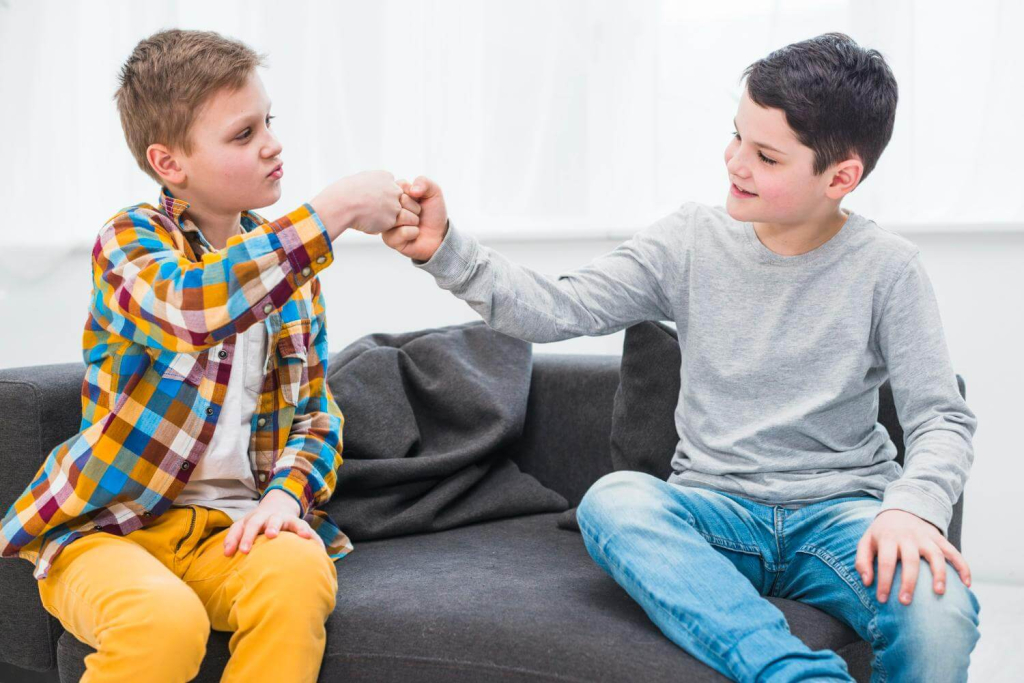
Image source: https://www.freepik.com/free-photo/boys-couch_4350780.htm#from_element=cross_selling__photo
Support Healthy Children’s Relationships and Conflict Resolution
A supportive environment plays a crucial role in reducing sibling rivalry and encouraging positive interactions.
Homes designed for comfort, space, and family connection can make a big difference in how children interact and resolve conflicts.
That’s why many families choose Camella, a trusted developer known for creating ideal spaces for growing families. With thoughtfully designed homes that promote togetherness and harmony, Camella provides the perfect setting where siblings can grow, bond, and thrive.
With Camella, everyday challenges and even sibling conflicts can turn into meaningful opportunities for connection.