




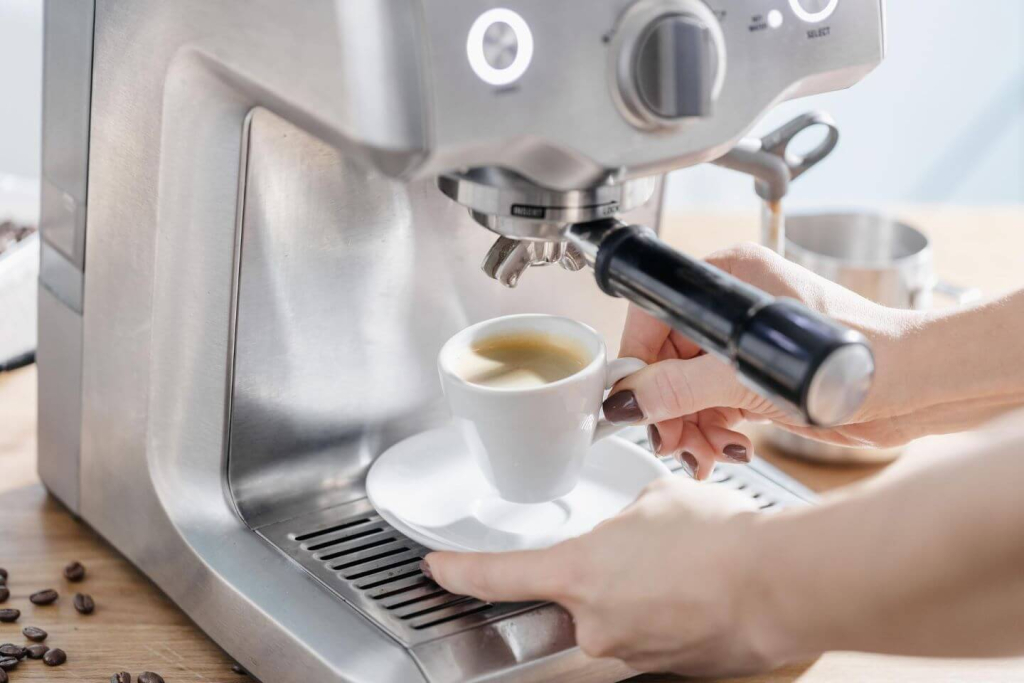
The landscape of domestic coffee culture has fundamentally shifted from basic instant packets to complex speciality extractions. As discerning homeowners invest time in mastering artisan beverages, identifying an appropriate espresso machine buying guide becomes crucial. Replicating café results in a residential setting requires balancing financial investments, daily consumption habits, and specific hardware capabilities.
Navigating the world of home espresso machines involves understanding how internal plumbing configurations, pressure management systems, and milk texturing instruments interact. By focusing on equipment that consistently delivers the same espresso quality while matching your lifestyle rhythm, you can select a proper espresso machine that transforms your daily kitchen ritual into a refined culinary experience.
Machine Formats: How Do Automation Levels Impact User Control?
Every home coffee bar begins with a fundamental decision regarding user involvement. The global specialty market defines an espresso machine based on how much of the grinding, dosing, tamping, and extraction process is executed by internal circuitry versus manual human effort. There are three main types of espresso machines: manual, semi-automatic, and automatic, which refer to how much of the shot-pulling process is controlled by the user or the machine. Choosing the correct platform dictates your learning curve, physical commitment, and your overall relationship with coffee chemistry. Here’s a helpful espresso machine buying guide for those investing in their first home espresso machine:
Cheap Manual Espresso Machine and Manual Machines
For true purists seeking an uncompromised relationship with water dynamics, manual machines represent the peak of mechanical control. These specialized systems do not rely on motorized internal electric pumps to pass water through the ground coffee puck; instead, they require physical effort to generate pressure for espresso extraction.
By working a heavy counterweighted lever, the home barista directly dictates the flow rate and pre-infusion duration. Manual espresso machines offer the highest potential for espresso quality, allowing users to control every aspect of the brewing process, but they require a steeper learning curve and more cleaning. While finding a cheap manual espresso machine can be an appealing entry point for a dedicated hobbyist, these manual platforms demand significant patience, rigorous clean-up routines, and a willingness to accept inconsistent results during the initial trial-and-error phase.
Semi-Automatic Espresso Machines and the Semi-Automatic Machine
If you are seeking a harmonious balance between traditional craftsmanship and modern convenience, semi-automatic espresso machines remain the most popular choices for domestic settings. On a semi-automatic machine, an automated internal pump handles the heavy technical lifting of maintaining a steady extraction pressure and temperature stability—typically optimized at nine atmospheric bars.
The user, however, retains command over foundational culinary variables, including grinding the whole beans, precision tamping, and initiating or cutting off the shot duration. This specific balance of control and convenience provides room for extensive recipe experimentation without the physical exhaustion of a manual lever, allowing individuals to customize extraction profiles based on bean origin and roast development.
Automatic Espresso Machines and Automatic Machines
For households prioritizing speed, consistency, and a streamlined morning routine, automatic espresso machines eliminate the guesswork of traditional brewing Like the popular brands for commercial machines. These automatic machines control the shot timing internally, utilizing digital volumetric flow meters to automatically cut off water delivery once a pre-programmed beverage volume is achieved in the cup.
Taking this hands-off approach further, premium bean-to-cup espresso machines automate the entire brewing process, grinding, dosing, tamping, brewing, and disposing of the puck automatically, making them ideal for those seeking speed and consistency. For individuals seeking rapid execution without complex cleanup, alternative options include capsule or pod machines, which use pre-packaged pods for convenience but may compromise coffee flavor and freshness compared to freshly ground beans.
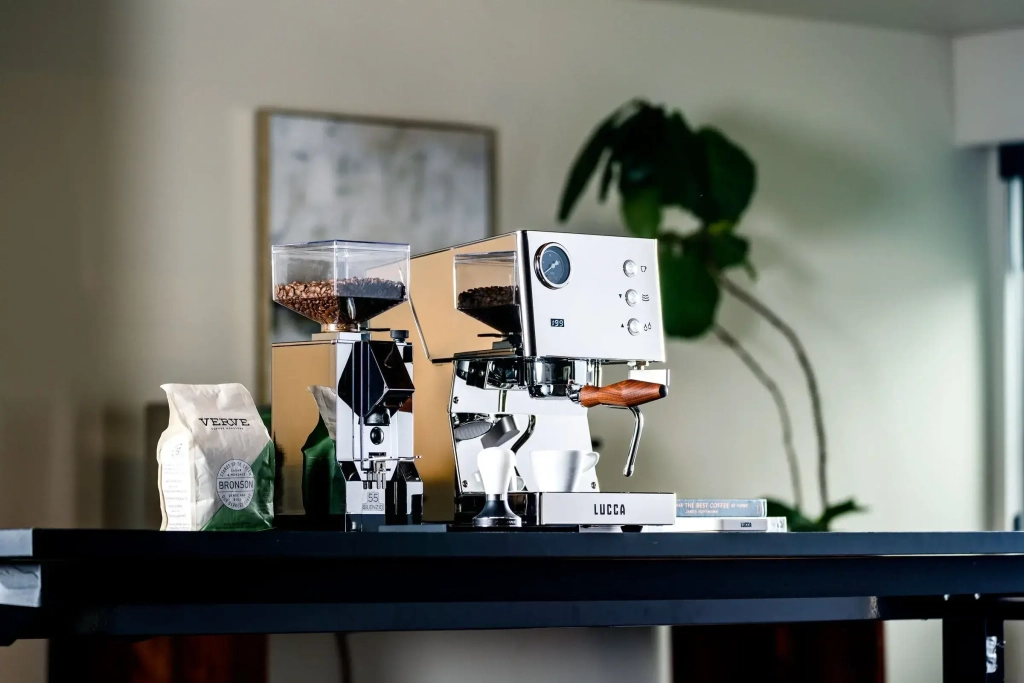
Image source: https://clivecoffee.com/blogs/learn/how-to-choose-a-single-boiler-espresso-machine
Thermal Architecture: Which Boiler Configurations Maximize Consistency?
Beyond the external buttons and shiny metal casing, the internal thermal layout of a coffee maker dictates its capacity to maintain precise water temperatures. Pulling a rich shot requires water delivered steadily between 90°C and 95°C, whereas texturing rich milk requires pressurized dry steam generated at significantly higher thermal thresholds. Managing these two distinct temperature zones concurrently is what separates entry-level appliances from heavy-duty prosumer hardware.
Single Boiler Machines and the Single Boiler System
As you research entry-level equipment options, you will find that affordable residential units frequently employ compact single-boiler machines to conserve countertop space and minimize production expenses. In a standard single-boiler system, one internal heating chamber is shared for both the espresso brewing and the milk texturing processes. Because these two tasks demand different operational temperatures, users face a mandatory waiting time when switching between brewing and steaming due to differing temperature needs. After extracting your espresso shot, you must wait for the shared vessel to reach steaming temperatures; conversely, after texturing milk, the system must be manually flushed with cool water to bring the internal environment down to brew temperature, which can slow down production when serving multiple family members.
Mechanics of Heat Exchangers and Warm-Up Times
To address the operational delays of shared-tank systems, heat exchangers provide an engineered architecture that permits simultaneous extraction and milk frothing. These setups feature a single boiler kept continuously at high steam temperatures. Instead of drawing water directly from this superheated chamber for coffee brewing, a separate water line is routed through the center of the vessel via a copper or brass tube. As fresh water travels through this internal channel toward the group head, it absorbs heat flash-style from the surrounding steam environment. This clever layout eliminates the lag times seen in simpler single-vessel setups, though it can still exhibit minor temperature variances if the machine remains idle for extended periods, necessitating a brief cooling flush before locking in a portafilter.
Dual Boiler Convenience and Dual Boiler Machines
For individuals unwilling to compromise on extraction accuracy, investing in a platform centered around a premium dual-boiler configuration represents the gold standard of thermal management. True dual-boiler machines contain completely independent heating vessels: a dedicated, smaller boiler fine-tuned exclusively for stable coffee extraction, and a completely separate steam boiler built for high-output milk frothing.
This distinct division unlocks unparalleled dual boiler convenience, allowing you to steam milk and pull shots at the same exact time without experiencing any drop in pressure or thermal drift. Higher-end models feature electronic PID controllers to regulate water temperature down to fractions of a degree, completely preventing extraction issues caused by thermal fluctuations and ensuring consistent, repeatable results across multiple back-to-back servings.
Home Brewing Icons: Which Favorite Espresso Machines Deliver Outstanding Value?
Selecting your first espresso machine can feel intimidating given the sheer density of global manufacturers operating in the domestic marketplace. However, a select group of highly regarded models has earned widespread praise among local specialty coffee communities for their structural engineering, predictable learning paths, and reliable power management.
Breville Bambino Plus
For modern homeowners managing tight spaces, the compact Breville bambino plus represents a masterclass in modern heating efficiency. Moving away from heavy, slow-heating traditional blocks, this machine utilizes an advanced, on-demand heating element known as a ThermoJet system. This lightweight alternative heats water on demand and warms up quickly, achieving active extraction status in just three seconds from a cold start.
The Breville Bambino Plus is highly recommended for beginners due to its ease of use and excellent temperature consistency, allowing for high-quality espresso shots. Additionally, its automated manual steam wand features built-in temperature and aeration sensors, allowing users to select their preferred froth depth and heat level with the touch of a button, creating silky microfoam without requiring advanced professional training. There are other automatic and manual espresso machines like the Breville dual boiler that you can also consider.
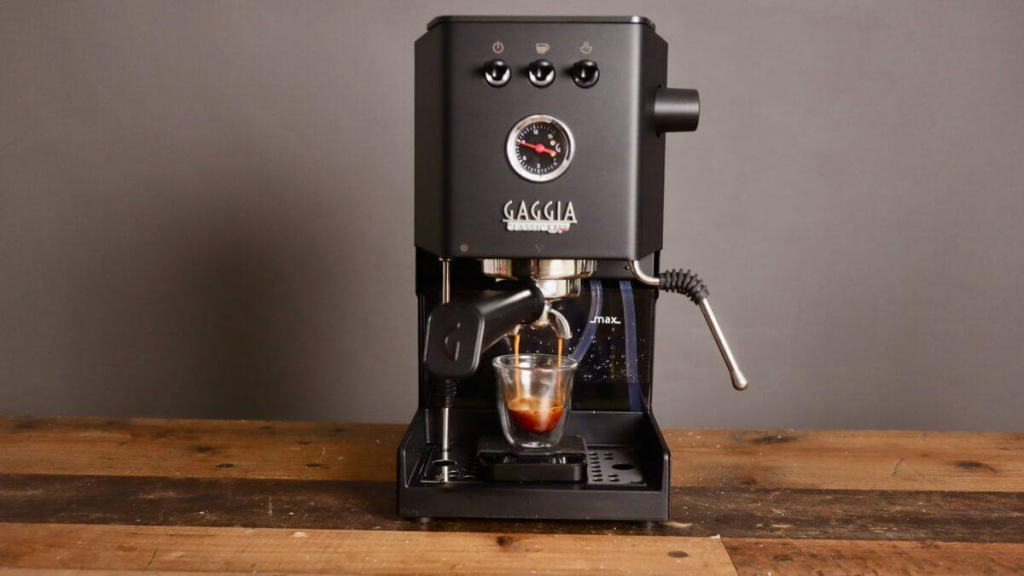
Image source: https://tomscoffeecorner.com/gaggia-classic-up-2026-review/
Gaggia Classic Foundations and Sturdy Construction
For coffee lovers who favor a hands-on, traditional Italian approach to espresso extraction, the iconic Gaggia Classic series stands as a rugged pillar of dependability. Renowned for its industrial construction, this entry-level machine features a heavy, brushed stainless steel shell and standard commercial-sized 58mm chrome-plated brass portafilter assemblies.
This substantial metal mass ensures exceptional thermal retention during the shot-pulling cycle and provides complete compatibility with aftermarket precision filter baskets, puck screens, and distribution tools. The Gaggia Classic Pro is known for its sturdy build and is often recommended as an entry-level machine for those looking to learn the art of espresso making, providing a reliable, fully repairable platform for home baristas eager to master traditional manual variables.
Lelit Espresso Machines and Traditional Italian Dual Boiler Engineering
When moving up to enthusiast-grade hardware, Leili espresso machines represent the pinnacle of domestic extraction accuracy. Premium models within their lineup leverage a traditional Italian dual-boiler configuration paired with professional-grade monitoring instrumentation. This proper premium dual boiler design incorporates an external separate brew pressure gauge alongside an integrated electronic PID system featuring a bright display, steam temp adjustable interface.
For residents living in premier suburban developments like Camella Taguig, positioning a proper Italian prosumer machine on the kitchen counter combines clean European aesthetics with the deep mechanical muscle needed to explore the complex, delicate flavor notes of single-origin light roasts.
Elevating Extraction: Why Is Grinding Precision Crucial for Espresso Machine Quality Beans?
A common pitfall for newcomers is overemphasizing the espresso machine while neglecting the physical state of the coffee puck. Hot, pressurized water simply acts as a solvent; the balance, sweetness, and complexity of your final beverage depend entirely on the consistency and geometry of the ground coffee particles packed inside your portafilter basket.
The Grinder Dictates Espresso Quality
Every experienced home barista will confirm that a dedicated high-quality burr grinder is arguably the most important factor in achieving great espresso, often more critical than the espresso machine itself. Relying on pre-ground coffee is usually insufficient for real espresso because ground coffee stales rapidly when exposed to air, losing the volatile aromatic compounds and trapped carbon dioxide gases required to build a dense, syrupy crema.
A great espresso machine can’t fix an inconsistent grind, so if you want balance, repeatability, and real flavor clarity, the grinder is non-negotiable. Choosing a grinder that allows for infinite micro-step or stepless adjustments ensures you can make the tiny changes required to keep your extractions tracking perfectly.
Espresso Machine Quality Beans for Pressure Pre-Infusion
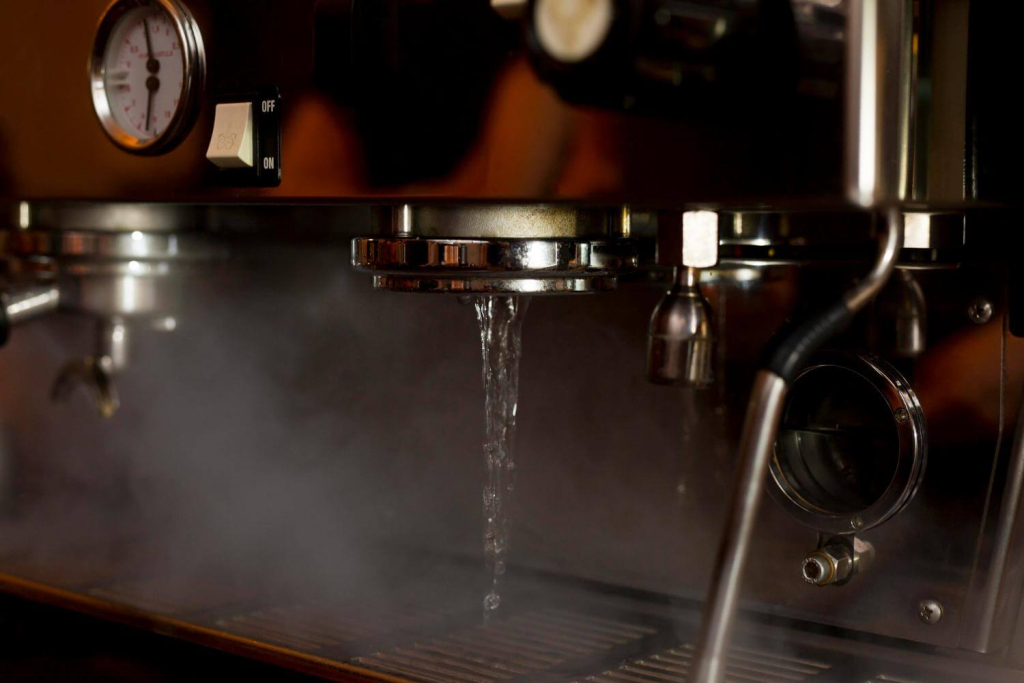
To get the most out of your high-end equipment, sourcing fresh, specialty-grade whole beans is an absolute necessity. Achieving authentic results requires using espresso machine quality beans that have been roasted within a two-to-six-week window. When fresh beans are ground to the correct fineness and tamped evenly, they form a uniform, compressed barrier that offers the precise resistance needed to build up to nine atmospheric bars of pressure within the group head. Advanced home espresso machines often use an internal pressure pre-infusion stage, which introduces low-pressure water to saturate the coffee bed gently before ramping up to full extraction power. This initial wetting encourages the puck to swell evenly, filling in minor structural gaps and minimizing the risk of channeling during the high-pressure phase.
Grind Settings and Water Temperature for Great Espresso
Achieving a great espresso extraction requires carefully coordinating your physical particle size with your water temperature. Choosing the right grind size and getting a fine-enough, consistent grind will make all the difference in espresso quality. When working with complex single-origin roasts, you must adapt your grind settings based on bean density and roast history; dense, light-roasted varieties generally require a much finer setting and a slightly higher brew temperature to break down tough plant sugars. Conversely, dark traditional roasts dissolve much more quickly and benefit from a slightly coarser grind profile paired with a cooler water temperature to avoid extracting harsh, bitter, smoky notes.
Mastering the Craft: How Do Mechanical Steam Capabilities Influence Milk Texturing?
For a large segment of local coffee lovers, the perfect morning beverage involves crafting rich milk-based espresso drinks, such as velvety lattes, flat whites, or traditional cappuccinos. Transforming liquid milk into a sweet, glossy microfoam requires the steady, dry steam power that only a proper steam boiler can provide.
Steam Power and Steam Pressure for Silky Microfoam
The ease with which you can execute clear latte art depends heavily on the design of your steaming components and the internal steam boiler pressure. Many introductory home appliances feature specialized Panarello wands, which simplify milk frothing at the expense of creating less velvety foam by injecting large, unmanageable air pockets through an outer sleeve.
In contrast, a proper prosumer machine features a traditional manual steam wand with a multi-hole stainless steel tip. Manual steam wands require skill to froth milk properly and create microfoam, as the user must manually angle the pitcher to initiate a fast whirlpool vortex. This rotational force breaks down large bubbles and shears them into a tight, uniform microfoam structure that resembles liquid satin.
Service Boiler Steam Wand for Exceptional Latte Art
When working on a higher-end unit that features a dual boiler setup, the independent steam boiler serves a single purpose: maintaining high-velocity steam performance. Because it is completely separated from the coffee brewing circuit, this service boiler steam wand provides consistent, uninterrupted steam pressure from the moment you turn the steam valve.
This stable, abundant volume allows you to rapidly stretch the milk during the initial texturing phase and then smoothly roll the liquid to blend the foam layers completely. Access to this level of commercial-grade steam power makes it much easier to achieve the clean definition required for complex latte art designs, bringing an authentic café presentation into your private kitchen.
Steam Lever Style Workflow and Now Solid Stainless Steel Upgrades
As residential equipment continues to adapt commercial café technology, manufacturers are increasingly moving away from slow, traditional twist valves in favor of a responsive steam lever-style workflow. These spring-loaded mechanical levers allow for instant, full-throttle steam delivery with a simple flick of the wrist, granting precise control over the frothing cycle.
Furthermore, major internal fluid pathways that once relied on copper or flexible plastics are now solid stainless steel upgrades on many modern prosumer machines. These premium materials provide excellent thermal insulation, resist mineral scale adhesion, and offer a heavy, professional tactical feel that enhances your daily beverage preparation.
Space and Longevity: How Can Owners Protect This Specialty Hardware Investment?
Bringing a serious machine into your home is a major financial decision that requires careful physical planning and a commitment to regular preventative maintenance. The warm, humid climate of the Philippines, paired with regional variations in domestic water mineral content, means that careful upkeep is essential to safeguard your machine’s internal electronics, heating elements, and delicate plumbing lines.
Coffee Bar, Drip Tray, and Rotary Pump Placement
Before finalizing your equipment purchase, it is vital to assess your available kitchen counter space and layout. High-end espresso machines carry substantial weight and have a large physical footprint, requiring a deep, stable countertop foundation. You must also factor in sufficient grinder space consideration when setting up an espresso machine, as well as ensuring you have sufficient space for water reservoirs to be accessed and refilled comfortably.
If your chosen model features a commercial-grade rotary pump rather than a standard vibration pump, it will operate with a quiet hum and can often be plumbed directly into your home’s water filtration system. This direct-plumb configuration eliminates the need to manually fill the water tank and can be paired with a direct-to-drain drip tray connection for a streamlined workflow.
Flushing the Group Head, Purging the Steam Wand, and Hot Water Mode
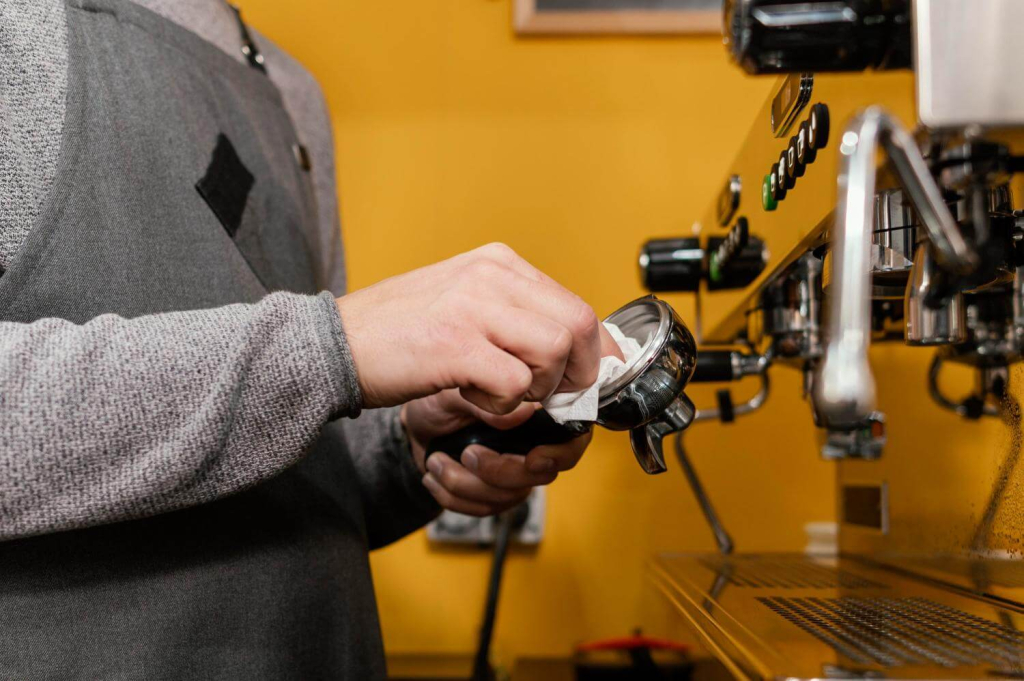
To ensure your espresso consistently tastes its best and your machine runs reliably over the long term, making simple day-to-day maintenance tasks part of your routine is non-negotiable. Every single time you finish pulling a shot, you should run a quick flush of the group head to clear away lingering coffee grounds before they bake onto the shower screen.
Likewise, immediately after texturing milk, you must purge the steam wand into the drip tray and wipe it down with a clean, damp microfiber cloth to prevent milk solids from drying inside the steam holes. For individuals who enjoy americanos or long blacks, using the machine’s dedicated hot water mode allows you to draw fresh, non-boiling water directly from the internal heating loop without using an external kettle, keeping your station organized.
Deep Cleaning Essentials: Backflushing with Blank Filter Baskets and Descaling Routines
In addition to daily wiping and purging, performing a thorough chemical clean on a monthly basis will protect internal components from premature wear and remove bitter coffee oil buildup. The best way to clean an espresso machine is to backflush coffee detergent into the group head using a blank, solid filter basket, which forces the cleaning solution back through the three-way solenoid valve to strip away stubborn oils.
Furthermore, descaling your espresso machine is a good habit to get into on a monthly basis, especially if you use your machine daily or if you live somewhere with hard water. Regularly dissolving mineral scale accumulations protects internal heating elements from overheating, keeps sensors working accurately, and ensures your home coffee station continues to deliver exceptional performance for years to come.
Conclusion: Balancing Performance and Lifestyle for the Ultimate Coffee Station
Investing in specialty coffee equipment serves to elevate your daily residential experience, transforming a simple kitchen counter into a sophisticated hub for flavor craftsmanship. Finding the right balance between machine format, thermal stability, grinding precision, and consistent upkeep allows coffee lovers to replicate commercial café quality right from the comfort of their own homes. By aligning boiler design, pressure control, and automation tiers with your specific lifestyle needs, any modern household can build a durable domestic beverage setup optimized for long-term reliability and exceptional flavor clarity.