




Image source: Pexels
Introduction
Have you been wondering why a bedroom remains uncomfortable at night even after the afternoon heat has faded? In the Philippines, warm weather and humidity can leave rooms feeling stuffy, while poorly managed sunlight can allow heat to build up throughout the day. Fortunately, simple bedroom upgrades for cooler nights can improve comfort without requiring major renovations or expensive equipment.
The most effective changes often involve how a room handles air, light, bedding, and everyday sources of heat. From choosing the right curtains to rearranging furniture, these practical ideas can help create a more comfortable space for sleep, rest, and relaxation. Small adjustments can also make a noticeable difference in how the bedroom feels from one evening to the next.
Control Daytime Heat With Blackout Curtains
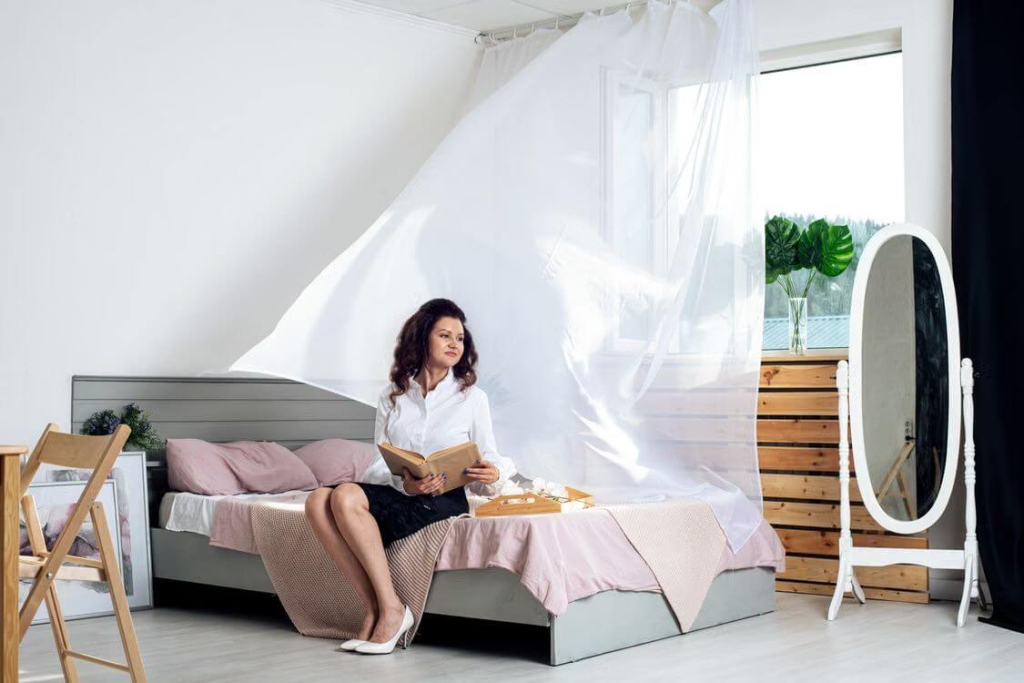
Helping create a bedroom comfortable at night starts during the day. For any house, managing how much sunlight enters the bedroom is a useful first step, and there are several effective ways to limit excess heat without changing the room’s overall design. Simple measures can help keep hot air from lingering indoors and make the room feel cooler by evening, while thoughtful colors and fabrics can also make the space feel cozier.
Block Daytime Sunlight Before Heat Builds Up
Sunlight entering through a window can warm furniture, floors, and other surfaces, allowing heat to accumulate inside the room. Managing that exposure before evening gives the bedroom a better chance of becoming comfortable once outdoor temperatures begin to fall.
Choose Light-Colored Curtains for a Cooler, Cozier Bedroom
Blackout curtains are one of the more practical options for limiting direct sunlight. Closing them during peak daylight hours can reduce the amount of solar heat entering through the glass, while light-colored curtains can reflect more light than darker fabrics. Keeping the window closed when outdoor air is hotter than the air indoors can also help prevent additional heat from entering.
Once the sun is lower and outdoor conditions become more comfortable, the curtains and windows can be adjusted again to support nighttime ventilation. This simple day-to-night routine can help the bedroom cool more effectively without relying entirely on air-conditioning.
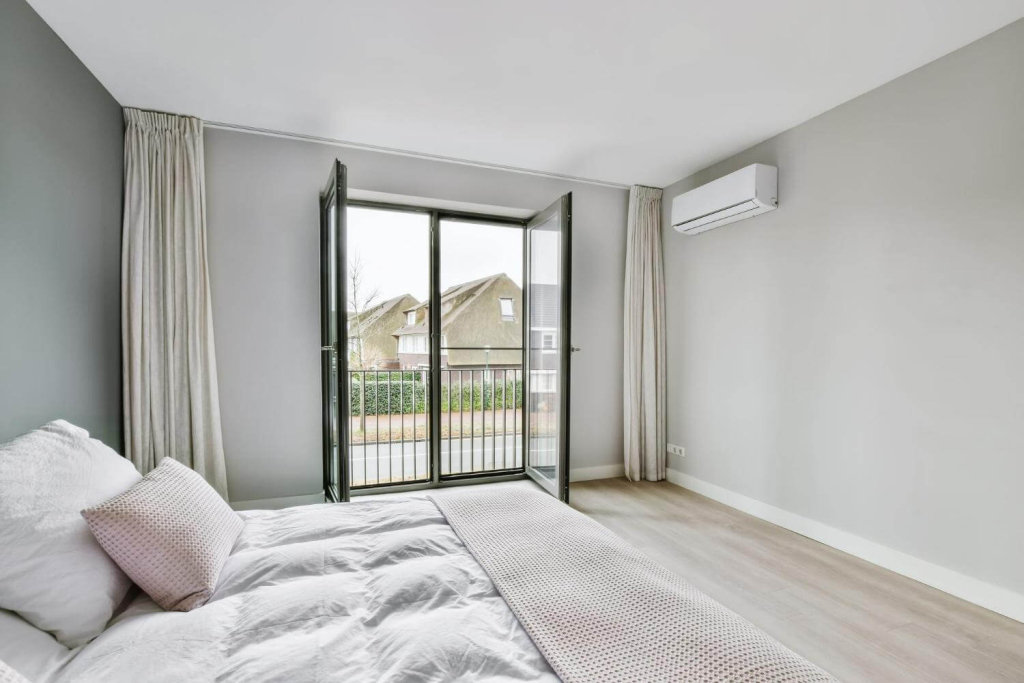
Image source: https://www.magnific.com/premium-photo/beautiful-bedroom-design_22581337.htm
Make the Bedroom Cool With Better Nighttime Airflow
The art of air movement becomes especially useful once the outdoor temperature drops. An open window can bring fresh air into a bedroom at night, provided conditions outside are comfortable and the window can be left open safely. In homes with suitable openings on opposite sides, opening windows can encourage a cross breeze that moves air through the entire room.
Ceiling fans and portable fans can strengthen this circulation by moving air across the skin. They do not directly lower the actual temperature of a room, but the increased air movement can make people feel cooler and more comfortable. Keeping furniture away from windows, vents, and other airflow paths can further support improving airflow.
The arrangement of the door can matter as well. Where a home has return vents or a planned ventilation system, keeping the bedroom door appropriately positioned can help air move between rooms. These simple changes can make a big difference when the goal is to make a bedroom feel less stuffy at night.
Choose an Accent Wall That Fits Your Design Style
A bedroom upgrade does not have to be purely functional. A well-planned accent wall can refresh the appearance of bedroom walls and make the space feel more inviting without requiring new furniture or a complete redesign. While paint does not significantly reduce actual room temperature, color can influence how cool, bright, or calm a bedroom appears.
Soft, light, or muted paint shades can work particularly well with natural light. They can also complement bedding, artwork, and furniture without making the room feel visually heavy. If the goal is to update a modern space, a carefully selected accent color can introduce character while maintaining a clean overall appearance.
The choice should fit the home’s existing design style rather than follow a particular trend. A muted blue, green, neutral, or other soft shade can create a relaxing visual effect, while artwork or small decorative pieces can add personality. Even changing one wall can make a huge difference to the way a bedroom looks without changing its basic layout.
Switch to Breathable Bedding for Better Sleep
Bedding has a significant role in nighttime comfort because it remains in close contact with the body for several hours. Materials such as cotton and linen are breathable and can allow air to move around the sleeper more easily than heavier fabrics that tend to retain warmth. This can be particularly helpful during warmer periods or humid nights.
Select a Lightweight Duvet and Blanket
For a summer duvet, a tog rating between 2.5 and 4.5 can serve as a general reference for choosing a lighter option. Personal preference still matters, especially in the Philippines, where indoor temperatures and humidity can vary considerably between homes. Lightweight blankets can provide another layer of flexibility without the bulk of heavier bedding.
Pair Sheets and Pillows With a Comfortable Sleep Setup
A breathable sheet paired with a comfortable pillow can also make the bed feel more inviting. Since the body naturally regulates its core temperature as part of the transition toward sleep, choosing bedding that does not trap excessive warmth can make that natural process more comfortable. Breathable fabrics like cotton and linen allow air circulation around the body, which can help reduce overheating and waking up during warmer nights.
The result may be an easier transition to sleep and fewer disruptions from feeling overheated. A comfortable sleeping environment can make it easier to fall asleep and stay asleep, particularly on warm nights when excess warmth or humidity can cause repeated discomfort.
Declutter the Bedroom for a Calmer Space
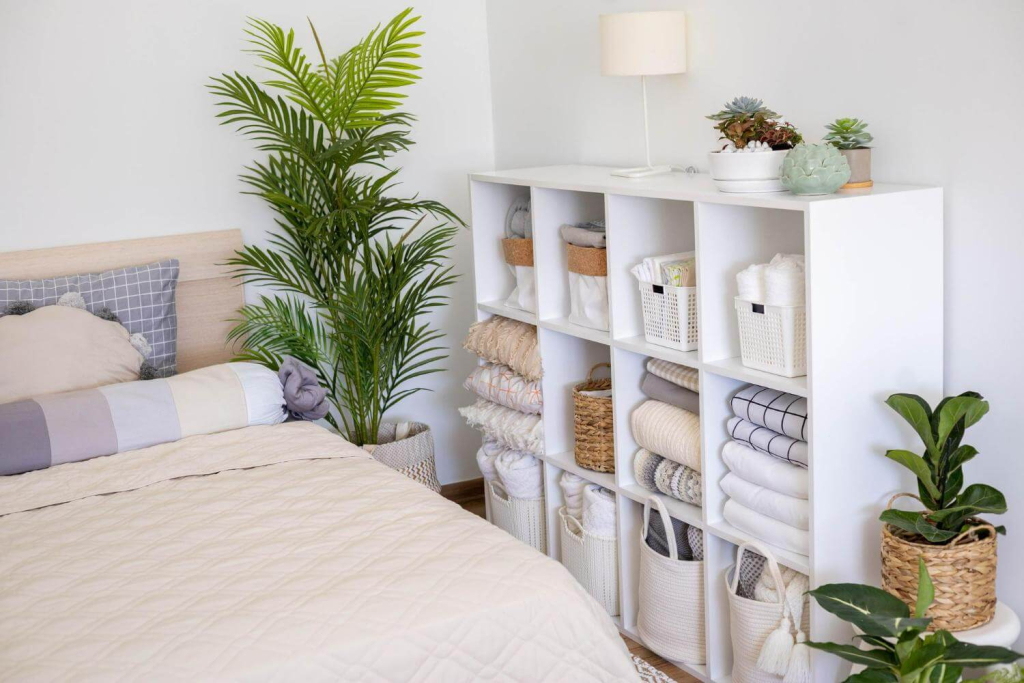
Clutter can make a bedroom feel cramped and stuffy, particularly when belongings occupy areas where airflow could otherwise move freely. Clearing unnecessary items opens up more space around the bed and walking areas while creating a calmer, more relaxing environment. It also makes routine cleaning easier and can help the room feel fresh.
A simple approach is to prepare two bags before starting: one for trash and another for donations. There is no need to tackle the whole bedroom in one session. Spending half an hour clearing a surface, shelf, or floor area can produce a visible improvement, while a weekend declutter can give the bedroom a noticeable reset for the coming week.
Decluttering will not substantially change the thermometer reading, but it can reduce the sense of stuffiness and make air circulation easier. During warmer months, that can contribute to a bedroom feeling cooler and more comfortable. A clearer room can also make it easier to identify which furniture or belongings are interfering with ventilation.
Rearrange Furniture Around Airflow
Once unnecessary belongings have been removed, look at the position of the remaining furniture. A large headboard, cabinet, or table positioned directly in front of a window, vent, or fan can restrict air movement. Rearranging these pieces can open pathways for air while making the bedroom easier to navigate.
Start with the bed, since it is usually the largest item and determines how the rest of the furniture fits into the room. Where possible, avoid blocking windows and ventilation points. Leaving a little more space around a corner can also make the room feel less crowded and give you a comfortable area to sit, read, or unwind.
These principles can work across different types of Philippine homes, including communities such as Camella Toril. A homeowner does not necessarily need to make structural changes to improve bedroom comfort. Thoughtful furniture placement can support better ventilation while keeping the room practical and consistent with the home’s overall style.
Unplug Electronics That Add Heat
Electronics can be easy to overlook when looking for sources of bedroom heat. A television, computer, charger, or other device produces some heat while operating, and equipment left on standby may continue consuming power while giving off small amounts of warmth. Several devices operating in a relatively small bedroom can contribute to noticeable heat buildup.
Before sleep, unplug equipment that does not need to remain connected overnight. Switch off unnecessary lights in the evening and consider low-heat LED bulbs for regular bedroom lighting. Appliances that generate more heat, such as hairdryers, are also better used outside the bedroom where practical.
Each device may contribute only a small amount of heat, but reducing several sources over a single day can improve the room’s overall comfort by nighttime. Combined with curtains and good ventilation, this can make a big difference without changing the bedroom’s appearance or consuming additional floor space.
Seal Windows and Doors to Keep Warm Air Out
Good ventilation depends on being able to control where outdoor air enters the home. Gaps around a window or door can allow warm air to enter during the day, while poorly sealed areas can also contribute to unwanted moisture. Checking these points is a simple maintenance task that can improve control over indoor conditions.
Inspect the edges of windows and doors for visible gaps, damaged seals, or areas where the window does not close properly. Addressing these problems can help prevent warm air from entering during the hottest parts of the day. This works particularly well alongside keeping windows closed when outdoor conditions are warmer than those indoors.
The aim is not to keep the bedroom sealed at all times. Instead, proper sealing gives you greater control over the air coming into the room, allowing you to limit unwanted heat during the day and introduce cooler outdoor air when conditions become more favorable at night.
Conclusion
A comfortable bedroom does not necessarily require a major makeover. Managing daytime sunlight, using blackout curtains, improving nighttime airflow, choosing breathable bedding, reducing clutter, rearranging furniture, and limiting unnecessary electronics can work together to improve comfort.
The key is to make changes that suit how the home responds to heat and cooler nighttime conditions. A few practical adjustments can help the bedroom feel calmer, more comfortable, and easier to maintain throughout the year. With the right combination of ventilation, bedding, lighting, and layout, the bedroom can become a more inviting place to relax, sleep, and get better rest as part of everyday life.