




Image Source: https://images.pexels.com/photos/29554602/pexels-photo-29554602.jpeg
Christmas in the Philippines brings children the excitement of receiving aginaldo from parents, grandparents, godparents, and relatives. These cash gifts also allow parents to teach kids about saving, spending, and sharing. Even small amounts can introduce important financial concepts through familiar holiday activities.
Christmas is a natural opportunity for teaching financial literacy. By turning traditions into practical money lessons, parents can help children learn responsible money habits that last beyond the holidays.
Start With Money Basics: Teaching Kids About Money and Its Value
Before children can manage money, they need to understand its purpose and value. Christmas shopping, wish lists, and household activities provide real-life examples that make these basic concepts easier to explain.
Introducing the Difference Between Needs and Wants
Christmas wish lists help kids learn to distinguish between needs and wants. Parents can ask children to identify essential purchases, desirable items, and things that can wait. Teaching kids about needs versus wants can start as early as preschool through hands-on activities such as sorting picture cards and ranking wish lists.
These exercises also introduce opportunity cost: choosing one purchase means giving up another. For example, a child with enough money for either a toy or a video game must decide which matters more. This helps children understand that money has limits and spending decisions involve trade-offs.
Making Money Tangible Through Everyday Experiences
Children understand money more easily when they can see and handle it. Parents can use Monopoly to introduce buying, paying expenses, and managing limited resources. A mini-market with play money also lets children practice counting, purchasing, and receiving change.
During real shopping trips, encourage children to compare prices and assess value versus cost. Parents can also explain how household income covers bills and expenses such as groceries, transportation, and utilities. These practical experiences demonstrate how money works in everyday life.
Earning Money: Teaching Kids About the Value of Work
After learning what money represents, children can explore where it comes from. Age-appropriate tasks and allowances introduce the relationship between effort, income, and financial responsibility.
Introducing Allowances and Age-Appropriate Tasks
Children can learn about earning money through chores and household tasks suited to their age. Parents may offer allowances or commissions for optional responsibilities, such as organizing toys or watering plants. Teaching children about earning money can start during preschool, provided tasks are appropriate to their abilities.
Parents should distinguish between everyday family responsibilities and optional paid work. This helps children understand that money is earned without making every household contribution transactional.
Connecting Earnings With Financial Responsibility
Encourage children to decide what to do with their earnings. They can save for a purchase, set aside money for sharing, or spend a small amount on something they enjoy. Elementary students can already manage modest amounts with parental guidance.
These experiences give children a head start in understanding personal finance and the importance of assigning money a purpose.

Image source: marynakushnarova | Magnific
Financial Goals: Christmas Money Lessons for Kids Through Saving
Christmas aginaldo provides an accessible starting point for teaching children to save money. With simple routines, parents can introduce financial goals and demonstrate how regular contributions accumulate over time.
Using the Three-Jar System to Build Money Habits
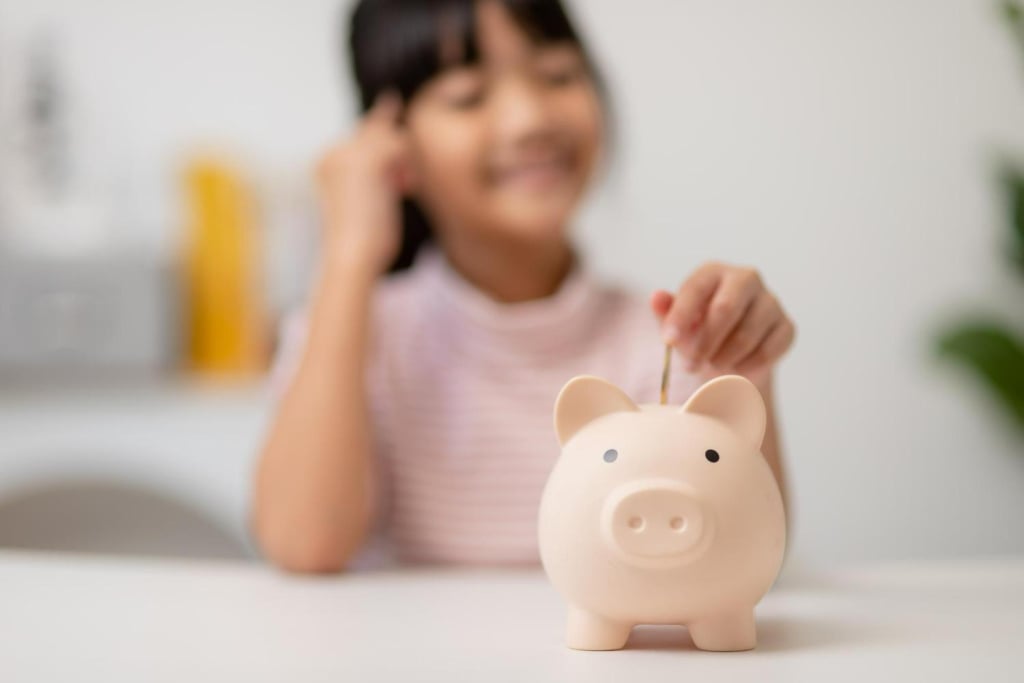
The Three-Jar System divides cash into three categories: Save, Spend, and Share. Clear jars help children visualize how their money is distributed and watch their savings grow. A piggy bank or savings jar can also encourage regular contributions.
Children can start saving as early as age 5, when simple routines and small targets become easier to understand. Money habits also begin forming around this age, making early guidance important. Discussing how much goes into each jar encourages good financial habits and helps preschoolers understand how to divide their money.
Setting Financial Goals Through a Christmas Savings Countdown
Help children choose a realistic savings target, such as a book, toy, or family activity. Even a few dollars from an aginaldo can become the starting point for a savings goal. A Christmas savings countdown lets children track their progress and see how consistent saving helps money grow.
Discussing financial goals can motivate children to save money rather than spend everything immediately. As they grow older, parents can introduce long-term goals and explain why some savings should be reserved for unexpected expenses.
Building an Emergency Fund for Unexpected Expenses
An emergency fund introduces the idea of keeping money available for situations that cannot be planned. Explain that these savings serve a different purpose from money set aside for toys or holiday purchases. This gives children an early understanding of financial preparation.
Financial Decisions: Helping Children Budget and Spend Responsibly
Receiving cash gifts gives children opportunities to practice budgeting and making financial decisions. Parents can turn Christmas shopping and gift planning into practical exercises in prioritization and responsible spending.
Giving Children a Christmas Spending Budget
Give children a fixed amount of their own money for holiday purchases. This teaches gift budgeting and helps them plan how much to spend on presents, personal treats, and savings. Children can also participate in preparing a budget for holiday expenses with the family.
Encourage them to compare prices and assess whether an item offers good value. A waiting period before purchasing nonessential items can also help children resist impulse buys. These exercises teach them to consider their choices before spending.
Practicing Responsible Spending in Real-Life Situations
Bring children into actual shopping experiences and let them make small spending decisions within their budget. Tracking each purchase helps them recognize where their money goes and understand the consequences of their choices.
In communities such as Camella Tagum, family activities and neighborhood celebrations can provide opportunities for parents to practice these lessons with their children. Planning Christmas purchases together also helps the whole family understand how budgeting works within available resources.
Bank Account: Introducing Children to Financial Institutions and Future Financial Goals
Once children become comfortable handling cash and saving, parents can introduce formal ways of managing money. A savings account provides a practical starting point for understanding financial institutions and personal finances.
Opening a Savings Account for Children
Explain how a bank account differs from keeping cash at home. Parents can explore children’s savings account options offered by Philippine banks, checking deposit requirements, maintaining balances, age restrictions, and parental consent policies.
Savings accounts can teach children about managing money through deposits, withdrawals, interest, and account balances. Older children can observe how these transactions affect their available savings. Requirements vary between financial institutions, so parents should check the applicable terms before opening an account.
Building Financial Knowledge for the Future
As children mature, introduce more advanced personal finance concepts. Explain how investing differs from saving and introduce the stock market as a place where people buy and sell company shares. College students and working adults may encounter these decisions when planning for education and long-term goals.
Credit and debt are also important topics. Explain that borrowing creates an obligation to repay money, often with additional interest. Children can gradually build the knowledge needed to make informed financial decisions as they grow.
Good Financial Habits: Making Generosity Part of Money Management
Financial literacy also includes understanding how money can support others. Filipino Christmas traditions offer opportunities to teach generosity, responsible giving, and family participation in financial education.
Teaching Children About Money Through Christmas Giving
Encourage children to allocate part of their aginaldo to sharing with others. They can choose charities, participate in community outreach, or prepare handmade gifts for relatives and friends. Creating budget-friendly handmade gifts teaches resourcefulness, while small acts of giving demonstrate that generosity does not require spending much.
These activities help children appreciate the value of money beyond personal purchases. Giving can also foster empathy, social responsibility, happiness, and well-being.
Making Financial Literacy a Whole-Family Practice
Parents influence children’s money habits through their own behavior around budgeting and spending. Talking openly about affordability helps children understand financial limits and why certain purchases may need to wait. Involving the family in holiday planning also shows how financial decisions affect household resources.
The Four-Gift Rule encourages thoughtful gift selection rather than excessive spending. Parents can involve children in preparing a holiday budget and planning affordable celebrations. When teaching financial literacy becomes part of family traditions, children have more opportunities to practice what they learn.
Conclusion: Raising Children Who Make Thoughtful Financial Decisions
Christmas offers families an opportunity to turn aginaldo, shopping, and gift-giving into meaningful financial lessons. Through consistent guidance and practical experiences, children can develop the knowledge and confidence to manage money responsibly. Parents can teach children practical ways to make financial decisions, including when to spend money and when to save.
Starting early helps build habits that shape how children approach their finances throughout adulthood. When parents encourage children to start learning about money at a young age, each experience becomes an opportunity for a child to learn responsible money management and make thoughtful choices about their future.