




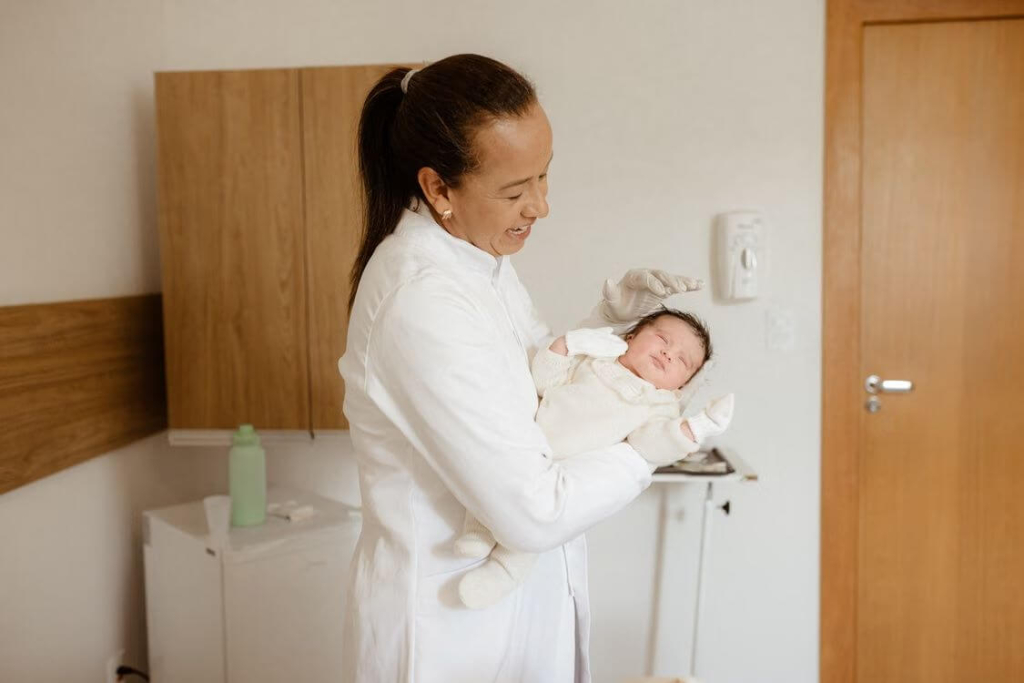
Image source: Pexels
For new parents, the first days after birth bring many checks and decisions. One of the most important is newborn screening, a public health program that looks for certain health conditions before symptoms become noticeable. In the Philippines, newborn screening has been available since 1996 and is supported by the mandate of the Newborn Screening Act of 2004. Understanding what the tests involve, when they are done, and what happens afterwards can help parents respond confidently. In the United States, more than 95% of newborns undergo screening annually, illustrating how widely established these programs have become, while Philippine coverage continues to expand.
What Are Newborn Screening Programs?
Newborn screening programs use a range of screening tests to identify certain health conditions early, with the specific approach depending on the conditions included in each program.
What Does Newborn Screening Test For?
So, what is newborn screening? It refers to newborn screening tests performed shortly after birth to identify selected genetic, metabolic, endocrine, hearing, and heart-related disorders. Many newborn babies with these conditions look healthy at birth, so appearance alone cannot reliably identify a problem.
Newborn screening can identify certain conditions that may affect a child’s neurological or developmental health if left untreated. Historically, severe developmental impairment was sometimes described using the term “mental retardation,” although “intellectual disability” is the preferred terminology in current medical practice. Typically, health care providers collect blood samples within 24 hours after birth.
Which Conditions Are Included in Newborn Screening Programs?
Newborn screening programs vary by country in terms of conditions tested, but some programs screen newborns for up to 50 diseases. When health conditions are found early, early treatment can significantly reduce disease severity and help prevent serious health problems that may otherwise affect a child’s development. Early detection allows health care providers to investigate possible concerns and begin early treatment before some medical conditions cause serious health problems.
How Is Newborn Screening Different From a Physical Examination?
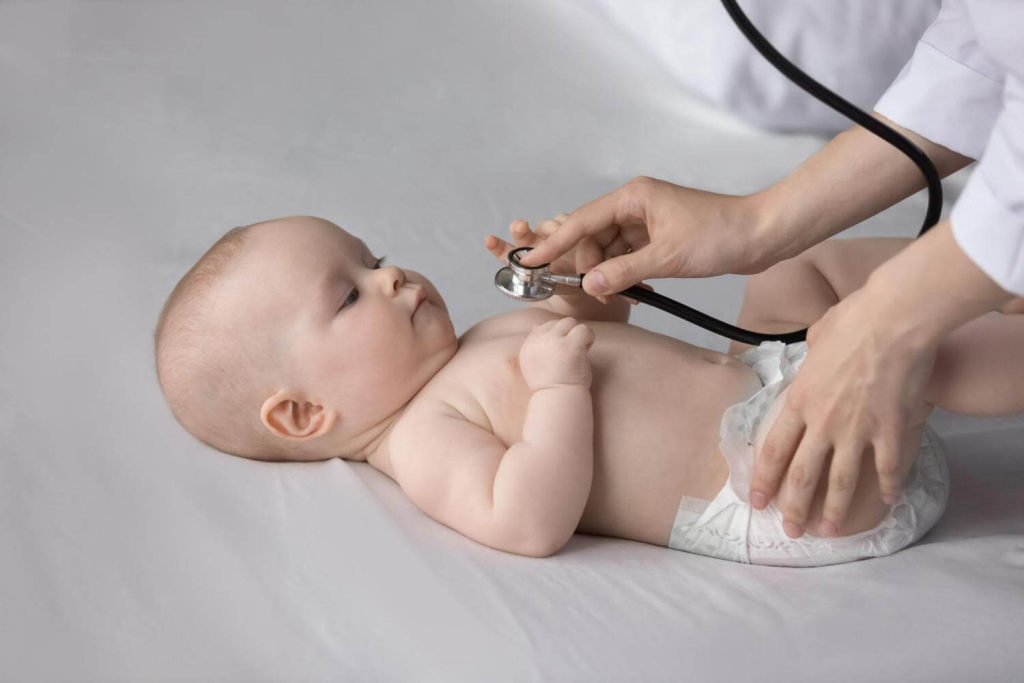
Newborn screening is also different from the routine physical examination performed after birth. During a physical assessment, a healthcare provider examines the baby’s head and other parts of the body for signs of abnormalities, while screening tests look for specific conditions that may not be apparent during an examination. Screening identifies babies who may need closer evaluation; it does not confirm that a disease is present. A result outside the expected range means follow-up testing may be needed, while a result in the normal range means the screening did not indicate one of the conditions tested.
What Tests Are Included in Newborn Screening Programs?
Newborn screening programs differ by country because each screening program is based on local health priorities and available resources. To name a few:
Newborn Metabolic Screening Program and Baby’s Blood
The newborn metabolic screening program examines how the infant’s blood processes substances such as amino acids, fatty acids, and organic acids. Depending on the national panel, screening may identify metabolic disorders, endocrine disorders, and hemoglobin disorders. Examples include organic acid metabolism disorders, fatty acid oxidation disorders, maple syrup urine disease, biotinidase deficiency, beta-ketothiolase deficiency, trifunctional protein deficiency, and congenital adrenal hyperplasia.
Cystic Fibrosis and Other Conditions Detected Through Blood Screening
Some screening systems also test for cystic fibrosis and severe combined immunodeficiency. Hemoglobin-related testing may identify conditions involving red blood cells, including sickle cell anemia and other sickle cell diseases. Because panels vary, parents should check the current Philippine program to know exactly which disorders are included.
Hearing Screening for Health Conditions
Hearing screening checks whether a newborn may have hearing loss before it becomes an obvious hearing problem. An OAE test is one commonly used method; it measures how the inner ear responds to sound.
Heart Screening for Critical Health Conditions
Heart screening can look for critical congenital heart disease, including serious critical congenital heart defects that may not be immediately visible. Pulse oximetry uses a pulse oximeter machine to estimate how much oxygen is circulating in the baby’s blood. This screening can help detect a critical congenital heart disease (CCHD) while the baby is still in the newborn period.
What Parents Should Ask Before Going Home
Before discharge, parents can ask four practical questions: Was the blood screening completed after 24 hours? Was a hearing test performed? Was heart screening performed when indicated? When and how will the test results be provided? Keeping these answers with the baby’s medical records makes it easier to discuss care at future appointments.
How Is the Blood Spot Collected From the Baby’s Blood?
The blood portion usually uses a heel stick. A trained healthcare provider performs this simple medical procedure by pricking the baby’s heel and collecting a blood sample. A few drops of the baby’s blood are placed onto special filter paper or special paper, creating a blood spot for laboratory analysis.
The baby’s skin may be briefly uncomfortable, but only a small amount of blood is required. The sample must be collected and handled correctly because poor-quality specimens may need to be repeated. A specimen collected prior to the recommended timing may not provide the most appropriate screening conditions for every disorder, so a healthcare provider may request another sample.
When Should Newborn Screening Be Done?
Parents should ask about newborn screening before leaving the birthing facility and confirm which tests have been completed. Hearing screening follows a separate timeline. The Department of Health’s program promotes screening within the first month, hearing evaluation by the third month, and intervention by the sixth month when hearing loss is confirmed. This 1-3-6 approach makes prompt follow-up important.
What Do Newborn Screening Results Mean?
Parents should keep the baby’s newborn screening results with other medical records. A result within the normal range generally means the screening did not identify an indication for the conditions tested. It does not mean the baby was tested for every possible disease or that future health problems are impossible.
Screening also supports public health planning by showing which disorders occur in a population. For individual families, the immediate priority remains completing recommended tests and acting on results. Questions about timing, costs, available facilities, or referrals are best directed to the healthcare provider handling the baby’s care.
Why Keeping the Results Matters
The report should remain accessible even after a baby has received a normal result. Pediatric visits may involve questions about earlier screening, and the record can help health care providers understand what was already checked. If a child later develops symptoms, a previous screening result can provide useful background without replacing a new medical evaluation.
Image source: https://www.magnific.com/free-photo/mom-holds-legs-newborn-baby-her-hands_49327142.htm
What Happens After Abnormal Results?
Abnormal results can be frightening, but they are not the same as a confirmed diagnosis. Screening is designed to identify babies who may need more testing. Timing, sample quality, and individual biological differences can affect results, which is why follow-up testing is essential. Some screening systems notify parents within 48 hours when abnormal results require further investigation, but the process and timing can vary between healthcare facilities.
Additional Testing and Specialist Care
Additional testing may include another special tests, blood spot, blood tests, specialized laboratory analysis, or diagnostic procedures. More testing may be especially important when a suspected disorder can progress quickly without treatment. Depending on the result, the baby may be referred to a pediatrician, genetic counselor, endocrinologist, metabolic specialist, audiologist, cardiologist, or another health professional.
Parents can ask what the abnormal result means, which test comes next, where it will be performed, and how quickly it needs to happen. Philippine newborn screening facilities and centers support confirmatory testing, referral, and follow-up care. The goal is to determine whether a screening finding is confirmed and, if so, what treatment or monitoring is appropriate.
Why Does Early Treatment Matter for Health Problems?
The main benefit of newborn screening is finding certain rare health conditions before they cause noticeable symptoms. Some metabolic and endocrine disorders can become serious before parents realize that anything is wrong. Early diagnosis can allow treatment, dietary management, monitoring, or specialist care to begin before complications become severe.
In the United States, about 3,000 newborns are identified annually with severe disorders through screening, demonstrating how screening can uncover conditions that might otherwise go unnoticed during the newborn period.
When Conditions Are Found Early
Early treatment can help prevent metabolic crises, neurological complications, endocrine emergencies, and other health problems associated with untreated disorders. Congenital adrenal hyperplasia, for example, can require timely management. Early identification of hearing loss can support intervention during an important period for language and communication development. Heart screening can prompt cardiac evaluation when an otherwise healthy-appearing baby has an abnormal oxygen reading.
Conclusion
For families, the practical steps are simple: ask whether screening was completed, understand which tests were performed, keep the results, and respond promptly if follow-up is recommended. Newborn screening cannot identify every condition, but when a disorder is included in the panel, being found early can give babies a better opportunity for timely treatment and healthier development. Families preparing for life after discharge, including those settling into communities such as Camella Solamente, can also identify nearby pediatric services and hospitals for routine newborn care.