




image Source: https://images.pexels.com/photos/27176689/pexels-photo-27176689.jpeg
Christmas in the Philippines brings decorated homes, family gatherings, and generous meals, but these traditions expose dogs and cats to hazards. From toxic decorations that can harm the intestinal tract to food that may cause serious illness, knowing what to watch for helps keep your pets safe. This guide gives pet owners holiday safety tips to protect furry friends and each pet’s health throughout the holiday season.
Christmas Tree and Decorations: Protect Pets From Hidden Hazards
A Christmas tree attracts curious pets. Cats may climb branches, while dogs may chew decorations. Keep tempting items out of reach.
Tinsel, Ribbons, and Wrapping Paper
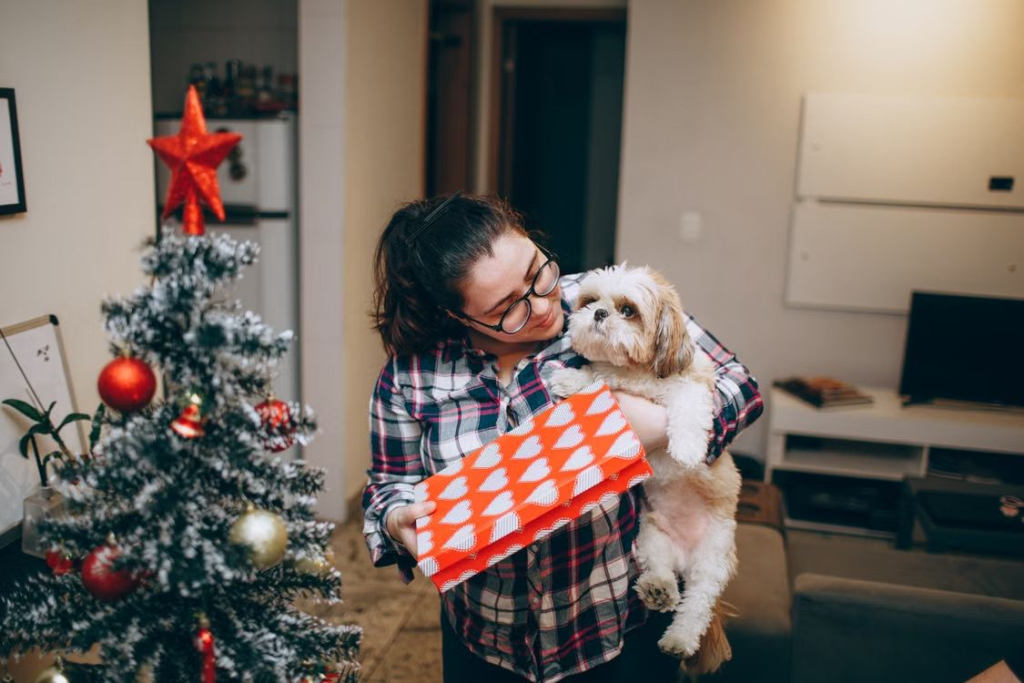
Tinsel, ribbons, and strings can look like toys to inquisitive pets, especially cats. If swallowed, decorations like tinsel can cause choking, intestinal blockage, or an obstructed digestive tract and may require emergency veterinary treatment. When families open presents, collect wrapping paper, ribbons, and packaging promptly, and keep gifts containing food or candy secure.
Christmas Tree Hazards and Tree Water
A real tree can irritate a pet’s mouth and stomach. Sharp, fallen pine needles may cause discomfort, vomiting, or diarrhea if chewed or swallowed. Secure the tree to prevent tipping, especially in homes where pets climb or paw at its lower branches.
Tree water can become a breeding ground for harmful bacteria. Cover the stand, remove fallen needles, and provide fresh water in a separate bowl so pets cannot drink from the base.
Snow Globes and Decorative Ornaments
Some snow globes contain ethylene glycol antifreeze, which is highly toxic to animals. Ingestion can cause poisoning, kidney damage, and even death. Broken globes and breakable ornaments can cause cuts, choking, or internal injuries.
Keep snow globes and fragile ornaments in secure places pets cannot reach. If one breaks, keep animals away until all liquid and fragments have been cleaned up.
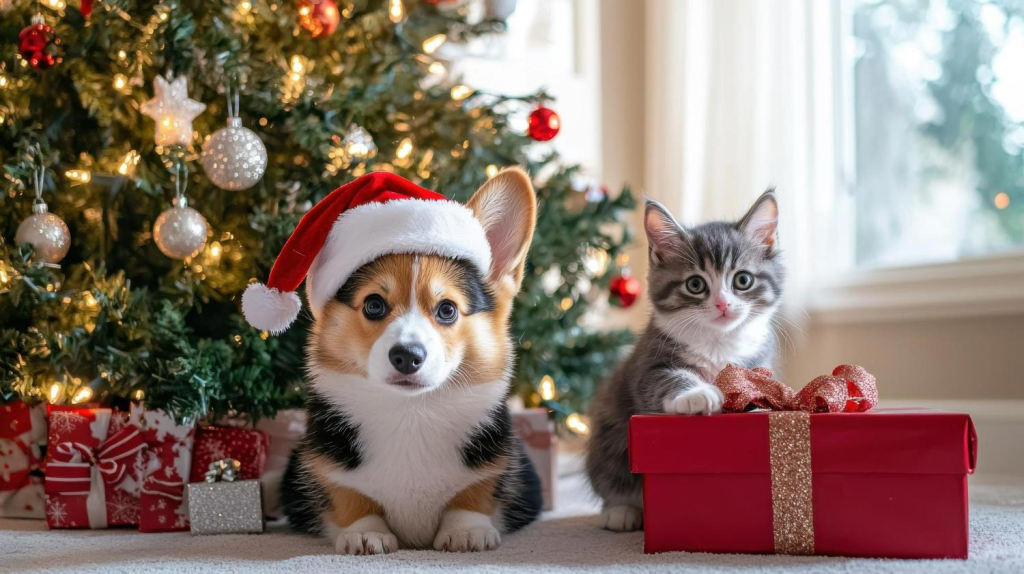
Image source: aphisitinthongxay | Magnific
Christmas Lights and Holiday Fire Hazards
Christmas lights and candles pose electrical and fire risks. Pets may chew wires or knock over flames, so secure decorations before celebrations.
Christmas Lights and Electrical Cords
Chewing Christmas lights or electrical cords can cause electric shocks and burns. Keep wires out of pets’ reach, tape or secure cords against walls, and use protective covers where needed. Check lights for damaged insulation and switch them off when pets are left unattended, or the household goes to sleep.
Candles and Open Flames
A playful paw or wagging tail can knock over a candle, causing burns or fire. Never leave candles unattended around pets. Place them on stable, high surfaces or use battery-powered candles instead. Take care with scented products and essential oils, as some ingredients can be toxic to dogs and cats depending on the product and exposure.
Festive Plants and Holiday Meal: Common Christmas Toxins
Holiday plants and food can expose pets to mild irritants and serious toxins. Check plants before bringing them indoors and keep meals, treats, and drinks away.
Festive Plants That Are Toxic to Dogs and Cats
Mistletoe, holly, lilies, and poinsettias are holiday plants that can harm pets if chewed or swallowed.
- Mistletoe: Can cause gastrointestinal upset; some species may cause liver failure.
- Holly: Can cause vomiting and diarrhea and may lead to cardiovascular problems if ingested.
- Lilies: Certain varieties are highly toxic to cats and can cause kidney failure.
- Poinsettias: Usually cause mild gastrointestinal irritation, including drooling, vomiting, or diarrhea.
Steer clear of toxic plants or keep them well beyond pets’ reach. This is especially important in households with many cats or dogs that investigate greenery.
Holiday Meal, Chocolate, and Other Toxic Treats
A holiday meal may contain ingredients that are dangerous for pets. Chocolate is toxic to dogs and cats and can cause vomiting, seizures, heart problems, and even death. Other hazards include:
- Xylitol: This artificial sweetener can cause a rapid drop in blood sugar and liver failure in dogs.
- Onions and raisins: These ingredients can cause serious health complications, including damage to red blood cells or kidney injury, depending on the food and amount consumed.
- Fatty foods: Can trigger pancreatitis.
- Candy canes and sweets: Can be toxic to pets, especially when they contain xylitol or other unsuitable ingredients.
- Alcoholic beverages: Can cause poisoning and affect coordination, breathing, and the nervous system.
Do not share table scraps, which can cause stomach upset during the holidays, particularly when food is rich or unfamiliar. Ask guests not to feed pets from the table, and keep food and drinks secure, including items left unattended.
Unsecured Trash and Leftover Food
Food preparation and holiday parties leave scraps, bones, and packaging within reach. Dogs may scavenge trash and cats investigate bags. Swallowed items can cause choking or intestinal obstruction.
Use secure, covered trash cans, dispose of leftovers promptly, and check floors and dining areas for items pets could chew or swallow.
Holiday Safety Tips to Keep Pets Safe During Gatherings and Travel
Holiday parties and travel disrupt routines with noise, unfamiliar guests, and new surroundings. Plan for stress and physical hazards with a quiet retreat and travel preparations.
Holiday Parties, Guests, and Stress
Crowds and loud conversations can overwhelm pets. Provide a quiet, familiar safe space where they can rest away from guests. Introduce animals to visitors slowly, ask guests not to offer food, and secure doors and gates to prevent escapes. Make sure pets wear identification tags with current contact details.
A comfortable home environment helps families accommodate their own pets during celebrations. In communities such as Camella Santiago, households can plan secure resting areas where animals can retreat while relatives and friends visit.
Holiday Travel and Safety When Families Open Presents
For holiday travel, use an appropriately sized carrier or secure restraint, bring familiar supplies, and provide fresh water. Plan suitable breaks on longer journeys and identify a veterinarian near the destination.
Supervise pets when family members open presents. Keep gifts containing chocolate, candy, ribbons, or small toys out of reach, and remove wrapping paper and packaging promptly. Check the area for loose strings and small objects before allowing pets to play.
Image source: yasinbaig0786 | Magnific
Christmas Pet Safety First: Recognizing the Warning Signs and Seeking Veterinary Help
Despite precautions, pets may encounter potential hazards. Watch for vomiting, diarrhea, drooling, weakness, unusual behavior, or appetite loss. Some toxins cause delayed symptoms, so do not wait if ingestion is suspected.
Contact a veterinarian immediately if a pet consumes a potentially toxic plant, food, chemical, or decoration. Share the substance, estimated amount, and time of exposure, and keep its packaging or a sample if available. Do not induce vomiting or give home remedies unless a veterinary professional instructs you to.
Christmas pet safety requires attention year-round. With practical precautions, pet owners can enjoy the festive season while keeping their animals safe.