



Image Source: https://images.pexels.com/photos/19980205/pexels-photo-19980205.jpeg
Home design influences how people rest, work, eat, and connect. A healthy home supports physical health, sleep quality, and overall well-being through practical choices involving light, ventilation, water, and materials. In today’s fast-paced world, these design strategies are becoming part of the growing trend toward wellness real estate. Homes with biophilic design and wellness features have been associated with potential resale premiums of 10–25%, reflecting the growing interest in wellness-focused properties. Wellness real estate is valued at over $500 billion and projected to exceed $1 trillion by 2029.
Biophilic Design and Natural Elements: A Foundation for Healthy Home Design and Living Spaces
Biophilic design integrates nature into indoor spaces through natural elements, greenery, daylight, and organic materials. Research shows that exposure to nature can reduce stress and support cognitive function, making it a useful foundation for healthier living spaces.
1. Incorporate Biophilic Design
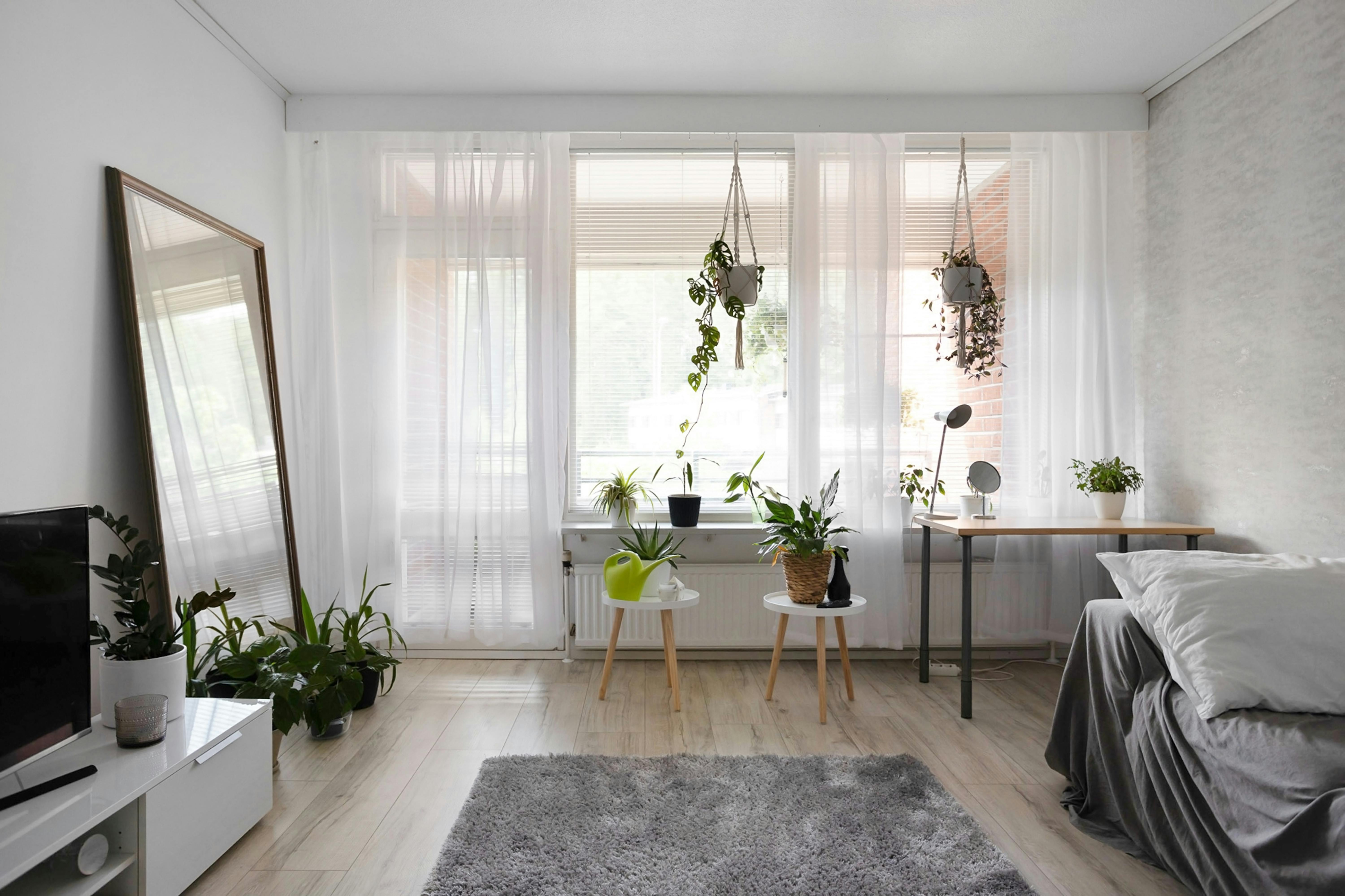
Indoor plants, natural materials, and views of the outdoors connect living spaces with nature. Wood, stone and other natural finishes, potted plants, and natural textures can create spaces that feel calmer. Homes with biophilic design elements have been associated with potential resale premiums of 10–25%, although actual values depend on location, market conditions, and development quality.
2. Maximize Natural Light
To maximize natural light, homeowners can use well-positioned windows, open layouts, and unobstructed openings. Natural daylight can improve mood and productivity while supporting the body’s daily rhythms. Access to natural light also contributes to health benefits associated with comfortable indoor environments.
3. Design Around Circadian Lighting
Circadian lighting follows changes in daylight to support the body’s sleep-wake cycle. Brighter lighting can suit active hours, while warmer, softer lighting is appropriate in the evening. Circadian lighting systems can complement natural daylight patterns and support sleep quality and mental clarity.
4. Incorporate Passive Solar Design
Passive solar design uses building orientation, window placement, shading, and sunlight to help manage indoor temperatures. In the Philippines, suitable shading and cross ventilation can limit heat buildup and reduce reliance on mechanical cooling.
Air Quality and Healthy Home Design: Creating a Safer Indoor Environment
Indoor environmental quality depends on construction materials, ventilation, and moisture control. These key features help maintain air quality in tropical built environments, where humidity, rainfall, and warm temperatures can affect indoor air quality.
5. Choose Non-Toxic Building Materials
Paints, adhesives, sealants, and finishes may release harmful chemicals. Low-emission products and low-toxin paints help limit indoor pollution. Non-toxic building materials and safe organic materials are also essential for reducing indoor air pollution and supporting healthier indoor environments.
6. Prioritize Natural Ventilation
Cross ventilation moves fresh air through a home when windows and openings are positioned strategically. Natural ventilation helps manage heat and humidity while reducing reliance on mechanical cooling.
7. Improve Indoor Air Quality
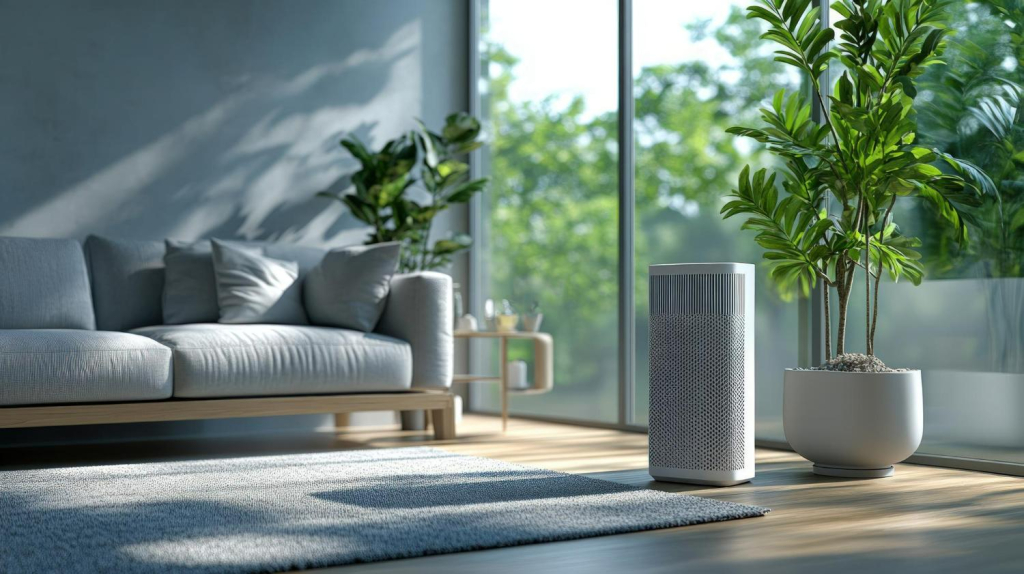
Dust, allergens, cooking emissions, and household products can affect indoor air quality. Advanced air purification systems filter pollutants and allergens, while suitable filtration can reduce airborne particles. In some wellness homes, indoor air quality may surpass outdoor standards, depending on the building, pollutant sources, ventilation, and filtration. Air purification works best alongside source control and a steady supply of fresh air.
8. Prevent Moisture Buildup and Mould Growth
Proper drainage, waterproofing, and damp-proofing help prevent moisture buildup and mould growth, which can contribute to respiratory issues. Homeowners should also check plumbing, roof leaks, and poorly ventilated rooms, especially during the rainy season.
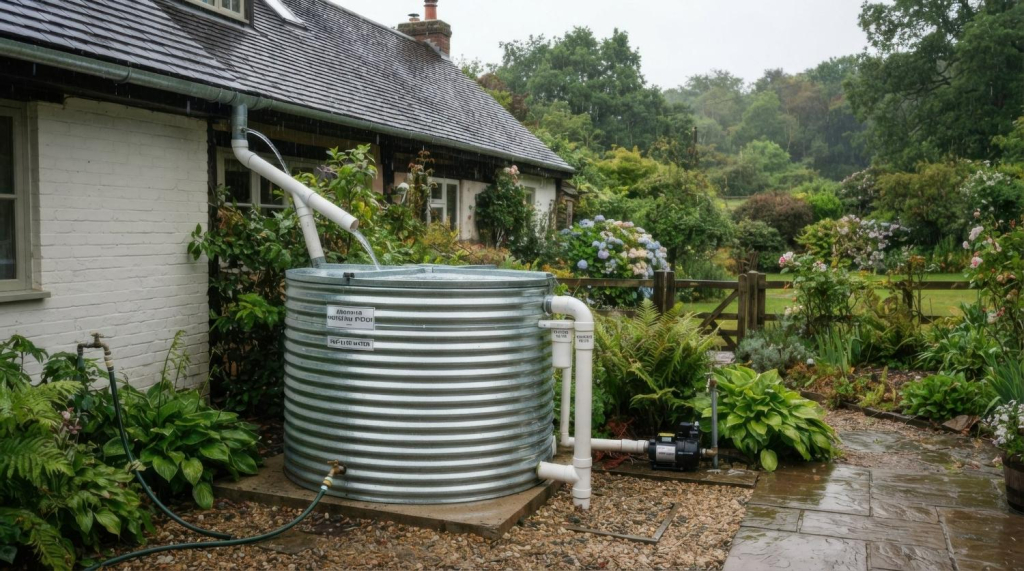
Image source: godtemplate | Maginific
Water Quality and Sustainable Materials: Making Responsible Household Choices
Water quality and material selection affect household wellness and environmental sustainability. Practical systems can conserve water, manage rainfall, and reduce the impact of construction choices.
9. Install Water-Efficient Fixtures
Water-efficient faucets, showerheads, toilets, and other systems reduce unnecessary consumption while maintaining everyday comfort. Choosing suitable flow rates is a simple way to conserve water.
10. Integrate Rainwater Collection and Reuse
Rainwater collection systems can store rainfall for non-potable uses such as garden watering and outdoor cleaning. Appropriate filtration, storage, maintenance, and overflow management support safe reuse and environmental sustainability, particularly in areas with heavy seasonal rainfall.
11. Provide Access to Clean Drinking Water
Water purification systems address contaminants based on the household’s water source and water quality. Some systems include mineralization stages that restore selected minerals after filtration, but treatment capabilities vary. Homeowners should check water-testing results and product specifications, then maintain filters as recommended. Point-of-use filters treat water at a specific tap, while whole-house systems treat water entering the home.
12. Select Sustainable and Locally Sourced Materials
Sustainably sourced wood and stone, along with other natural materials, can reduce carbon footprints when responsibly produced and selected for local conditions. Local materials can support Philippine craftsmanship and shorten transportation distances. Durability, emissions, and maintenance should guide selection. Wood and stone finishes can create spaces that reflect regional character while supporting responsible material choices.

Home Wellness and Living Spaces: Creating Room for Rest and Recovery
Home wellness depends on how living spaces accommodate activity, rest, and social connections. Dedicated wellness features can support physical health and personal wellness, with simple solutions suited to different household sizes and budgets.
13. Improve Acoustic Comfort
Excessive noise can interrupt concentration, relaxation, and sleep. Sound-absorbing materials, partitions, and thoughtful layouts reduce noise pollution and help create indoor spaces for rest and focus.
14. Create Dedicated Wellness Spaces in Luxury Homes
A dedicated wellness space can accommodate exercise equipment, stretching mats, or relaxation furniture. Larger rooms in luxury homes may serve several activities, while smaller homes can adapt an available corner. These spaces support physical and mental well-being through regular movement and rest.
15. Incorporate Meditation and Mindfulness Spaces
A meditation nook provides room for reflection, relaxation, and focus. Outdoor meditation gardens can incorporate plants and natural elements, while small water features may add gentle sound. Intentionally designed meditation spaces can encourage calm and mental clarity when kept free of clutter and noise.
16. Introduce Home Spa Features for Everyday Relaxation
A home spa may include a comfortable bathing area, soaking tub, or steam showers where space and plumbing allow. Traditional homes can adopt spa-like features through uncluttered bathrooms, softer lighting, natural finishes, and calming color palettes. Luxury homes may have room for larger bathing and relaxation areas.
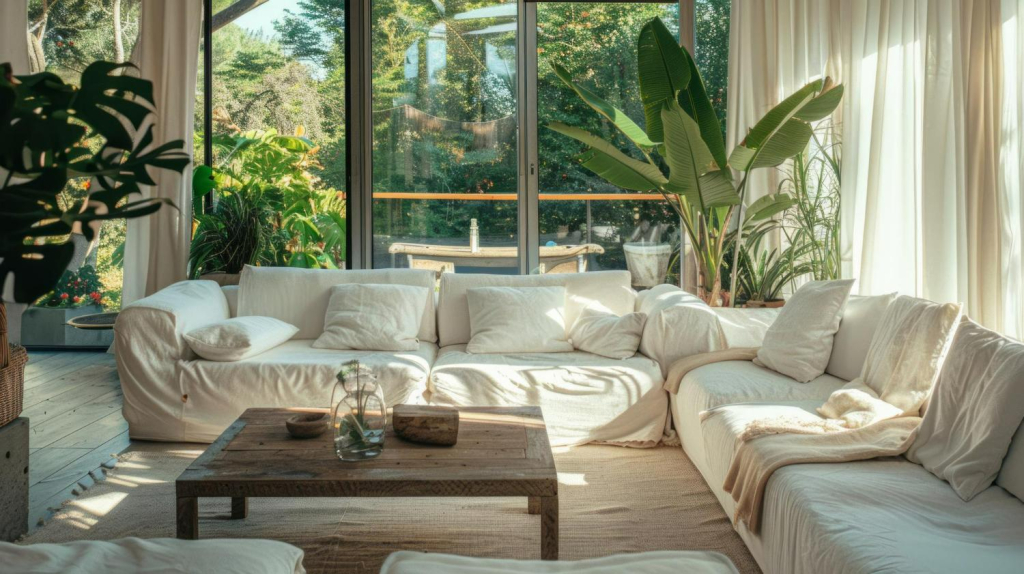
Image source: elements | Magnific
Key Features, Design Tips, and Additional Considerations for a Climate-Responsive Home
Healthy home design should respond to changing household needs and local environmental conditions. These additional considerations apply across the entire project, from material specifications to ventilation and shared outdoor areas.
17. Invest in Durable and Resilient Materials
Durable materials reduce frequent repairs, replacement, and waste. Select finishes and construction products suited to local sunlight, humidity, and rainfall. Building science, correct installation, and regular maintenance contribute to sustainable architecture and long-term residential quality.
18. Apply Universal and Climate-Responsive Design
Universal design incorporates safety features for people with different physical abilities, including accessible entrances, safer flooring, and convenient circulation. Climate-responsive design adapts the home to local temperatures, rainfall, and prevailing winds. At Camella Aklan, climate-responsive planning and accessible home features can help residents enjoy greater comfort as their needs change. These principles can guide material choices and maintenance on a daily basis, supporting comfort and quality of life.
Making Home Wellness Part of Everyday Life
A healthy home takes shape through everyday decisions that support comfort, health, and long-term well-being. From natural daylight and fresh air to sustainably sourced wood and stone, thoughtful wellness design can make modern living healthier and more comfortable. Dedicated wellness spaces provide room for physical activity, relaxation, and mental clarity, while renovations allow homeowners to introduce healthy design elements into existing properties. Whether through small adjustments or more extensive improvements, these choices can make a meaningful difference in daily life and contribute to healthier homes and a stronger sense of community.