




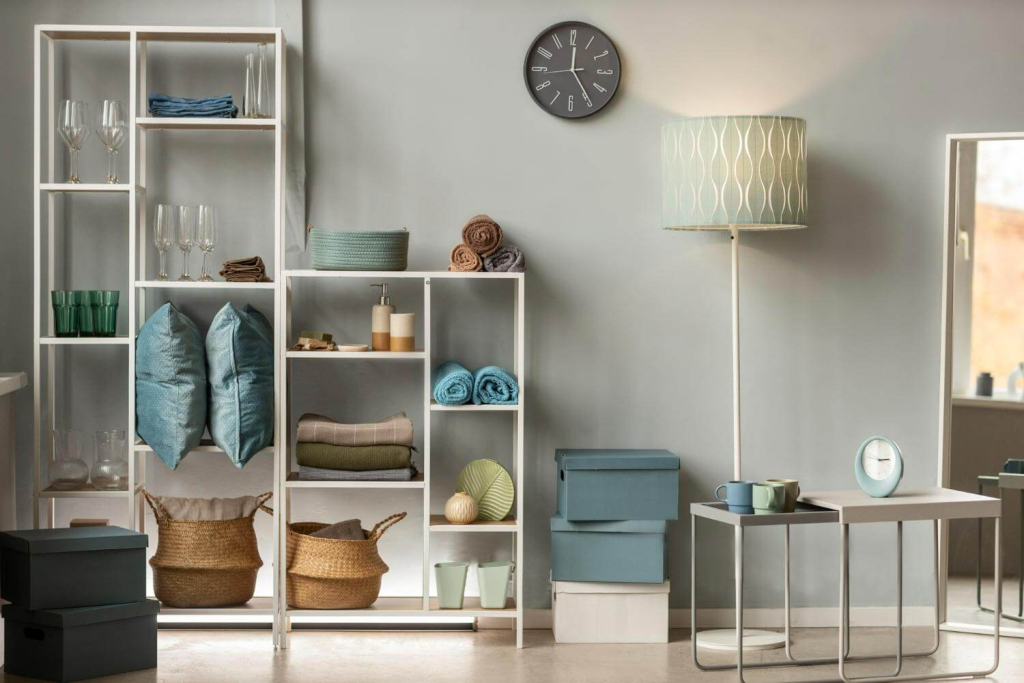
Image source: https://www.magnific.com/free-photo/modern-shop-prepared-live-auction_34914318.htm
If you’ve ever left unopened mail on the coffee table, stacked shopping bags by the door, or created one pile of random stuff that somehow keeps growing, you’re not alone.
These collections of miscellaneous items are often called doom piles, and they can quietly take over your house if left unchecked.
Learning how to avoid doom piles at home is not about achieving perfection. It’s about creating realistic routines that reduce clutter, make everyday life easier, and help you feel more in control of your surroundings. Whether you live alone or with a friend or family member, small changes can make a significant difference.
In this guide, we’ll explore why doom piles happen, how they affect your daily routine, and practical strategies to prevent future doom piles while building an organizing system that works for your lifestyle.
What Are Doom Piles?
Doom piles are collections of unrelated items that accumulate because they’re difficult to put away or require a decision before they can be stored properly. Instead of having a designated home, these belongings end up sitting in visible spots throughout a room.
Doom piles are often attributed to folks with ADHD. However, that’s not always the case. There are many reasons why anyone can accumulate their own doom piles.
Common examples of doom piles include unopened mail left on the dining table, clean clothes sitting in laundry baskets, random electronics and chargers scattered across the coffee table, papers waiting to be filed, shopping bags that haven’t been unpacked, and clothing draped over chairs instead of being returned to the closet.
These small accumulations may seem harmless individually, but together they create visible clutter that can quickly overwhelm a space. These doom piles can even affect decision-making for most people.
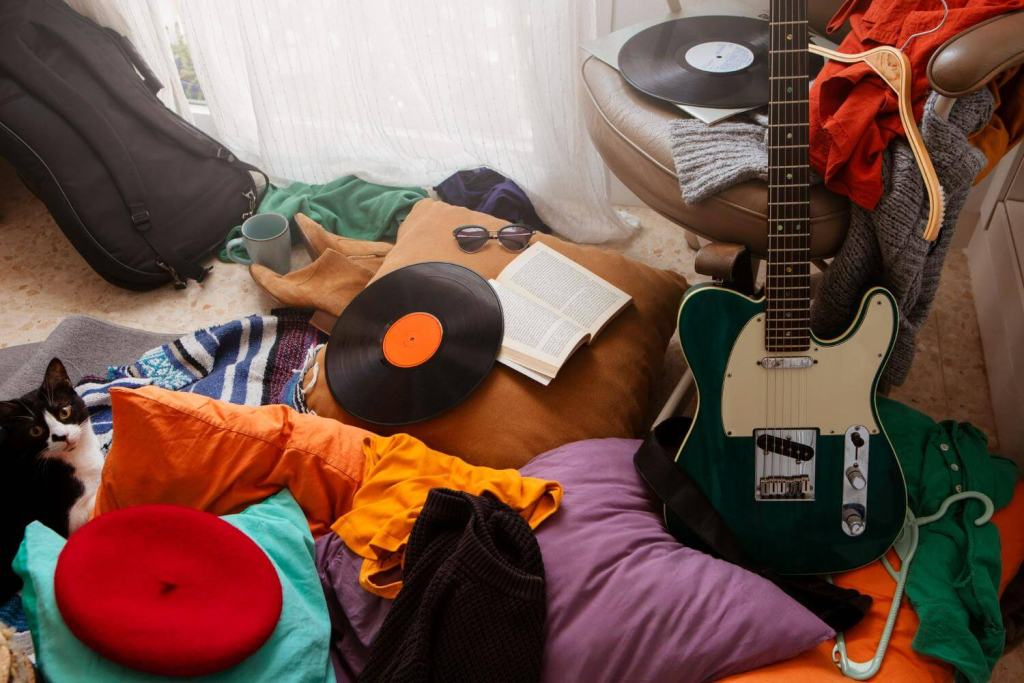
Image source: https://www.magnific.com/free-photo/messy-interior-full-clothing_152536900.htm
Why Do Doom Piles Form?
Understanding why piles develop is the first step in learning how to avoid doom piles at home.
Decision Fatigue
Every object requires a decision. You can tackle this challenge by asking whether you should keep it, donate it, recycle it, or throw it away.
When you’re tired after work, decision fatigue makes even simple choices feel exhausting. Instead of deciding, many people simply keep putting things down “for later.” Unfortunately, later often never happens, and those delayed decisions gradually turn into clutter.
Executive Functioning Challenges
Many experts note that executive functioning challenges can make organizing especially difficult for a lot of folks. These challenges affect planning, prioritizing, and completing tasks.
For people with ADHD, maintaining organized spaces may require different strategies than traditional organizing advice. While not everyone with ADHD experiences doom piles, the condition can make it harder to start or finish organizational tasks. Similarly, individuals dealing with depression, anxiety, or other mental health concerns may also find clutter more difficult to manage because everyday responsibilities require additional energy.
The important thing is to approach organizing without shame. When doom piles form, folks should see them as a challenge and not a personal failure.
The Hidden Cost of Doom Piles
At first glance, one pile may not seem like a problem.
Over time, multiple piles can create unnecessary chaos throughout the house. You may spend extra time searching for keys, important mail, or documents. You might even buy duplicates of items simply because you can’t find the originals.
Living in constant clutter can also affect your sense of calm and productivity. A messy environment may increase stress, make cleaning feel like a bigger task, and leave you feeling overwhelmed before your day has even begun.
How to Avoid Doom Piles at Home
The good news is that anyone can learn how to avoid doom piles at home through consistent, manageable habits.
1. Give Everything a Designated Home
One of the biggest reasons clutter builds is that items don’t have a clear destination.
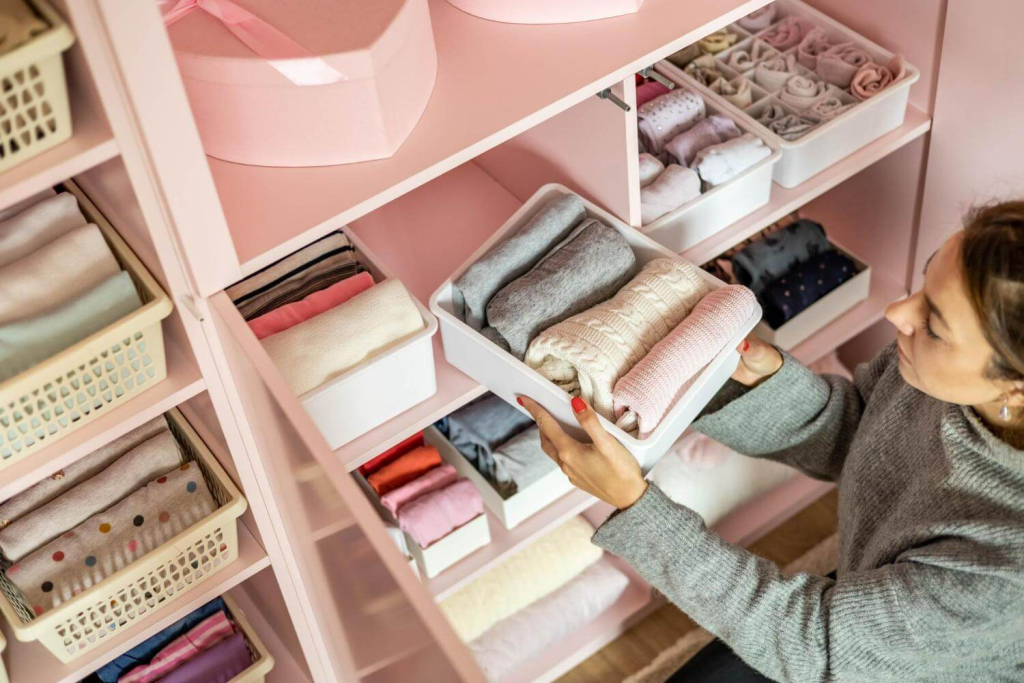
Give frequently used items a designated home so putting them away becomes automatic. Keep your keys near the entrance, store shoes in a rack, file important documents in folders with clear labels, keep chargers together in one drawer, and designate a storage bin for reusable bags. When every item has an obvious place to return to, putting things away requires much less thought and effort.
2. Handle One Task at a Time
Like most things in life, it’s easier to tackle your to-do list one thing at a time.
Instead of trying to organize your entire doom room, focus on one task. That could mean folding one basket of laundry, taking time to sort papers, emptying a single drawer, or finally deciding to deal with today’s mail. Breaking larger projects into smaller accomplishments makes them feel more manageable and reduces decision fatigue.
3. Follow the “Touch It Once” Rule
Whenever possible, avoid moving items repeatedly.
Some professional organizers encourage people to organize only moved items once by immediately placing them where they belong instead of relocating them from one surface to another. The fewer times you’re putting something somewhere temporarily, the less likely it is to become part of future doom piles.
4. Process Mail Immediately
Stacks of unopened mail quickly become intimidating for any person. Develop a simple routine by opening today’s mail as soon as you bring it inside, recycling obvious trash, filing important documents, paying bills promptly, and taking a few minutes to sort papers into clearly labeled folders. Handling correspondence in the moment keeps paperwork from piling up.
5. Set a Timer
Sometimes starting is the hardest part.
Set a timer for just 10 or 15 minutes and tackle one area of your home. Knowing there’s a clear stopping point makes organizing feel less intimidating, and you may find yourself continuing once you’ve built momentum. Even one short session every week can make a noticeable difference over the long run.
6. Use Labels
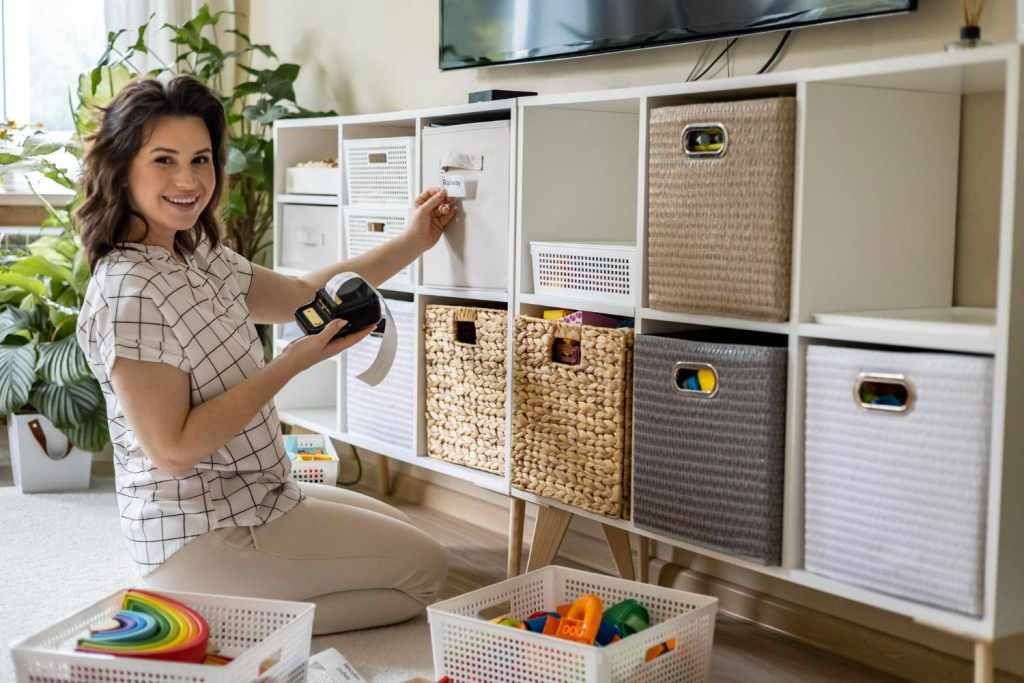
Clear labels help eliminate guesswork for everyone in the household. Label containers for seasonal decorations, children’s toys, office supplies, cleaning products, and hobby materials so every person knows exactly where things belong. A clearly labeled system makes it easier to maintain an organized home.
7. Don’t Be Afraid of Throwing Items
Many doom piles exist because people postpone difficult choices.
Practice throwing items that are broken, expired, or no longer useful. Toss trash, damaged products, recycle paper whenever possible, donate usable belongings that no longer serve a purpose, and remove unnecessary packaging before storing purchases. Reducing excess stuff creates more usable space and makes your home much easier to maintain.
Build New Habits That Last
Learning how to avoid doom piles at home isn’t about completing one major cleaning session. It’s about creating new habits that fit naturally into your daily routine.
Reset shared spaces before bedtime, put clean laundry away instead of leaving it in laundry baskets, return belongings to their designated home after using them, review your to-do list every morning, and spend just five minutes clearing visible surfaces. These simple routines may seem small, but over time they help prevent future doom piles from returning.
When to Ask for Help
Sometimes clutter becomes overwhelming, and that’s okay.
If organizing feels impossible, consider asking a trusted friend or family member or another family member to help you get started. Simply having someone there to talk to while sorting through belongings can make the process feel less stressful and more manageable.
You may also benefit from hiring a professional organizer or working with a professional organizing company. These experts help clients develop customized storage solutions, create practical routines, and establish an organizing system that works for their lifestyle.
If clutter is closely connected to mental health, anxiety, depression, or significant executive functioning challenges, seeking guidance from a healthcare professional can also be an important step. Talking to a professional can help you navigate not just clearing out doom piles but also life challenges.
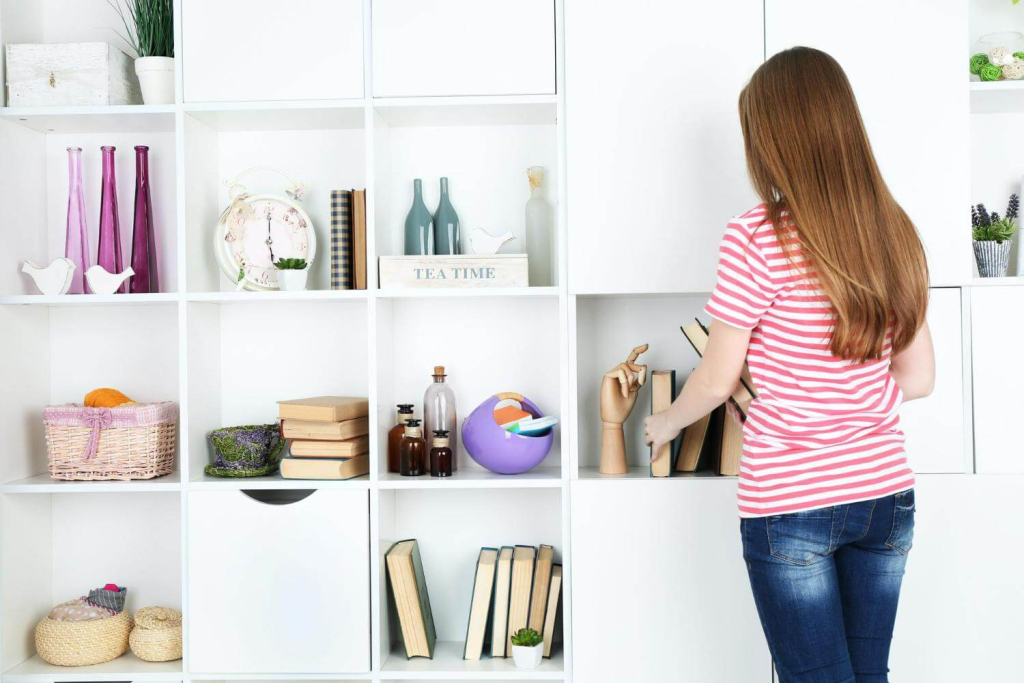
Image source: https://www.magnific.com/premium-photo/woman-looking-something-closet-room-with-modern-interior_423728329.htm
Avoid Turning One Room Into a Doom Room
A doom room often develops when a spare bedroom, office, or storage area becomes the place where everything without a home gets dumped.
Instead of letting clutter accumulate, gather similar items together, create storage by category, separate seasonal belongings from everyday essentials, and revisit the room regularly instead of waiting until the mess feels overwhelming. Spending even 15 minutes organizing each week is far easier than dealing with months of accumulated chaos.
Organizing Inspiration From Experts
Home experts and lifestyle writer publications, including advice frequently shared by Martha Stewart and other professional organizers, often emphasize that successful organization isn’t about buying more storage containers.
Instead, they encourage simplifying possessions, reducing unnecessary stuff, and creating routines that are easy to follow.
The best idea is often the simplest one: make it easier to put something away than to leave it out. When your system is practical and convenient, you’re far more likely to stick with it.
Remember: Progress Matters More Than Perfection
At some point, every household experiences temporary mess. Busy schedules, work responsibilities, family commitments, and unexpected events all lead to clutter from time to time.
Don’t let doom thinking convince you that your home has to be perfect. Progress is far more important than perfection. You don’t need to organize your entire space in one afternoon. With consistent effort, practical routines, and realistic expectations, you’ll gradually create a clear home that’s easier to enjoy every day.
If you find yourself spending hours scrolling social media or stopping to watch organizing videos instead of getting started, remember that taking action is what creates lasting change. Small wins today help prevent future clutter from becoming tomorrow’s overwhelming pile.
Create a Home That Supports Everyday Living at Camella
A well-organized home is a place that supports your daily routines, reduces stress, and gives your family more time to enjoy what truly matters in life. By learning how to avoid doom piles at home, building sustainable habits, and making organization part of everyday life, you can enjoy a cleaner, more functional living environment for years to come.
At Camella, thoughtfully designed homes and master-planned communities make it easier to build an organized, comfortable lifestyle. Spacious layouts, functional floor plans, and flexible living spaces give homeowners plenty of opportunities to create practical storage solutions that work for their families. Whether you’re purchasing your first home or moving into a larger one, Camella provides the ideal setting to establish lasting habits, reduce clutter, and enjoy a clear home where every member of the family can thrive.