




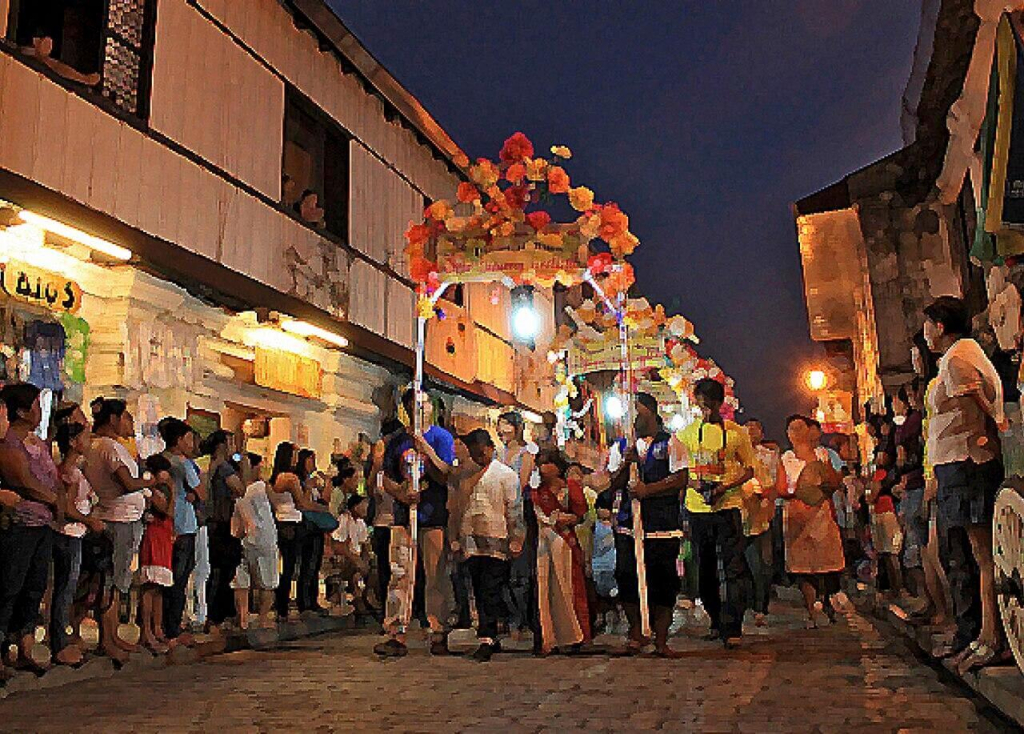
Image source: https://commons.wikimedia.org/wiki/File:Flores_de_Mayo_Ilocos.jpg
The Flores de Mayo festival is one of the most colorful and meaningful Filipino traditions celebrated every May across the country.
For many Filipino Catholics, this month-long religious observance honors the Blessed Virgin Mary through floral offerings, prayers, and a grand procession known as Santa Cruzan.
This guide to the Flores de Mayo festival in the Philippines explores its history, meaning, and the places where the Flores de Mayo celebrations remain most vibrant.
What is Flores de Mayo?
Flores de Mayo, which literally translates to “flowers of May”, is a devotional celebration dedicated to the Blessed Virgin Mary.
Throughout the month of May, young women, children, and families gather at churches to offer flowers, pray the Holy Rosary, and sing traditional hymns like Dios Te Salve, Ave Maria, Hail Holy Queen, and Salve Regina.
The Flores de Mayo festival is both a religious pageant and a community spirit event. Children dressed in white carry beautiful flowers and lit candles while visiting Marian altars decorated with fresh flowers. These Marian devotions culminate in the grand finale, the Santacruzan, a street procession featuring devotees as queens, representing Marian titles and historical figures.
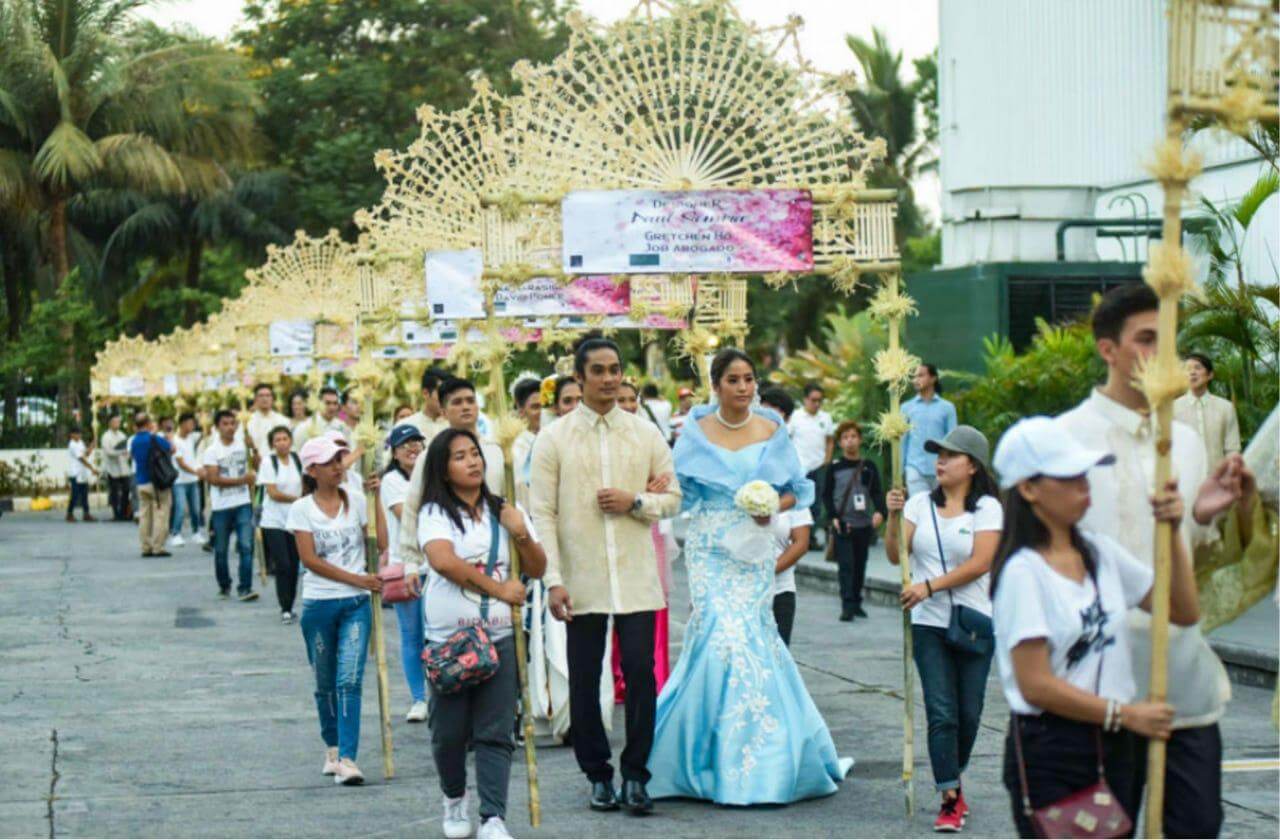
Image source: https://www.discoverphilippines.org/p/the-philippine-santacruzan
The Historical Figures of Flores de Mayo
At the heart of the Flores de Mayo celebrations is the story of Saint Helena (also known as Queen Helena or Reyna Elena) and her son, Emperor Constantine of the Roman Empire.
According to tradition, Queen Helena journeyed to the Holy Land in search of the True Cross on which Jesus was crucified. She eventually discovered the three crosses, accompanied by Roman soldiers. To determine the Holy Cross, the cross that healed a dying woman was identified as the True Cross.
This story is reenacted annually during the Santacruzan, making Reina Elena and Emperor Constantine central figures in the Flores de Mayo festival.
Queens and Symbolism in Flores de Mayo
One of the highlights of any guide to the Flores de Mayo is understanding the symbolic queens. During the grand procession, young women dressed in elaborate gowns represent different queens, such as:
- Reina de las Flores
- Reina de las Estrellas
- Reina Elena
- Reina Esther
- Reina Esperanza (Queen Hope)
- Reina Caridad (Queen Charity)
- Reina Fe (Queen Faith)
- Reyna Justicia (Queen Justice)
- Reyna Mora (Queen Moor)
- Reyna Banderada
- Queen Judith / Reina Judith
- Reina Sentenciada (Queen Convicted)
- Reyna Fe
- Reina Luna (Queen Moon)
Each queen represents virtues associated with the Blessed Mother and Mary’s role in Catholic devotion. Many Marian titles are also featured, such as Mystical Rose, Divina Pastora (Divine Shepherdess), and Blessed Mother.
The queens are escorted by two Roman soldiers, followed by brass band music, making the procession both solemn and festive.
History of Flores de Mayo
The Flores de Mayo dates back to the Spanish colonial period when Spanish missionaries introduced Marian devotions to the Philippines. The tradition of offering flowers to the Blessed Virgin Mary began as a European Catholic custom that evolved into uniquely Filipino Flores de Mayo celebrations.
During this period, the Most Holy Rosary and hymns like Dios Te Salve became part of daily prayers. The religious observance eventually developed into a religious pageant featuring historical figures and queens.
Another significant historical contribution came from Mariano Sevilla’s translation of Spanish devotional texts into Filipino, helping communities better understand the Holy Rosary and Marian prayers. This made the Flores de Mayo festival more accessible and widespread throughout the Philippines.
Today, the celebration remains one of the longest-running Catholic festivals in the country.
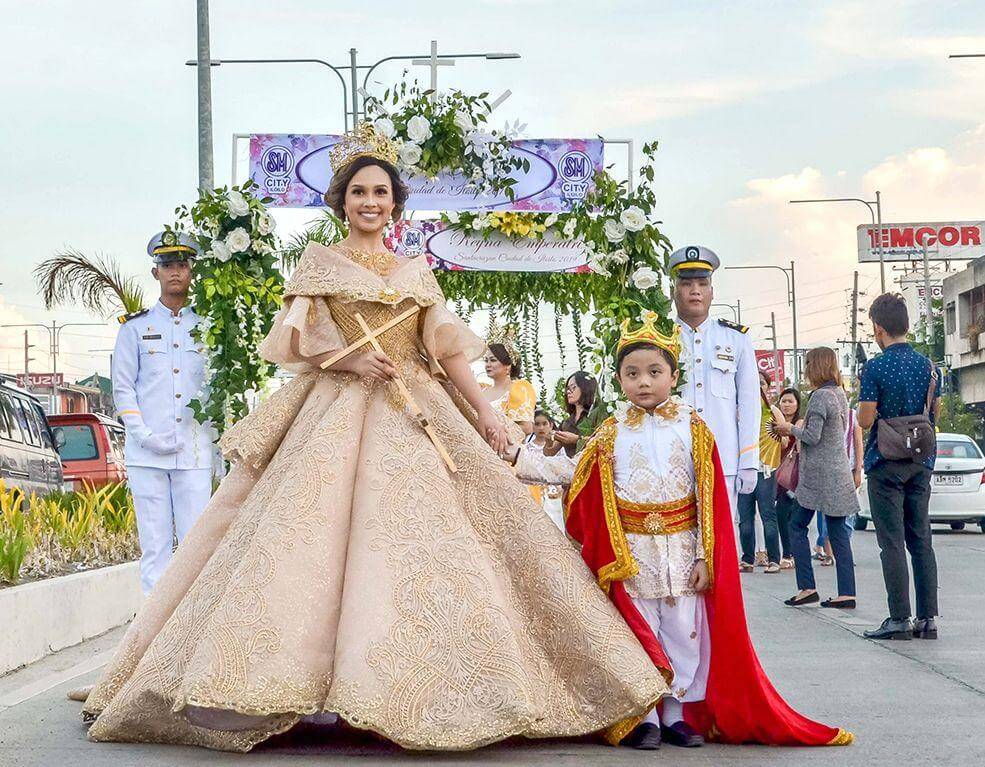
Image source: https://worldmissionmagazine.com/flores-de-mayo/
Where to Catch the Best Flores de Mayo Celebrations
While Flores de Mayo is celebrated throughout the country, some cities and provinces celebrate bigger, bolder, and grander.
Quezon Province: Lukban’s Flores de Mayo (and Pahiyas Festival)
Quezon Province, especially Lukban, is known for elaborate Flores de Mayo celebrations alongside its colorful festivities. In the month of May, Quezon Province also celebrates the Pahiyas Festival.
As part of their Flores de Mayo celebrations, communities gather to build Marian altars decorated with fresh flowers while young women portray queens such as Reyna Elena, Reyna Esperanza, Reyna Caridad, and Reina Fe.
The grand procession here features elaborate gowns, brass band music, and lighted candles.
Pampanga: Infused With Rich Catholic Tradition
Pampanga’s Flores de Mayo features a vibrant procession and grand religious pageant.
Reina de las Estrellas, Reina Esther, Queen Judith, and Reyna Justicia are among the most-awaited queens in the Kapampangan Flores de Mayo.
The grand finale often includes reenactments of Saint Helena discovering the True Cross.
Bulacan: A Grand Religious Pageant
Bulacan hosts one of the most elegant Flores de Mayo festival celebrations. Known for its beautiful Santa Cruzan, Bulacan showcases Reyna Elena, Queen Helena, Emperor Constantine, and Roman soldiers.
Residents decorate streets with beautiful flowers while children offer flowers to the Blessed Virgin. The community spirit in Bulacan makes the celebration memorable.
Manila: Historic Flores de Mayo in Rizal Park
In Manila, Rizal Park sometimes hosts large-scale Flores de Mayo celebrations. Here, multiple parishes gather for Holy Mass, Holy Rosary, and floral offerings to the Blessed Mother.
Visitors witness young women dressed in elaborate gowns, carrying fresh flowers, accompanied by brass band music.
The Flores de Mayo festivities have a more traditional feel in Manila. With Rizal Park as its backdrop, their procession feels like it’s straight out of the Spanish period in the historic city.
Bicol Region: Divina Pastora Devotion
In the Bicol region, Flores de Mayo is celebrated with a strong community spirit. Children recite prayers like Ave Maria and Hail Holy Queen while offering beautiful flowers.
The grand procession includes Reyna Mora, Reyna Abogada, and Reyna Sentenciada.
The Marian devotion is even more special for Bicolanos as they incorporate the Divina Pastora (Divine Shepherdess) devotion into their Flores de Mayo celebrations, particularly in the municipality of Bato in Camarines Sur.
Communities hold a nightly Holy Mass and rosary prayers throughout the festivities.
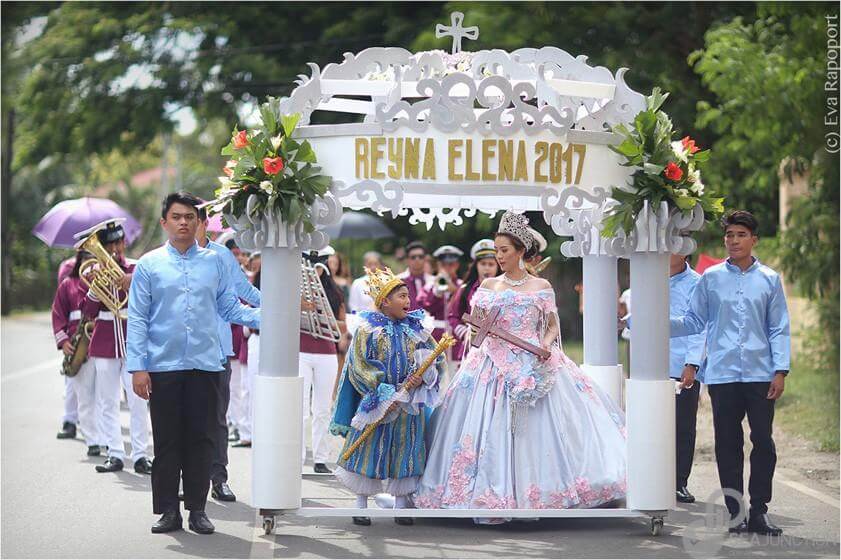
Image source: https://seajunction.org/gallery/glimpses-of-southeast-asia/santacruzan-procession/
Why Flores de Mayo Remains Important
The Flores de Mayo festival remains important because it strengthens fellowship, preserves Filipino traditions, and deepens Marian devotions. Families gather to celebrate faith, history, and culture.
Children learn about Saint Helena and the discovery of the True Cross in the Holy Land. The religious pageant also encourages youth participation, especially young women representing queens.
The celebration remains meaningful as it connects generations through shared faith and tradition.
Celebrate Flores de Mayo in Camella Communities
If you’re looking to experience vibrant Flores de Mayo celebrations, many Camella Homes developments are located in areas known for grand Flores de Mayo festival traditions, including:
These communities often host their own Flores de Mayo, complete with Marian altars, flowers, religious procession, and pageant activities. Families and children can participate in floral offerings, Holy Rosary, and Santa Cruz celebrations right within their neighborhood.
Camella developments foster community spirit, making them ideal places to celebrate Filipino traditions like Flores de Mayo. With open spaces perfect for vibrant procession routes and community gatherings, Camella communities help preserve the beauty of Flores de Mayo for future generations.
Whether you’re watching Reyna Elena, admiring elaborate gowns, or participating in floral offerings to the Blessed Virgin Mary, living in a community that values tradition makes the Flores de Mayo festival even more meaningful.
This guide to the Flores de Mayo festival in the Philippines shows that beyond the beautiful flowers and grand parades, the celebration is truly about faith, culture, and togetherness. These are values that continue to flourish in communities across the country, especially in Camella.