





Image source: zeeshanhaidersiyal05| Magnific
As the year draws to a close, many households start looking for practical ways to improve their homes. Year-end sales, holiday promotions, and extra income can make this a good time to consider upgrades that simplify everyday routines. But with so many products available, deciding which home appliances to buy can feel overwhelming for most people.
The smartest buys are not necessarily the newest or most expensive, of course. They’re the appliances and technologies that suit your lifestyle and fit your space. They’re the kind that offer lasting value. Whether you’re preparing meals more efficiently, cutting down on household chores, or making your home more comfortable, a little planning can help you spend wisely.
Must-Have Home Appliances to Buy This Year:
Here are the home upgrades that are absolutely worth buying before 2026 ends:
1. Air Fryers for Easier Everyday Cooking
An air fryer is one of the most practical small appliances for households that want to prepare food with less oil. It circulates hot air to cook and crisp food, making it useful for dishes such as chicken, vegetables, fish, and reheated leftovers.
For busy professionals, couples, and small families, an air fryer can reduce cooking time and simplify cleanup. It can also be a useful alternative to heating a large oven for smaller portions. However, capacity matters. A compact model may suit one or two people, while larger households may need a bigger basket or add cooking batches, which could take more time.
Before you buy, check the appliance’s wattage, capacity, controls, and cleaning requirements. Compare prices across reputable stores and check the warranty rather than choosing based on a discount alone. An air fryer can be a good investment if it matches the dishes you regularly prepare.
2. Kitchen Appliances That Make Meal Prep Faster
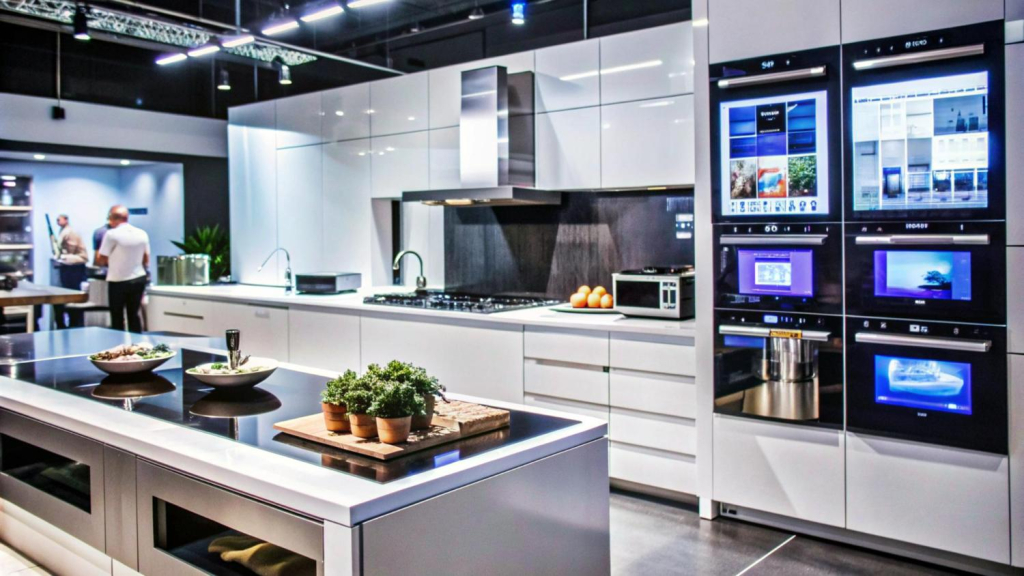
Preparing food at home can help households manage their budgets, but cooking from scratch takes time. The right kitchen appliances can make meal preparation easier without filling every counter with gadgets. You can even focus on small appliances for your kitchen.
Food Processor
A food processor is worth considering if you frequently chop vegetables, shred ingredients, mix sauces, or prepare homemade dips.
Blender
A blender is more useful for smoothies, soups, and drinks, while a powerful blender model may also handle tougher ingredients.
Stand Mixer
If you enjoy baking, a stand mixer can help with doughs and batters, although a hand mixer may be enough for occasional use.
Rice Cooker
Rice cookers remain a staple in many Filipino kitchens. Basic rice cooker models cook rice reliably, while multifunction versions may include settings for porridge, steaming, or other dishes. Choose features that suit your household instead of paying for functions you may rarely use.
Think about how much counter and storage space you have, too. A bigger food processor might be useful for someone who cooks for a crowd but inconvenient in a compact kitchen. Before buying, measure the available room and consider how often you’ll use the appliance.
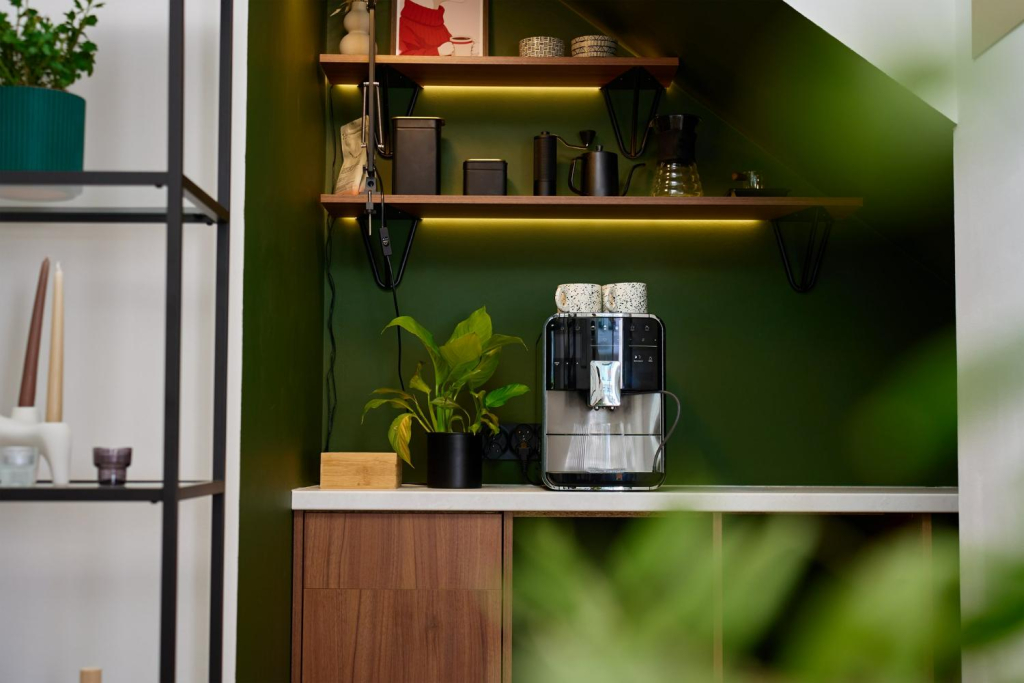
Image source: lazy_bear | Magnific
3. Coffee Makers and Toasters for Better Mornings
Coffee is part of most people’s daily routines. This means a home coffee maker can help you enjoy your preferred brew without making a café visit every morning. Depending on your taste and budget, you could choose a drip coffee machine, a French press, or an espresso machine to add to your roster of kitchen appliances.
Consider the cost of coffee grounds or capsules, cleaning, and replacement filters. A more expensive machine is not always the best choice if a simpler option can make the coffee you love.
A toaster or toaster oven can also make breakfast easier. A toaster works well for bread and quick snacks, while a toaster oven offers more flexibility for reheating, baking small portions, or preparing simple meals. If you already own a large oven, however, consider whether another appliance will genuinely add value. Plus, an oven will also allow you to make toast, so it all comes down to what you actually need.
The goal is to build a kitchen that supports your routine, not one filled with equipment that rarely leaves the cupboard.
4. Washing Machines That Save Laundry Time
Laundry can take up a significant part of the week, particularly for families and people with busy work schedules. A washing machine with a capacity suited to your household can make the chore more manageable. Features such as quick-wash cycles, adjustable water levels, and efficient energy use may also help reduce running costs.
A dryer can be especially useful outside of summer, especially during rainy periods when clothes take longer to dry. If your home has limited space, check the machine’s dimensions, ventilation requirements, and installation needs before making a purchase. A washer-dryer combination may save room, although its capacity and cycle times should be compared with separate units.
Don’t focus on the purchase price alone. Check energy and water consumption, warranty coverage, maintenance requirements, and the availability of service centers before you buy one. An appliance that costs less upfront may be a lot more expensive to operate over time.

Image source: aphisitinthongxay | Magnific
5. Smart Home Technology for Convenience and Safety
Smart home technology can make everyday routines more convenient. Smart plugs, connected lighting, and compatible security cameras allow you to manage certain functions through a phone or voice assistant. Depending on the product, you may be able to schedule lights, monitor entry points, or check connected devices while away.
Start with a clear purpose before adding new smart home appliances. For example, a smart plug may help you schedule a lamp, while a security camera may offer additional visibility around your entrance. Check whether the devices work with your existing Wi-Fi network and preferred smart home platform, such as Google Home, before buying.
Safety should come first. Purchase electronics from reputable sellers, use devices according to their instructions, and check electrical ratings before connecting appliances. Avoid plugging high-power appliances into smart plugs unless the plug is specifically rated for that load. Never use connected technology as a substitute for proper locks, smoke alarms, or other essential safety measures.
Smart devices can be useful upgrades, but you don’t need to add one to every room. Begin with one or two products that solve a real problem and add more only if they prove worthwhile.
6. Small Appliances That Help You Spend Wisely
Some of the best home upgrades are simple and add layers of value. An electric kettle can make hot drinks and meal preparation faster, while a compact oven can help people who enjoy baking but don’t need a large appliance. An electric grill may suit households that want another way to prepare vegetables, meat, or other dishes indoors, provided the product is designed for that use and has appropriate ventilation and safety features.
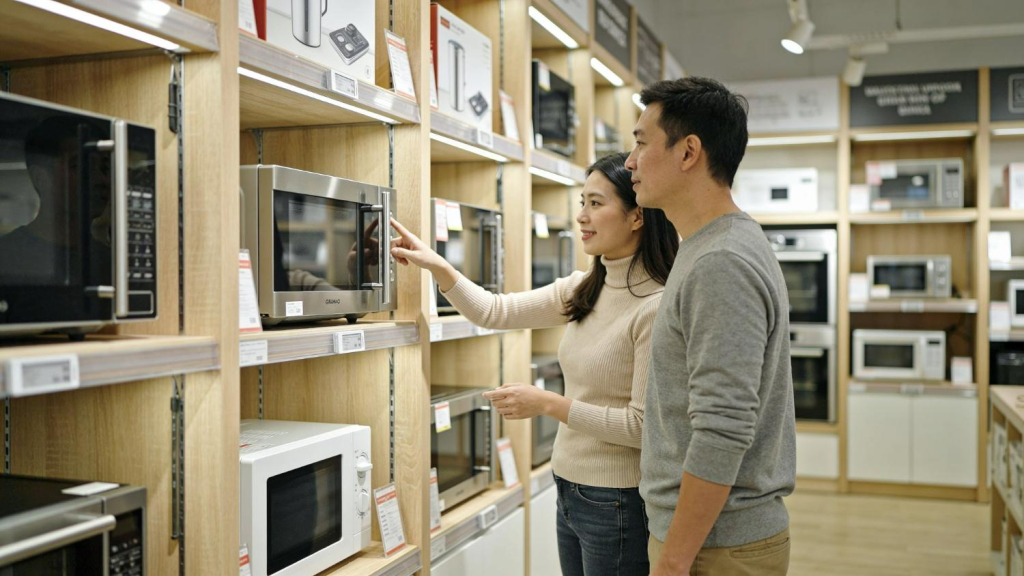
Before purchasing any home appliance, ask yourself three questions: Will I use it regularly? Do I have space for it? And will it make a meaningful difference to my daily life, or am I content with the home appliance I already have?
Check product specifications, warranty terms, energy consumption, and independent reviews. A lower price is appealing, but quality, repairability, and reliable after-sales support matter as well. It may be better to wait for a suitable model than to buy an appliance simply because you think buying during a time-bound sale will save you money.
You can also save money by prioritizing upgrades instead of adding new appliances. Replace appliances that are broken, unreliable, or inefficient before buying extra gadgets for occasional use.
7. Set a Home Upgrade Budget Before Shopping
Year-end promotions can encourage impulse buying, so decide how much you can comfortably spend before browsing. List the appliances you need to buy, compare models, and set a maximum budget for each item. If you receive a bonus, avoid using all of it on home upgrades before accounting for essential expenses, savings, and debt payments.
It helps to compare the total cost of ownership, including electricity, accessories, maintenance, and possible repairs, before buying. Look for clear warranty terms and confirm that the seller is authorized or reputable. Be cautious of unusually low prices, suspicious websites, and offers that pressure you to pay immediately.
You don’t need to upgrade everything at once. Choose the items that will improve your home the most, then save toward the next purchase. Thoughtful planning can help you enjoy better appliances without creating unnecessary financial stress.
Make Room for Better Living With Camella
A comfortable home is about more than the appliances inside it. It is also about having a space that supports your family’s routines, goals, and everyday comfort. As you plan your home upgrades for 2026, consider how your needs may change and whether your current living space gives you room to grow.
If you’re thinking about buying a home or moving into a community that better suits your lifestyle, Camella offers house-and-lot options in communities across the Philippines. Explore available properties and consider the space, layout, and location that would work best for your household. Better yet, visit your nearest Camella property today.