




Introduction: The Rise of Philippine Surf
With its vast coastline stretching across thousands of tropical islands, this breathtaking island nation has rapidly transformed into one of Southeast Asia’s premier wave-riding capitals. Once a collection of sleepy coastal villages, the archipelago now draws international travelers and local enthusiasts alike to its diverse coastlines. The country’s unique geography offers an incredible variety of wave formations, ensuring that anyone, from a first-time paddler to a seasoned pro, can find their perfect slice of paradise.
The local beach lifestyle has evolved far beyond a casual sport; it is now a thriving community complete with eco-resorts, professional coaching, and rich cultural traditions. From the gentle, welcoming shorelines of Luzon Island to the legendary, hard-hitting reef breaks of Mindanao, the region has firmly secured its spot on the global map of must-visit aquatic destinations.
What Factors Determine the Best Time to Surf?
The complex climate of the archipelago dictates exactly when and where the waves will fire. Because the country is exposed to two entirely different major bodies of water—the South China Sea on its western border and the vast Pacific Ocean to the east—the conditions vary dramatically depending on the month. Understanding these seasonal changes is the secret to scoring the best surf the country offers.
Understanding Seasonal Monsoons and Pacific Swells
The primary driver of wave activity across the islands is the shifting monsoon weather patterns. The southwest monsoon, locally known as habagat, dominates from May to October, pushing consistent energy and generating a heavy swell along the rugged east coast. As the calendar flips toward the latter part of the year, the weather patterns shift toward the northeast monsoon, or amihan.
Running from October to March, the amihan season provides the primary and most reliable surfing season for the entire country. During this time, cool winds blowing down from mainland Asia interact with the warm waters of the western shores, creating pristine, clean conditions on the west coast while simultaneously sending powerful, long-period swells crashing onto the shores of Luzon’s east coast.
Navigating Peak Seasons and Tracking Marine Elements
For those planning an extensive tour of the top surfing destinations, the absolute best time to surf runs in a generous window from September to May. During this peak period, the Pacific swells are at their most active, transforming ordinary beaches into world-class wave machines. However, navigating these waters requires a bit of tactical planning, especially since conditions peak in intensity during September and October along the Pacific coast.
It is highly recommended that beginner surfers closely monitor daily tide charts. Local surf instructors emphasize that newcomers should plan their sessions around high to mid-tide, as dropping water levels can suddenly expose sharp, dangerous reef formations beneath the surface. Furthermore, late summer and autumn coincide with the regional typhoon season. While these massive tropical revolving storms can generate truly massive waves that attract professional surfers looking for a thrill, they also create highly unpredictable and dangerous conditions that absolute beginners should strictly avoid.
Which Are the Top Beginner Surfing Spots in the Philippines?
For those who are just learning how to stand up on a board, the country features several incredibly safe, soft-bottom beaches. You can enjoy these destinations year round as they combine a relaxed, welcoming social scene with gentle wave energy, making them the ultimate training grounds.
La Union: From Beach Breaks to Monaliza Point
Often hailed as the ultimate surfing capital of the north and known for its surf breaks, San Juan, La Union, is the undisputed hub for entry-level wave riders. The town breathes beach culture, and the moment you step foot near the sand, you are greeted by an abundance of affordable board rental stalls and eager, certified guides. The focal point of the region is the famous San Juan beach break, a wide, sandy bottom playground where the waves crumble gently, allowing students to practice their pop-ups without the fear of hitting sharp rocks.
Once you master the basic white water at the main beach break, you can easily paddle out to Urbiztondo Beach, which provides an accessible step up with longer, rolling lines. For those gaining confidence, the area also features Monaliza Point, a slightly more advanced point break that offers clean, long-peeling right-handers, giving developing surfers a taste of how to ride the open face of a wave.
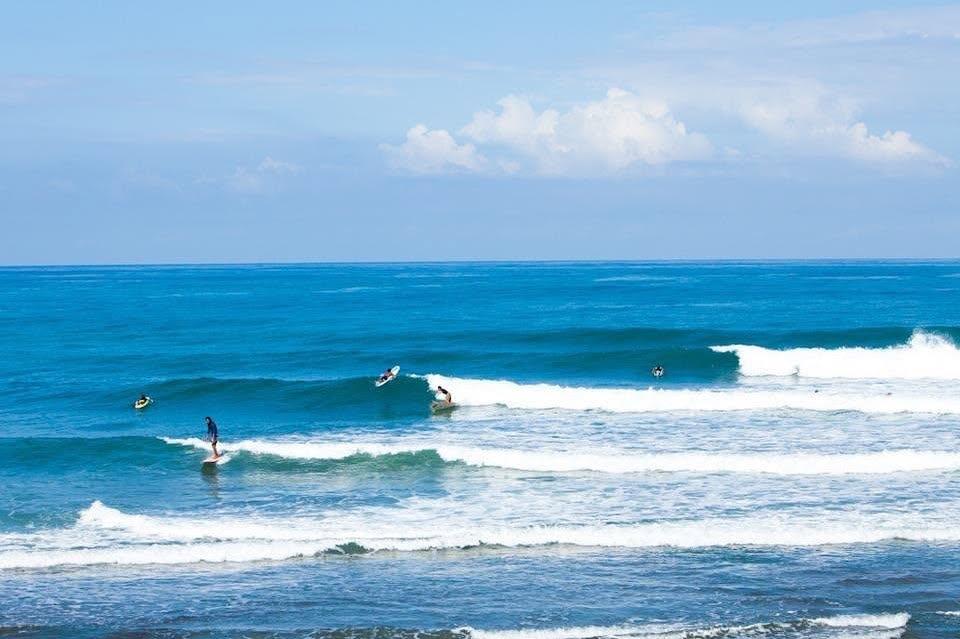
Image source: https://www.facebook.com/badfish.ph/
Camarines Norte: The Consistency of Bagasbas Beach
Tucked away in the friendly municipality of Daet, Bagasbas Beach in Camarines Norte is a legendary training ground known for its incredible consistency. This expansive, long stretch of dark sand faces the open Pacific, ensuring that there is almost always a rideable wave breaking throughout the year. The primary surfing season here runs smoothly from July to January, offering clean, predictable peaks that are highly suitable for all levels of riders.
Because the beach is entirely a sandy beach, it eliminates the anxiety of reef cuts for beginners. However, visitors must remain vigilant, as hazardous rip currents can occasionally develop along the open coast during heavy swells. To stay safe, learners should always connect with the accredited local surf schools lined up along the boardwalk, where instructors provide invaluable knowledge on local surf etiquette and ocean safety.
Ilocos Norte: Quiet Waves on the Northern Tip
If you prefer to escape the large weekend crowds, head up to the northern tip of Luzon to explore the beautiful province of Ilocos Norte. The crown jewel for beginners in this region is the stunning Blue Lagoon in Pagudpud. Blessed with a breathtaking backdrop of white sand and bright turquoise water, this sheltered bay offers highly accessible, gentle whitewater rollers during specific times of the year, making it a dream destination for sun seekers looking to combine a tropical vacation with a brand-new sport.
The local surf scene here is wonderfully laid-back and intimate compared to the bustling commercial hubs down south. Local community leaders have heavily leaned into sustainable eco-tourism, ensuring that the development around the beaches remains low-impact. This protective approach preserves the raw, natural beauty of the northern coastline while offering an uncrowded environment where you can practice your paddling skills in absolute peace.
Where Can Intermediate Riders Find the Best Surf?
Once you have mastered the basics, learned to trim along the face of the wave, and know how to safely navigate a crowded lineup, you are ready to explore the country’s intermediate horizons. These spots require better positioning and offer faster, more rewarding rides.
Baler: The History Behind Charlie’s Point
No conversation about Philippines surf is complete without mentioning the historic town of Baler, Aurora, widely celebrated as the literal birthplace of the sport in the country. The local wave-riding culture traces its roots back to the 1970s, when a Hollywood film crew left behind several surfboards after wrapping production on the iconic movie Apocalypse Now. The local kids picked up those boards, taught themselves how to ride, and sparked a movement that would eventually transform the entire town.
Intermediate riders love exploring Charlie’s point, the actual rivermouth break featured in the film, which delivers fun, punchy peaks over a soft bottom. For a more consistent daily session, Sabang beach provides reliable, rolling sandy-bottom peaks that allow you to fine-tune your turns. Once your confidence builds, you can head over to Cemento Reef, a much faster, hollower break that demands quick drop-ins and sharp reflexes.
The accessibility of these Central Luzon breaks has made the region highly attractive to professionals who want to balance a vibrant coastal lifestyle with city convenience. In fact, many modern surfers look for permanent residential bases in progressive, highly connected northern hubs like Camella Urdaneta. Settling in a well-developed, secure community in Pangasinan allows residents to easily pack up their vehicles and drive to either the western shores of La Union or the eastern breaks of Aurora within a few short hours, enjoying the ultimate lifestyle balance.
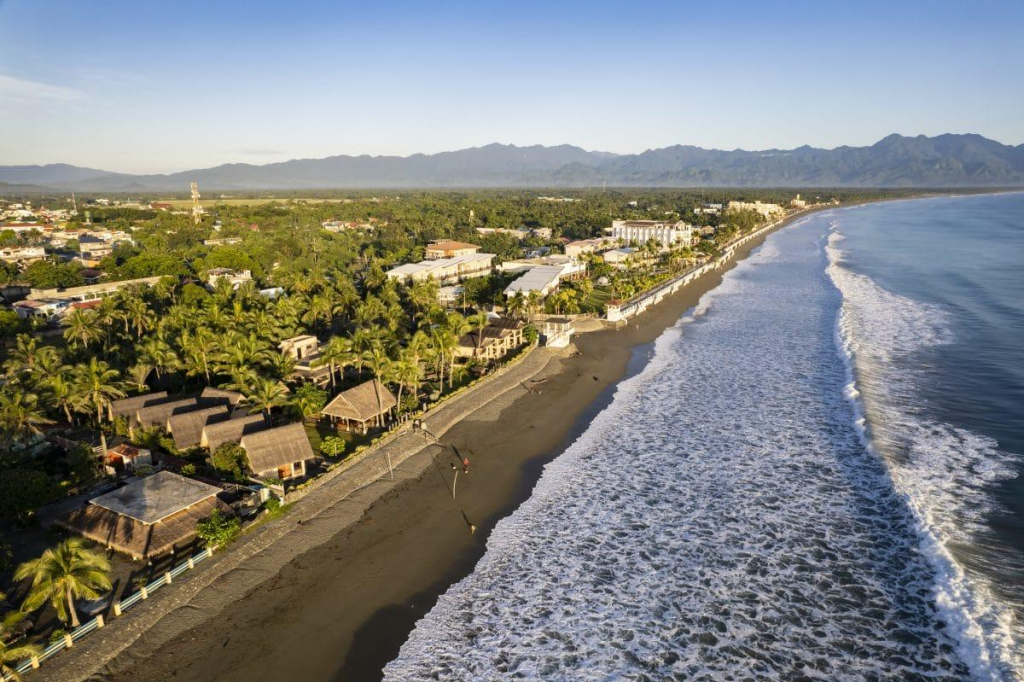
Image source: https://thesurfatlas.com/surfing-in-philippines/surfing-in-baler/
Zambales: Developing Skills on the West Coast
For those based in Metro Manila, the close-by province of Zambales serves as the ultimate weekend escape. The coastline is dotted with vibrant, creative surf camps that cater to a young, adventurous demographic. Major coastal pockets within San Narciso, San Felipe, and San Antonio offer a diverse mix of sandbars and rivermouths that react dynamically to the changing winds of the South China Sea.
A central focal point for intermediate progression is the highly popular Crystal Beach Resort in San Narciso. This expansive property features a dependable beach break known as Crystal Beach, which produces clean lefts and rights when the western swells roll in across the Lingayen Gulf. The wave here tends to wall up quickly, providing the perfect playground for intermediate surfers to practice generating speed and executing clean cutbacks.
Which Arenas Form the Ultimate Best Surfing Spots?
For professional surfers, seasoned surfers, and true adrenaline junkies, the country boasts heavy, powerful waves that rival the best breaks in the world. These spots demand flawless technique, physical stamina, and a deep respect for the ocean.
Siargao Island: From Jacking Horse to Cloud 9
Situated on the edge of the Philippine Trench, Siargao Island is universally recognized as the undisputed surfing capital of the Philippines. This teardrop-shaped island along General Luna, is a mecca for wave riders, drawing a global crowd to its dense concentration of world-class waves. While beginners can find a few gentle corners to learn at Jacking Horse, the island is fundamentally famous for its heavy, powerful, and unforgiving reef breaks and big waves.
Cloud 9 is the wave that put the Philippines on the global surfing map, serving up heavy, hollow barrels over a shallow reef that demand absolute precision. This legendary wave serves as the amphitheater for the annual Siargao International Surfing Cup every October or November, where local surfers showcase their mind-boggling tube-riding skills against top-tier international competitors.
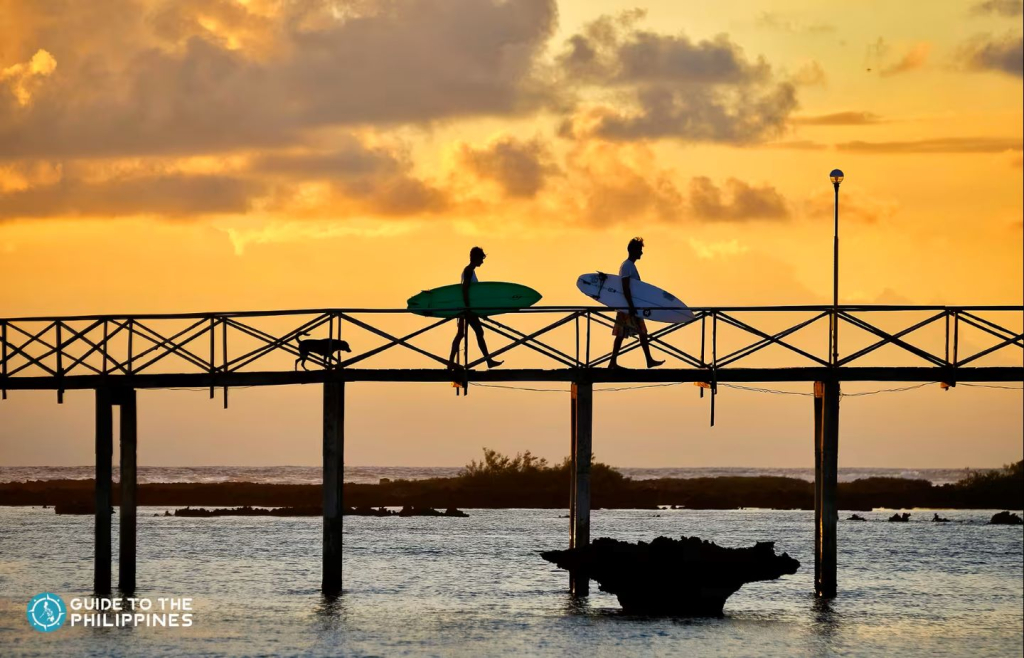
Image source: https://guidetothephilippines.ph/articles/islands-and-beaches/surfing-siargao-guide
Dahican Beach: Fast and Heavy Shorebreaks
Located in the southern province of Davao Oriental, Dahican Beach in Mati is rapidly earning a reputation as one of the most intense and visually stunning aquatic playgrounds in the country. Facing the open Pacific Ocean, this striking white sandy beach is hit by massive, raw swells that create an incredibly powerful and fast shorebreak.
The unique topography makes Dahican a world-class playground for both advanced surfers and elite local skimboarders, who utilize the brutal backwash to launch themselves into massive aerial maneuvers. Beyond the heavy shorebreak, the region is a sanctuary for rich marine life, allowing visitors to experience breathtaking natural wonders—such as regular sightings of sea turtles, dolphins, and whale sharks—right from the lineup.
Calicoan Island: Raw East Coast Swells
For the ultimate off-the-beaten-path adventure, experienced surfers venture out to Calicoan Island, located at the southern tip of Eastern Samar. This remote island is completely exposed to the full force of the Pacific, making it an incredible target for deep-ocean groundswells. The landscape here is rugged and raw, often requiring a quick boat ride with local fishermen to access the cleanest, uncrowded outer reef breaks.
The region shares a competitive surfing legacy with other spots along the eastern seaboard. While the annual Lanuza surfing festival celebrates the long, peeling waves further south in Surigao, the jagged reefs of Catanduanes play host to the legendary Puraran surfing cup. Held every October as a core highlight of the Catandungan festival on the happy island of Catanduanes, this event showcases riders tackling the “Majestic” wave—a fast, hollow, right-hand barrel that breaks over a razor-sharp reef, cementing the east coast as a true paradise for thrill-seekers.
For enthusiasts just learning the ropes of surfing, there are destinations in El Nido, Palawan, such as the beaches of Duli and Lio, that are beginner- and intermediate-friendly for practice. Unlike the powerful, world-class reef of Cloud 9 in General Luna, Siargao, the wave intensity in El Nido is mellow with sandy beach breaks perfect for practice and longboarding. You can enjoy island-hopping tours while taking a break from the waves.
Conclusion: Essential Travel Tips for Your Journey
Embarking on an island-hopping surf expedition across this tropical nation promises an unforgettable blend of adventure, community, and world-class waves. To get the absolute most out of your journey, always remember to travel with an open mind and a deep respect for the local communities. Take the time to speak with the resident beach wardens, hire local guides to navigate unfamiliar reefs, and support the eco-conscious businesses that keep these pristine coastlines clean.
Whether you are chasing your very first whitewater ride or looking to thread the needle through a heavy Pacific barrel, the diverse shores of this beautiful archipelago stand ready to welcome you with open arms and the ride of a lifetime.