



Creating a truly accessible home has become a necessity that allows people with disabilities to live with dignity, comfort, and independence.
In the Philippines, this need is especially significant. According to government estimates, about 1.44 million Filipinos live with a disability, and the number continues to grow as the population ages. Many PWDs also live in rural areas, where access to inclusive infrastructure and support services is more limited than luxury, making well-planned home modifications even more crucial.
Designing your own homes that support mobility, sensory, or cognitive challenges can help remove health and safety hazards, reduce everyday obstacles, and create spaces that allow residents to stay independent for as long as possible.
Most Common Types of Disabilities in the Philippines
The Philippines recognizes disability categories under the Disability Act and related policies. Among the most common types are:
Mobility challenges – including those affecting wheelchair users, older adults, stroke survivors, or individuals with reduced mobility.
Visual impairments – from low vision to total blindness, which may increase the risk of safety hazards, especially in a dark room or poorly designed lighting.
Hearing impairments – which can influence how a person interacts with modern home appliances and emergency alerts.
Intellectual and psychosocial disabilities – requiring safe, predictable environments with fewer risk factors.
Understanding these categories helps homeowners choose the best home design and accessibility changes for persons with disabilities tailored to their families’ specific needs.
Home Modification and Design Tips for People with Disabilities
Below are practical and effective ideas to create an inclusive, safe, and accessible home.
These design solutions also work for families planning a new home or improvements to a current home.
1. Plan an Accessible Layout with Extra Space
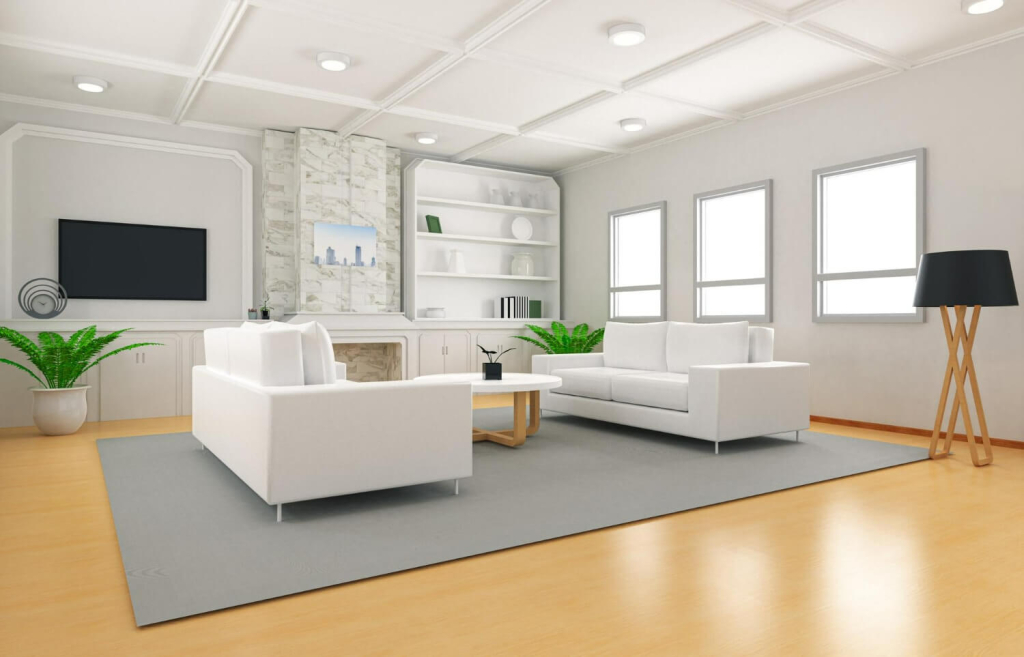
A good example of universal design for a house is providing more space for smoother movement. It makes more sense for people with disabilities, particularly those with physical disability, to move about and benefit from more open space in a room.
Wheelchair turning radius, walker clearance, and caregiver assistance all require wider pathways.
Here are some changes to your house layout for increased accessibility:
- Keep hallways wide and clutter-free.
- Space furniture so it doesn’t block doors or the natural flow of movement.
- Maintain at least 90–120 cm of clear space in key areas like the kitchen, bedroom, and bathroom.
This makes a big difference not only for people with disabilities, but also for elderly members of the house who may later experience limited mobility.
2. Make the Entrance Easily Accessible
The front door should welcome everyone equally, and so should the entrance to every room.
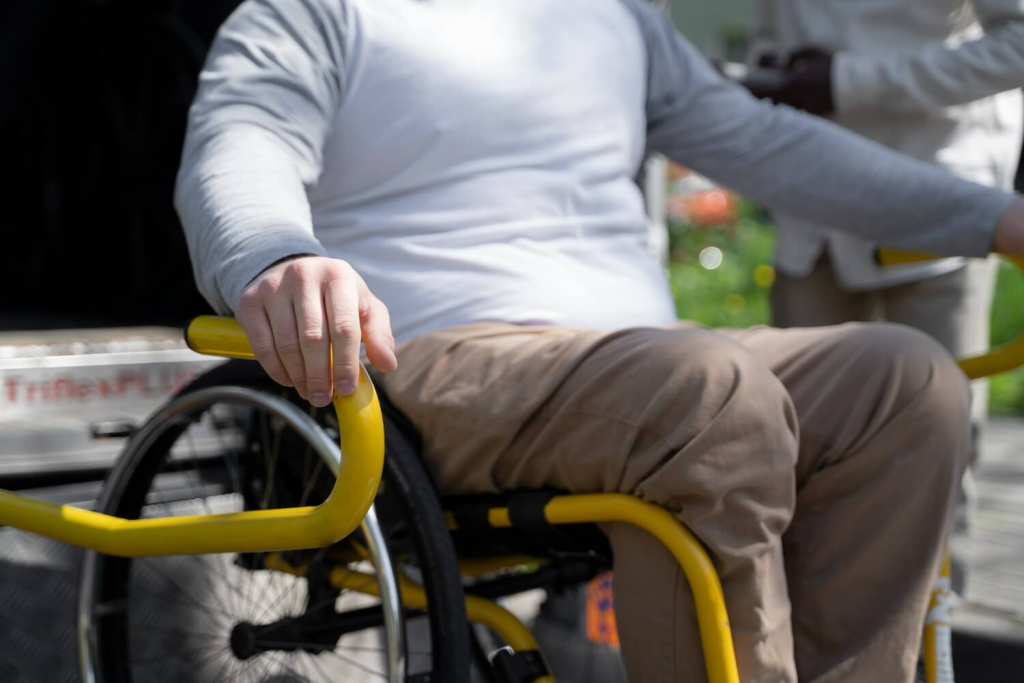
For one, ramps with non-slip materials help wheelchair users enter safely.
As for doors, consider opting for lever handles over a knob since they’re easier to operate than a knob. Additionally, ensure door locks are positioned at a height that people with disabilities can reach.
These simple modifications enhance accessibility without sacrificing style.
3. Improve Lighting to Remove Safety Hazards
Good lighting removes health and safety hazards, especially for people with disabilities with low vision.
Avoid any dark rooms by installing brighter, energy-efficient lights.
Place a light switch at every entrance of the house and at heights accessible to wheelchair users.
You could also add motion-sensor or touch lighting for convenience.
Thoughtful lighting contributes to a secure and independent living experience, without jacking up costs to make your house that bit more inclusive.
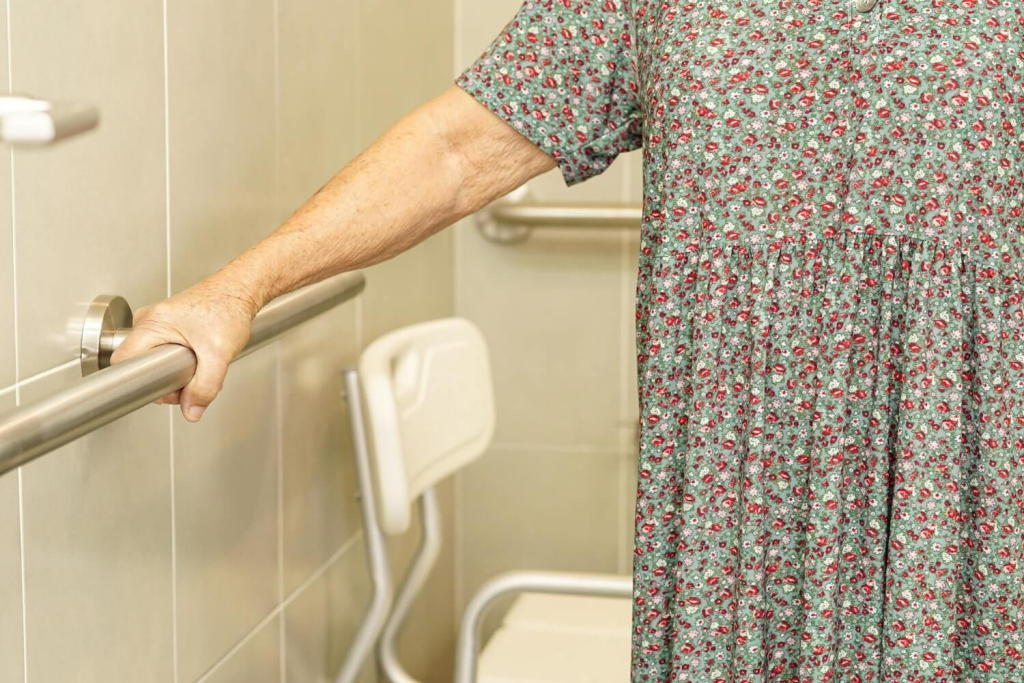
4. Modify the Bathroom for Safety and Convenience
The bathroom is where most accessibility accommodations and other home modifications have the greatest impact:
- Install grab bars near the toilet, shower, and bed areas.
- A roll-in shower makes bathing smoother for wheelchair users.
- Consider a foldable shower seat for those with mobility challenges.
- Choose anti-slip floor tiles to reduce accident risk.
A few well-planned changes can transform a bathroom into a safe, accessible space.
5. Make the Kitchen Functional and Wheelchair Accessible
An accessible kitchen balances the homeowners’ personal taste, function, and safety.
Here are some accessibility changes to add to your kitchen update project:
- Lower cabinets and countertops so a PWD can reach them while seated.
- Ensure appliances have front controls.
- Use open shelving to reduce unnecessary movement.
- Leave enough space to maneuver a wheelchair.
These modifications help families cook, dine, and enjoy their homes more comfortably.
6. Improve Bedroom Safety and Comfort
The bedroom should feel like a sanctuary, both for people with disabilities and other family members.
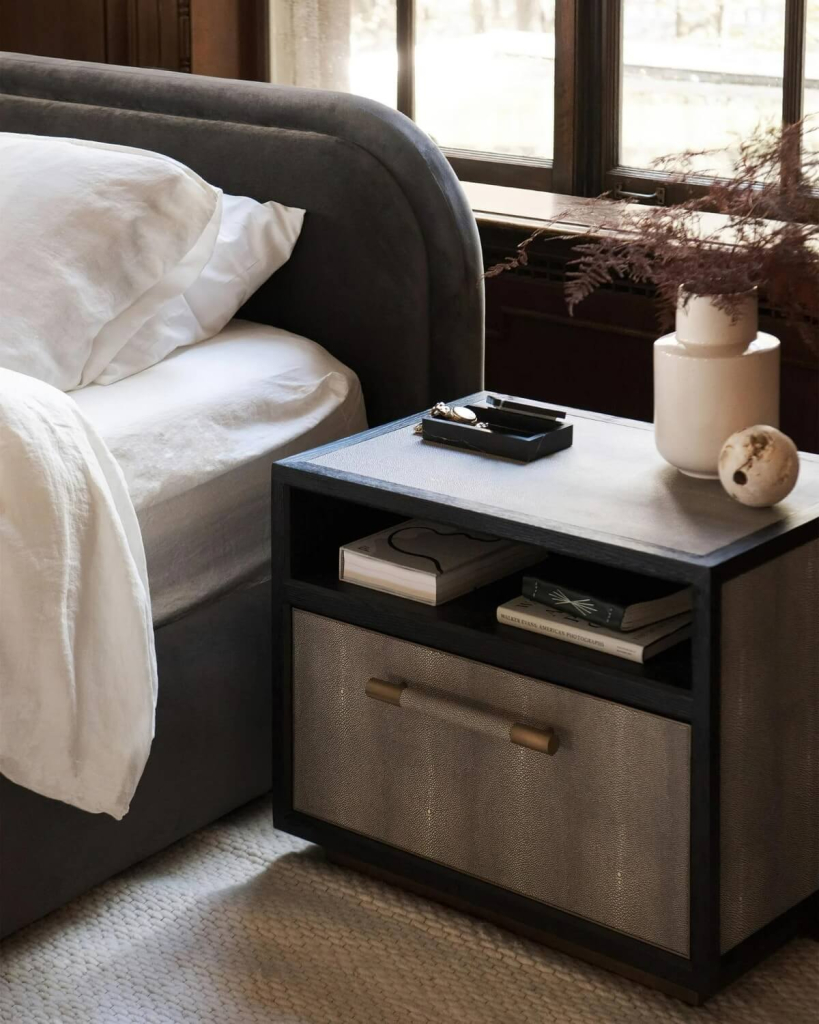
- You can start with these practical and affordable universal design bedroom tips:
- Choose a bed height that makes transferring easier, especially for people with disabilities who use wheelchairs to move around.
- Keep essential items within arm’s reach.
- Provide clear pathways to avoid safety hazards.
- Install bedside lighting and reachable controls. The light switch should be at a height accessible to wheelchair users.
These elements reduce strain and promote uninterrupted rest.
7. Reduce Barriers Inside the House
Barriers can exist in any house, but they are easy to fix with universal design:
- Replace traditional knobs with lever handles.
- Install a stair lift if your home has stairs and a PWD has difficulty climbing.
- Smooth and level floors throughout the house to make transitions between rooms easier.
- Use sliding doors for better maneuverability.
These home design tips for persons with disabilities make movement safer and more efficient.
8. Choose Safe and Durable Materials
When choosing tiles, floors, or wall finishes, consider:
- Non-slip materials for wet areas.
- Matte surfaces to prevent glare.
- Rounded corners to reduce injury risk.
- Grab bars installed on walls where appropriate.
This thoughtful approach strengthens overall safety.

Image source: https://madimack.com/au/blog/the-best-smart-home-devices-for-people-with-disabilities
9. Use Technology and Smart Home Features
Modern technology enhances accessibility. Here are some ideas:
- Smart door locks, lighting systems, and voice-controlled appliances help PWDs manage daily tasks more independently.
- Cameras and sensors add convenience and security.
- These upgrades are excellent project additions for families investing in an inclusive home.
10. Explore Financial Assistance for Home Modifications
Many homeowners worry about cost when making house modifications for people with disabilities, but help is available.
Government agencies and loans can help cover these modifications, especially for families living with disabilities.
These programs support equitable access so more Filipinos can have truly accessible homes for all abilities.
Why Camella Is the Best Choice for Accessible Homes and Inclusive Living
Whether you’re upgrading a current home or searching for a new home, Camella offers communities designed to accommodate residents with diverse needs.
Camella homes integrate universal design, thoughtful spaces, wide pathways, and accessible community features that support PWDs, older adults, and anyone with limited mobility.
With its affordable options, strategic site locations, and well-planned elements, Camella empowers residents, including people with disabilities, to enjoy safer, more inclusive living without sacrificing style or comfort. If you’re looking for a truly welcoming and functional environment for people of all abilities, Camella remains the trusted name for Filipino families.