



Image source: Pexels
For communities across the Philippines, access to nature matters as cities expand and built-up areas become denser. People living in crowded spaces spend much of their day around concrete, traffic, and environmental stressors. Well-planned green spaces can support mental health, physical health, recreation, environmental quality, and social connection. Understanding how green spaces create healthier communities means treating nature as part of everyday community design.
Mental Health and Stress Reduction
Regular contact with nature can support mental health, particularly when outdoor spaces are accessible. Research associates time in natural settings with reduced stress, better mood, and improved attention. Spending around two hours in nature weekly has also been associated with better health and well-being, showing how regular access can contribute to everyday health.
Parks and other outdoor spaces give people places to walk, exercise, rest, or step away from demanding surroundings. Exposure to natural environments can lower cortisol, which helps explain the mental health benefits of time outdoors. Spending time in nature can reduce stress and anxiety, while access to parks can improve mood and happiness. These effects can be especially relevant for people experiencing depression or anxiety disorders.
Nature, Attention, and Cognitive Function
Research has found that natural environments can improve children’s attention span and focus. A nearby garden, park, or landscaped area gives children opportunities to spend time away from demanding surroundings. Spending around two hours a week in nature, including public parks, has been associated with better health and well-being. Practical access makes it easier for more people to spend regular time outdoors.
Physical Health Benefits of Accessible Green Spaces
The benefits of green environments extend to physical activity and cardiovascular health. When residents can reach a park without traveling far, exercise can become part of daily routines. This makes greenery relevant to individual health and wider public health.
Physical Activity and Cardiovascular Health
Access to parks encourages regular physical activity through walking, cycling, playground use, or informal exercise. Well-designed parks provide safer places for recreation, giving community members opportunities to stay active without a gym or private facility.
Higher levels of physical activity are associated with lower rates of obesity and cardiovascular disease. Living near greenery is also linked with lower blood pressure and reduced hypertension, supporting better health outcomes and potentially contributing to longer life expectancy.

Image source: https://www.magnific.com/free-photo/woman-doing-yoga-garden_1204156.htm
Improving Air Quality and Reducing Urban Heat
Vegetation affects the conditions of urban areas as well as their appearance. Trees, shrubs, and plants can capture some pollutants, provide shade, and reduce exposure to environmental hazards. Urban vegetation cannot eliminate air pollution, but it can contribute to improving air quality and healthier urban environments.
Urban Heat Islands and Vegetation
Dense cities experience the urban heat island effect, with built-up areas becoming warmer than surrounding areas. Urban heat islands can increase temperatures by 3–4°C, while green spaces can reduce the effect through shade. Urban forestry, planted corridors, and tree canopy are particularly useful in already crowded spaces where residents have limited access to cooler spaces.
Unshaded roofs and pavement can become dramatically hotter than surrounding air, with some surfaces reaching around 50°C above ambient temperature under extreme conditions. Trees and vegetation can therefore make a big difference in reducing heat exposure, depending on local conditions.
Air Quality, Trees, and Green Roofs
The scale of air pollution makes urban greening one part of a wider environmental strategy. The World Health Organization estimates that combined ambient and household air pollution is associated with roughly nine million deaths annually, an average that reflects its global public health burden.
Green roofs add vegetation to buildings while helping regulate rainwater and filter some pollutants. Trees can intercept particulate matter and reduce exposure to traffic-related pollution and noise. These measures work best alongside urban planning that addresses emissions, transport, drainage, and heat.
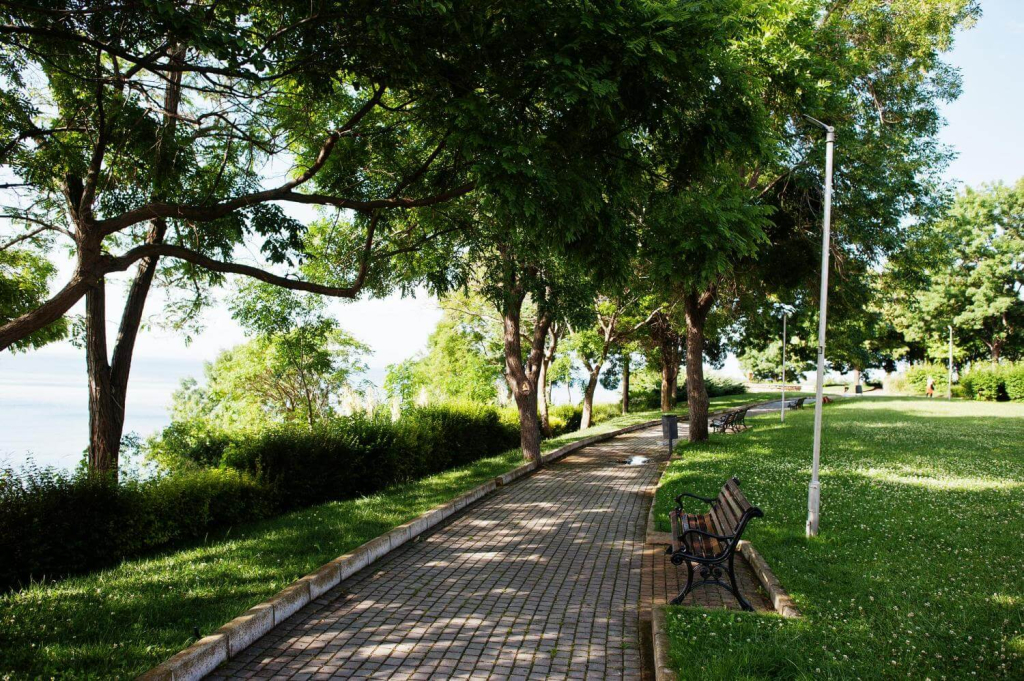
Image source: https://www.magnific.com/free-photo/green-park-with-benches-nesebar-town_26334640.htm
Green Spaces, Health Equity, and Access
The location and quality of a green space matter as much as its existence. Low-income neighborhoods often lack quality parks and public green space, creating differences in access to recreation and nature. Green spaces can promote health equity by providing free or low-cost recreational resources and helping improve access to healthier outdoor environments.
Access to Parks and Life Expectancy
Research has documented disparities in park access between higher- and lower-income communities. One frequently cited comparison found that urban residents with low incomes live 10 years less than wealthier counterparts, illustrating how income, environment, and access to resources can intersect. Access to green spaces is also linked to life expectancy disparities and broader health outcomes.
Green space alone does not determine longevity, since housing, income, healthcare, employment, pollution, diet, and other factors also matter. Still, parks can function as public health infrastructure rather than optional amenities.
COVID-19 and Unequal Access
The COVID-19 pandemic made these inequalities more visible. Research found that disparities in access to parks and green spaces could worsen during lockdowns, particularly for poorer and disadvantaged communities.
Distance, transportation, safety, maintenance, opening conditions, and crowding determine whether residents can use open space. For people living in crowded spaces, these barriers can make a big difference. The issue applies to urban areas and rural areas alike.
Green Space and Gentrification
Green investment can also create affordability concerns. Research on green gentrification has found that improved parks and environmental amenities can increase property values and attract higher-income residents, potentially contributing to displacement.
Creating more green space without considering housing costs can shift benefits toward people who can afford to remain. Urban planning should therefore consider who gains access, who pays, and who remains able to live nearby.
Natural Ecosystems and Community Resilience
Natural ecosystems within developed communities provide habitat for wildlife and pollinators while performing important ecosystem services. Parks, community gardens, planted corridors, wetlands, and other vegetated areas can manage rainwater, moderate heat, support biodiversity, and improve resilience to flooding.
Community Gardens and Urban Biodiversity
Community gardens can combine food production, recreation, social interaction, and habitat in small areas. Larger parks and planted corridors provide more continuous habitat for birds, insects, and other species, helping communities retain connections with the natural world as development changes surrounding landscapes.
Vegetated areas also intercept rainfall, while permeable and landscaped areas slow runoff. Combined with appropriate drainage, these features can help communities respond to heat and flooding.
Public Green Space and Community Connection
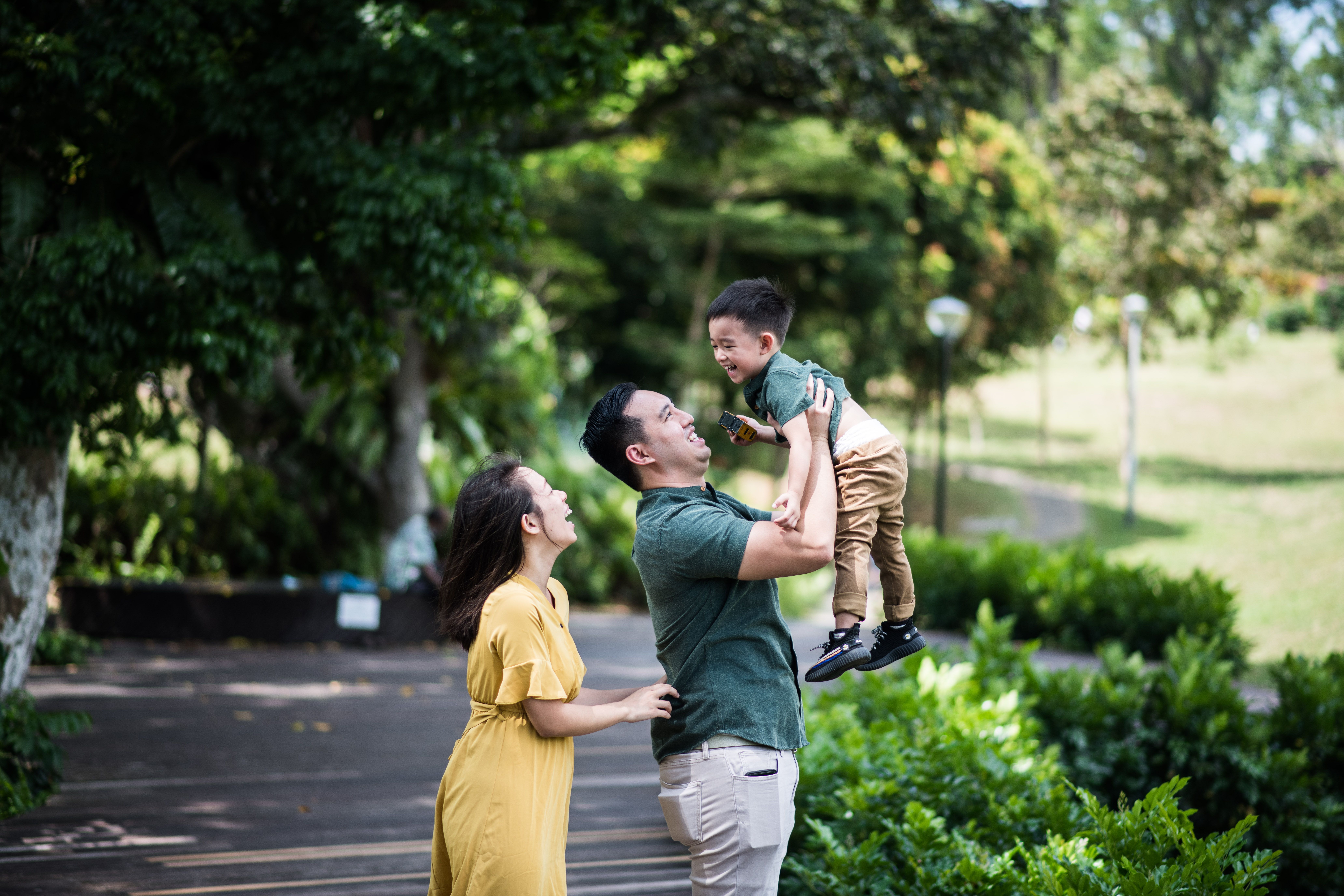
A public green space can influence how residents interact. Shared parks, gardens, playgrounds, and walking areas give residents places to meet, exercise, bring children outside, or participate in community activities. These interactions can strengthen social cohesion and community connection.
Open Space and Social Cohesion
An open space with seating, shade, paths, and recreational facilities can support different uses throughout the day. A shared garden can bring neighbors together around a common activity, while playgrounds encourage family interaction. These social benefits are more likely when spaces are safe, accessible, maintained, and suited to local needs.
Green Cities and Long-Term Health
City planners must integrate nature into growing communities. The United Nations’ urbanization projection estimated that 68% of the global population would live in cities by 2050. While newer estimates use updated methodology, the broader trend points toward continued urban growth.
Planning for More Green Space
Planning for more green space means considering parks, trees, gardens, walking routes, green roofs, drainage, and other natural infrastructure alongside housing and transportation. Connecting these elements can make nature part of daily life.
In the Philippines, this approach applies to established urban areas and expanding residential communities. Localized greening can address heat, flooding, biodiversity, recreation, and public health needs. Camella Terrazas provides an example of a development with landscaped and open areas.
The future of healthy community design depends on green infrastructure that is accessible, maintained, and planned around community members.
Conclusion
The health benefits of green infrastructure span mental health, physical health, environmental quality, recreation, biodiversity, and social connection. Parks can support physical activity and well-being, while trees and vegetation moderate heat, filter pollutants, manage rainwater, and provide habitat.
For Philippine communities, greenery can form part of long-term public health and urban resilience. Parks, community gardens, trees, green roofs, and landscaped residential spaces give people practical opportunities to connect with nature while supporting healthier communities and natural systems.