




Image source: Magnific
Introduction
The Philippines has rapidly established itself as a premier destination for foreign nationals, American retirees and nature lovers seeking an enriching, vibrant island lifestyle in Southeast Asia. Combining tropical heat, world-class white sand beaches, and remarkable hospitality, the archipelago provides an unparalleled environment for long-term living. Beyond its natural charm, the country offers modern infrastructure, flexible lifestyle options, and low living costs that allow retirees to live comfortably while stretching their pensions. Understanding the foundational appeal of the archipelago sets the stage for discovering where and how to settle down in paradise.
Why the Philippines Is a Great Place to Consider Retiring In
Choosing a destination for retirement involves balancing financial practicalities with lifestyle desires. Everyday expenses in Western nations continue to escalate, leading many foreign residents and expats to look across international borders for alternatives that offer high standards of comfort without breaking the bank. Southeast Asia has emerged as a favored regional hub, with the Philippines standing out as a premier destination for long-term living. The combination of warm weather, widespread English proficiency, and welcoming local communities makes daily life both simple and fulfilling for international retirees.
Lower Living Costs and Financial Freedom for Long-Term Living
Financial freedom remains a major catalyst for those looking to relocate abroad. When establishing a monthly budget in the Philippines, foreign nationals discover that living costs remain remarkably modest compared to Western baselines. Domestic expenses, including fresh produce at the local public market, household utility charges, and dining out at regional eateries, allow couples to maintain an elevated quality of life.
Housing expenses in provincial cities and larger city centers are particularly advantageous. Renting a spacious one-bedroom apartment near a central district costs a fraction of urban rents in North America or Europe, freeing up financial resources for leisure, health insurance, and regional exploration. Overall, local living costs run approximately 60 to 80 percent lower than in the United States, granting retirees substantial financial leeway.
Strategic Location, Modern Infrastructure, and Connectivity for International Travel
Modern transportation networks ensure that settling in an island nation does not mean isolation. Major cities across the country feature proximity to an international airport, providing direct connections to major global hubs and regional transit points. Navigating domestic routes is equally straightforward through an interconnected network of public transport, inter-island ferries, and short flight options connecting smaller island communities to major regional centers. This robust infrastructure allows retirees to enjoy peaceful coastal areas or quiet rural areas while retaining easy access to metropolitan services and international destinations whenever travel beckons.
Securing Your Residency Through the Philippine Retirement Authority and Official Channels
Transitioning smoothly to a permanent life in the tropics requires navigating the formal administrative frameworks established by government offices. The Philippine government actively welcomes foreign residents through specialized visa programs designed to streamline immigration and residency logistics. By following expert advice and staying updated on current rules, retirees can secure permanent legal status, establish local bank accounts, and safeguard their health with proper medical insurance coverage.

Navigating Guidelines for the Special Resident Retiree’s Visa
The primary gateway for long-term residency is managed directly by the Philippine Retirement Authority (PRA). Through the Special Resident Retiree’s Visa (SRRV), foreign nationals gain permanent renewable residency without the burden of annual visa renewals.
Securing a long-term retirement visa allows foreign residents to settle down smoothly while remaining mindful of regional travel advisories and weather patterns. Currently, the country maintains a US State Department advisory level of 2, indicating that retirees should exercise normal to increased caution. Additionally, because typhoon risk affects many areas, with an average of 20 cyclones entering the Philippine Area of Responsibility yearly, choosing a well-protected location with modern infrastructure ensures safe year-round living.
Qualifying for the SRRV Classic program requires applicants to be at least 50 years old and maintain a minimum visa deposit of $15,000 in an accredited interest-earning Philippine bank account. A notable benefit of the program is that SRRV holders can apply to redirect their required deposit toward real estate investments, such as purchasing a long-term residential condominium unit.
Evaluating Health Insurance, Private Clinics, and Healthcare Quality
Access to reliable medical care is a crucial consideration when choosing a retirement destination. In the Philippines, healthcare quality in major urban hubs meets rigorous global standards, supported by modern private hospitals and well-equipped private clinics. To manage wellness expenses effectively, retirees typically combine local PhilHealth coverage, private medical insurance, and international health insurance policies. While basic emergency stabilization and routine care are readily accessible across reliable regional hubs like Tagaytay Medical Center in southern Luzon and Riverside Medical Center in Bacolod, retirees seeking complex specialized treatments frequently visit the best hospitals concentrated in primary metropolitan districts.
Dynamic Metropolitan Destinations: Life in Metro Manila, Cebu City, and Iloilo City
For retirees who prefer a fast-paced urban environment with immediate proximity to luxury amenities, modern shopping malls, and top-tier medical care, the country’s major metropolitan regions stand out. These vibrant urban centers blend a western lifestyle with distinct Filipino culture, offering established expat communities, diverse international restaurants, and robust public infrastructure.
Metro Manila: Capital Amenities, Large Population Hubs, and Specialized Care
As the primary economic hub of the nation, Metro Manila features the densest concentration of world-class tertiary healthcare facilities, government offices, and specialized medical centers. Living in a large population center gives retirees better access to top-tier international medical specialists, modern healthcare infrastructure, and complex specialized treatments unavailable in remote island areas. While overall daily expenses and living costs are generally higher in the capital compared to provincial areas, Manila remains a favored home base for those who prioritize urban conveniences, high-end shopping, and an active cosmopolitan community.
Cebu City: Island Luxury, Modern Infrastructure, and Master-Planned Living at Camella Cebu
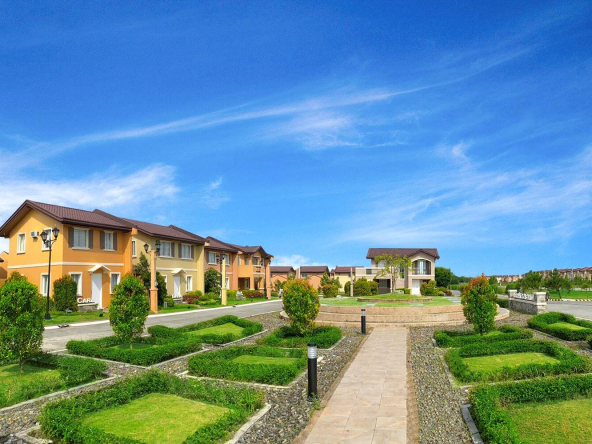
Serving as the cultural and economic anchor of the Visayas, Cebu City balances metropolitan sophistication with immediate access to white sand beaches and dive spots. The city features modern infrastructure, excellent private hospitals, and seamless international travel through Mactan-Cebu International Airport. Cebu City living costs generally range between $1,365 and $2,720 monthly depending on lifestyle preferences, offering the strongest provincial hospital coverage in the country. Within this thriving hub, master-planned residential enclaves like Camella Cebu offer retirees secure, beautifully landscaped neighborhoods that combine peaceful suburban living with convenient access to the city center.
By © Vyacheslav Argenberg, CC BY 4.0, https://commons.wikimedia.org/w/index.php?curid=117961869
Iloilo City: Heritage Preservation, Sustainable Living, and Quality Care
Iloilo City has earned a reputation as one of the most livable provincial cities in Southeast Asia, celebrated for its urban planning, historic architecture, and pedestrian-friendly esplanades. Retirees in Iloilo enjoy lower living costs, with housing expenses averaging roughly 8% below the national baseline. The city is supported by Iloilo International Airport and reliable healthcare institutions, including Western Visayas Medical Center for routine care. With a friendly foreign community and a rich local culinary scene, Iloilo represents an ideal mid-sized destination for long-term living.
Serene Havens and Island Retreats in Davao City, Panglao Island, and Regional Destinations
Retirees looking to escape dense urban centers can choose from a diverse selection of tranquil mountain highlands, peaceful coastal areas, and safe southern cities. These destinations cater to nature lovers, outdoor enthusiasts, and many expats seeking a slower pace of life, cooler climates, or pristine island scenery without sacrificing access to essential healthcare and modern conveniences.
Davao City: Safe Southern Urban Living and Comprehensive Medical Care
Located in the southern Philippines, Davao City offers a unique combination of urban sophistication, clean municipal management, and high safety standards. The city consistently ranks among the safest urban environments in Southeast Asia, maintaining a low crime rate of 37.73 (compared to the US average of 47.70).
It is worth noting that while parts of Mindanao carry elevated travel warnings, Davao City itself has no US travel advisory, making it a peaceful sanctuary for foreign residents. Healthcare infrastructure in Davao is the strongest outside Cebu, anchored by three major medical centers, including Davao Doctors Hospital and Southern Philippines Medical Center, providing advanced specialist services and emergency treatment.
Panglao Island and Tagbilaran City: Beachfront Serenity and Island Communities
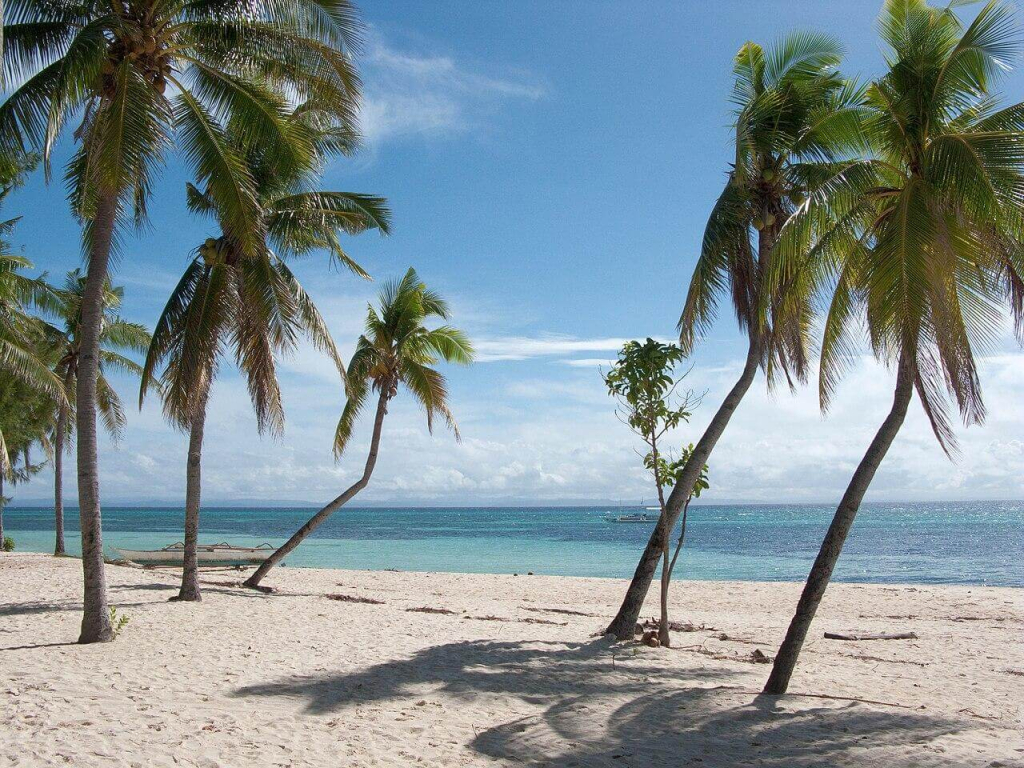
For retirees dreaming of a quintessential island lifestyle, Panglao Island in Bohol provides world-class coastal living surrounded by tropical scenery. An established expat community thrives along its shores, benefiting from relaxed oceanfront living paired with nearby commercial hubs. Just across the bridge, Tagbilaran City offers essential administrative infrastructure, public market access, and regional medical facilities, ensuring that island living remains practical and well-supported for foreign residents. Hospitals such as the Governor Celestino Gallares Memorial Hospital also make healthcare access much more convenient for residents.
Unique Regional Alternatives: From Cool Mountain Peaks to Coastal Sanctuaries
Beyond the primary metropolitan hubs, exploring other cities across the archipelago reveals specialized provincial destinations tailored to distinct retirement preferences:
By Patrickroque01 – Taken using my own camera EOS M100, CC BY-SA 4.0, https://commons.wikimedia.org/w/index.php?curid=129035690
Baguio City
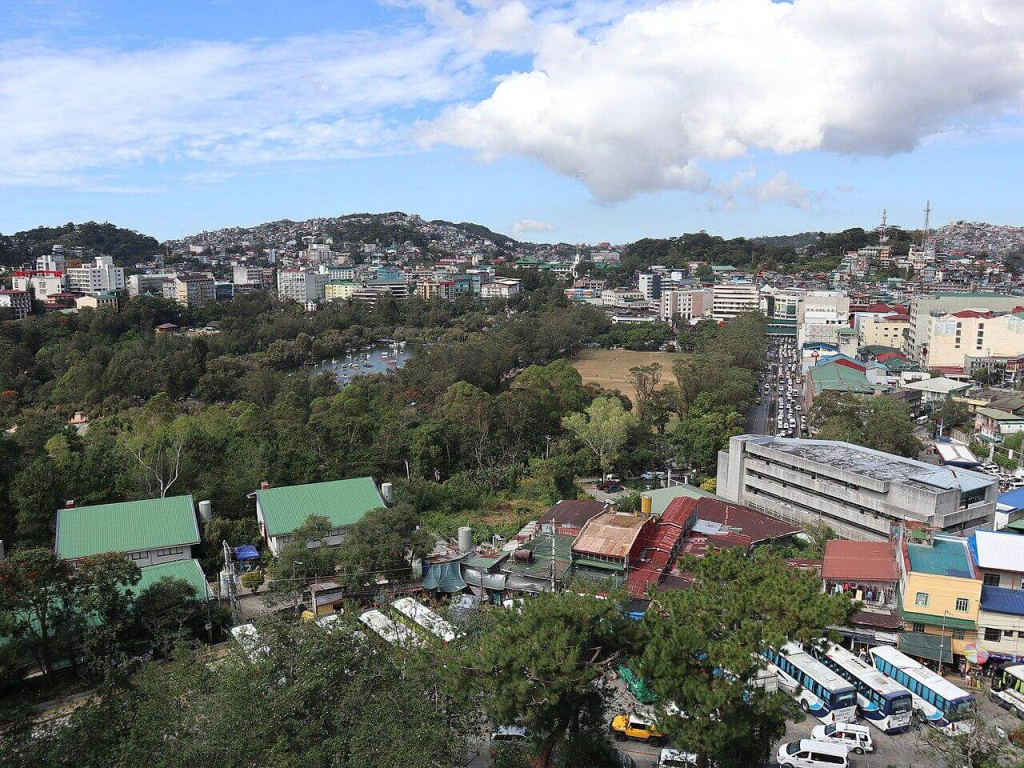
Nestled in the mountains of Northern Luzon, Baguio is the coolest major city in the country, maintaining average temperatures between 10°C and 15°C. Retirees enjoy the mountain air, historic Session Road, and primary medical facilities like Baguio General Hospital.
Dumaguete City
Known as the most cost-effective retirement city in the nation, Dumaguete allows a retired couple to live comfortably on $1,200 to $1,500 per month, with one-bedroom apartment rentals ranging from $200 to $400 monthly. Healthcare needs are reliably met by hospitals such as Silliman University Medical Center.
Subic Bay, San Juan, and Camiguin Island
Subic Bay offers an organised coastal tax-free zone with total monthly living costs between $700 and $1,050. Meanwhile, coastal havens like San Juan in La Union and tranquil island communities like Camiguin Island appeal to nature lovers seeking laid-back beach settings.
Conclusion: Securing Your Ideal Retirement Sanctuary in the Philippines
Selecting the ideal place to retire in the Philippines comes down to aligning personal healthcare priorities, budget targets, and lifestyle aspirations. Whether you choose the energetic avenues of major metropolitan centers, the cultural charm of provincial cities, or the relaxed pace of idyllic island communities, the archipelago offers a safe, welcoming, and cost-effective home. By seeking expert advice, evaluating visa requirements early, and choosing a secure home base, prospective retirees can look forward to a rewarding and peaceful new chapter in paradise.