




Children grow up hearing stories about national heroes, courageous rescue workers, dedicated service members, and influential leaders who have shaped the world. While these figures deserve admiration, heroism rarely begins with extraordinary achievements. It starts with ordinary people making thoughtful choices every day. A parent who keeps a promise, a teacher who encourages struggling students, or a neighbor who offers a helping hand demonstrates that serving others is part of everyday life.
Raising the next generation of heroes at home begins at an early age through daily experiences that shape character. Every stage of parenting, from teaching children to share to guiding teenagers through difficult decisions, is a significant milestone that helps build the foundation for adulthood. These lessons prepare a new generation of responsible citizens whose actions can strengthen their communities and the nation. As families raise children and youth, the home becomes the first place where they discover their mission, develop their passion, and build a vision for the future.

Everyday heroes shape future leaders
Anywhere in the world, when kids hear the word “hero,” they often imagine famous people, athletes, or fictional characters wearing colorful costumes. Yet the people who leave the greatest influence are often those they see every day and are involved in their lives. Parents, grandparents, teachers, healthcare workers, volunteers, service members, and community leaders show that leadership skills are measured through integrity, responsibility, and compassion.
Children learn through awareness and by watching adults. They notice how their parents respond to stress, manage money, fulfill promises, treat strangers, and solve problems. This does not happen in a week, or even after many years. These ordinary moments are built over time and become powerful lessons because children naturally imitate what they observe. In a way, its becomes their education and training in life.
Parents can also broaden a child’s definition of what success means and how it is to be successful. Many young people grow up believing achievement means excelling at subjects in school like english or math in school, becoming a celebrity or a CEO. While career accomplishments are important and expected, leadership is equally valuable when someone serves others, mentors students, volunteers after disasters, or simply helps a neighbor during a difficult period. Every job offers opportunities to improve another person’s life.
Recognizing character is just as important as celebrating accomplishments. Praising honesty, perseverance, kindness, or responsibility teaches children that values matter as much as awards. Over time, these lessons become habits that guide their choices long after childhood.
Leadership development begins at home
Leadership development starts long before adulthood. It grows through everyday routines, thoughtful parenting, and opportunities to make decisions.
Children develop responsibility by contributing to family life. Simple tasks such as making the bed, feeding pets, preparing school supplies, helping prepare meals, or separating the trash show that everyone has an important role. These routines also teach accountability and confidence.
Parents should prioritize being a parent over being a friend. Children benefit from guidance, structure, and healthy boundaries because these provide security and clear expectations. Consistent discipline during one period of childhood often prepares children to make better decisions later, even when parents are no longer present to supervise them.
Children also need opportunities to practice leadership. Allowing them to organize their study schedule, help plan family activities, or complete small projects teaches independence and decision-making. Mistakes should be treated as part of training rather than failure. Asking thoughtful questions instead of immediately providing answers encourages children to reflect, solve problems, and grow from experience.
Family conversations reinforce these lessons. Questions like “Who helped you today?” or “How did you help someone else?” encourage reflection while strengthening communication. Children who feel heard often become adults who listen well, respect different perspectives, and lead with empathy.
Compassion turns leadership into service
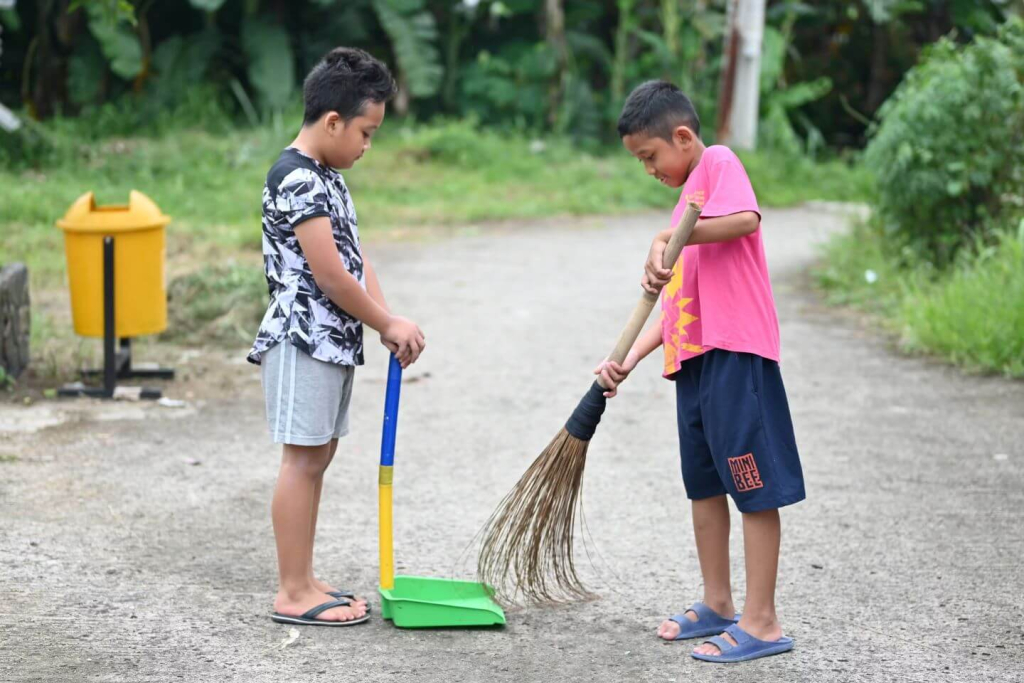
Leadership has lasting value when guided by compassion. Families can nurture this by making service part of everyday life, whether helping relatives, supporting donation drives, assisting elderly neighbors, or encouraging children to join community activities. These experiences teach that leadership is about contributing rather than seeking recognition.
Parents can deepen empathy by talking about emotions and encouraging children to consider how others feel. Learning to understand disappointment, fear, or loneliness helps reduce hate and strengthens respect for people from different backgrounds.
Positive role models also shape aspirations. Teachers, entrepreneurs, healthcare professionals, volunteers, rescue workers, and community leaders often inspire children by sharing both their successes and setbacks. Their story reminds young people that meaningful leadership develops through patience, perseverance, and continuous learning over many years, sometimes even decades.
Curiosity also supports leadership. Encouraging children to read biographies, ask thoughtful questions, and conduct research helps educate them beyond the classroom. Whether attending traditional school or homeschooling, children benefit when learning connects knowledge with real-world responsibility.
For many families, faith provides another source of guidance. Conversations about hope, compassion, forgiveness, and serving others help children understand that leadership is not only about personal achievement but also about living with integrity. Families who believe in God often use these values to encourage humility, gratitude, and a commitment to helping others.
Heroic stewardship starts at home
Raising the next generation of heroes also means teaching children that caring for the environment is a form of service. Heroism is not limited to helping others during emergencies. It also includes making responsible choices that protect natural resources for future generations.
Reducing food waste is one practical lesson families can introduce at home. Research shows that food discarded in landfills produces methane, a greenhouse gas that contributes to climate change. Planning meals, storing leftovers properly, serving appropriate portions, and separating trash responsibly help children understand that even small actions can have lasting effects.
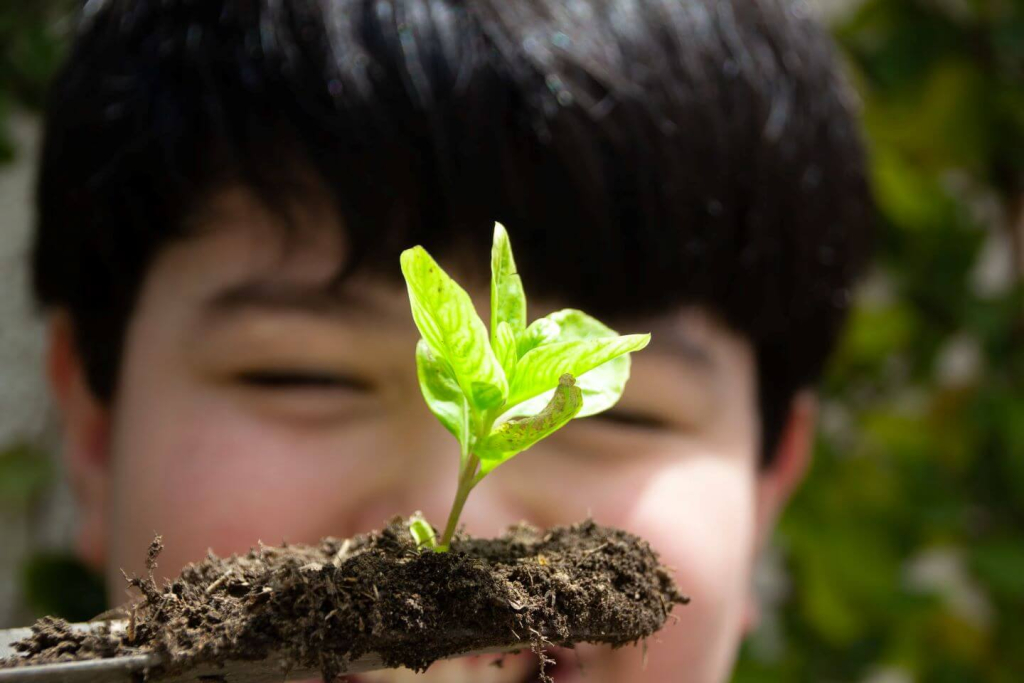
Project-based learning is effective for understanding climate concepts. Instead of simply reading about environmental issues, children develop a deeper appreciation by applying what they learn. Starting a vegetable garden, building a compost bin, organizing recyclable materials, monitoring household water or electricity use, or joining neighborhood cleanups allows students to connect science with everyday life.
These experiences also strengthen problem-solving and teamwork while reinforcing the idea that leadership includes protecting shared resources. Whether children attend traditional school or learn through homeschooling, environmental stewardship becomes more meaningful when it is practiced rather than simply discussed.
Raising future leaders one day at a time
There is rarely a single moment when a child becomes a leader. Leadership develops through everyday experiences that shape character over months, years, and even decades. Every conversation about responsibility, every opportunity to solve problems, and every act of kindness contributes to that lifelong journey.
Parents can nurture this growth by encouraging children to make decisions, overcome challenges, and learn from mistakes. Setbacks become valuable lessons when children are supported instead of discouraged. Over time, they build resilience, confidence, and the ability to face future difficulties with maturity.
Parents can also encourage children to think about the kind of person they hope to become. Whether they dream of becoming a teacher, engineer, entrepreneur, healthcare professional, artist, scientist, public servant, or rescue worker, every job offers opportunities to improve the lives of others. Success is measured not only by achievement or money but also by the positive impact someone leaves on family, friends, and society.
Simple conversations continue to reinforce these values. Asking questions like “What challenge taught you something today?” or “Who inspired you?” encourages children to reflect on their experiences while strengthening their moral reasoning. These discussions remind them that leadership is built through consistent choices rather than extraordinary moments.
Most importantly, children need hope. They need adults who believe in their potential, encourage them through failures, and remind them that courage is developed through everyday decisions. When parents consistently model kindness, responsibility, compassion, faith, and integrity, children gain the confidence to lead with purpose wherever life takes them.
Raising the next generation of heroes is not about preparing children for fame. It is about educating young people to become responsible citizens, thoughtful leaders, supportive friends, and compassionate members of society. The values learned at home become the foundation they carry into adulthood, helping them strengthen their communities and inspire the next generation in return.
Build a home where future heroes can thrive
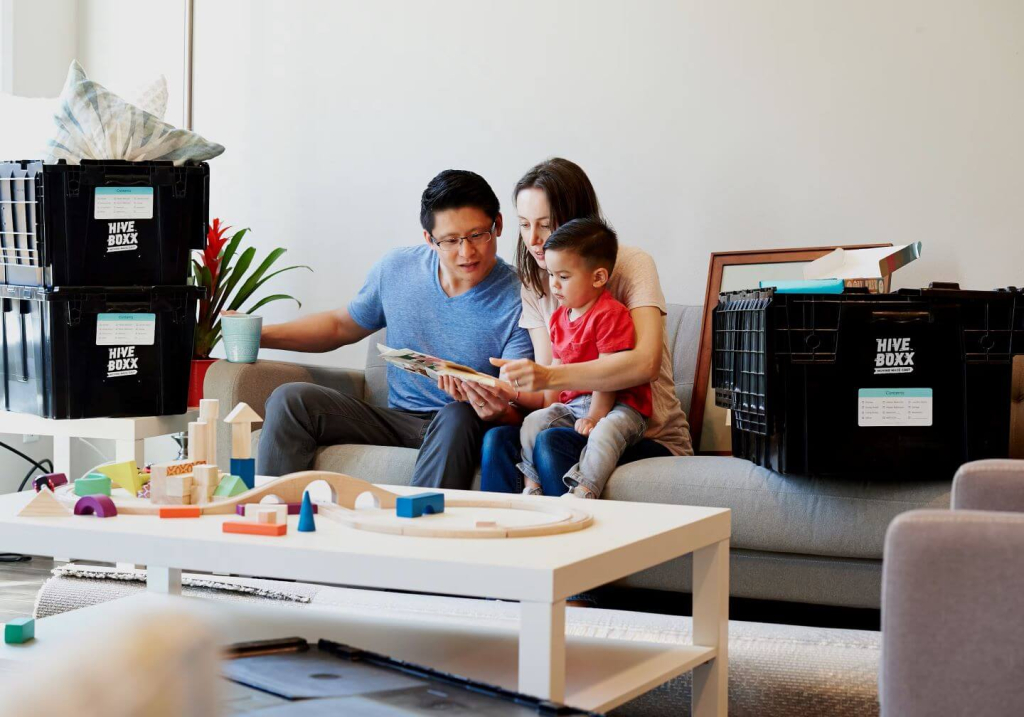
Children flourish in communities where they have opportunities to learn, build friendships, and grow with confidence. Camella creates family-friendly communities that support every stage of childhood, providing spaces where kindness, responsibility, leadership, and service become part of everyday life.