



Introduction: A Living Expression of the Kalinangan ng Bulacan
Held annually in September, the Singkaban Festival is a province-wide celebration of Bulacan’s history, arts, culture, and heritage. Across Bulacan Province, Philippines, communities come together through performances, traditional crafts, public displays, and cultural activities. The seven-day celebration gives Filipinos and visitors opportunities to experience traditions communities continue to preserve.
What Is the Singkaban Festival and Why Does It Matter?
Singkaban Festival has developed into an important expression of Bulakenyo identity. Its history, name, and connection to local traditions explain why the celebration continues to hold a significant place in the cultural life of the province.
From Linggo ng Bulacan to Singkaban Festival
The celebration began as Linggo ng Bulacan in 1986 before adopting its current name, Singkaban Festival, in 1997. It was named after the bamboo art used in its decorations and is also known as Sining at Kalinangan ng Bulacan, reflecting its emphasis on local creativity and heritage.
The Filipino term Singkaban is associated with sining, craftsmanship, and decorative bamboo work. Bamboo serves as both an artistic material and a sustainable resource during the festival. The traditional making of bamboo decorations also keeps specialized craftsmanship visible within contemporary cultural celebrations.
A Festival Rooted in Bulacan’s History
Singkaban runs each September, culminating around September 15 in connection with the opening of the Malolos Congress on September 15, 1898. This historical event connects the festival with an important period in the political development of the Philippines.
The connection gives Singkaban a deeper historical significance. Bulacan’s heritage includes stories of independence, national victory, and the communities and individuals who contributed to the country’s history. The festival provides a public setting where these stories can remain part of local cultural memory.
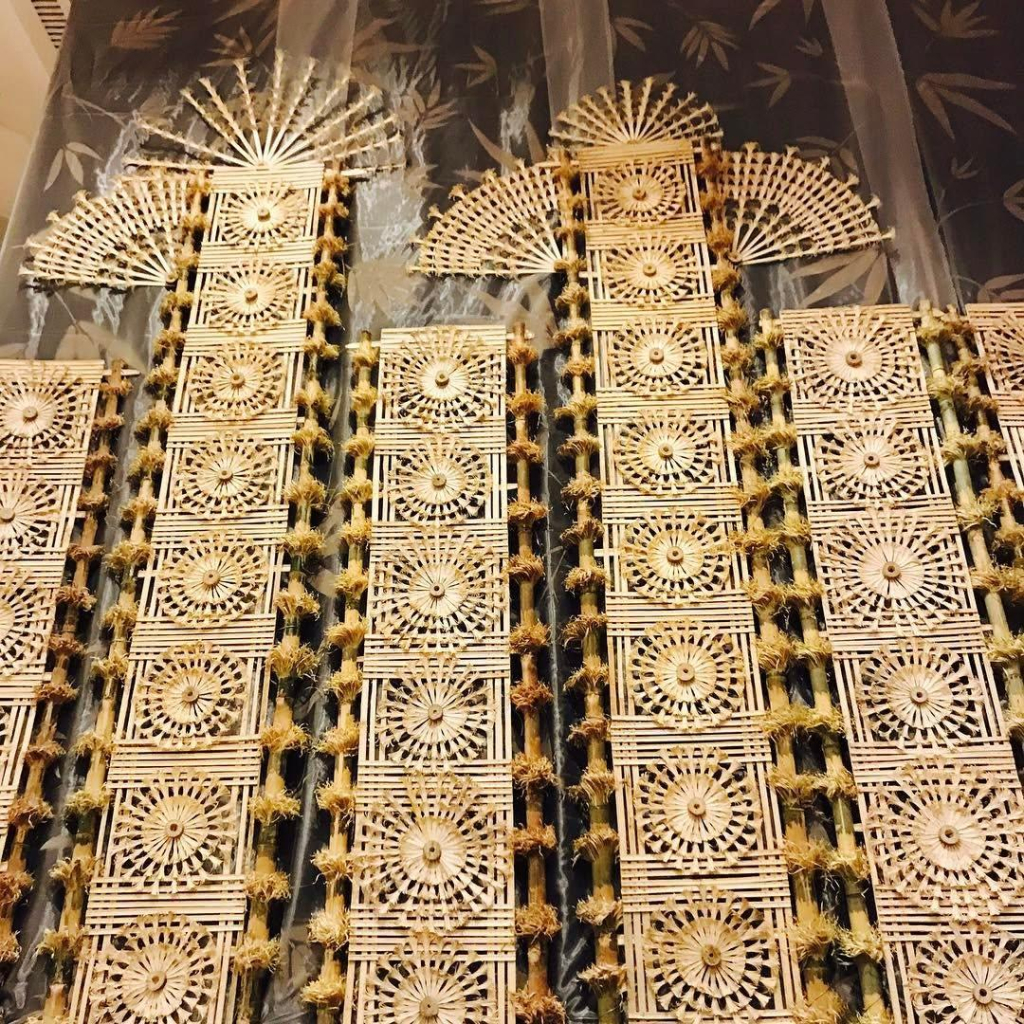
Image source: https://www.facebook.com/ITOKISHOFFICIAL
How Does the Singkaban Festival Showcase Traditional Arts?
Singkaban combines art, history, and community engagement through visual displays and performances. Its traditional arts showcase Bulakenyo culture through craftsmanship, literature, music, and dance.
Bamboo Arches as Cultural Artworks
One of Singkaban’s most recognizable features is the bamboo arch. Master artisans craft intricate arches using traditional techniques, transforming bamboo into decorative structures for festival spaces. The work reflects specialized knowledge and craftsmanship passed between generations.
These structures can transform a road or public entrance into a cultural display. The movement of visitors and participants along these spaces creates a road move through an environment filled with local artistry. The use of bamboo also highlights the material’s value as a sustainable resource.
Literature, Music, and Traditional Performance
The festival features traditional cultural forms such as Balagtasan and kundiman. These practices connect literary and musical traditions with contemporary community celebrations, while performances give younger generations opportunities to encounter forms associated with Filipino heritage.
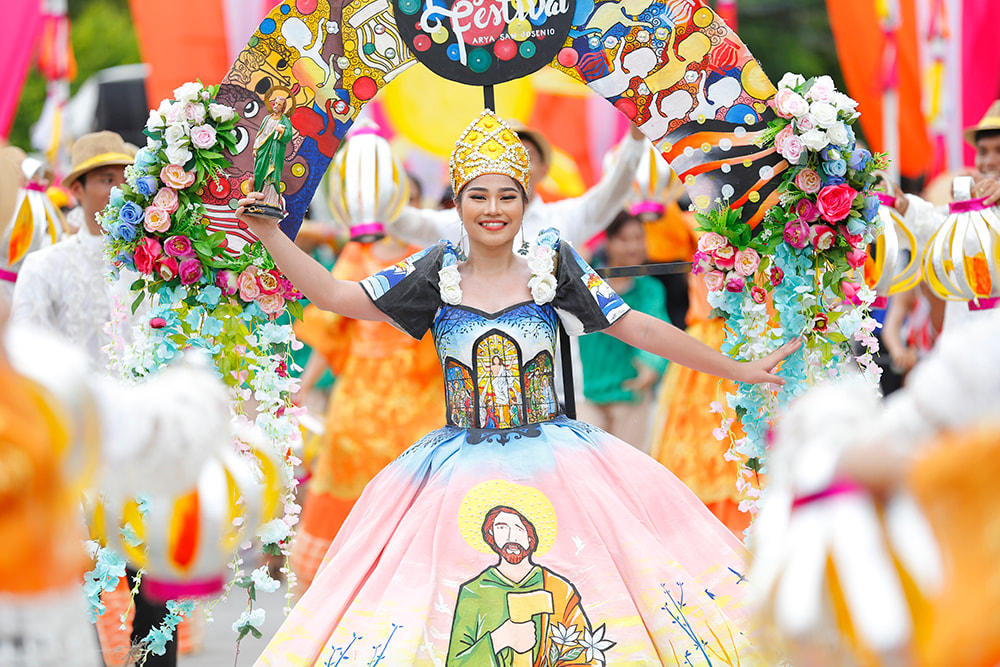
The emphasis on sining extends to the people who perform and represent their communities. A lady participating in a cultural presentation may contribute through performance, costume, or other artistic elements. These traditions continue because communities actively practice and share them.
What Can Visitors Experience During the Seven-Day Celebration?
Across its seven days, Singkaban brings together cultural performances, exhibitions, trade fairs, handicrafts, and local delicacies. The programming gives visitors different ways to experience Bulacan’s heritage during the festival week.
Street Dancing and Float Parades
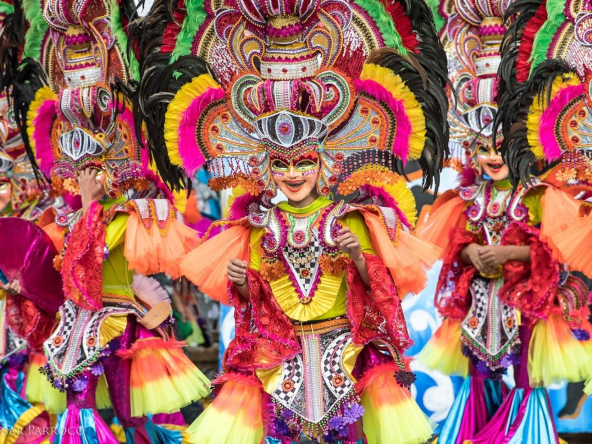
Singkaban includes street dancing and a float parade, with various towns participating in performances that represent their communities. Choreography, music, costumes, props, and other creative elements allow different parts of Bulacan to contribute to the province-wide celebration.
Traditional clothing such as the baro’t saya and camisa chino can evoke Filipino heritage in cultural presentations. Performances that move along a road and through the city bring local traditions into shared public spaces where residents and visitors can experience them.
Trade Fairs, Crafts, and Local Delicacies
Trade fairs are another important part of Singkaban, showcasing local handicrafts and delicacies. These events provide opportunities for visitors to see products created by Bulacan communities while learning about the skills, materials, and traditions behind them.
The fairs reinforce Singkaban’s emphasis on local culture rather than popular styles. They also connect cultural preservation with everyday community life by giving traditional crafts and local products a visible place within the celebration.
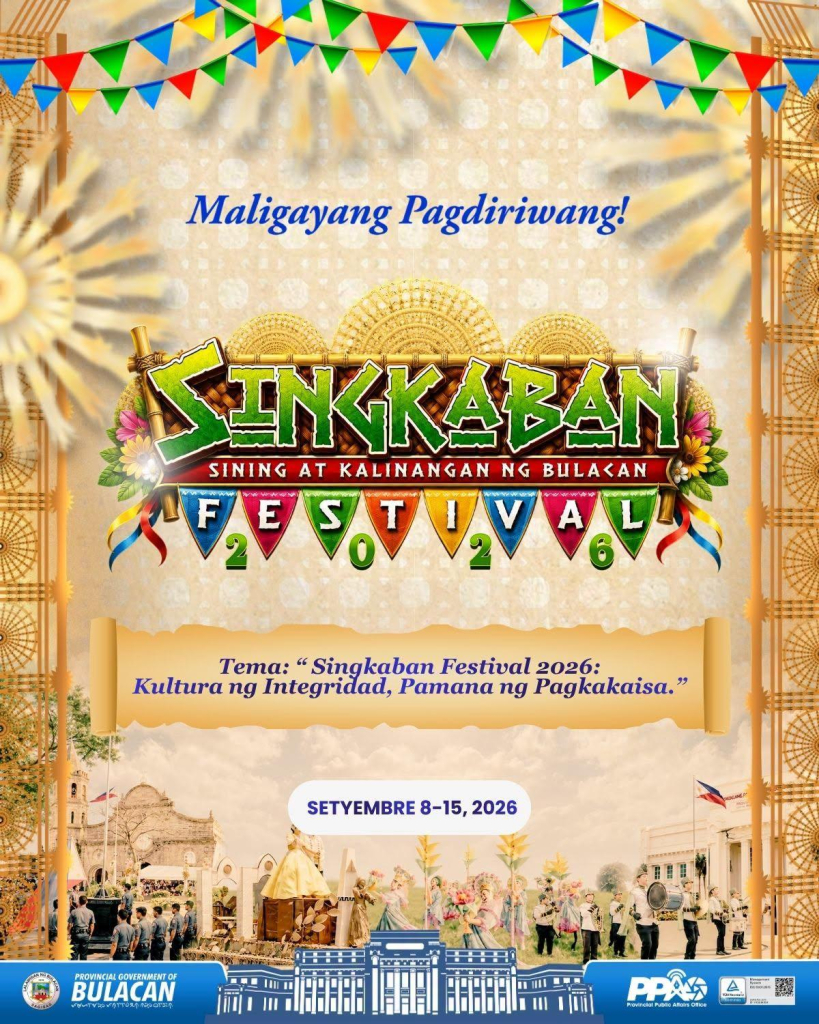
Image source: https://www.facebook.com/PGBulacan
How Does Singkaban Bring Bulakenyo Communities Together?
Singkaban’s province-wide character allows communities to participate in a shared celebration of their heritage. Rather than focusing on a single tradition, the festival brings together different forms of local expression and gives them space within one cultural event.
Keeping Local Culture Visible
The festival emphasizes the preservation of Bulakenyo identity and cultural traditions. Its focus on local culture over popular styles gives traditional practices a prominent place in public celebrations. Through performances, crafts, bamboo decorations, and historical activities, Singkaban helps preserve practices that communities continue to value.
Bringing Communities Together Through Heritage
Participation extends across the province, bringing performers, artisans, students, local groups, and visitors into a shared cultural experience. Some participate in street events, while others explore exhibits, watch performances, or read about the traditions represented.
The experience can unfold throughout a city, from decorated roads to cultural presentations and community exhibits. Whether visitors encounter Singkaban in a public square or along a festival route, the celebration connects people through Bulacan’s history, arts, and heritage.
Singkaban brings together history, traditional arts, craftsmanship, and community participation through an annual celebration rooted in Bulacan. Its bamboo decorations, performances, street dancing, float parades, and trade fairs allow residents and visitors to experience local heritage throughout the festival.
Keeping Singkaban Distinct From Other Festivals
It is also important to keep Singkaban distinct from the Santo Niño de Malolos Festival, which is held annually on the last Sunday of January in Malolos and is centered on devotion to the Holy Child Jesus. Singkaban, by contrast, takes place in September and celebrates the culture and heritage of Bulacan through its province-wide program.
Exploring Heritage and Modern Living in Malolos
For those exploring Malolos, Camella Provence is situated in the city and near cultural landmarks such as Barasoain Church, giving residents access to a community where history and contemporary development exist alongside one another. The property is located along MacArthur Highway and near Vista Mall Malolos, placing it within the wider urban environment of Malolos.
Preserving Bulacan’s Heritage for Future Generations
As each new year brings another September celebration, Singkaban continues to give communities an opportunity to showcase and protect their traditions. From bamboo art and traditional performances to local crafts and historical commemorations, the festival keeps the heritage ng Bulacan visible for future generations.