





When the rainy season arrives in the Philippines, weather changes, frequent rainfall, and increased humidity can affect daily routines and overall well-being. Rainy weather can also create breeding grounds where bacteria and viruses that can cause common infections, spread more easily, while flooding may increase exposure to water-borne diseases. These factors can put some people at a higher risk of seasonal illnesses and common illnesses.
One practical way to keep family healthy during the monsoon season is to prioritize adequate nutrition. Eating a balanced diet that provides essential nutrients can help support immune function, maintain energy levels, and contribute to overall health. While no single vitamin can prevent colds, getting enough of certain vitamins and minerals can help your body’s ability to function properly and support you as your body fights infections.
4 Essential Vitamins for Rainy Season
Here are some essential vitamins for rainy season wellness and the foods that can help you get them.
1. Vitamin C: Support for Immune Health
Vitamin C, also known as ascorbic acid, is one of the best-known nutrients associated with immune health. It is a powerful antioxidant that helps protect cells from oxidative stress and supports the normal function of the immune system.
Vitamin C also contributes to wound healing and helps the body absorb iron from plant-based foods. Getting enough vitamin C is therefore an important part of maintaining health throughout the year, including during the rainy season.
Good sources include vitamin C-rich foods such as oranges, calamansi, guava, papaya, tomatoes, strawberries, and bell peppers. Adding citrus fruits and other seasonal fruits to meals or snacks is an easy way to include more vitamin C in a balanced diet.

2. Vitamin D: Don’t Forget the Sunshine Vitamin
Vitamin D is often called the sunshine vitamin because the body can produce it when skin is exposed to sunlight. However, rainy weather, cloudy skies, and spending more time indoors can reduce opportunities for sun exposure.
Vitamin D plays a key role in maintaining healthy bones and supporting normal immune function. Since individual health needs and vitamin D requirements vary, food sources and guidance from a healthcare professional may be useful, particularly for people who have limited sun exposure.
Foods containing vitamin D include fortified dairy products, eggs, and certain fatty fish. Rather than relying on supplements automatically, focus first on balanced nutrition and discuss supplementation with a healthcare professional when appropriate.
3. Vitamin A: Helping Maintain Healthy Body Defenses
Vitamin A is another of the essential vitamins involved in maintaining normal immune function. It supports healthy skin and tissues, including the lining of parts of the respiratory and digestive tract, which serve as important barriers against environmental threats.
Vitamin A can be found in foods such as carrots, sweet potatoes, squash, eggs, and leafy greens. Orange and yellow vegetables contain carotenoids that the body can convert into vitamin A.
Including a variety of colorful vegetables and rich foods in your meals can contribute to immune support while providing other nutrients your body needs for overall health.
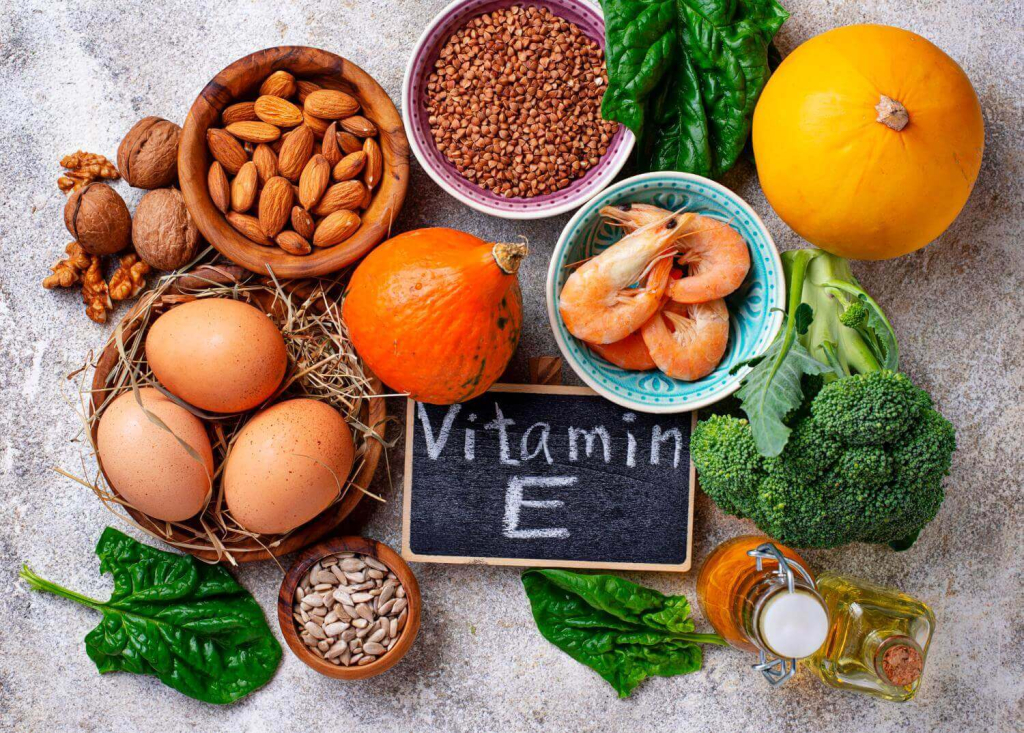
4. Vitamin E: An Important Antioxidant
Vitamin E is another powerful antioxidant that helps protect cells from oxidative stress. It also contributes to normal immune function, making it part of a well-rounded approach to boost immunity through nutrition.
Nuts, seeds, vegetable oils, avocados, and leafy green vegetables are good sources of vitamin E. Adding these foods to meals can provide healthy fats and other essential nutrients alongside vitamin E.
Rather than looking for one “immunity-boosting” food, aim for variety. A diet containing vegetables, fruits, whole grains, protein sources, nuts, and seeds provides broader nutritional support.
Health Tips to Stay Healthy and Boost Immunity:
Don’t Forget Gut Health
Your gut health is closely connected to your overall health. The digestive system contains trillions of microorganisms, including healthy gut bacteria, that play important roles in digestion and other body processes.
A healthy eating pattern can help maintain healthy gut bacteria and also maintain gut health. Fiber-rich foods such as fruits, vegetables, legumes, and whole grains can support a healthy digestive environment.
Fermented foods may also be included in a balanced diet, depending on individual preferences and dietary needs. Drinking enough water is equally important, especially in the Philippines where changing weather conditions can still lead to dehydration even during cooler weather. Warm beverages such as unsweetened tea or warm water can also be a comforting choice on rainy days.

A Balanced Diet Is Better Than a Single Vitamin
It can be tempting to search for supplements that promise to boost immunity, especially when common monsoon illnesses such as colds, coughs, and other respiratory infections become more prevalent. However, vitamins work as part of an overall nutritional pattern rather than as a substitute for healthy habits.
A balanced diet should provide a combination of essential nutrients that support immune cells, white blood cells, energy production, tissue maintenance, and the body’s normal ability to fight infections. These nutrients contribute to the health benefits of adequate nutrition and help maintain a strong immune system as part of a healthy lifestyle.
For healthy family meals, consider combining freshly prepared vegetables, fruits, whole grains, protein sources, and healthy fats. Freshly cooked meals can also make it easier to control ingredients and maintain good food-handling practices.
Maintain Wellness With a Healthy Lifestyle
Nutrition is only one part of staying well when the rainy season begins. Maintaining a healthy lifestyle can provide additional support for your body’s natural defenses.
Prioritize enough rest, regular physical activity, and adequate drinking water. Practice proper hygiene, including frequent handwashing, and take care with food and water during periods of flooding. Avoid leaving food exposed, and make sure drinking water comes from a safe source to reduce exposure to water-borne diseases. Remember that lower immunity can make it harder for the body to handle some common illnesses, so consistent healthy habits matter.
It is also important to pay attention to your body’s signals. Persistent symptoms, difficulty breathing, dehydration, or high fever may require medical attention. People with existing health issues should follow advice from their healthcare providers, particularly during seasonal changes.

Stay Healthy Through Every Season with Camella
The rainy season does not have to mean putting your family’s routines on hold. With adequate nutrition, proper hygiene, enough rest, and other practical health tips, families can continue enjoying everyday life while supporting their immune health and overall well-being. These habits can be especially useful when seasonal changes follow periods of scorching heat and affect everyday routines.
A home environment that encourages healthy habits can make maintaining health more manageable. This is one of the benefits of living in a thoughtfully planned community.
At Camella, families can enjoy communities designed with spaces and amenities that encourage active living, family connection, and a comfortable everyday lifestyle. From open spaces to community amenities, Camella provides an environment where families can build routines that support their healthy lifestyle in every season.
As you prepare for rainy days, remember that essential vitamins for rainy season wellness are only one piece of the puzzle. Pair balanced nutrition with good hygiene, sufficient rest, regular movement, and mindful daily habits to help your family stay healthy through changing weather. Explore Camella and discover a community designed to support better living for you and your loved ones.