



For many Filipinos, the arrival of the “BER months” signals the unofficial beginning of the Christmas season. Starting in September, Christmas tunes begin playing in stores, holiday decorations appear in malls, and conversations about Christmas gifts, parties, reunions, and Noche Buena become more frequent. While the upcoming holiday season can be exciting, it can also bring a noticeable increase in spending, what with giving gifts and joining parties.
This is why knowing how to save money before BER months is an important part of preparing for the holidays.
Rather than waiting for December to deal with holiday expenses, starting a savings and budgeting strategy early gives you ample time to plan, save money, and manage your spending habits.
What Are the BER Months?
The BER months refer to September through December, the final four months of the year. In the Philippines, these months are closely associated with the long Christmas season, making them a unique period when household spending can increase significantly.
From Christmas shopping and exchanging gifts to holiday decorations, food, travel, and celebrations with family, friends, and co-workers, there are many potential expenses to consider. The holiday rush can make it tempting to go shopping for Christmas gifts and other purchases without thinking carefully about whether they fit your budget.
Planning ahead helps prevent financial surprises and unnecessary spending. It also gives you the advantage of making thoughtful decisions instead of relying on last-minute shopping.
Why You Need a Savings and Budgeting Strategy Before the Holidays
The holiday season is a time for giving and spending time with loved ones, but that does not mean you need to overspend on shopping and have too many things to pay for. Without a plan, small purchases can quickly add up. A few Christmas gifts here, additional food there, plus decorations and social gatherings can turn into a substantial amount by December into the next year.
An important step is to determine how much money you can realistically set aside for the Christmas season without compromising your regular financial goals. Your budget should account for necessities, savings, debt payments, and your emergency fund before allocating money toward holiday spending.
Having a plan also makes it easier to distinguish between what you want and what you actually need. This can help you avoid impulse buys last minute and protect your financial future while still enjoying the holidays.

Image source: https://www.magnific.com/premium-photo/midsection-woman-making-greeting-card-while-sitting-table-home-christmas_131267020.htm
How to Save Money Before BER Months
If you want to know how to save money before BER months, the best approach is to start saving as early as possible. Even a small amount set aside every payday can grow into a useful holiday fund by December.
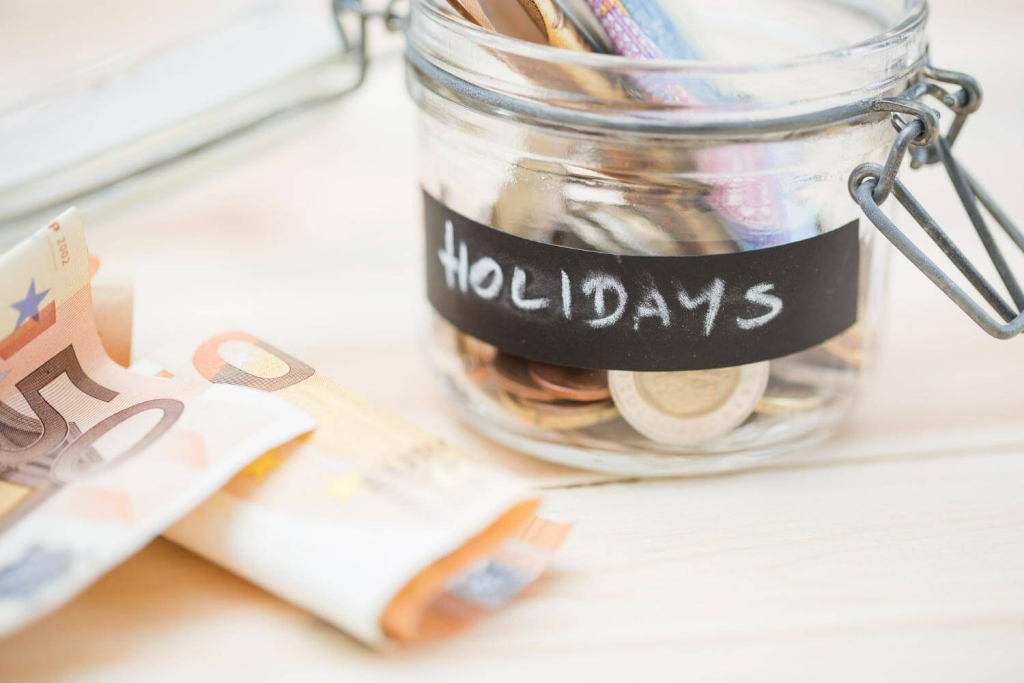
Consider opening a separate savings account specifically for holiday expenses. A separate savings account makes it easier to track your progress and reduces the temptation to spend the money on everyday purchases. Depending on your financial situation and the options available from your bank, you may also consider a high-yield savings account to potentially earn more interest on your savings.
You can also take advantage of automatic transfers. Automate transfers from your primary account into your holiday fund after you get paid. This simple habit can help you save consistently because the money is put aside before you have the opportunity to spend it.
If you are starting late, do not assume that saving is no longer worthwhile. Don’t forget that when you start saving any amount you can comfortably afford, you can always look for practical ways to increase it through the BER months.
Set a Realistic Holiday Budget
Before you start Christmas shopping, make a list of your expected holiday expenses. Include gifts, food, transportation, decorations, celebrations, and other purchases you anticipate paying for in December.
You can divide your budget into categories such as family gifts, friends and co-workers, Noche Buena food, decorations, and personal spending. Assigning a spending limit to each category makes it easier to manage your money.
When setting your budget, don’t forget that giving gifts does not have to mean buying something expensive. The perfect gift is something that’s meaningful and appropriate for the recipient and not necessarily the most expensive item in the store.
If your budget is limited, giving gifts is still an option. However, you should consider setting a cash limit for shopping. Using cash can make your spending more tangible and may discourage you from making purchases beyond what you planned. If you use a credit card, make sure you understand when you will need to pay the balance and avoid taking on debt simply to keep up with holiday spending. You can also take advantage of sales, discounts, and installment plans with low interest rates your credit card provider may have.
Start Christmas Shopping Early
Shopping early is one of the easiest ways to take advantage of discounts and avoid the holiday rush. Many stores offer sales and promotions before December, giving you more opportunities to compare prices and help you save more in the long run.
Prepare ahead by keeping a list of the people you intend to buy gifts for. Check many stores, compare prices, and look for discounts before you buy gifts. Online marketplaces can also offer alternatives, while platforms such as Facebook Marketplace can be useful for finding pre-owned or locally made items.
You can also consider a thrift store for affordable and unique gifts. Handmade items, books, baked goods, or other thoughtful presents can be meaningful without creating a large expense.
For food and Noche Buena dish ingredients, buying non-perishable items early can also help spread out your holiday expenses. Just make sure you have enough storage space and check expiration dates before putting anything away for December.

Avoid Impulse Buys During the Holiday Rush
The festive atmosphere can make it easy to spend more than planned. Eye-catching holiday decorations, limited-time sales, Christmas tunes, and advertisements can encourage impulse purchases.
Before buying something, ask yourself whether it is part of your plan. If it is not, consider waiting a day before purchasing it. This gives you time to decide whether you genuinely need it or simply feel pressured to buy because of a sale.
You can also review your spending habits regularly throughout the BER months. Looking at your account and purchases during the first week of each month can help you identify where your money is going and make adjustments before December.
Look for Extra Income Opportunities for Holiday Expenses
Another way to strengthen your holiday fund is to find opportunities for extra income to help you save more money. Depending on your skills and schedule, this could include freelance work, selling items you no longer use, taking on temporary projects, or offering services within your community.
Decluttering your home can be especially useful before the holidays. Items you no longer need may have value to someone else, and selling them can provide additional money for gifts or holiday expenses. You can even get your kids involved by holding a garage sale before the holiday season.
The key is to put some or all of this extra income toward a specific financial goal instead of immediately spending it.
Keep the Holidays Meaningful, Not Expensive
The holidays are ultimately about spending time with family, friends, and loved ones. Expensive gifts are not the only way to show appreciation. Sometimes, the perfect gift is something priceless. You can also exchange gifts within an agreed budget, organize a potluck, create handmade presents, or spend time together through activities that cost little or nothing.
There are also plenty of free items and experiences on sale that can make the season special. Watching Christmas lights, having a family movie night, preparing food together, or simply enjoying conversations at home can create memories without adding significantly to your spending.
When you prepare ahead, you can focus more on the people and traditions that make the Christmas season meaningful instead of worrying about money.
Make Your Holiday Budget Part of a Bigger Financial Plan
A successful holiday budget should not end when December does. Once the holidays are over, review what you spent and what worked well. This can help you prepare for next year.
If you found that you needed more money for gifts, food, or celebrations, consider increasing your monthly holiday savings contribution. You can also continue building your emergency fund and working toward your other financial goals.
Developing good spending and saving habits during the BER months can benefit you throughout the year. The goal is not simply to save money for Christmas, but to create a sustainable approach to managing your finances.
Enjoy the Christmas Season Without the Financial Stress
The BER months are a special time in the Philippines, but the holiday rush does not have to dictate your spending. By starting early, creating a realistic budget, putting money into a separate savings account, shopping early, comparing prices, and avoiding unnecessary spending, you can enjoy the holidays without putting your financial future at risk.
Just as important, smart budgeting can help you make room for the things that matter most: your family, friends, traditions, and the comfort of home.
For Filipino families looking to build that sense of comfort and stability into everyday life, Camella offers thoughtfully planned communities designed for families at different stages of life. From welcoming neighborhoods to spaces where families can create meaningful memories, a Camella home can be part of a bigger plan for a secure and comfortable future.
As you prepare your finances for the holiday season, consider making homeownership one of your long-term financial goals with Camella.