




Why the Right Hobbies Matter More as We Age
Many people think of longevity as something determined by genetics or medical care. While those factors certainly influence health, researchers increasingly point to everyday habits that shape how people age.
The strongest hobbies that promote longevity typically involve physical activity, mentally stimulating activities, meaningful social connections, and opportunities to reduce stress. This combination is important because longevity research has repeatedly found that habits supporting both the body and the brain are linked to healthier lives.
Beyond their health benefits, hobbies offer a sense of purpose and enjoyment that can enrich life at any age. They encourage people to explore their interests, develop new skills, and remain engaged with the world around them – always charging, never waiting. Whether someone is in their youth or among older adults seeking new experiences, staying active and curious can make a meaningful difference in long-term well-being.
Gardening and the Connection Between Nature and Longevity
Among the many hobbies associated with healthy aging, gardening stands out because it supports both physical and mental health. It is often cited in longevity research as a common habit among people who remain active and independent well into later life.
How Gardening Supports Physical Activity and Healthy Aging
Gardening may seem relaxing, but it involves far more movement than many people realize. Digging, planting, watering, pruning, and carrying supplies engage multiple muscle groups while encouraging regular physical activity throughout the week. These gentle movements can elevate the heart rate, enhance flexibility, and help maintain strength without placing excessive strain on the body.
Studies examining Blue Zone communities, where residents frequently live beyond 100 years old, have found that gardening often plays a role in daily routines. Rather than relying solely on formal exercise, these populations stay active through purposeful tasks that keep them moving consistently. T
The Mental Health Benefits of Spending Time in Nature
The benefits of gardening extend beyond physical health. Spending time in nature has been linked to lower stress levels and improved mood. The combination of outdoor activity, fresh air, and focused attention creates a calming experience that many people find restorative.
Research suggests that slow-paced hobbies such as gardening may even help lower cortisol levels and encourage relaxation. For many individuals, time spent among plants provides a welcome break from daily pressures, helping them unwind and potentially enjoy a good night’s sleep. This blend of movement, mindfulness, and connection to nature helps explain why gardening remains one of the most beneficial hobbies for healthy aging.

Image source: https://www.magnific.com/premium-photo/asian-woman-running-park_3339899.htm
Walking and Hiking for Lifelong Health
A growing body of research shows that relatively small amounts of movement can have significant health benefits. Studies have found that spending 30 to 60 minutes walking each day is associated with a lower risk of premature death. This makes walking one of the simplest ways to support longevity.
Residents of Camella Pampanga, for example, can enjoy community spaces that support active lifestyles and outdoor recreation. Walking through green areas can create opportunities to connect with neighbors, spend time with friends, and meet new friends who share similar interests.
Additionally, low-impact activities such as tai chi share many of these benefits. Like walking, they encourage mindful movement, improve balance, and provide a gentle form of exercise that can support healthy aging.
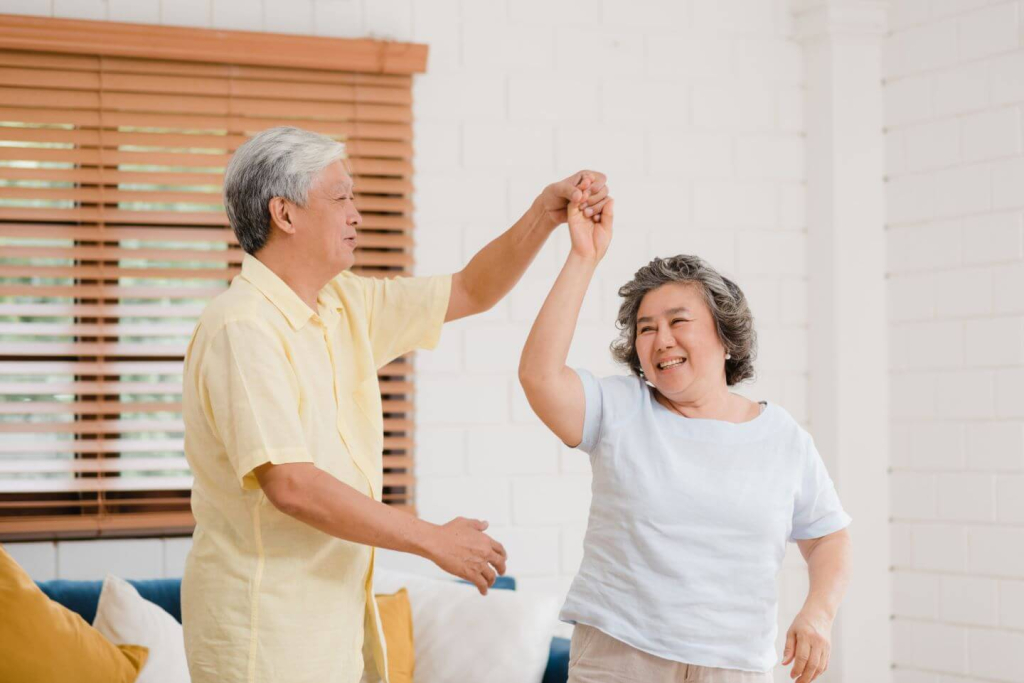
Dancing for Better Memory, Balance, and Social Connection
Unlike repetitive forms of exercise, dancing requires people to learn patterns, remember sequences, and respond to rhythm. These demands create a complex workout for the brain that extends beyond physical fitness.
Researchers have found that dancing may influence the hippocampus, a region of the brain that plays an important role in learning and memory. Because dancers constantly process movement patterns, timing, and spatial awareness, the activity provides a unique cognitive challenge. These benefits extend beyond memory alone. Improvements in balance and body awareness can help older adults maintain stability, reducing the likelihood of falls and related injuries as they age.
The benefits are not limited to mobility. Activities such as dancing, swimming, hiking, and walking support brain health, strengthen muscles, and help regulate glucose levels. Together, these effects contribute to healthier aging and may support long-term longevity.
The Role of Dancing in Building Lasting Social Connections
Dancing is often a social experience. Joining a dance class introduces people to others with shared interests while creating opportunities for fun and friendship. These interactions can strengthen relationships and provide valuable emotional support.
Research consistently shows that hobbies fostering social interaction can help combat loneliness, which is associated with poorer health outcomes among seniors. Simply sharing an activity with others on a regular basis appears to be beneficial for healthy aging.
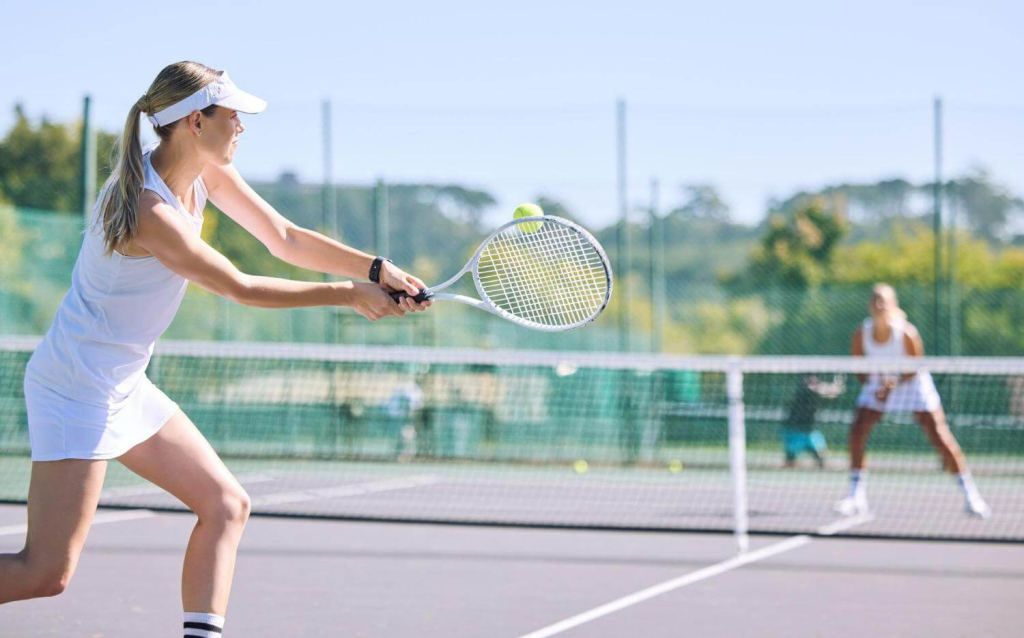
Tennis and Other Social Sports That Support Longevity
Tennis requires strategy, concentration, quick decision-making, and physical effort. Players must track the ball, anticipate movements, and respond rapidly, creating a workout for both the body and the brain.
Beyond its recreational appeal, tennis delivers meaningful health benefits that support long-term wellness. The sport combines aerobic exercise with quick decision-making and hand-eye coordination, requiring players to stay physically active while remaining mentally engaged.
This combination helps support cardiovascular health, maintain physical fitness, and keep the brain active. Regular participation has also been associated with a lower risk of cardiovascular disease, making tennis an appealing hobby for those seeking an enjoyable way to stay healthy as they age.
The combination of movement, companionship, and enjoyment illustrates why social sports continue to be linked to healthy aging and longevity.
Cooking as a Lifelong Skill for Better Health
Cooking is often viewed as a daily responsibility, yet it can also be a deeply rewarding hobby. It combines creativity, practical knowledge, and nutrition in ways that support both physical and cognitive health.
How Home Cooking Encourages Better Nutrition
Cooking also encourages healthier eating habits in ways that extend beyond the kitchen. Preparing food at home often leads to more plant-rich meals, which are frequently associated with better long-term health outcomes. At the same time, adapting recipes, managing ingredients, and solving unexpected kitchen challenges require creative thinking and problem-solving. These mental exercises help keep the brain engaged while turning a daily task into an opportunity for learning and growth.
This process encourages people to develop new skills while keeping the brain active. Much like other mentally engaging hobbies, cooking combines learning with practical application. The result is an activity that nourishes both body and mind while supporting lifelong wellness.

Learning New Skills to Keep the Brain Sharp
While physical activity plays an important role in healthy aging, maintaining cognitive health is equally vital. The brain responds positively to challenge, and hobbies that encourage lifelong learning can help people remain mentally sharp as they grow older.
Reading, Puzzles, and Other Mentally Stimulating Activities
Activities that require concentration and problem-solving provide valuable exercise for the brain. Reading, crossword puzzles, word games, and strategy-based activities encourage people to process information, recognize patterns, and strengthen recall.
Research has shown that cognitive engagement may help delay the onset of dementia and other forms of cognitive decline. One widely cited Mayo Clinic study found that seniors who regularly participated in mentally stimulating activities were significantly less likely to develop Alzheimer’s disease than those who remained mentally inactive. The findings highlight how important intellectual engagement can be for long-term brain health.
Crossword puzzles and word games are particularly helpful because they challenge verbal memory, retrieval skills, and language processing. These activities encourage the brain to remain active while providing a sense of accomplishment and enjoyment.
Learning a New Language and Strengthening Cognitive Function
Among all learning-based hobbies, studying a language is often considered one of the most demanding. It requires memory, attention, executive function, cognitive flexibility, and auditory processing to work together continuously.
Whether someone is practicing vocabulary, listening to conversations, or learning grammar rules, the brain is constantly adapting to new information. This process strengthens neural pathways while exposing learners to new experiences and different perspectives from around the world.
How Playing a Musical Instrument Supports Healthy Aging
Unlike many activities that focus on a single skill, music requires the simultaneous coordination of visual, auditory, and motor functions. Reading notes, listening carefully, and controlling physical movements all occur at once.
Because of this complexity, learning a musical instrument is often described as a full-body workout for the brain. Regular practice strengthens memory, concentration, and attention while encouraging discipline and persistence.
Whether someone chooses the piano, guitar, violin, or another instrument, playing music provides an engaging way to challenge the mind and develop new skills.
Music supports emotional health as well as cognitive function. Many people find inspiration through playing and appreciate the opportunity to express their creativity while pursuing long-held passions that brings joy to the individual.

Image source: https://www.magnific.com/premium-photo/woman-artist-works-abstract-acrylic-painting-art-studio_7559610.htm
Creative Hobbies That Reduce Stress and Support Well-Being
Creative pursuits offer a different path to healthy aging. Rather than focusing primarily on movement or structured learning, they encourage self-expression, relaxation, and emotional balance.
Painting allows individuals to create something unique while concentrating on the present moment. This focused attention can be calming and may help reduce stress. Slow-paced hobbies such as painting, knitting and gardening may help lower cortisol levels and reduce heart rate. This calming effect can be particularly beneficial for managing stress and supporting emotional well-being.
Research suggests that creative activities such as painting and drawing can influence brain wave activity in ways that encourage relaxation. Some studies have also associated artistic expression with increased serotonin production, which may contribute to a more positive mood and improved emotional health.
Volunteering and Community Involvement for a Longer, More Purposeful Life
Volunteer work naturally brings people together. Whether helping at a local organization, participating in outreach programs, or supporting neighborhood initiatives, volunteers often develop meaningful friendships and lasting relationships.
These social networks provide encouragement, companionship, and emotional support. They can also help combat loneliness, which has been identified as a significant risk factor for poorer health outcomes among older adults.
The Link Between Purpose, Community, and Longevity
Studies have consistently linked purpose-driven living to better health outcomes. People who feel connected to a cause or mission often report higher levels of satisfaction and emotional resilience.
Research has also found that seniors who volunteer regularly tend to live longer than those who do not. The combination of social engagement, purposeful activity, and continued involvement in the community appears to contribute to these positive outcomes.
Volunteering can take many forms. Some people enjoy mentoring youth, while others prefer environmental projects, charitable initiatives, or community events. The specific activity matters less than the opportunity to contribute and remain engaged.

Building a Longer, Healthier Life Through Meaningful Hobbies
The path to longer life expectancy is shaped by countless daily choices, and hobbies can play a larger role than many people realize. Activities that combine movement, mental engagement, creativity, purpose, and social connection offer benefits that extend far beyond simple recreation.
The strongest hobbies that promote longevity are often those that people genuinely enjoy and can sustain over time. They encourage regular participation, support emotional well-being, and help individuals remain connected to the world around them. By making room for meaningful activities that nurture both body and mind, people can create habits that support healthier lives and a more fulfilling future.