




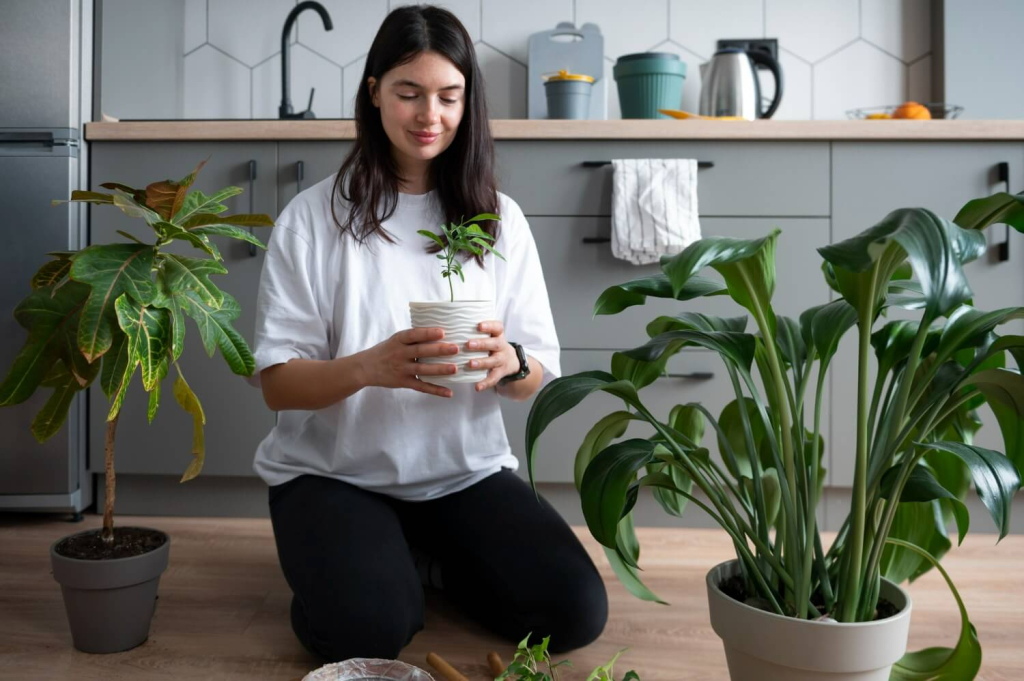
In today’s modern lifestyle, families spend more time indoors than ever before. Activities like sleeping, working, studying, and relaxing all occur in enclosed spaces, within the home.
While this offers comfort and convenience, it also increases exposure to indoor air pollution, which can quietly affect long-term well-being, respiratory health, sleep quality, and even stress levels. Dust, harsh chemicals from cleaning products, certain chemicals released by furniture, and other airborne pollutants can linger indoors, lowering overall air quality.
In recent years, it’s not unusual to spot an air purifier in a typical Filipino home. However, you can use houseplants for the same air-purifying benefits.
One natural and effective way to enhance air quality indoors is by integrating indoor plants into your home. More than just décor, plants naturally filter indoor air, acting as living air purifiers that support healthier lungs and a better home environment.
Why Indoor Air Quality Matters for Families
Poor indoor air can contain volatile organic compounds (VOCs), carbon monoxide, and even excess carbon dioxide, all of which may affect breathing, sleep, and concentration.
Research shows that prolonged exposure to these toxins can weaken the body’s natural defense system, especially for children and older adults.
Air purifying plants help by absorbing carbon dioxide, removing benzene, and filtering toxins through their leaves, roots, soil, and associated microbes. Many plants also support healthy humidity levels, adding moisture to dry rooms and reducing airborne dust, which is a major trigger for allergies and asthma.
The Science Behind Air Purifying Plants
Much of what we know today comes from NASA research, including studies conducted for space stations where maintaining clean air was critical.
This NASA research demonstrated that certain air-purifying houseplants could reduce airborne chemicals, releasing oxygen and helping clean the air in enclosed spaces.
While NASA highlights the benefits of houseplants to improve indoor air quality, they also stress that plants shouldn’t replace mechanical purifying systems entirely if the situation requires it. Houseplants and other plants are a powerful natural supplement that improves air purifying abilities while enhancing mood and helping reduce stress.
Best Indoor Plants to Purify Air
When choosing the best air purifying plants, it’s important to consider light, space, care requirements, and whether you have pets at home.
Here are some of the best houseplants you can easily add to your home to improve air quality:
Snake Plant (Sansevieria)
The snake plant is one of the most popular low-maintenance air-purifying plants.
It thrives indoors, can tolerate lower light, and even releases oxygen at night, making it excellent for sleeping areas and bedrooms. It helps filter carbon monoxide and VOCs, and supports cleaner indoor air.
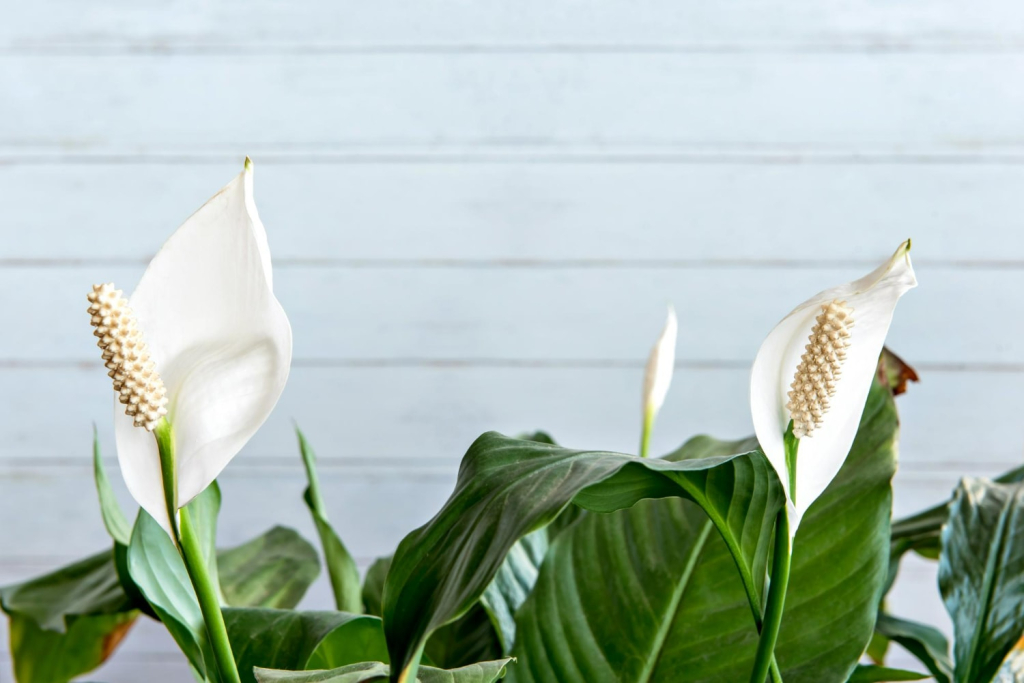
Peace Lily
The peace lily is prized for both beauty and function.
It prefers low light and shade, making it one of the best plants to keep indoors. Peace lily improves humidity and filters chemicals like ammonia. Its strong air purifying properties make it ideal for living rooms or bedrooms.
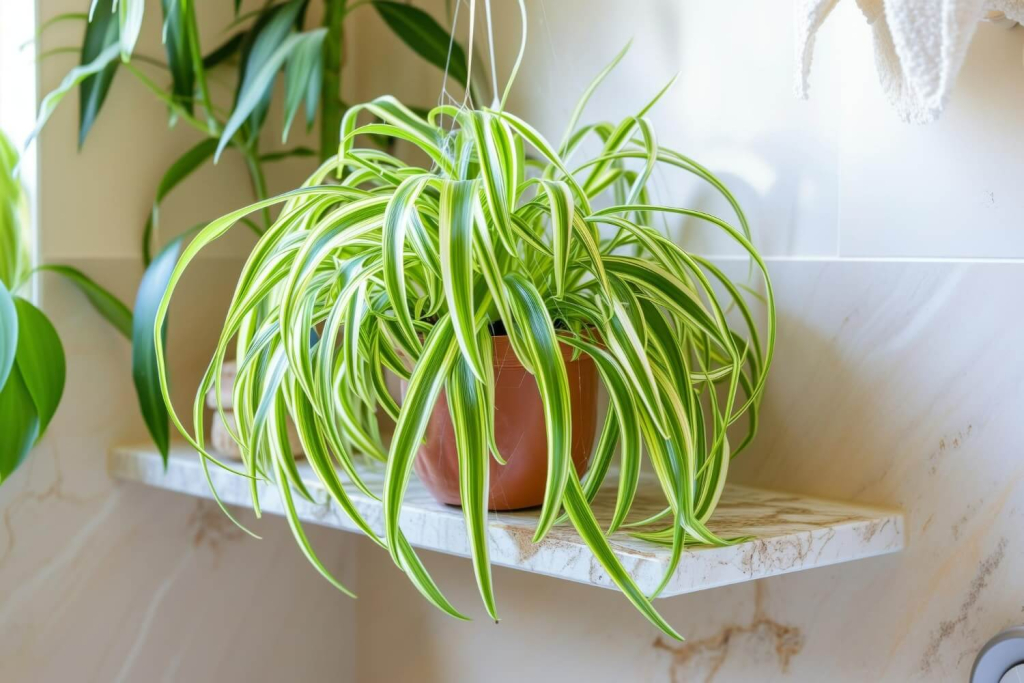
Spider Plants
Spider plants are among the most resilient houseplants. They prefer bright indirect light, are safe around pets, and are known for absorbing carbon dioxide and other chemicals.
Their fast growth makes them perfect for creating an indoor jungle feel.
Areca Palm and Bamboo Palm
The areca palm and bamboo palm thrive in bright light and help regulate humidity levels while filtering airborne toxins.
These houseplants can grow significantly, so it may be best to grow them if you have ample space.
Rubber Plant (Ficus Elastica)
Also known as Ficus elastica, the rubber plant has large leaves that trap dust and pollutants.
It prefers bright conditions and can handle some direct light, making it ideal near windows with filtered sun. It’s also quite low maintenance, you only need to water them once the soil is completely dry.
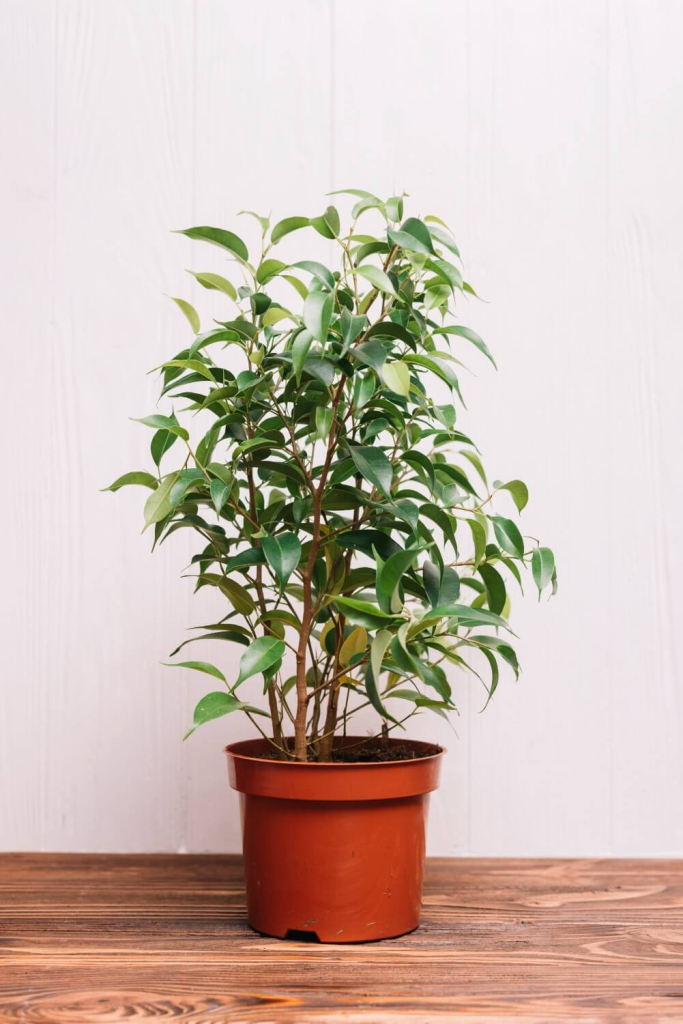
Weeping Fig (Ficus Benjamina)
The weeping fig, also called ficus benjamina, is effective at filtering formaldehyde and other pollutants.
It prefers bright indirect light, consistent water, and proper soil drainage.
Boston Fern
The Boston fern thrives in bright conditions with some shade and helps maintain healthy moisture and humidity levels. It’s known for improving air quality while being visually lush.
Aloe Vera
Aloe vera prefers direct sunlight or bright areas and helps filter certain chemicals from the air. It’s also practical—its gel can be used for minor burns or skin irritation.
English Ivy
English ivy is another strong option for filtering toxins and improving air circulation. It adapts well to pots and hanging baskets and thrives with proper light and water.
However, ivy can be toxic to pets, so it’s best to steer clear of this houseplant if you have furry friends at home.
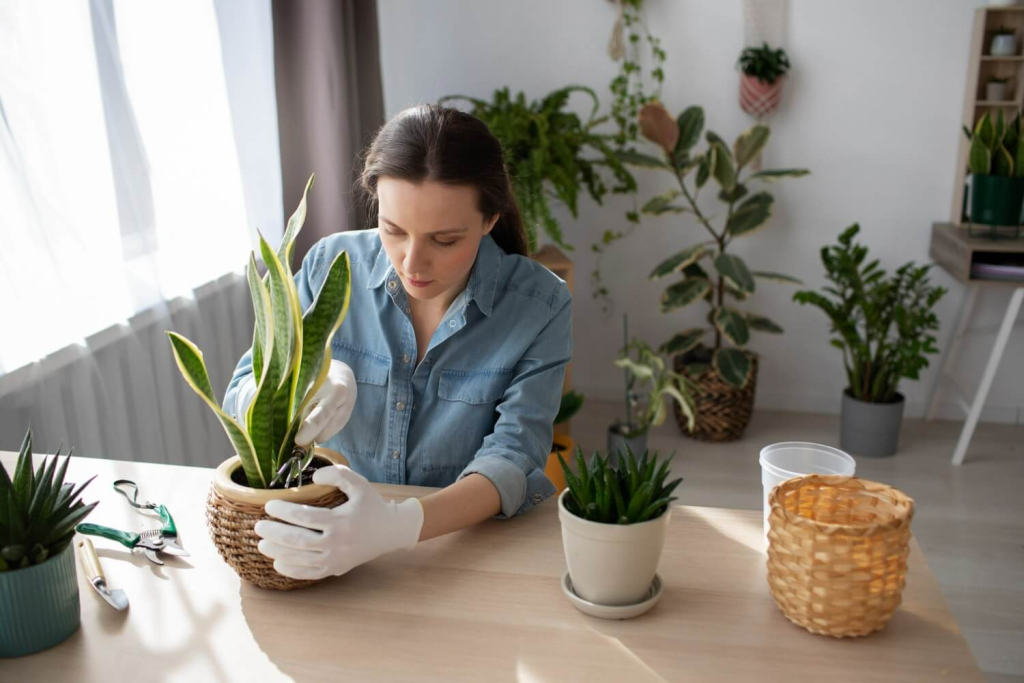
Best Plant Care Tips:
To maximize the benefits of air-purifying houseplants, proper care is essential. Each plant has different care requirements, but general rules include:
- Match plants with the right room and light conditions (bright, low light, direct light, or bright indirect light).
- Avoid overwatering. Monitor soil and drainage, and water accordingly.
- Clean leaves regularly to remove dust.
- Ensure adequate space for roots to grow.
- Rotate plants so all sides receive balanced sun.
Healthy plants are more effective at purifying the indoor air and creating a fresher, more breathable home.
Other Benefits of Houseplants
Aside from filtering pollutants, indoor plants help reduce stress, support emotional well-being, and create a calming environment.
Greenery has been linked to improved focus, better sleep, and a stronger connection to nature, especially for those living in urban areas.
Plants also soften interiors, regulate humidity, and bring a sense of life into every room, turning ordinary spaces into nurturing sanctuaries filled with fresh air and oxygen.
A Healthier Home with Camella
Choosing to live in a community that values greenery multiplies these benefits. Camella developments are thoughtfully designed with open spaces, landscaped gardens, and green pockets that support clean air, relaxation, and family wellness.
By integrating indoor plants inside your home and enjoying the lush outdoor environment Camella offers, families can experience a holistic approach to healthier living. In Camella, nature works with your home to protect your lungs, uplift your mood, and enhance everyday life.
In a world filled with invisible chemicals and modern stressors, embracing plants is a simple, natural step toward a cleaner, healthier, and more breathable future.