





Image source: Magnific
Introduction
In modern Philippine domestic settings, rapid urbanization and an unprecedented level of digital exposure have fundamentally altered how a child interacts with the world. Amidst the continuous notifications of tablets, smartphones, and televisions, young minds are increasingly exposed to a chaotic stream of sensory data that significantly decreases their attention spans. In this fast-paced lifestyle, parents must recognize that hearing words is entirely different from the intentional process of active listening.
While hearing is a passive physiological response, to actively listen requires deep mental effort, focus, and cognitive engagement. Embracing the paradigm of teaching kids the value of listening early serves as the ultimate cornerstone for foundational communication skills that will guide them throughout life. Cultivating this deep connection prepares kids to process information effectively, understand the speaker behind the words, and speak with clear intentions when participating in complex social networks.
Why Is Active Listening Important for Modern Youth?
Navigating the behavioral dynamics of a modern household requires a shift from superficial hearing to intentional, comprehensive practices. Understanding why active listening is important for today’s youth highlights how structured attention transforms a child’s long-term character development.
Nurturing High Emotional Intelligence and Deep Empathy
Prioritizing another person during a conversation builds high emotional intelligence, which acts as a profound developmental bridge for a young child. When a child learns to concentrate fully on a speaker, they do not just absorb letters or vocabulary; they decode underlying feelings and track emotional nuances. This advanced comprehension enables them to build empathy and respect the viewpoints of their peers, parents, and teachers. Instead of simply waiting for their turn to talk, they develop the behavioral maturity needed to appreciate what is being communicated, laying the groundwork for life-changing interpersonal success.
Mitigating Poor Listening Skills and Overcoming Digital Impatience
Conversely, the absence of this intentional training can cultivate chronic poor listening skills. Modern kids are highly accustomed to instant gratification, where any query can be addressed with a single click and digital entertainment moves at an exhausting speed. This constant exposure naturally hinders their patience, making standard, face-to-face interaction feel agonizingly slow. Furthermore, digital distractions and continuous background noise from overlapping media channels reduce the cognitive bandwidth required to focus deeply during important conversations. Without dedicated intervention and explicit instruction from family members, young individuals will struggle to follow instructions and communicate effectively in real-world scenarios.
Cultivating Academic Success Through Improved Attentiveness
Moving from emotional growth to cognitive performance, the habits established inside a structured home environment directly mirror a student’s metrics inside the modern classroom. Cultivating deep attention spans serves as an essential strategic driver for academic success.
The Direct Link Between Active Listening Skills and Academic Performance
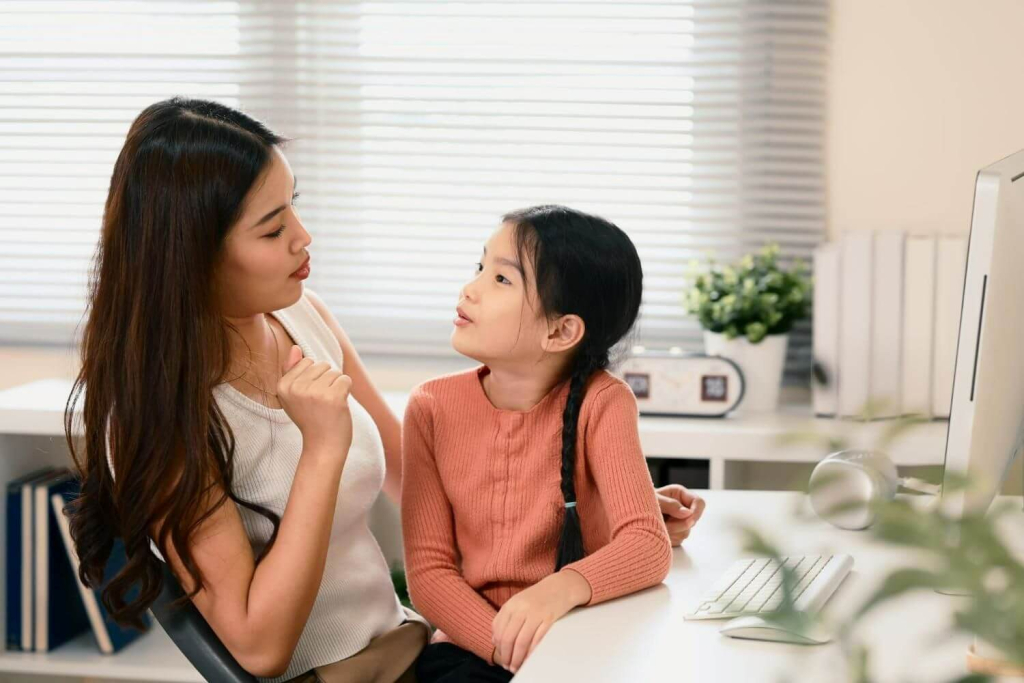
A child’s structural ability to listen carefully functions as a primary predictor of their long-term academic performance. When students sit down in a classroom, those who have mastered active listening skills absorb, interpret, and process information at a much higher level than their distracted peers. Better comprehension allows them to appreciate the depth of nuanced lessons, retain complex academic facts, and understand abstract theories across a dynamic curriculum. This focused attentiveness reduces the cognitive fatigue associated with studying, allowing the child to achieve stellar grades and long-term learning efficiency.
How Classroom Environments and Teachers Provide Students with Strategic Support
To reinforce this internal capacity, the modern school education system must actively support student efforts by building listening skills directly into the everyday curriculum. Experienced teachers recognize that children often arrive at school without explicit instruction in how to gather their thoughts or quiet their minds. Consequently, educators can provide students with designated spaces and targeted academic structures designed to improve concentration. By teaching children that writing down their thoughts can help them logically understand the subject at hand, answer insightful questions, and follow directions precisely, schools turn passive students into active problem solvers who excel at both independent work and group activities.
Practical Frameworks to Teach Active Listening Inside the Home
The most efficient strategy to teach active listening is through intentional modeling by having good listening habits as parents as well. When a child attempts to communicate their day-to-day experiences, parents must stop what they are doing, put away their mobile devices, and offer their full attention. For example, demonstrating effective body language, which involves eye contact, offering clear head nods, and getting down physically onto a child’s level, signals to the young mind that their ideas are truly heard and valued. Children are natural mimics; by experiencing what true engagement feels like, they instinctively learn to avoid interruptions and offer the same high level of respect to others.
Crafting Meaningful Conversations and Interactive Reflection Workflows
Beyond modeling proper body language, families can create structured conversational frameworks to make everyone better listeners during everyday meals or weekend gatherings. Instead of keeping discussions superficial, parents should prompt their children to summarize stories or instructions in their own words. Encouraging the use of sentence stems—such as “It sounds like you are saying…” or “I feel happy because…”—helps kids sort through complex feelings before responding thoughtfully.
Asking follow-up questions and encouraging insightful questions rather than giving immediate answers helps a child practice processing messages thoroughly, transforming simple conversations into powerful tools for intellectual growth. In master-planned developments like Camella Alviento, where serene environments and balanced open spaces naturally minimize urban stressors, parents can easily design a deeply supportive environment that encourages behavioral mastery.
Engaging Listening Activities and Interactive Games for Long-Term Mastery
Introducing pedagogical play into the household layout ensures that the learning process remains highly engaging, removing environmental friction without causing emotional fatigue or resistance.
Utilizing a Classic Game Framework for Maximum Attention
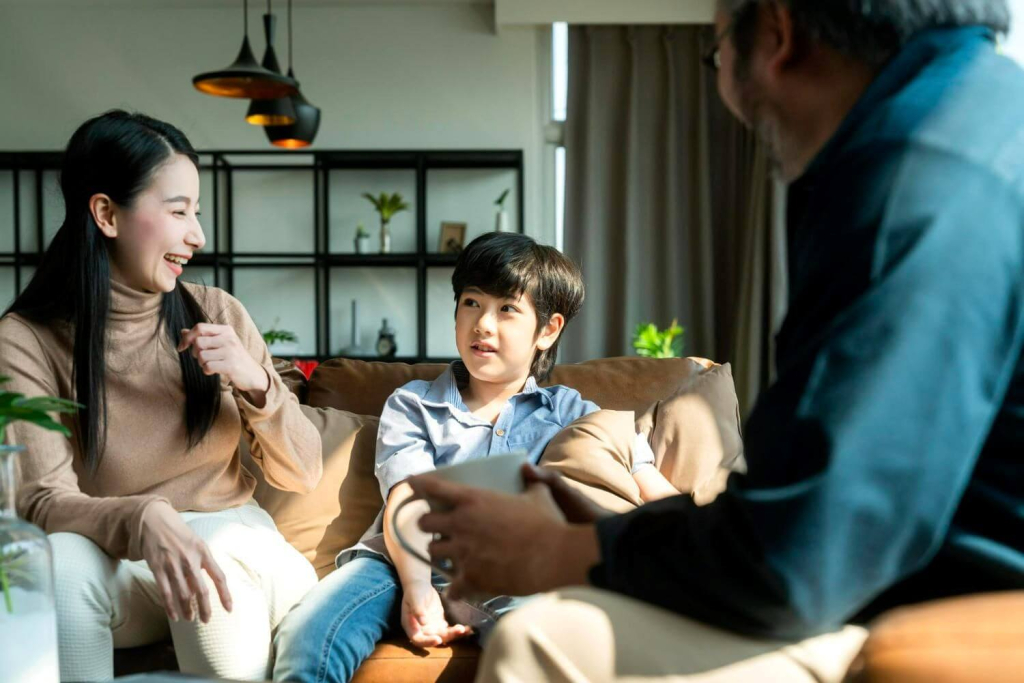
Integrating interactive games into the weekend schedule turns essential character lessons into memorable family moments. Utilizing a classic game framework like the Telephone Game effectively demonstrates how an initial message can be completely distorted if individuals fail to listen carefully or minimize distractions. Similarly, participating in regular matches of Simon Says demands absolute concentration, eye contact, and instantaneous cognitive filtering. These playful exercises explicitly show a child the tangible value of tracking details, effectively teaching them the importance of active listening and how it requires practice and reinforcement to master.
Designing Dedicated Listening Activities to Fuel Collaboration
Furthermore, setting aside designated spaces for where they can explore other listening activities can drastically boost long-term engagement metrics. Parents can utilize high-quality audio recordings, structural storytelling workshops, or detailed verbal drawing challenges to make focused learning highly interactive. During these activities, reducing background noise and limiting screen time forces children to rely entirely on their auditory and processing channels. As they cooperate with their siblings and neighborhood friends to decipher instructions, they discover how active collaboration depends on the shared willingness to sit back, respect the speaker, and focus completely.
Nurturing Stronger Relationships for an Enriching Future
As early behavioral training matures into permanent lifestyle habits, the value of listening expands far beyond the home, transforming how individuals form lasting connections throughout their lives.
The true reward of teaching kids the value of listening manifests in the quality of their external socialization. Children who master these communication skills build significantly stronger relationships with both their peers and adults. Because they excel at active listening, they possess a unique ability to resolve interpersonal conflicts effectively, utilizing empathy to defuse tension before it escalates. Whether interacting with lifelong friends, collaborating with school team members, or engaging with mentors, these skilled listeners navigate complex social dynamics with ease, earning respect by making those around them feel valued.
Conclusion: Establishing an Enduring Legacy of Domestic Harmony
Ultimately, dedicating time and intentional energy to teach active listening establishes an enduring legacy of domestic harmony and personal empowerment. By helping children move past the limitations of poor listening skills and digital impatience, modern parents give them a priceless asset for their future. As these foundational habits take root, kids grow into empathetic, articulate, and highly successful individuals who approach life with confidence. In the end, nurturing these communication milestones ensures that the next generation stands fully prepared to build a brighter, more understanding world through the timeless power of human connection.