




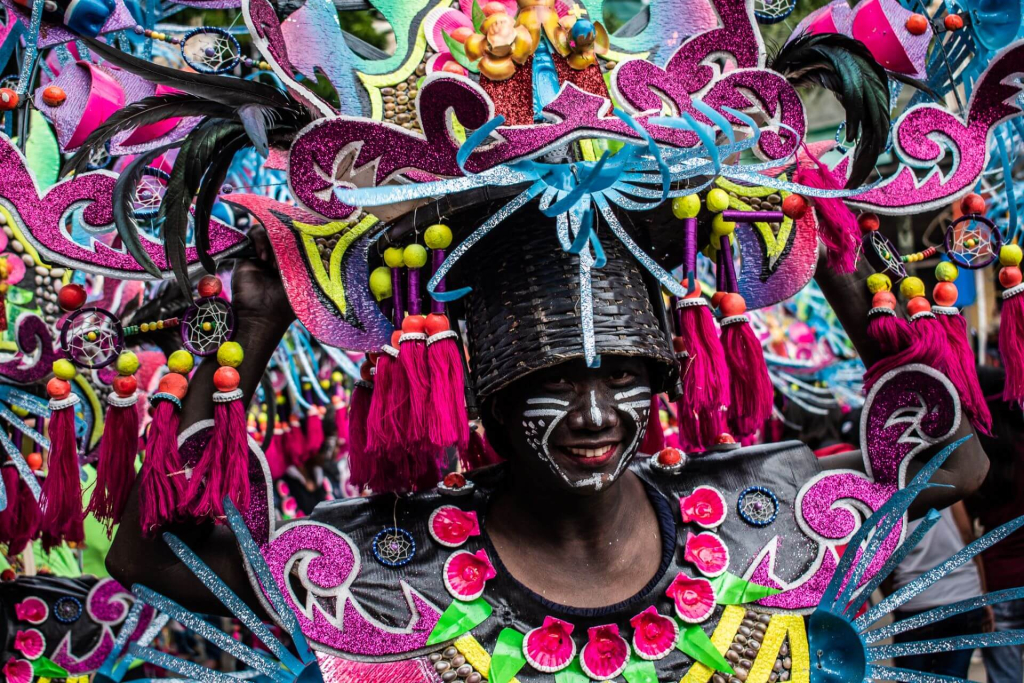
By Elisolidum – Own work, CC BY-SA 4.0, https://commons.wikimedia.org/w/index.php?curid=87187346
A Festival That Captures the Heart of Every Visitor
The Ati-Atihan Festival in Kalibo is an experience that hits differently, especially for anyone who longs to feel the pulse of Filipino identity in its purest form. Every January, locals and visitors are pulled into its vibrant and colorful celebration, where spirituality, community, and cultural heritage merge in an atmosphere unlike any other.
The Kalibo Ati-Atihan Festival is widely known for its lively music, bold face paints, rhythmic beats, and heartfelt devotions to the Child Jesus. But beyond the images shared online, nothing compares to actually being there—to feel the ground shake with marching bands, to join dancing groups as the drums intensify, and to witness how the festival commemorates centuries of cultural richness passed down from the island’s indigenous people and early Malay settlers.
If you ever needed reasons to join the Ati-Atihan Festival, this guide brings you into the heart of what makes it extraordinary. These top insights reveal why the Atihan Festival remains unmatched, why its rich history stays deeply rooted in the soul of the Filipino people, and why the unforgettable memories you build there will stay with you long after the festival ends.
1. A Deep Dive into the Roots
The first step toward understanding why people travel from all over the country—sometimes from abroad—to join Ati-Atihan is acknowledging how deeply connected it is to local culture. Unlike many events crafted in modern times, this celebration is woven from a rich cultural heritage that predates the Spanish missionaries and continues to evolve without losing its authenticity. Long before it became the biggest celebration in Aklan, Ati-Atihan originated in Panay Island, rooted in the peaceful coexistence between the indigenous Ati tribe ruled by an Ati chieftain and the Malay settlers who arrived centuries ago.
A Vibrant Narrative Woven Through Time
The festival commemorates an old story involving the Ati people and the time when Malay settlers arrived on the island, when local customs and a spirit of gratitude brought the two communities together. Through colorful costumes, traditional dances, and rhythmic music, modern-day celebrants honor both the indigenous Ati people and the evolving Filipino identity.
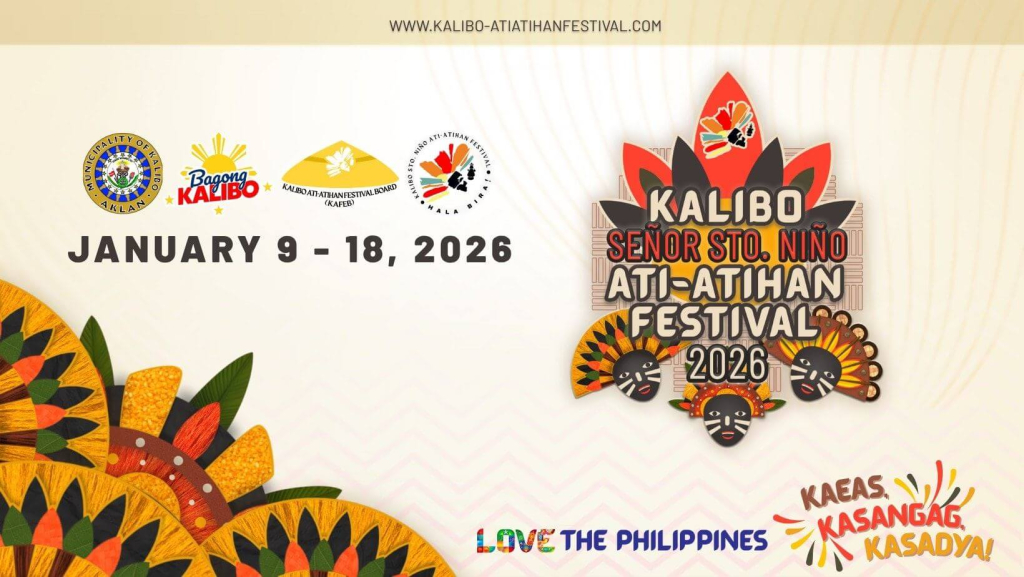
Image source: https://www.facebook.com/atiatihanfest.ph
A Rich Cultural Legacy That Continues to Inspire
When you walk through Magsaysay Park or join the street parades, you’re stepping into a living timeline. The event is a testament to cultural richness, reminding visitors of what it means to celebrate heritage not as a once-a-year spectacle, but as a deeply rooted part of everyday life.
2. The Heartbeat of History
Many call it the oldest festival in the Philippines, and its longevity speaks volumes about its importance. Over generations, it has transformed from a purely indigenous ritual into a unique blend of local culture, Catholic elements, and traditions shaped by the Spanish colonial government.
The Journey From Indigenous Ritual to Iconic Festival
As the Spanish missionaries introduced the Catholic faith to locals, the celebration absorbed this influence, slowly embodying a Christian meaning anchored in devotion to the Santo Nino. Instead of erasing older practices, the transformation enriched the festival’s identity, weaving the story of Baby Jesus with the gratitude-rooted dances of the Ati people.
Influence on Other Major Celebrations
Many visitors notice similarities between Ati-Atihan and the Sinulog Festival in Cebu. The connection isn’t accidental. The Sinulog Festival took inspiration from the Ati-danced traditions of Kalibo, proving how foundational this event is in shaping how Filipinos honor the Infant Jesus through movement, prayer, and community.
3. Immersive and Emotional
There’s something magnetic about the festival’s vibrant atmosphere. Whether it’s the lively parades, the elaborate costumes, or the spirited street parties, the Atihan Festival wraps you into its energy the moment you arrive.

By Elisolidum – Own work, CC BY-SA 4.0, https://commons.wikimedia.org/w/index.php?curid=87187332
Where Movement Becomes Expression
Traditional music fills the streets as dancing groups perform their choreography. These dance performances range from solemn to wild, reflecting the diverse emotional landscapes of the community. The combination of rhythmic music, colorful parades, and bold face paint makes this event not merely something to watch, but something to feel with your entire body.
Artistry in Every Detail
The elaborate costumes are standout elements of the celebration. Each headdress, each painted pattern, and each very long necklace worn by participants tells a story—an expression of both cultural heritage and modern creativity.
4. A Pillar of Philippine Festivals
Among all Philippine festivals, few have the breadth of history and cultural depth found here. Travelers often compare events around the country, but Ati-Atihan consistently stands out because of how it fuses devotion, artistic expression, and tradition.
The festival’s distinct character lies in its unique blend of influences: the indigenous population’s early rituals, the Malay settlers’ peaceful coexistence, and the Catholic faith brought by foreign missionaries. This fusion is palpable when you’re in Kalibo, surrounded by both the ancient and the new, harmoniously displayed on the streets.
5. A Sacred Tradition
Before the loud drums and street dancing, the festival begins with solemnity. A formal opening mass is one of the most meaningful gatherings during the week-long celebration, setting a spiritual tone that guides the festivities. For many locals, the festival’s religious event is a moment to express gratitude, seek blessings, and honor both indigenous and Catholic traditions. The crowd—composed of families, devotees, and tourists—creates a united atmosphere that perfectly symbolizes the heart of Kalibo’s identity.
6. Movement and Energy
The moment you hear the drums, you’ll understand why street dancing is the festival’s most iconic feature. It’s spontaneous, immersive, and emotionally charged. No spectator remains on the sidelines for long.
The Ati-danced routines you see today are inspired by steps that island communities used for centuries. Whether performed by locals or visitors, these movements reflect a collective pride in the region’s rich history.
7. The Living Museum of Cultural Traditions
Your journey begins before you arrive. Getting to Kalibo is seamless. You can fly directly to Caticlan Airport and take a short boat ride toward nearby destinations if you plan to explore beyond the town. Kalibo itself is easily accessible through local government transport support during festival season, ensuring safe and smooth movement for visitors.
A Cultural Experience Without Walls
Then, stepping into the festival is like stepping into a cultural museum without walls. Everywhere you look, you’ll witness local traditions that have survived colonization, modernization, and shifting generations. The combination of traditional clothing, indigenous-inspired designs, and spiritual symbols represents an ongoing commitment to preserving Aklan’s identity. Even the presence of local cuisine along the streets adds a sensory layer, reminding visitors that heritage is not only seen—it is tasted.
Staying Longer to Embrace Aklan’s Heritage
Many travelers choose to stay longer in Aklan after the festival occurs because the immersive cultural experience encourages deeper appreciation for the province. In areas near vibrant town centers, communities like Camella Aklan provide a comfortable home base for those who wish to explore the local culture beyond the festival grounds, offering convenient access to Kalibo while still giving visitors a relaxing space to recharge.
8. Honoring the Roots of the Ati People
Behind every drumbeat and painted face lies the story of the Ati people—Aklan’s first settlers and the original keepers of this tradition. The festival honors their ties to the land and their enduring influence on the Filipino’s rich culture.
Modern performances may be more elaborate now, but the essence remains anchored to the indigenous Ati people. Their legacy is cherished through dances, chants, and symbolic gestures throughout the week.
9. Endless Excitement During a Week-Long Festivities
The Ati-Atihan is not a one-day event; the weeklong festivities keep the energy alive from morning until night. Visitors quickly learn that every day offers a different layer of experience.
The third Sunday is the peak, the moment when devotion, artistry, and community converge. The religious procession of the Santo Niño, combined with intense drumming and lively street parades, creates an atmosphere that is both spiritual and electrifying. The week closes with rituals that reaffirm community bonds, cultural appreciation, and spiritual faith.
10. The Devotional Heart During the Rosary Procession
Amid the noise and celebration, the Rosary procession brings a quiet reverence to the community. It’s one of the rare moments when the lively streets fall into solemn prayer. The Community Mass held near the end of the festivities complements this procession, offering participants a chance to reflect on their faith, express gratitude, and reconnect with the festival’s spiritual significance.
Conclusion
What makes the Ati-Atihan Festival special isn’t only its cultural and religious depth. It’s the way it lingers. It’s the way the Holy Child devotion intertwines with joyful noise, the way dancing groups pull you in, and the way the vibrant celebration transforms your understanding of Filipino culture.
The event captures everything beautiful about the Filipino spirit—resilience, joy, community, and faith. And long after the weeklong celebration ends, the emotional resonance stays with you, forming stories you will share for years. If you’re searching for an experience that transcends travel and becomes a part of your personal history, then the Ati-Atihan Festival in Kalibo is where you need to be.