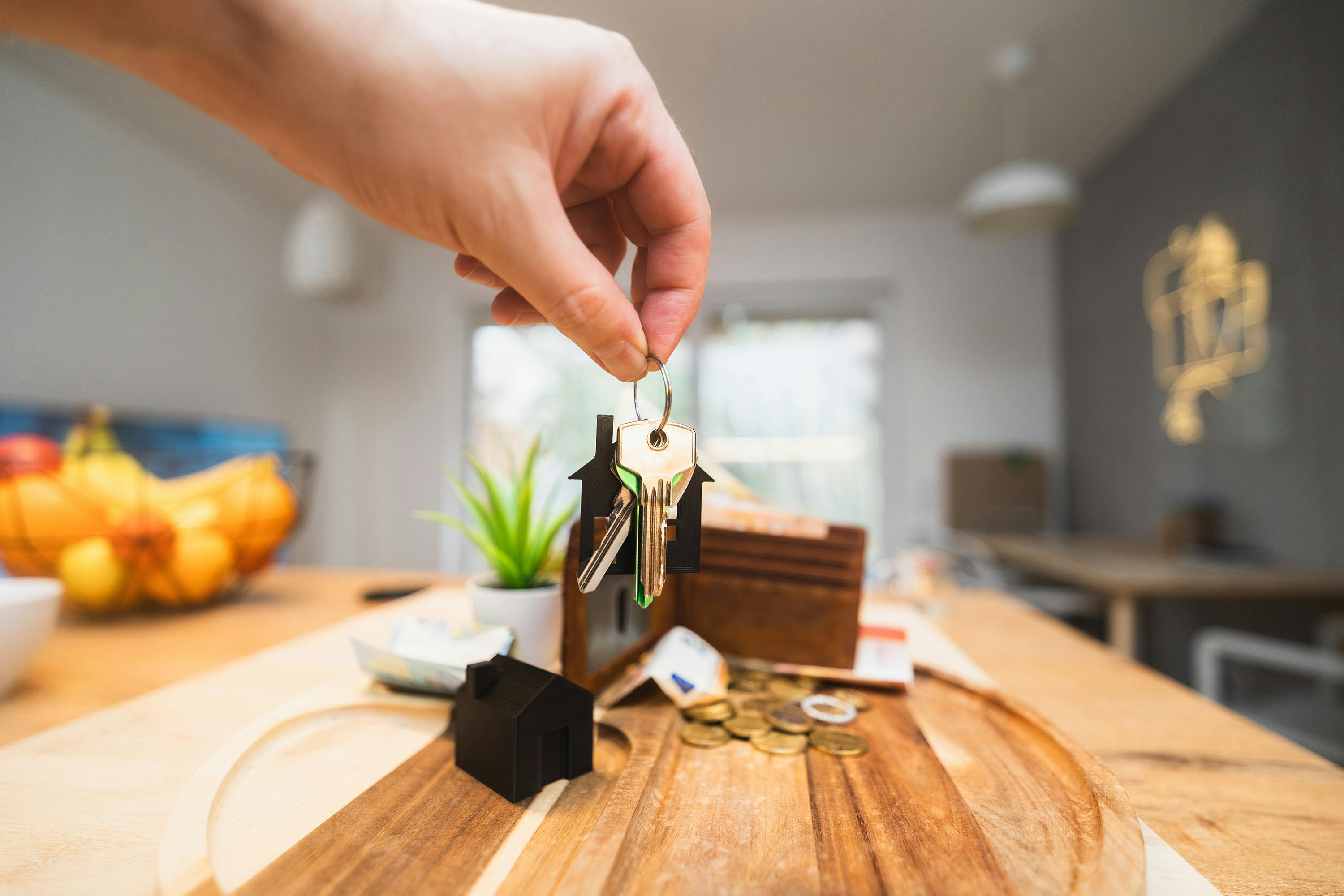




Image Source: https://images.pexels.com/photos/29726512/pexels-photo-29726512.jpeg
Buying a home is a major financial commitment that requires careful planning. For Filipino buyers, house and lot budgeting means looking beyond the advertised purchase price to account for both expected and unexpected expenses, financing, taxes, maintenance, and everyday living expenses. A realistic plan helps you balance your dream home with your current financial situation and long-term financial goals. Before investing on a property, follow these seven steps to prepare your homebuying journey, including finances, comparing options to come up with a smart choice, and build a sustainable path toward homeownership.
Assess Your Financial Situation and Monthly Budget
Before exploring real estate properties, determine how much you can comfortably afford. Your income, existing debt, and spending habits will help you establish a monthly budget that supports your lifestyle without placing unnecessary pressure on your finances.
Calculate Your Total Income and Existing Expenses
Review your bank statements, salary, business earnings, and other sources of income to calculate your total income. List recurring expenses such as rent, groceries, transportation, utilities, debt payments, and the electricity bill. Separating essential spending from discretionary purchases helps you identify predictable costs and understand how much money remains available for housing.
Establish a Sustainable Budget Before Buying Your Own House
The 28/36 rule can serve as a general planning guideline: housing costs should ideally remain around 28% of gross monthly income, while total debt payments stay around 36%. Some budgeting guides recommend keeping housing expenses within 28% to 30%, but these figures are not universal lending requirements. Consider your existing loans, household priorities, and other expenses before deciding how much you can pay each month. Your own house should fit your financial capacity while leaving room for savings and the important things in life.

Set Your Savings Goals and Build an Emergency Fund
Once you understand your finances, establish clear savings goals for purchasing a property. Separate the money intended for acquisition from your emergency reserves so that preparing for a home does not leave you financially vulnerable.
Create a Dedicated Home Purchase Fund
Set a target amount and timeline for saving toward your down payment, closing costs, and other upfront expenses. Regular contributions, automatic transfers, and careful spending can help you save money without sacrificing essential needs. Review your progress periodically and adjust your plan when your income or expenses change. Especially those buyers with irregular earnings may benefit from a larger cash buffer before committing to a long-term payment.
Protect Your Finances With an Emergency Fund
Aim to maintain an emergency fund equivalent to three to six months of essential living expenses. This reserve can help cover medical bills, temporary income loss, or urgent repairs without forcing you to borrow more money. Keep it separate from your home purchase savings and avoid treating it as part of the down payment. Having enough money available for emergencies makes it easier to manage monthly payments when unexpected circumstances arise.
Choose an Affordable House and Lot That Fits Your Budget
Your purchase price should reflect what you can afford, not simply the maximum amount a lender is willing to approve. Comparing real estate properties across different locations helps you find a home that suits your finances, lifestyle, and plans.
Compare Property Prices and Locations
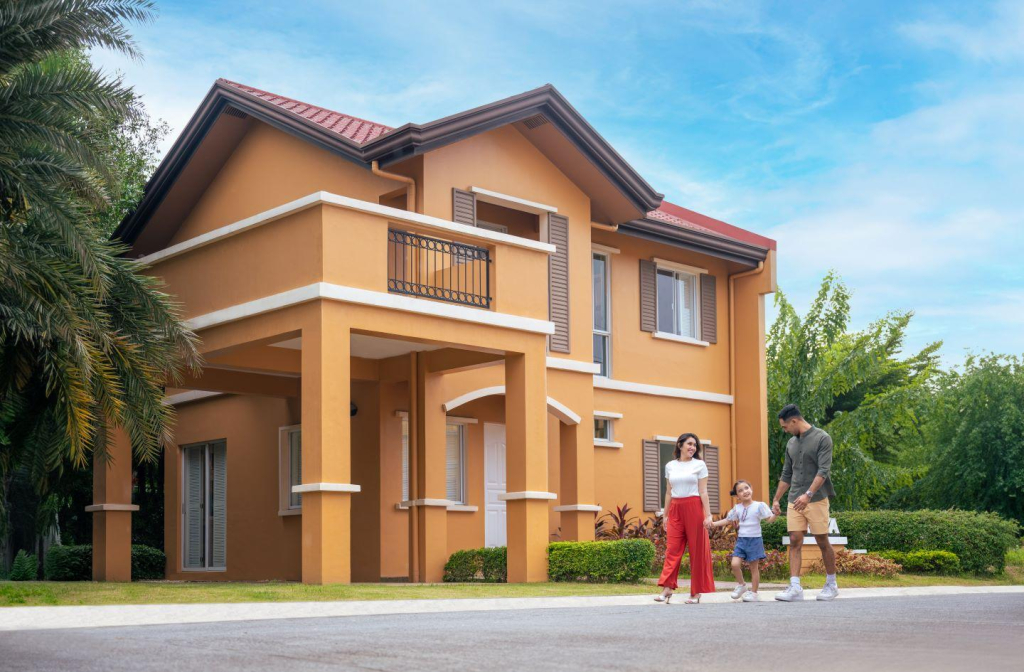
Property prices in Metro Manila can differ substantially from those in surrounding provinces, so buyers should compare actual listings rather than rely on general assumptions about affordability. Consider commuting expenses, schools, employment opportunities, utilities, and shared amenities when estimating the cost of living in a particular location. For example, Camella Pampanga is one development prospective buyers can evaluate alongside other options, comparing available properties, accessibility, and suitability for their household. The goal is to identify an affordable house and lot that meets your needs without stretching your budget.
Evaluate Completed Homes and Lot Investments
A completed home may offer immediate occupancy, while vacant lot investments require additional planning for construction, permits, and development costs. Before purchasing a lot property, investigate zoning regulations, permitted land use, road access, and available utilities. Location and infrastructure improvements may influence property demand and long-term appreciation, particularly in areas experiencing urban growth. These advantages depend on market conditions, though, and buyers should never assume that property values will rise or that every location will attract high demand.

Calculate Your Down Payment and Closing Costs
After choosing a suitable property, calculate how much cash you need before the purchase can proceed. These upfront expenses can affect when you can buy, so include them in your savings plan instead of focusing exclusively on the advertised price.
Prepare the Down Payment
Down payment requirements vary by developer and financing provider, with 10% to 20% serving as a preliminary planning range rather than a universal rule. A larger down payment reduces the amount borrowed and may lower monthly amortization, provided the buyer retains enough money for other essential expenses. Some financing arrangements also require mortgage-related insurance, so confirm the specific terms with your lender instead of assuming that every loan follows the same requirements.
Include Closing Costs and Legal Fees
Allow for appraisal fees, inspection charges, documentation, registration, transfer-related taxes and fees, and legal expenses. A preliminary allowance of 2% to 5% of the purchase price can help buyers estimate closing costs, although the actual amount depends on the transaction. Confirm which charges apply and who must pay them under the sale agreement and relevant Philippine regulations. These additional costs should be included in the total purchase estimate before committing to a payment schedule.
Compare Payment Options for a Real Estate Investment
Once you know your upfront requirements, compare the available ways to finance the remaining purchase price. The most suitable arrangement depends on income stability, loan eligibility, interest rates, repayment terms, and whether you intend to occupy the property or use it as an investment.
Compare Developer Financing and Housing Loans
Review developer payment options alongside bank financing and eligible housing loan programs. Compare interest rates, loan terms, processing fees, required documents, and the total amount payable over the financing period. Mortgage amortization generally covers principal and interest, while taxes, insurance, and association dues may be billed separately. Understanding these differences helps buyers assess the actual cost of borrowing instead of choosing a loan based only on its initial monthly payment.
Assess the Potential Advantages of Property Ownership
Owning a completed home can provide immediate occupancy and several advantages over continuing to rent, particularly for households planning to stay in the same location for years. A property may also generate rental income after turnover, depending on tenant demand, occupancy, maintenance, and market conditions. When comparing investments, account for vacancies, repairs, and other operating costs before estimating potential returns. A property can be a real estate investment, but neither rental income nor long-term appreciation is guaranteed.
Budget for Property Taxes and Other Ownership Costs
The purchase price and loan payments represent only part of the financial commitment. Buyers must also account for recurring costs after turnover to determine whether a property remains affordable throughout homeownership.
Include Property Taxes and Insurance
Property taxes, including real property tax, are recurring obligations calculated using the property’s assessed value and applicable local tax rules. The Local Government Code establishes the framework for property assessment and taxation, with local government units responsible for administering these obligations.
Include homeowners insurance in your estimate, checking which risks are covered, the policy exclusions, and any lender requirements. Confirm the applicable taxes, insurance premiums, and payment schedules before signing the agreement.
Estimate Utilities and Maintenance
Your monthly budget should include electricity, water, internet, association dues, and routine repairs. One general maintenance estimate is to reserve 1% to 2% of the home’s value annually, adjusting the amount for the property’s age, condition, and specific needs. These predictable costs can add up over time, so include them when deciding what you can afford. Planning for maintenance and utilities helps a homeowner protect their savings without compromising other financial goals.
Save Money by Planning for Unexpected Expenses Before Move-In
Even after accounting for financing and recurring ownership expenses, buyers may encounter additional costs when preparing to occupy a home. Planning helps prevent move-in spending from disrupting the household budget.
Identify Additional Costs Before Turnover
Moving services, essential furnishings, appliances, utility connections, and necessary repairs can increase the amount you need beyond the purchase price. Review your contract and turnover checklist to identify expenses that are not included in the agreed price. Create an example budget that separates essential move-in costs from optional upgrades, allowing you to estimate the total amount needed before settling into your new home.
Prioritize Spending After Turnover
Focus first on essential furnishings, safety requirements, and functional improvements. Compare quotations before paying for services, and postpone decorative purchases until your finances have stabilized. Avoid spending all your remaining savings immediately after moving in. Keeping enough money available for regular bills, existing debt, and emergencies can make the transition to homeownership more manageable.
Conclusion: The Key Takeaway for Future Homeowners
A successful home purchase begins with realistic planning and a clear understanding of both upfront and recurring costs. Assess your financial situation, establish savings goals, compare financing arrangements, and evaluate the full cost of owning a property before making a commitment. An affordable house and lot should support your dream of owning a home while leaving room for everyday needs and future priorities. With a practical plan, you can make a more informed decision about a property that fits your budget and long-term goals. With all these in place, it is only a matter of time for you to come home to your forever.