




A crowded home often starts with one drawer, one shelf, or one forgotten corner at a time. Then one day, you open a cabinet or look around a room and immediately wonder where everything came from. This mess is not just physical. It can bring a sense of pressure that makes it harder to begin cleaning up. Moments like this are when a simple, structured approach can be helpful: the four-box method.
The four-box method for decluttering offers a clear way to sort through your belongings without overthinking every item. Instead of moving things around or storing items without purpose, this decluttering method encourages quick decision-making and helps reduce emotional overwhelm. By applying this concept one space at a time, it becomes easier to declutter and turn clutter into a more functional, livable environment.

What is the four-box method
The four-box method is a practical technique that uses four clearly labeled containers to sort items as you go. These are typically the keep box, donation box, storage box, and trash boxes (or rubbish box). Each item you pick up must go into one of these boxes, no exceptions.
This four-box decluttering method works because it limits choices. When there are only four options, decision fatigue is reduced. You are less likely to feel stuck or postpone decisions. Here’s a bit more context on what goes into each box:
- Keep box: Items that belong in the current room or have clear, everyday use.
- Donation box: Items in good condition that can be given away or included in a garage sale.
- Storage box: Items worth keeping but not needed daily, often for self-storage or a storage unit.
- Trash boxes: Broken, expired items, or anything ready to toss.
Many organizing guides, including insights from Apartment Therapy and House Beautiful, highlight how limiting options supports faster progress and helps avoid second-guessing.
Why this method works for busy households
The strength of the four-box decluttering strategy lies in its simplicity. It is especially useful for people who feel overwhelmed by clutter but do not know where to start.
It reduces emotional overwhelm
Sorting through stuff can be difficult, especially when items have sentimental value. The method creates a system that keeps you moving. Instead of pausing too long on each object, you focus on placing it in the right category. This approach helps because you are not making permanent decisions immediately, items in the storage box can be revisited later, and the process feels structured.
It creates visible progress
Working through one room or even a small area gives immediate results. As you fill boxes, you can see the difference in your space. This builds motivation to continue. Even tackling a desk, a pile of random items, or a corner of the bedroom can create momentum.
It supports practical organization
By the end of the process, items in the keep box are easier to return to their rightful places. This helps you organize spaces efficiently and maintain a more functional layout in your house.
How to apply the four-box method step by step
Starting can be the hardest part, especially when the entire house feels cluttered. The key is to focus on one space at a time.
1. Prepare your boxes and labels
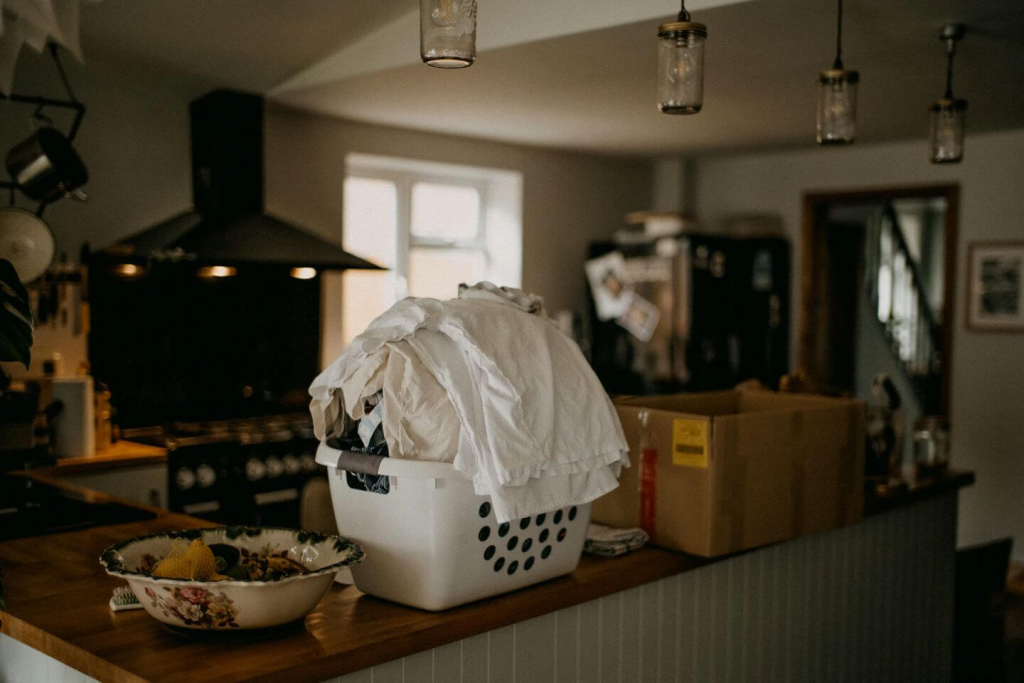
It does not have to be a professional organizer of equal size. Use any available boxes, like cardboard, plastic bins, or even large bags. What matters is clear labeling. Write each category boldly so there is no confusion during the process. Keep the boxes close enough so you can easily carry items without breaking your flow.
2. Choose a manageable starting point
Avoid beginning with the entire garage or multiple other areas at once. Instead, pick a small area such as a bathroom cabinet, a desk drawer, or a section of your bedroom. Focusing on just one category or location helps you avoid feeling overwhelmed.
3. Sort items quickly and consistently
As you begin pulling things out, decide immediately where each item belongs. The goal is quick decision-making. Ask simple questions like :
- Do I use this regularly? → Put it in the keep box
- Is this still in good condition, but no longer needed? → Add to the donation box
- Do I need this later but not now? → Place in the storage box
- Is this broken or expired? → Put it in the trash boxes
And while you may be tempted, avoid creating a “maybe” pile as this often leads to delays and more clutter.
4. Return and remove items promptly
Once you finish sorting a section:
- Put items from the keep box back in their proper places
- Take out the trash immediately
- Set aside the items for donation for drop-off or a garage sale
- Move storage items to a designated storage unit or safe area
This final step ensures that clutter does not return.
Practical tips to stay consistent
Even with a simple system, it is easy to lose focus. These tips can help maintain momentum throughout the process.
Work with a partner or family member
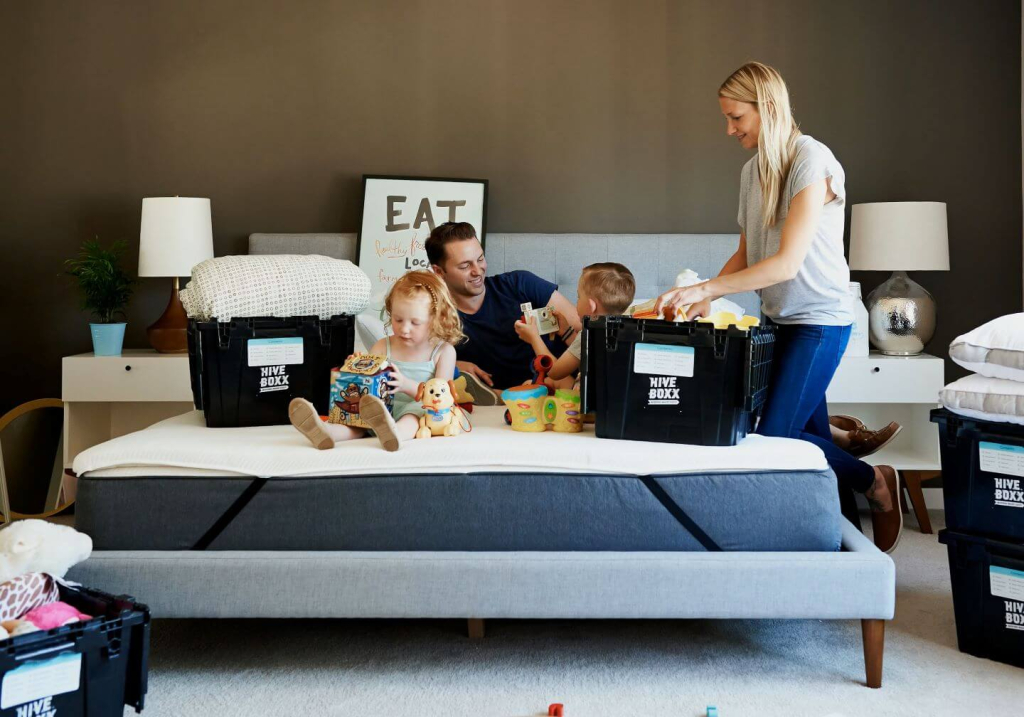
Decluttering with a family member can make the task easier. They can help you decide faster, especially when you feel stuck about certain items.
Use time blocks instead of full days
Set a timer for 20 to 30 minutes. This makes the task feel manageable and prevents burnout. Short sessions also make it easier to repeat the process across different rooms.
Focus on categories when needed
If a space contains mixed items, try sorting by category instead. For example:
- Gather all clothing in one place
- Sort through clothes using the four-box method
- Return only what you truly need
In real homes, items are often more scattered than you’d like, which makes this method ideal.
Let go of unnecessary storage
Not everything needs to be kept. While a storage box is helpful, avoid overusing it for items you might forget. If something has not been used for a long time, it may be time to rid your home of it.
Apply the method to different areas of the home
The four-box decluttering method can be used in any part of the house, but each space may require a slightly different approach.
- Bedroom: Start with visible surfaces, then move to closets. Sort through clothing, accessories, and personal items. This is often a perfect opportunity to donate items that no longer fit or suit your lifestyle.
- Bathroom: Check for expired items such as skincare or medicine. Keep only essentials and items you use daily.
- Kitchen: Focus on drawers and cabinets. Remove duplicates, broken tools, and items you rarely use.
- Garage: The garage can feel like the biggest challenge because it often becomes a storage area for everything. Break it into sections and work slowly. From there, consider which items truly need long-term storage.
Build habits after decluttering
Decluttering is not a one-time activity. Maintaining a tidy home requires simple, consistent habits.
Build a more sustainable habit by returning items to their rightful places after use. Avoid letting small piles build up again. When new items come into the home, consider removing something old to maintain balance.
Over time, a tidy home resonates positively with your daily routine. It becomes easier to focus, move freely, and enjoy your living environment.

Habits for a more organized home
The four-box method for decluttering is a clear and manageable way to handle clutter without overcomplicating the process. Dividing items into four simple categories encourages quick decisions and steady progress.
Discover thoughtfully designed homes that support organized living with Camella. Explore house and lot options that give you more space, comfort, and flexibility for a clutter-free lifestyle.