




With electricity rates rising and temperatures climbing, many Filipino homeowners are looking for practical ways to save energy and money.
The good news is that you don’t need a major renovation or expensive upgrades to make a big difference. By adopting simple energy-saving strategies, you can lower your energy bills, reduce your carbon footprint, and create a more energy-efficient home lifestyle.
This guide explores energy-saving tips that are easy to apply, cost-effective, and impactful.
Even small changes in your daily routine can lead to meaningful results.
7 Energy Saving Tips
Improving energy efficiency is about using less energy to perform the same tasks. When you save energy and reduce your electricity consumption, you not only save money but also help protect the environment by lowering emissions.
In a typical Filipino house, a large portion of energy use comes from cooling systems, appliances, and lights.
Managing these wisely can significantly reduce energy costs and improve overall efficiency.
1. Optimize Cooling and Airflow
Given the tropical climate and scorching summer heat, cooling accounts for a large share of electricity bills. Making your cooling systems more energy efficient is one of the best ways to save.
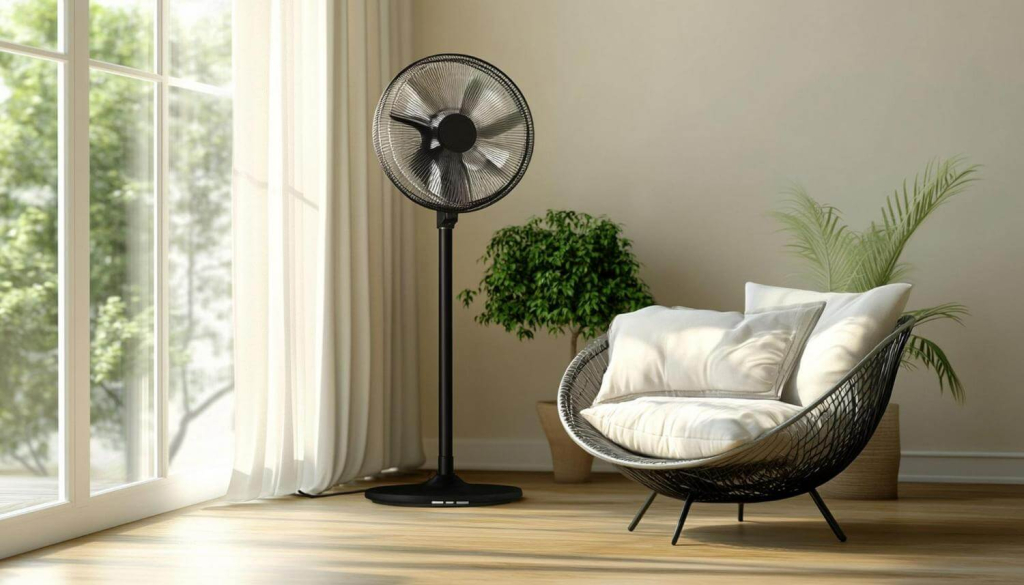
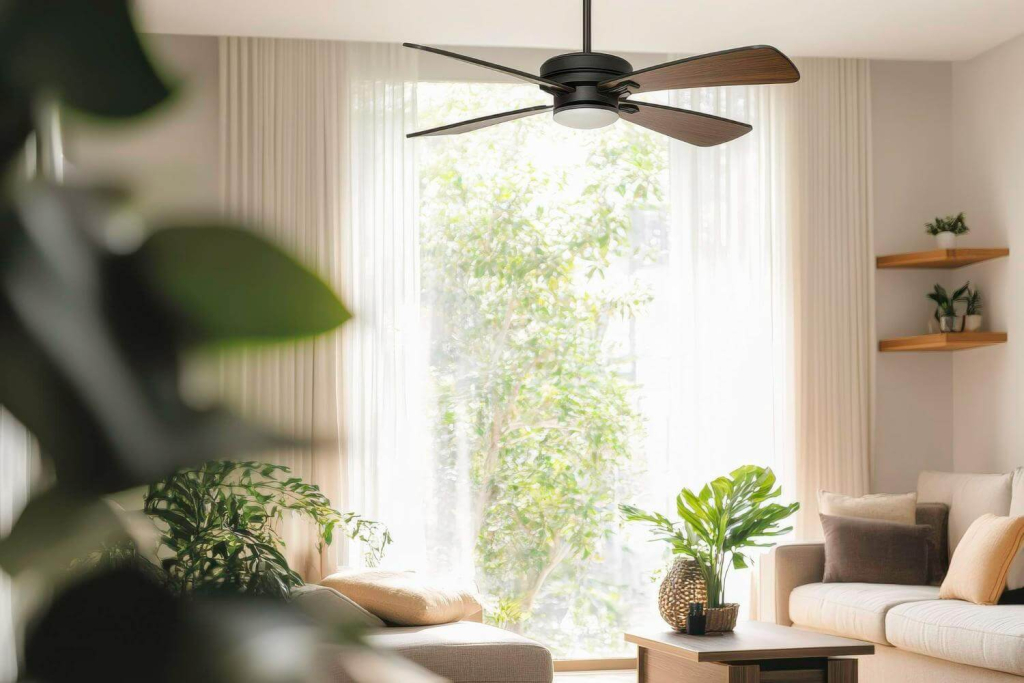
Start by setting your air conditioner to a moderate temperature (around 24–26°C). Each degree lower increases power consumption, so avoiding extremely cold settings can cut cooling costs. You can also pair your AC with ceiling fans to circulate cool air more effectively, reducing the need for constant cooling.
Regular maintenance of your cooling equipment is also essential. Clean filters and well-maintained units improve efficiency and reduce electricity use.
Another tip is to make sure your fridge door seal is tight as well, since poor sealing lets warm air in, increasing energy consumption.
2. Maximize Natural Light and Ventilation
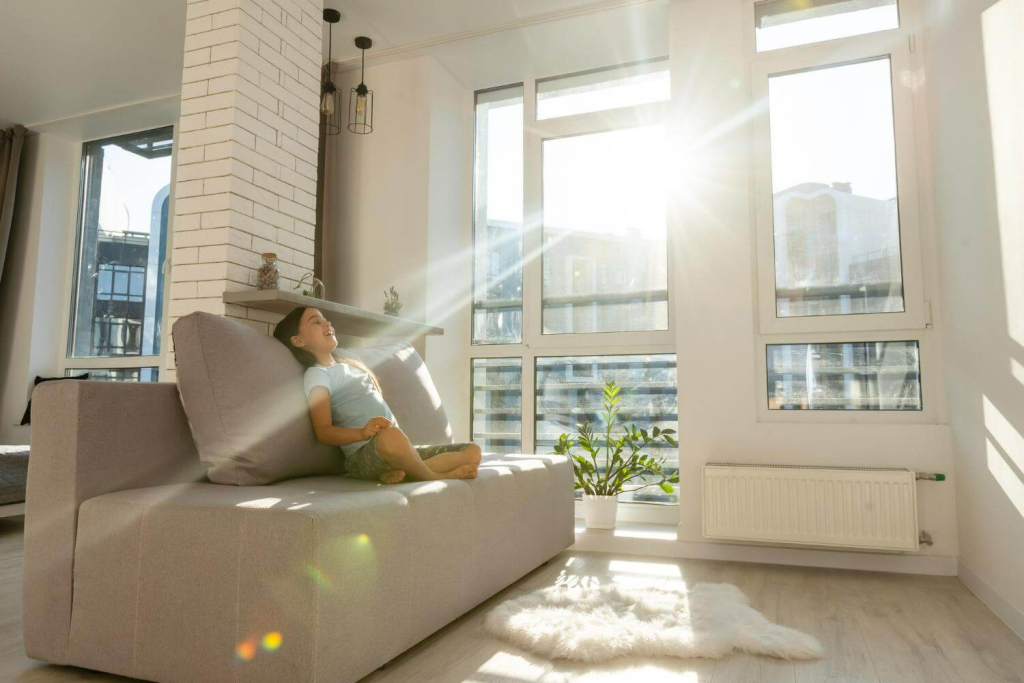
Take advantage of direct sunlight during the day to reduce reliance on artificial lights. This shows how small changes can make great impacts.
Open windows and doors to let fresh air flow through your room, pushing out hot air and reducing the need for cooling systems.
Strategically using curtains or blinds can also help regulate indoor heat and strain on your air conditioner. During peak summer hours, blocking intense sunlight prevents your home from overheating, lowering cooling costs and overall energy use.
3. Seal Air Leaks and Insulate Properly
Small gaps around windows and doors can lead to significant air leaks, allowing warm air to enter and cool air to escape.
Sealing these gaps is a simple yet effective strategy that boosts energy efficiency and heating and cooling performance.
Although efficient heating may be less of a concern in tropical regions that don’t have the winter season, maintaining indoor comfort during cooler months still benefits from proper insulation.
Reducing unwanted airflow ensures your home energy systems work efficiently without wasting power.
3. Upgrade to Energy-Efficient Lighting
Switching to LED bulbs is one of the easiest energy-saving tips. LEDs use significantly less power, last longer, and produce less heat compared to traditional bulbs.
Lighting accounts for a noticeable portion of electricity consumption, so replacing outdated fixtures with energy-efficient options can quickly lower your electricity bills while improving overall efficiency.
4. Use Appliances Wisely
Your everyday appliances contribute heavily to power consumption, but mindful usage can reduce their impact.
Avoid overloading your refrigerator and minimize how often you open it to maintain internal temperature. Always check the fridge door seal to ensure no cold air escapes.
When cooking, reduce cooking time by using lids to trap heat, which helps conserve gas or electricity.
For laundry, wash full loads instead of small batches to maximize efficiency. Air-drying clothes instead of using dryers also helps save electricity and reduce energy costs from big appliances.
5. Manage Electronics and Standby Power
Many devices, like computers, TVs, and chargers, consume power even when not in use. This “phantom load” can quietly increase your electricity bills.
Using smart power strips is a practical solution. These devices automatically cut off power when electronics are not actively in use, helping you save energy effortlessly.
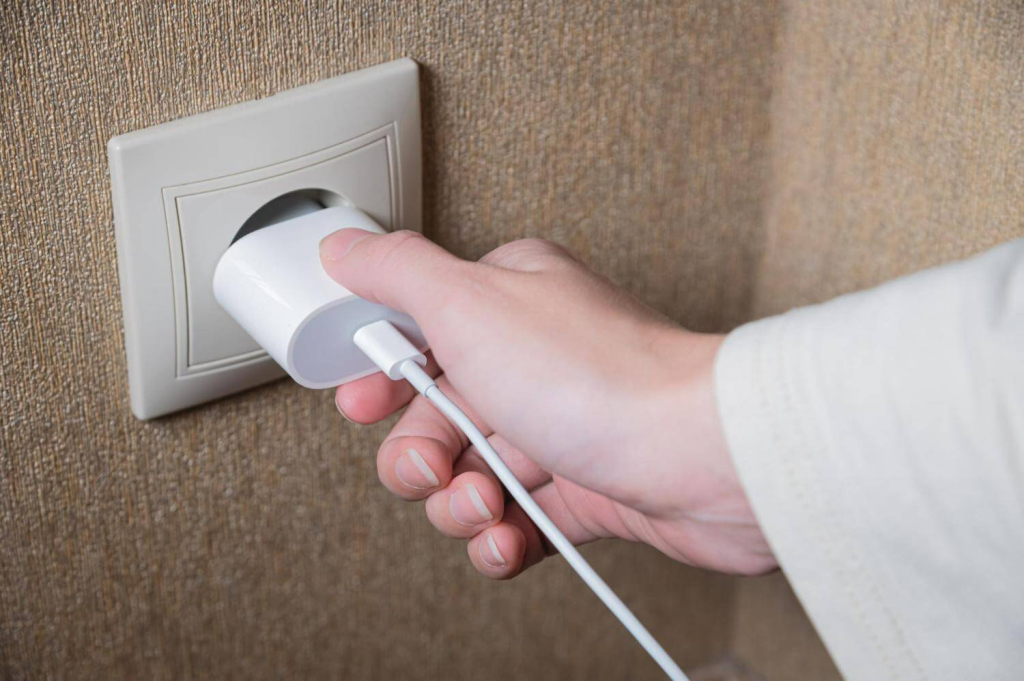
Make it a habit to unplug unused devices or switch them off completely. This simple act reduces unnecessary energy use and contributes to long-term savings.
6. Monitor and Track Energy Use
Conducting a basic energy audit at home allows you to identify where most of your energy consumption is going.
By tracking usage patterns, you can spot opportunities for improving efficiency.
Keep an eye on your monthly bills and note any spikes in electricity consumption. Adjust your habits accordingly, whether it’s reducing AC usage, limiting appliance use, or switching to more energy-efficient alternatives.
7. Consider Renewable Energy Options
If your budget allows, investing in renewable energy like solar panels can significantly reduce long-term energy costs.
While the initial investment may be higher, the benefits include lower electricity bills, reduced carbon footprint, and greater energy independence.
Even small steps toward renewable solutions can make a difference, especially as technology becomes more accessible to Filipino homeowners.
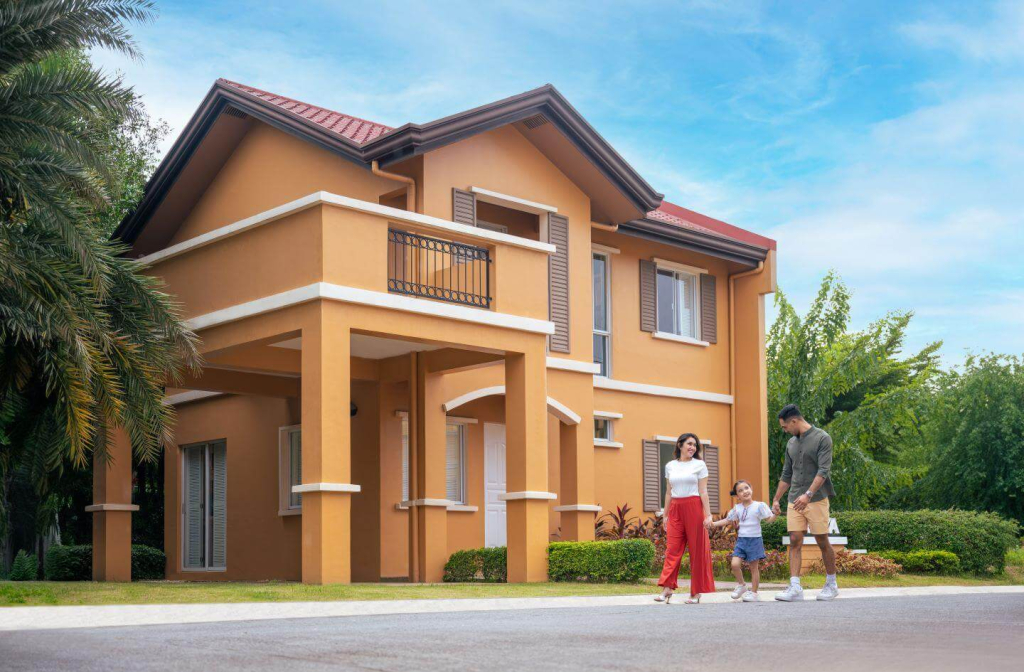
Building an Energy-Efficient Lifestyle at Camella
The key takeaway is that consistent, small actions can lead to meaningful results.
Whether it’s adjusting your thermostat, sealing air leaks, or simply turning off unused lights, each effort contributes to reduced energy consumption.
Creating an overall home energy-efficient lifestyle goes beyond individual habits. It starts with the right environment.
Camella communities are designed with modern Filipino families in mind, offering homes that support energy saving and sustainable living.
From well-planned house layouts that maximize natural light and airflow to communities that encourage smarter energy use, Camella helps homeowners embrace practical energy-saving tips every day. These thoughtful design elements reduce reliance on heavy cooling equipment, improve indoor comfort, and ultimately lower energy bills.
When you have a home built for energy efficiency, you make it easier to adopt simple tips that lead to long-term savings. By making your home turn toward more energy-efficient practices, you not only save money but also support a healthier environment for future generations.