



A Mother’s Day celebration does not always begin with grand plans. It often starts with a simple question: how can the family spend time together this Sunday? For some, it means preparing lunch at home. For others, it involves visiting a grandmother or setting aside a few hours for a shared meal. Across different households, the goal remains consistent: to celebrate mother figures in ways that feel natural and personal.
Why Mother’s Day is an important celebration

The modern Mother’s Day holiday traces its beginnings to the efforts of Anna Jarvis, who organized a celebration honoring her own mother in West Virginia. Her initiative grew out of earlier movements where women’s clubs asked for a dedicated day to recognize mothers and their contributions to family and society.
Before this became officially celebrated in the United States, similar celebrations and traditions already existed. In the United Kingdom, Mothering Sunday—observed on the third Sunday or sometimes associated with the fourth Sunday of Lent—allowed families to return to their “mother church” while also spending time with their parents. These early observances show how the occasion owes its development to both religious customs and grassroots efforts led by women.
Over time, what began as a personal tribute expanded into a national holiday, elevating and changing mother’s day festivities. The world eventually caught the Mother’s Day tradition. Still, debates around the evolution of Mother’s Day from its original intention to its commercial form have become inextricable from its history.
From the time President Manuel L. Quezon issued Presidential Proclamation No. 213 in 1937, designating the first Monday of December as Parents’ Day to honor mothers and fathers together, up to the time President Joseph Estrada issued Proclamation 58 in 1998, declaring the first Monday of December, there have been several official proclamations on Mother’s Day in the country.
Officially, the traditional Filipino holiday is celebrated on the first Monday of December, though the second Sunday of May is still widely recognized and celebrated by Filipinos largely due to U.S. influence.
How families celebrate Mother’s Day today
Today, most people celebrate Mother’s Day on the second Sunday of May. This traditional date was formalized in the United States and has since influenced many countries, including the Philippines. While it is not always a public holiday locally, it is widely observed, with families planning gatherings on the same day.
In the Philippines, holidays have historically acknowledged the importance of family-centered occasions. Previously, Parents’ Day was also promoted, complementing both Mother’s Day and Father’s Day as occasions that honor parents collectively.
Globally, however, the date is not always fixed. Some countries follow a different Sunday in May, while others tie their celebrations to religious or cultural calendars. Despite these variations, the shared intention remains clear: to set aside a special day for recognizing mothers.
How families celebrate Mother’s Day at home
For many families, to celebrate Mother’s Day is to keep things simple and intentional. The day often begins at home, where family members prepare meals or organize small surprises.
A typical celebration might include:
- Preparing breakfast or a home-cooked dinner together
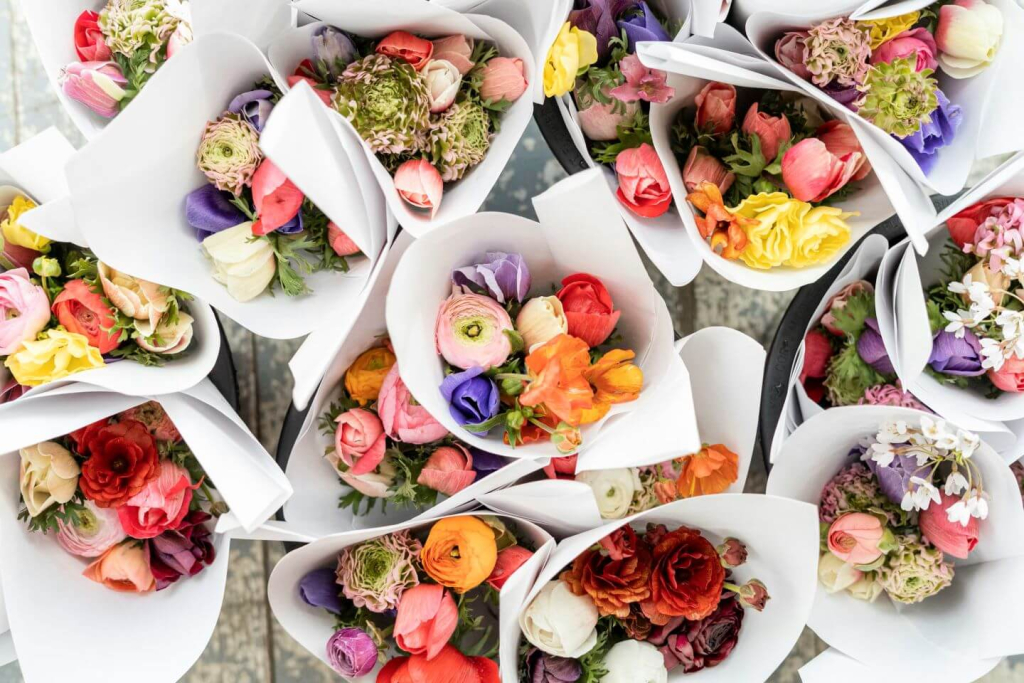
- Giving fresh flowers or small, thoughtful gifts
- Writing messages that reflect a mother’s life story
- Planning a short activity, like a cooking class or movie time
These gestures may only take a few hours, but they create meaningful opportunities to spend quality time. In modern times, there is also a growing preference for experiences over material gifts. Instead of focusing on elaborate celebrations, families choose to spend time in ways that feel manageable and sincere.
Importantly, the celebration is not limited to one person. Many households recognize different mother figures, whether it is a grandmother, an aunt, or a guardian who has taken on a maternal role. This inclusive approach is especially common in Filipino culture, which values extended family connections.
How to celebrate with the whole family across generations

A defining feature of a Filipino Mother’s Day celebration is the presence of the whole family. It is common to see multiple generations gathered around a table, sharing meals and catching up.
In these gatherings, the grandmother often plays a central role. Conversations during lunch or dinner may include favorite memories, childhood stories, or reflections on how traditions have changed over the years.
Children are also encouraged to take part in simple ways. They might help set the table, prepare a small gift, or offer a thoughtful gesture of appreciation. These moments help younger family members understand the importance of honoring their parents.
Rather than focusing on elaborate plans, these gatherings center on creating special moments. Whether it’s a shared meal, a short visit, or a relaxed afternoon at home, the goal is to celebrate the women who serve as role models within the family.
School and community celebrations for Mother’s Day
Beyond the home, schools and communities also take part in the celebration. School children and students often prepare activities that allow them to express appreciation for their mothers.
Common school-based events include:
- Card-making projects with personalized messages
- Short performances or readings during a program
- Small recognition ceremonies for mothers
These activities may seem simple, but they play an important role in shaping values. By encouraging children to honor their parents, schools reinforce the importance of family and respect.
In some communities, local events or church gatherings are organized to mark the occasion. These celebrations highlight how Mother’s Day is not just a private family event but also part of a broader cultural practice.
Simple ways to make Mother’s Day more meaningful

As lifestyles continue to change, many families are rethinking how they approach this special day. There is a growing understanding that meaningful celebrations do not need to be expensive or time-consuming.
Some practical ideas include:
- Writing a handwritten letter instead of buying a generic card
- Planning a simple outing or family visit within the week
- Preparing a favorite dish that holds sentimental value
- Setting aside uninterrupted time for conversation
These examples show that the focus is shifting toward presence. In a fast-paced environment, making time for family can be more valuable than any material gift.
Mother’s Day also serves as a reminder to recognize mothers as individuals with their own interests, experiences, and contributions beyond the household. A thoughtful celebration acknowledges both their role within the family and their identity as a person.
Keeping the tradition alive in modern Filipino homes
Across different regions and households, Mother’s Day continues to adapt to modern realities. While the way people celebrate may vary, the purpose remains consistent: to honor mothers and the role they play in shaping life around them.
From its origins in the West to its place in Filipino culture today, the occasion has grown into a widely observed tradition. It connects generations, encourages reflection, and creates opportunities for families to come together, even if only for a few hours.
In the end, the most lasting celebrations are often the simplest ones. It is made special by shared meals, meaningful conversations, and moments that bring family members closer together.
Celebrate life’s meaningful moments with your family in Camella, where every space is designed for togetherness, comfort, and creating lasting memories with the people who matter most.