




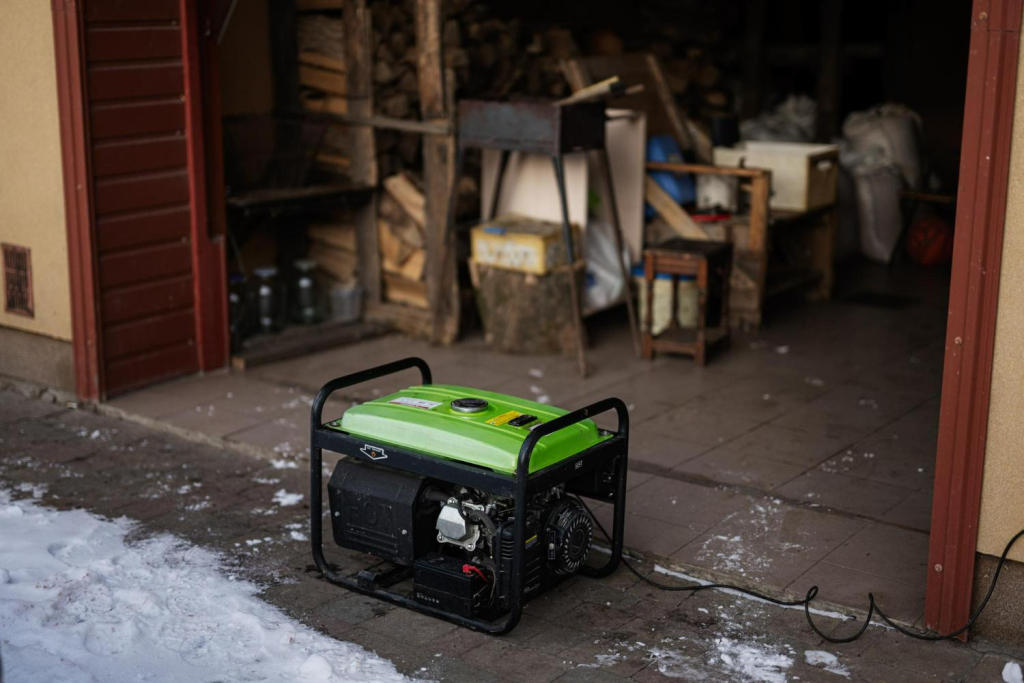
Power outages and interruptions are a familiar experience for many Filipino households.
Whether they’re caused by typhoons, severe thunderstorms, scheduled maintenance, or unexpected electrical failures, a power outage can quickly disrupt everyday life. From keeping food fresh in the refrigerator to powering Wi-Fi for remote work and online classes, electricity has become essential to modern living.
Any household cannot survive on a battery operated flashlights during power outage. This is why investing in a home generator has become increasingly practical for homeowners. But the important question is: how to choose the right generator for your home when power outage occurs. The best generator is one that matches your family’s power needs, budget, and home setup while providing reliable backup power when you need it most.
Here’s everything you need to know before choosing the best generator for your home.
What is a home generator?
A home generator is a machine designed to supply electricity whenever your home’s primary electrical system loses power. Rather than producing electricity from scratch, its engine converts mechanical energy into electrical energy that your home can use.
Depending on the type of generator, it may operate using gasoline, diesel, propane, or natural gas as its fuel source. Some models are typically designed for occasional emergency use, while others can provide sustained power to an entire house during extended outages.
A home generator restores convenience and provides peace of mind, knowing your family can continue essential activities even when the grid goes down. With a home generator, your family can get a sense of control even through power outages.
What does a generator actually do?
When utility electricity becomes unavailable, a generator supplies temporary backup power to your home. It allows selected appliances, devices, and equipment to continue operating safely.
Depending on the generator size, it can produce more power output to keep running:
- Lights
- The refrigerator
- Wi-Fi modem and routers
- Computers and laptops
- Television
- Electric fans
- Water pumps
- Rice cookers and kitchen essentials
- Some air conditioning units
- Essential medical equipment or medical devices
Larger standby generators and whole home generator systems can even supply electricity to an entire house, allowing daily life to continue almost uninterrupted even through power outages.
When is a generator especially useful?
Many homeowners only think about generators during typhoon season, but they can be valuable throughout the year.
Here are some situations where a home generator can give you peace of mind:
During typhoons and severe weather
The Philippines experiences numerous tropical cyclones every year. Heavy rain and strong winds can damage electrical infrastructure and grid systems, causing prolonged outage periods.
A generator helps families continue maintaining power for their critical appliances until electricity is restored.
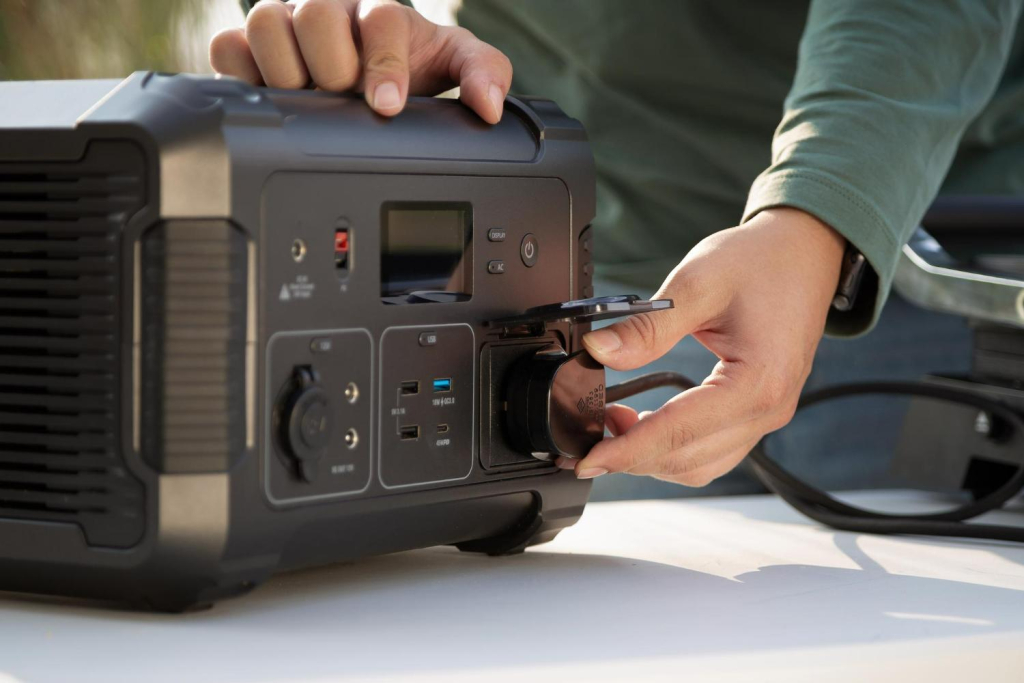
Scheduled maintenance interruptions and power outages
Electric utilities occasionally announce temporary shutdowns for maintenance work. Instead of stopping your day entirely, a generator provides temporary electricity so work and household routines can continue.
Remote work and online learning
Today’s homes are more connected than ever. A sudden blackout can interrupt meetings, online classes, and internet access.
Reliable backup power allows you to stay productive without worrying about losing connectivity.
Medical needs
Families caring for loved ones who depend on medical devices or other medical equipment benefit greatly from critical power during emergencies.
While generators should never replace dedicated emergency medical plans, they can provide valuable support during unexpected outages.
Protecting food and household essentials
Extended blackouts can spoil frozen goods and refrigerated groceries. Running your refrigerator with backup electricity helps reduce food waste and helps maintain household essentials.
Some homeowners also use generators to operate sump pumps, particularly in flood-prone areas where excess water must be removed quickly.
Understanding the different types of generators
Knowing the different generator options makes it easier to choose the right solution.
1. Portable generators
Among the most popular options are portable generators. These units are relatively affordable, movable, and ideal for occasional emergencies.
Portable generators run on fuels like gasoline or propane and can supply electricity to selected appliances. Because they’re typically mobile, homeowners appreciate the flexibility they provide.
However, portable generators should always be operated outdoors in a well-ventilated space because they produce carbon monoxide, an odorless gas that can be fatal in enclosed areas.
2. Inverter generators
Inverter generators are becoming increasingly popular among Filipino homeowners.
Unlike conventional models, inverter generators produce cleaner, more stable electricity that’s suitable for sensitive electronics like laptops, smartphones, gaming consoles, and smart TVs.
Many inverter models are also quieter, more fuel efficient, and easier to transport than conventional generators, making them an excellent choice for residential communities.
3. Standby generators
For homeowners seeking uninterrupted convenience, standby generators offer the highest level of reliability.
Unlike portable units, standby generators are permanently installed outside the home. Using an automatic transfer switch, they can automatically turn on whenever utility electricity fails.
A whole home generator connected to an automatic transfer switch can supply electricity to an entire house, helping families continue daily routines with minimal disruption.
How to choose the right generator for your entire house
Now that you know the situations in which a generator can help your home as well as the different types of generators, you should be able to select the best generator for your needs before installation takes place.
You can start with these steps:
1. Determine your power needs
The first step is to determine your home’s power requirements.
Make a list of the appliances you consider essential during a blackout. These may include the refrigerator, lights, internet modem, fans, computers, water pump, or air conditioning. As you list these appliances, make sure to take note of how many watts they need to function.
Understanding your power needs helps you choose the proper generator size.
2. Understand starting watts and running watts
Many appliances require more electricity to start than they do to maintain operation.
These temporary spikes are known as starting watts, while the electricity required during normal operation is called running watts.
When comparing generators, always check both figures to ensure the unit’s maximum output can safely handle your household’s electrical demand.
3. Choose the right size generator
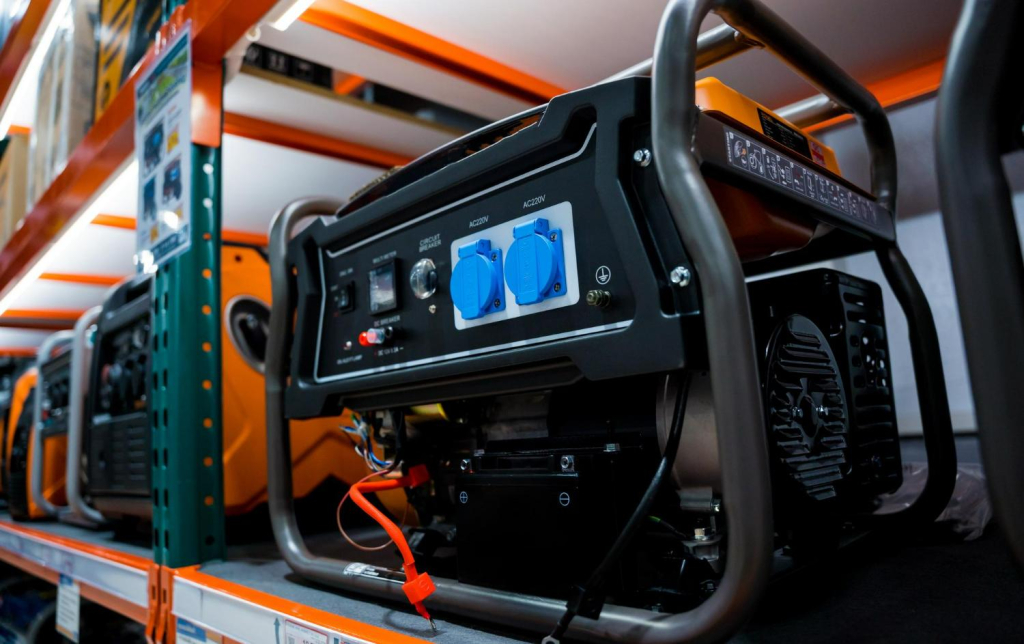
Choosing the right size generator is one of the most important decisions.
If the generator is too small, it won’t provide enough power for your critical appliances. If it’s excessively large, you’ll likely spend more on purchase price and fuel than necessary.
Selecting the correct size generator balances performance, efficiency, and cost.
4. Consider your fuel options
Most residential generators use gasoline, diesel, propane, or natural gas.
Each option offers different benefits and costs. Gasoline is widely available and convenient for occasional use. Propane burns cleaner and stores well. Natural gas can provide continuous fuel where residential connections are available, allowing some systems to run indefinitely as long as supply remains uninterrupted.
Choose a fuel source that’s practical and easily accessible in your location.
5. Think about fuel efficiency
A generator may operate for many hours during severe weather.
Choosing an efficient, fuel-efficient model helps reduce long-term operating expenses while minimizing the amount of fuel you’ll need to store.
6. Consider noise level
Generators vary significantly in noise level.
If your home is located within a close-knit residential community, quieter inverter models may be the better choice, especially if outages occur overnight.
7. Plan for installation
Some generators simply plug into extension cords, while permanent systems require professional setup.
A transfer switch safely connects your generator to your home’s electrical system. Larger generators often include an automatic transfer switch, allowing them to automatically activate whenever electricity fails.
Because improper wiring can be dangerous, professional installation by a licensed electrician is strongly recommended. Although installation costs increase your initial investment, proper installation improves both safety and reliability.
Safety should always come first
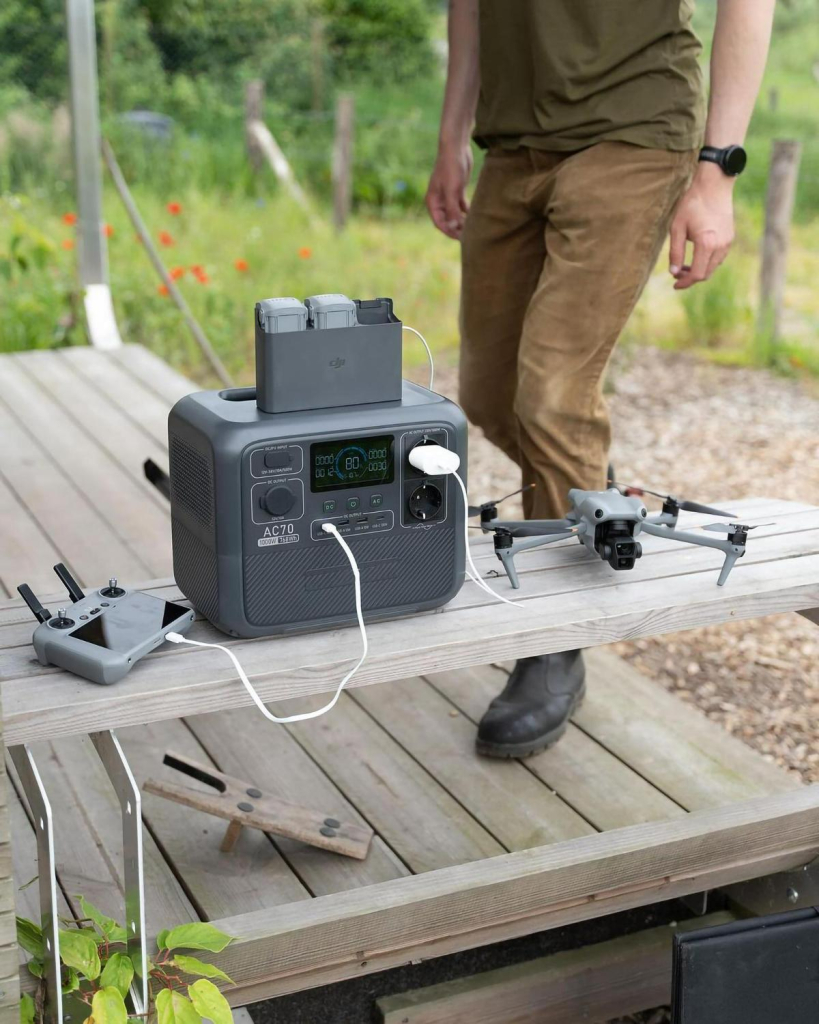
Generators should never operate inside garages, enclosed patios, or other indoor spaces.
Always place portable units outdoors where exhaust gases can safely disperse. This helps prevent dangerous carbon monoxide buildup.
Follow the manufacturer’s maintenance schedule, inspect the engine regularly, and store fuel safely away from heat sources.
Routine maintenance ensures your generator’s engine remains ready whenever it’s needed.
Invest in a home that’s ready for every season, invest in Camella
Choosing the right generator makes all the difference in protecting your family’s comfort, safety, and daily routine. Whether you choose portable generators, quiet inverter generators, or a whole home generator, selecting the right model based on your power requirements, capacity, and budget ensures you’re prepared for unexpected outages.
At Camella, building resilient communities goes beyond constructing beautiful homes. Camella developments are thoughtfully planned to support modern Filipino lifestyles, with quality infrastructure, secure neighborhoods, and homes designed for comfort through every season. Whether you’re planning future upgrades like a home generator or looking for a community where your family can thrive with peace and convenience, Camella offers the ideal place to build a home that’s prepared for whatever comes next.