




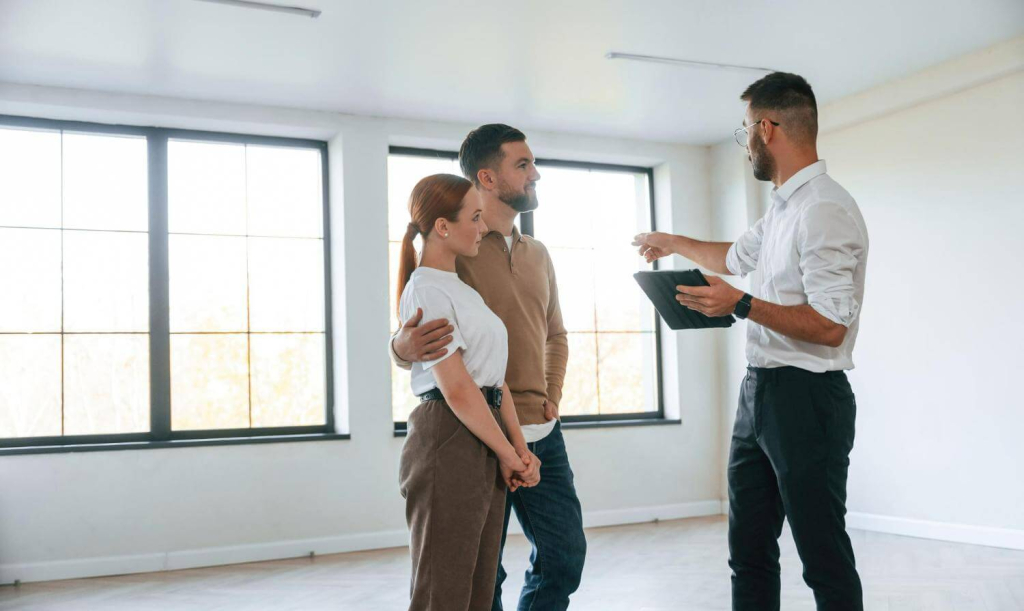
Image source: https://www.magnific.com/premium-photo/brand-new-apartment-realtor-shows-room-young-couple_132074927.htm
Buying a Ready for Occupancy (RFO) property is an exciting milestone. Since the house is already built, buyers can inspect the actual unit before moving in, making it easier to determine whether it truly meets their expectations.
However, excitement should never replace careful evaluation and home inspection. An RFO home inspection checklist helps ensure that your investment is in excellent condition and free from costly surprises.
Whether you’re a first-time homeowner or adding another property to your portfolio, conducting a home inspection before accepting the unit allows you to identify potential issues, verify the property’s condition, and request necessary corrections before turnover.
Why an RFO Home Inspection Matters
Unlike pre-selling homes, RFO units already exist, allowing buyers to physically inspect every room and every major system before taking ownership of a house. A well-planned buyer’s home inspection checklist provides peace of mind and helps you make an informed decision.
In many countries, a professional home inspection is a standard part of purchasing real estate, often protected by a home inspection contingency that allows buyers to address problems before closing.
While practices may differ in the Philippines, having a detailed inspection checklist remains one of the smartest steps you can take.
The Ultimate RFO Home Inspection Checklist
A thorough inspection can uncover hidden defects, identify safety concerns, and help you determine whether to request repairs before signing the turnover documents.
Here’s a comprehensive home inspection checklist every property buyer should follow:
Bring the Right People During the Inspection
If possible, bring your real estate agent, a trusted contractor, or even a professional home inspector. While many homeowners perform their own walkthrough, a professional inspection offers trained eyes that can detect hidden structural issues, electrical problems, and plumbing concerns that may otherwise go unnoticed.
Although a professional home inspector adds to your expenses. In most states and countries outside of the country, the buyer pays for the inspection. In the Philippines, the arrangement depends on the transaction.
Regardless, the investment is often worthwhile for the buyers’ valuable peace of mind.
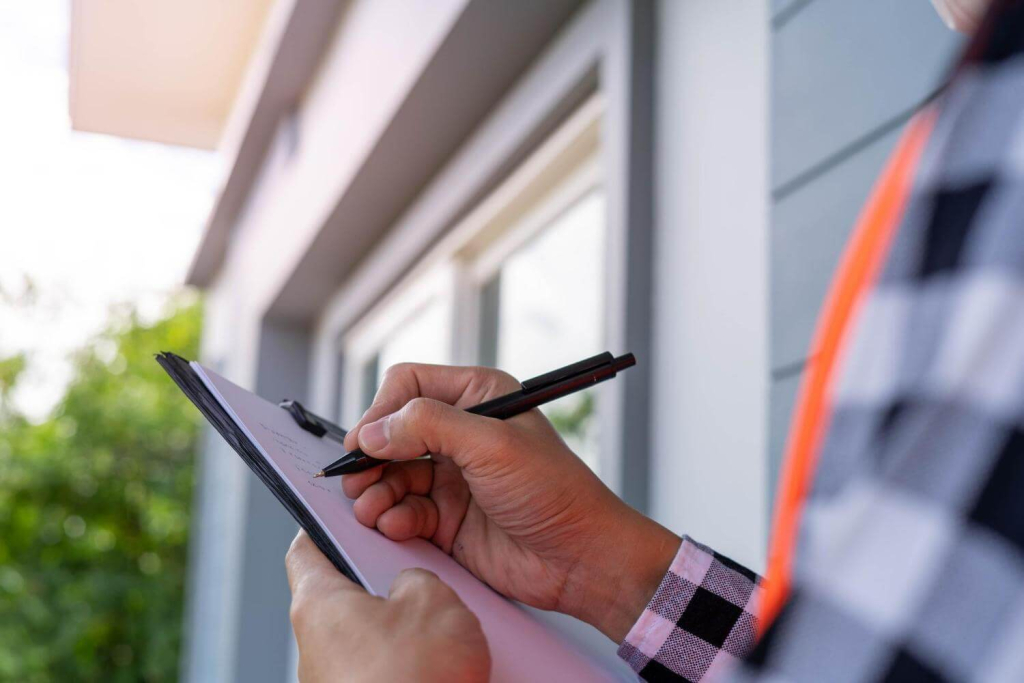
Inspect the Overall Structural Integrity
Begin your walkthrough by evaluating the overall condition of the house.
Pay close attention to the foundation, ceilings, floors, and exterior walls. Look for large cracks, uneven flooring, sagging ceilings, or other signs that may indicate compromised structural integrity.
While small hairline cracks can occur naturally as concrete cures, larger ones may suggest more serious structural issues that require immediate attention.
Also, inspect all door frames around the house. Doors should latch properly, open and close smoothly, and remain aligned. Windows should lock securely and operate without resistance.
Check the Roof and Drainage
Your roof protects your family from the elements, making it one of the most important key areas of any home inspection.
Examine the visible roof structure for signs of damage. If accessible, check for missing shingles, loose roofing materials, damaged flashing, or indications of previous leaks. Although many Philippine homes use metal roofing instead of shingles, the same principle applies. Look for visible deterioration when conducting your home inspection.
Inspect ceilings inside the home for stains that may indicate water intrusion or water damage.
Outside, observe whether the landscaping slopes away from the house. Standing water or soggy areas near the property’s foundation can increase the risk of flooding and long-term structural damage.
Evaluate the Plumbing System
A complete plumbing inspection can save homeowners from expensive future repairs.
Turn on every faucet and test the water pressure in bathrooms, kitchens, and outdoor taps. Flush every toilet multiple times and inspect sinks for slow drainage.
Look underneath sinks for water leaks, water damage, damp cabinets, or moldy odors. Examine exposed pipes whenever possible.
Don’t forget the water heater. Verify that it’s in good condition and functions properly. Check for rust, corrosion, or leaking connections.
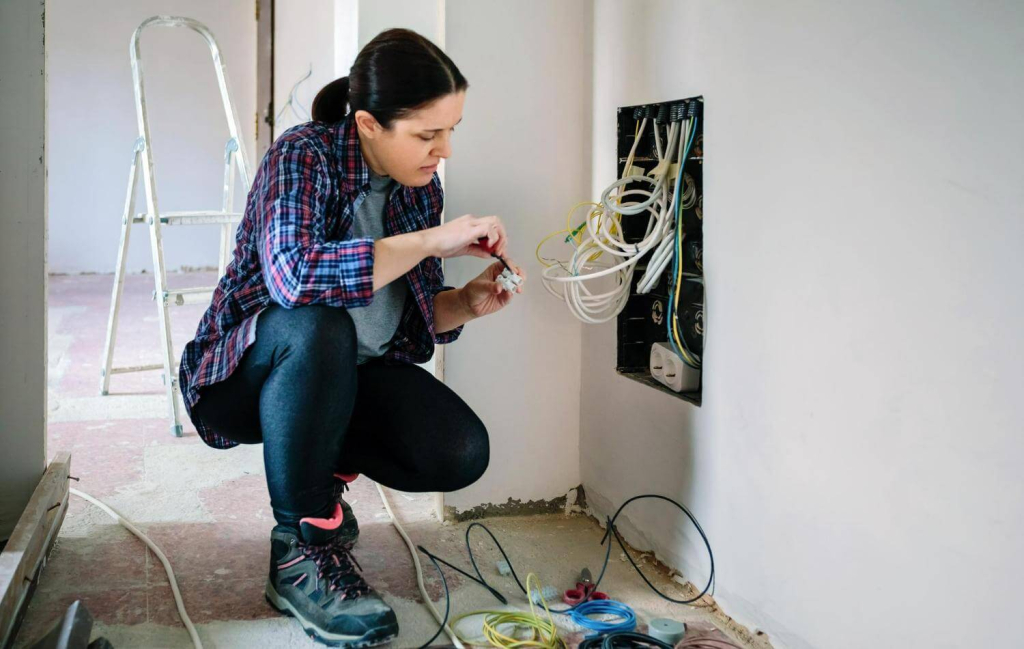
Test the Electrical Systems
Faulty electrical systems present serious safety hazards to any house or property, making this one of the most critical parts of your home inspection checklist.
Test every light switch and ensure each fixture works properly. Plug a small device into every electrical outlet to confirm that they supply power.
Inspect visible electrical wiring for exposed conductors or damaged insulation. Open the electrical panel if appropriate and look for neatly labeled breakers.
Electrical problems may pose a significant risk to your family’s safety, so don’t ignore flickering lights, tripping breakers, or burnt odors.
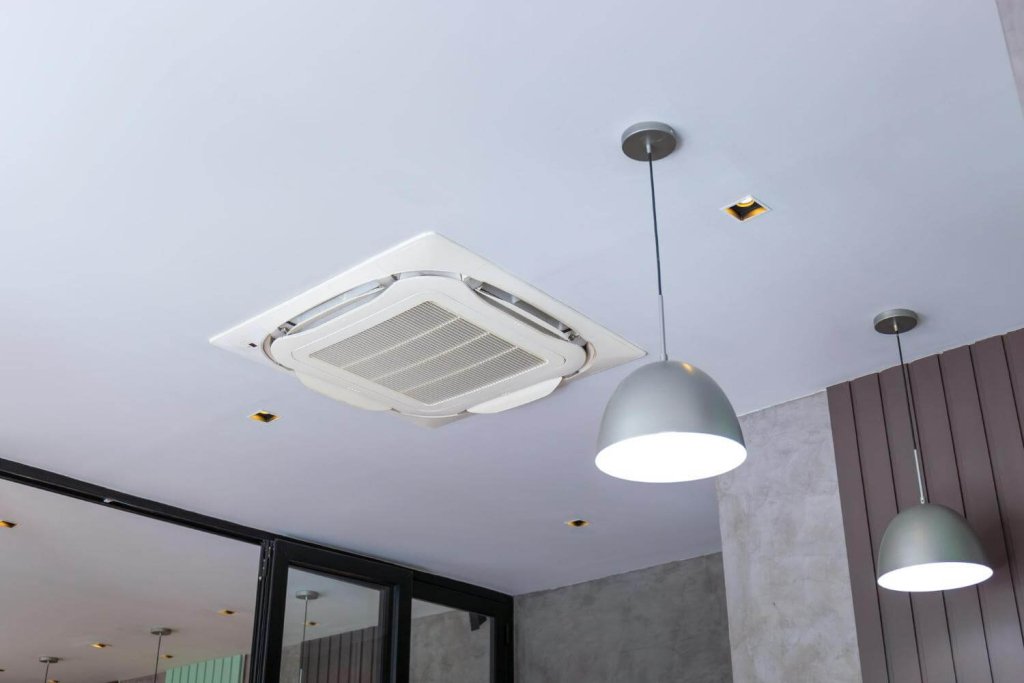
Examine the Air Conditioning and Ventilation
Given the Philippine climate, functioning air conditioning is essential for daily comfort.
Operate every unit and listen for unusual noises. Confirm that cool air reaches every room consistently.
Check the air filters and inspect the HVAC system, if applicable. While many local homes use split-type units rather than centralized systems, buyers should still verify cooling performance.
Test all exhaust fans in bathrooms and kitchens to ensure proper ventilation. Effective airflow helps reduce moisture buildup and discourages mold growth.
While central heating isn’t very common in homes in the Philippines, it’s best to add this check to your home inspection checklist if applicable.
Look for Signs of Moisture and Mold
Moisture problems often remain hidden until they become expensive repairs.
Inspect ceilings, walls, and flooring for discoloration, bubbling paint, or musty smells that may indicate water intrusion.
Look for visible mold, especially inside cabinets, bathrooms, and utility areas. Also, inspect wooden components for rotted wood, particularly near windows and exterior doors.
Finding these potential issues early helps prevent larger repair bills after moving in.
Verify Safety Features
Every family deserves a safe home.
Ensure smoke alarms are installed where appropriate. If the property includes carbon monoxide detectors, verify they function correctly. While carbon monoxide detection is more common in homes with fuel-burning appliances, it remains an important safety feature whenever applicable.
Inspect stair railings, balcony guards, and gates for stability. Confirm emergency exits are unobstructed and exterior lighting functions properly.
Document Everything
Take clear photographs and videos throughout your walkthrough.
Create a written inspection report listing every concern, no matter how minor. Having proper documentation makes discussions with the developer much easier should you need to request repairs before turnover.
Some issues, like small cracks, may simply require cosmetic touch-ups, while others may involve needed repairs affecting safety or functionality.

Know When to Negotiate Repairs
Not every issue should become a deal-breaker.
Instead, prioritize defects involving structural integrity, plumbing, roofing, or electrical systems. These deserve reasonable requests for correction before acceptance.
In resale transactions, buyers often negotiate repairs after reviewing an inspection report. Even in a competitive market, it’s reasonable to ask that legitimate defects be addressed before final turnover.
Likewise, remember that a home appraisal estimates a property’s market value, while a home inspection evaluates its physical condition. Both serve different but equally important purposes when purchasing real estate.
The Checklist Aims to Protect Your Dream Home
Ultimately, reading more articles and staying true to the checklist aims to help you confidently accept a home that’s safe, functional, and ready for your family.
A thorough inspection allows you to identify concerns before they become costly problems. By carefully evaluating the property’s condition, documenting findings, and addressing needed repairs, you protect both your investment and your loved ones.
Find Peace of Mind with Camella’s Quality Homes
Purchasing your dream home is one of life’s biggest milestones, and a careful home inspection ensures you’re making the right choice. From checking the roof, foundation, and electrical systems to evaluating plumbing, doors, and finishes, every detail contributes to a safe and comfortable living environment.
At Camella, quality turnover is a priority. Every home is built with durability, functionality, and family living in mind, giving homeowners greater confidence during the inspection process. With thoughtfully planned communities, dependable construction standards, and dedicated customer support, Camella helps buyers enjoy a smoother transition into homeownership.