





Arthritis is a growing health concern in the Philippines, affecting millions of Filipinos across different age groups.
According to estimates from local health organizations, around 5-6 million Filipinos are living with some form of arthritis, making it one of the most common causes of disability in the country.
While it is often associated with older adults, arthritis is not limited to the elderly. Young adults can also experience arthritis symptoms, especially when risk factors are present.
This guide to arthritis aims to help you understand the condition and take proactive steps to prevent joint pain, maintain mobility, and improve your overall quality of life.
What is Arthritis and What Causes it?
Arthritis refers to a group of conditions that affect the joints, connective tissues, and surrounding areas of the body.
Symptoms worsen and commonly lead to joint pain, stiffness, swelling, and reduced mobility, making everyday activities more difficult. While often linked to aging, arthritis can also affect young adults.
Here are some of the most common types of arthritis:
Osteoarthritis:
Osteoarthritis is the most common type and is caused by the gradual wear and tear of cartilage in affected joints. It often affects the knees, hips, and spine, leading to pain, stiffness, and limited movement over time.
Rheumatoid Arthritis
Rheumatoid arthritis occurs when the immune system attacks the joints, causing joint inflammation, swelling, and severe pain. It usually affects the small joints, like the hands, and can worsen without proper treatment.

Psoriatic Arthritis
Psoriatic arthritis is linked to psoriasis and can cause joint pain, stiffness, and skin symptoms. Early care helps manage pain and prevent long-term damage.
Gout
Gout is caused by excess uric acid forming crystals in the joints, leading to sudden, intense pain and swelling. Diet and lifestyle play a major role in triggering flare-ups for this type of arthritis.
Risk Factors and Triggers
Common risk factors include age, genetics, obesity, injuries, and poor lifestyle habits. These can increase inflammation and cause symptoms of arthritis to appear, or symptoms that can worsen over time.
How to Prevent Arthritis
While there is no absolute medicine or cure for arthritis, there are many effective strategies and other treatments to reduce your risk and manage joint pain before it becomes chronic pain.
Prevention focuses on maintaining joints flexible, reducing inflammation, and supporting overall health.
Maintain a Healthy Weight
One of the most important steps in any guide to arthritis is weight management.
Excess weight puts additional stress on weight-bearing joints like the knees, increasing the likelihood of osteoarthritis and making symptoms worse for those who already have arthritis.
Even a small reduction in body weight can significantly reduce pain and slow joint damage. Maintaining a healthy weight also helps regulate inflammation levels in the body, which is crucial for preventing different types of arthritis.
Stay Active and Strengthen Muscles
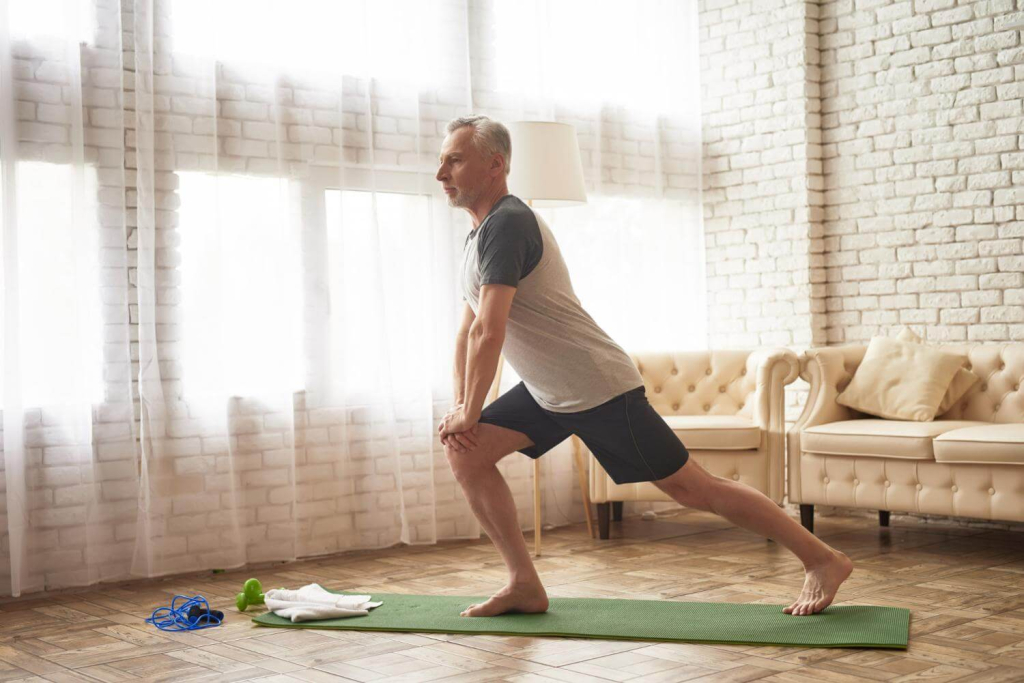
Regular movement is essential for keeping joints healthy.
Staying active helps lubricate joints, improve mobility, and prevent stiffness. A well-designed exercise program that includes low-impact activities like walking, swimming, or cycling can help strengthen muscles around the joints, providing better support.
Exercises such as tai chi are particularly beneficial because they improve balance, flexibility, and coordination while being gentle on the joints. Strong muscles act as shock absorbers, reducing strain on affected joints and lowering the risk of injury.
Practice Good Posture and Joint Care
Daily habits can significantly affect your joint health. Poor posture, repetitive movements, and improper lifting techniques can lead to long-term damage.
Being mindful of how you move during daily activities can help protect your joints from unnecessary stress.
Ergonomic adjustments at home or work can also play a role in preventing arthritis pain. Simple changes like using supportive chairs or adjusting your workstation can make a big difference in your daily life.
Eat an Anti-Inflammatory Diet
Diet plays a crucial role in managing inflammation. Foods rich in omega-3 fatty acids, antioxidants, and vitamins can help ease pain and support joint health. Incorporate fish, leafy greens, nuts, and fruits into your meals while limiting processed foods, sugar, and excessive salt.
Eating consciously can help prevent stiffness, swelling, and other similar symptoms of arthritis.
For those at risk of gout, managing uric acid levels is essential. Avoiding foods high in purines, such as organ meats and certain seafood, can help prevent painful flare-ups and swelling.

Manage Stress and Get Enough Rest
Chronic stress can weaken the immune system and contribute to inflammation, potentially worsening arthritis symptoms.
Practicing relaxation techniques such as meditation, deep breathing, or yoga can support overall well-being.
Adequate sleep is equally important. As healthcare professionals say, rest allows the body to repair itself, reducing fatigue and helping you better manage pain during the day.
Seek Early Medical Advice
If you notice early symptoms such as persistent joint pain, swelling, or stiffness, consult an arthritis doctor or other healthcare professionals.
Early diagnosis through imaging tests and physical examinations can help determine the specific type of arthritis and guide an appropriate treatment pathway.
Working with a physical therapist can also be beneficial. They can design personalized exercises to improve mobility, prevent further damage, and provide strategies for pain management.
Explore Treatment Options and Complementary Therapies
While prevention is key, knowing your treatment options is equally important to managing arthritis symptoms.
Depending on the condition and type of arthritis, medications, surgeries, physical therapy, and lifestyle adjustments may be recommended. In advanced cases of severe arthritis, procedures such as joint fusion or other forms of surgery may be considered.
Non-invasive approaches like heat therapy and ice packs can offer temporary joint pain relief.
Complementary therapies such as massage, acupuncture, and herbal remedies may also help relieve arthritis pain, although they should always be discussed with a healthcare provider.
Organizations like the arthritis foundation, the Philippine Rheumatology Association (PRA), can provide valuable resources and doctors’ support for individuals managing chronic pain and navigating other treatments.

Living Well with Healthy Joints
Preventing arthritis is not about eliminating risk. It’s about making consistent, mindful choices that support long-term joint health.
From maintaining a balanced diet to staying active and seeking timely medical care, these lifestyle changes can significantly improve your ability to manage symptoms and avoid severe complications.
Taking care of your joints today ensures that you can continue enjoying life’s simple pleasures, from walking in your neighborhood to participating in family activities, without being held back by pain or limited mobility.
Building a Healthier Future with Camella
A healthy lifestyle is a combination of good personal habits and the environment you live in.
Communities that encourage staying active, provide safe spaces for exercise, and promote overall well-being can make a significant difference in preventing conditions like arthritis.
Camella understands the importance of creating spaces that support your health and daily life. With thoughtfully designed communities featuring open spaces, walkable areas, and amenities that encourage movement and relaxation, Camella offers more than just a home. Most common areas in Camella provide a setting where you can nurture your well-being and keep your joints flexible for years to come.
Choosing the right environment is part of your journey toward pain management, better mobility, and a more active, fulfilling life.
With Camella, you’re not just investing in a house; you’re investing in a lifestyle that helps you stay strong, active, and resilient every day.