



Image source: Wikimedia Commons
Introduction
Antipolo has long been recognized as a destination where faith, heritage, and everyday life intersect. Located in Rizal, the city draws people from across the Philippines, especially during the pilgrimage season when devotees make their way to its well-known churches, such as Baras Church, Morong Church and the International Shrine of Our Lady of Peace and Good Voyage. Over time, it has grown beyond a religious stop into a place where culture continues to evolve.
Among its defining celebrations is the Sumakah Festival, an annual activity that reflects the identity of Antipolo City through food, craftsmanship, and community spirit. As more people discover the charm of this highland destination, the festival continues to attract many tourists eager to experience something grounded in local tradition yet open to the whole world.
What Makes the Sumakah Festival in Antipolo Unique
The character of the Sumakah Festival in Antipolo comes from how closely it mirrors everyday life in the city. Rather than presenting something distant or staged, it highlights what locals grow, make, and share.
The Meaning Behind the Sumakah Festival and Its Acronym
The Sumakah Festival takes its name from an acronym that represents the city’s major products: suman, mangga, kasuy, and hamaka.
Suman and mangga represent both flavor and tradition. The use of mango highlights the agricultural side of the city, where harvest cycles shape livelihoods. During the festival, these products are brought to the forefront, allowing visitors to experience them directly.
Kasoy and hamaka reflect another side of Antipolo’s identity. Cashew products contribute to trade, while hamaka, a hammock that was used as a traditional means of transportation for goods, represents craftsmanship passed down through generations. These items show how skill and resourcefulness come together, reinforcing the idea that culture is expressed through both food and craft.
It’s a newly created festival celebrated with intention, connecting economic activity with cultural expression. The city government sees it as a way to promote these industries while reinforcing pride in Antipolo.
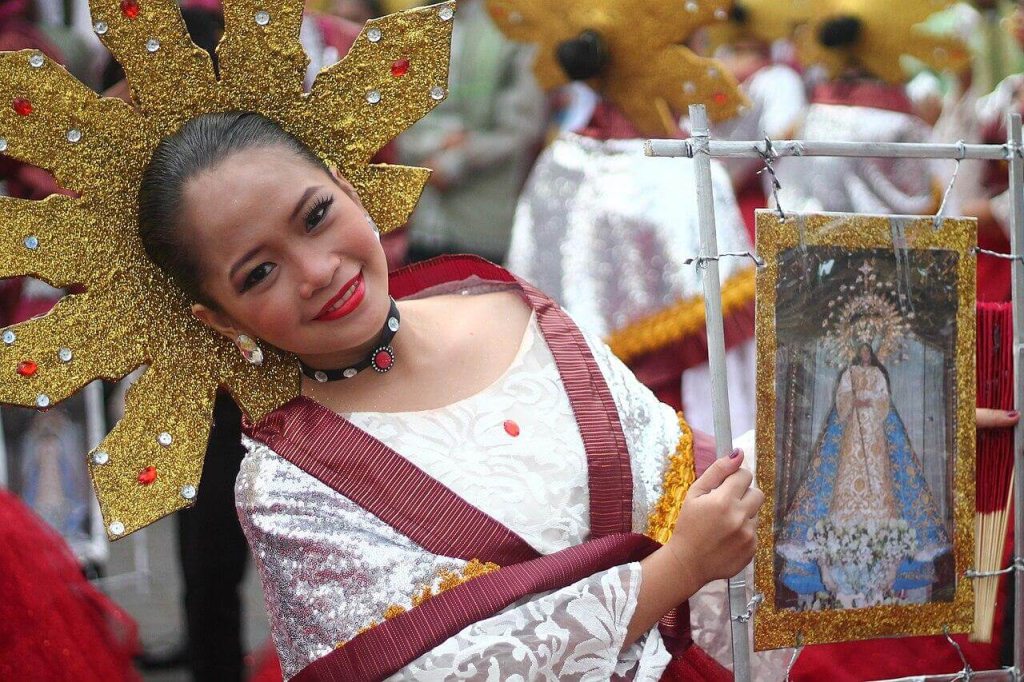
Celebrated Every 1st of May During Pilgrimage Season
The festival is celebrated every 1st of May, aligning with a time when the city is already active due to the pilgrimage season stretching from the months of May to July. This timing allows the celebration to naturally blend with existing traditions, creating a seamless flow between devotion and festivity.
“Tayo Na sa Antipolo!” serves as a well-known slogan associated with the city, often heard during this Maytime festival, as it invites both locals and visitors to take part. As an annual activity, the Sumakah Festival is held at a moment when the city is already alive with movement, making it easier to welcome tourists and strengthen its reputation across the Philippines.
A Celebration Rooted in Faith and Culture
The festival gains deeper meaning when placed alongside the long-standing traditions that define Antipolo. Faith remains central to the city’s identity, shaping how people gather and celebrate.
The Good Voyage Tradition and the Role of the Antipolo Church
Antipolo is widely known as a pilgrimage city, with its church serving as a focal point for devotion. The tradition of praying for a good voyage has been passed down through generations, drawing devotees who seek guidance and protection before journeys.
During the pilgrimage season, people from different parts of the Philippines make their way to the church. This steady flow of visitors creates a rhythm that the festival naturally follows, reinforcing the connection between faith and celebration.
Devotional Practices and Connections to the Black Nazarene
Religious practices in Antipolo are often linked to broader traditions across the country, including devotion associated with the Black Nazarene. For many, visiting Antipolo forms part of a larger spiritual journey. Devotees participate in prayers, processions, and quiet reflection, shaping the atmosphere of the city during this time. The presence of faith adds depth to the festival, reminding visitors that it is rooted in something more enduring than spectacle.
Street Dancing, Cultural Presentations, and the Grand Parade
As the festival unfolds, the streets become a stage where movement, sound, and storytelling come together. These performances capture the rhythm of daily life in a way that is both engaging and meaningful.
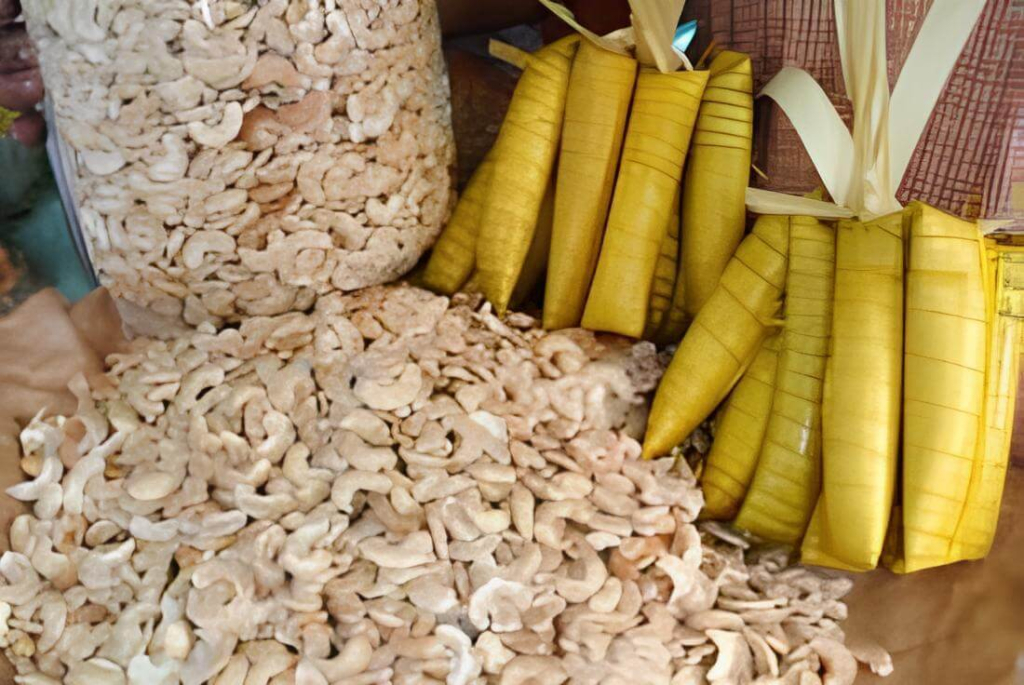
Image source: https://mabungajoy08.wordpress.com/2016/02/25/special-delicacies-food-in-antipolo-city-suman-and-kasoy/
Street Dancing and Drum Performances as Storytelling
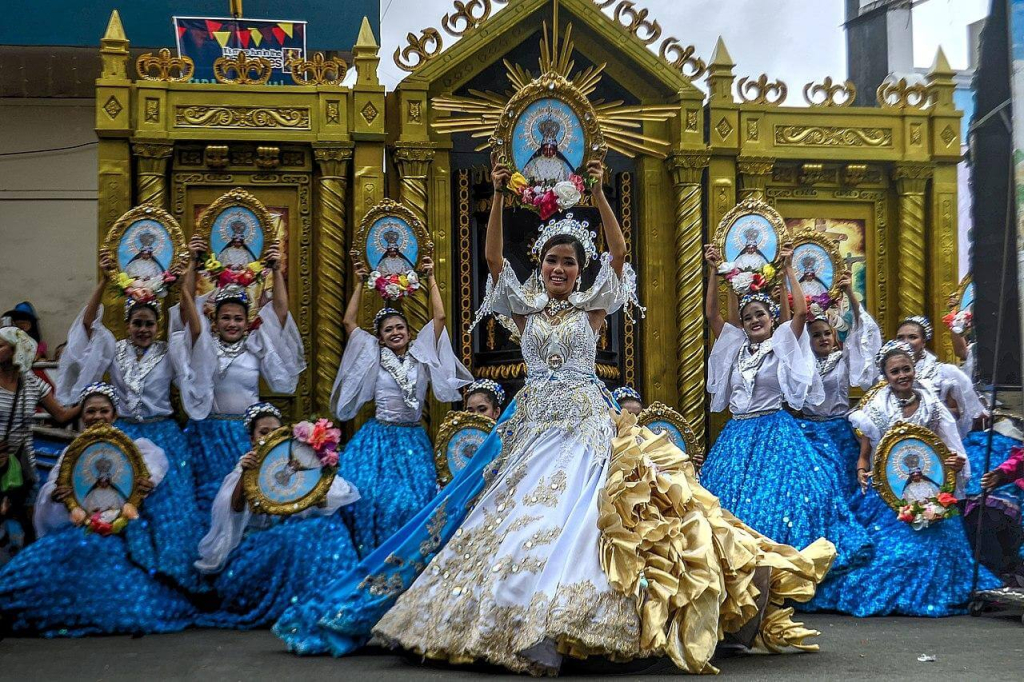
Street dancing in the Sumakah Festival is typically presented as an inter-barangay performance, with contingents from areas such as San Jose, San Isidro, and San Roque joining the procession. These groups perform along major roads in Antipolo City, often passing through key routes leading to the Antipolo Cathedral, where large crowds of spectators gather.
The performances are usually staged as part of the festival’s main program, culminating during the grand parade. Each contingent presents a choreographed routine accompanied by live or recorded drum rhythms, with movements designed to reflect local livelihood and identity. Common themes include the preparation of suman mangga, the harvesting of mango, and the crafting of hammocks, all of which are central to the festival’s acronym. Each group contributes to a larger narrative, with performances depicting themes like peace, unity, and even conflict.
Cultural Presentations and the Grand Parade
Cultural presentations are also integrated into the program, either performed on temporary stages set up by the city government or incorporated directly into the parade route. These presentations often depict scenes of daily life, the established camaraderie within the community and shared traditions, giving structure to what might otherwise appear as purely festive performances.
While the festival includes contests, these are generally judged based on criteria such as choreography, costume, and overall presentation rather than formal named categories. The focus remains on participation and representation, with each barangay aiming to showcase its identity while contributing to the larger celebration.
What Visiting the Festival Feels Like
Visiting during the festival means stepping into a lively environment filled with events and activities. Streets become crowded as locals and tourists gather to watch performances and explore different areas. The experience is both energetic and communal, shaped by the presence of people who have come to share in the celebration.
Antipolo’s rich culture is reflected in how these products are both preserved and adapted over time. Vendors often open a new window for visitors to understand how these goods are made, offering a closer look at the process behind each item.
For first-time visitors, checking the city’s official announcements through its Facebook page can help in planning, especially when schedules are edited or adjusted. These updates often provide annotations on routes, road closures, and event timings, giving a clearer picture of what to expect before arriving.
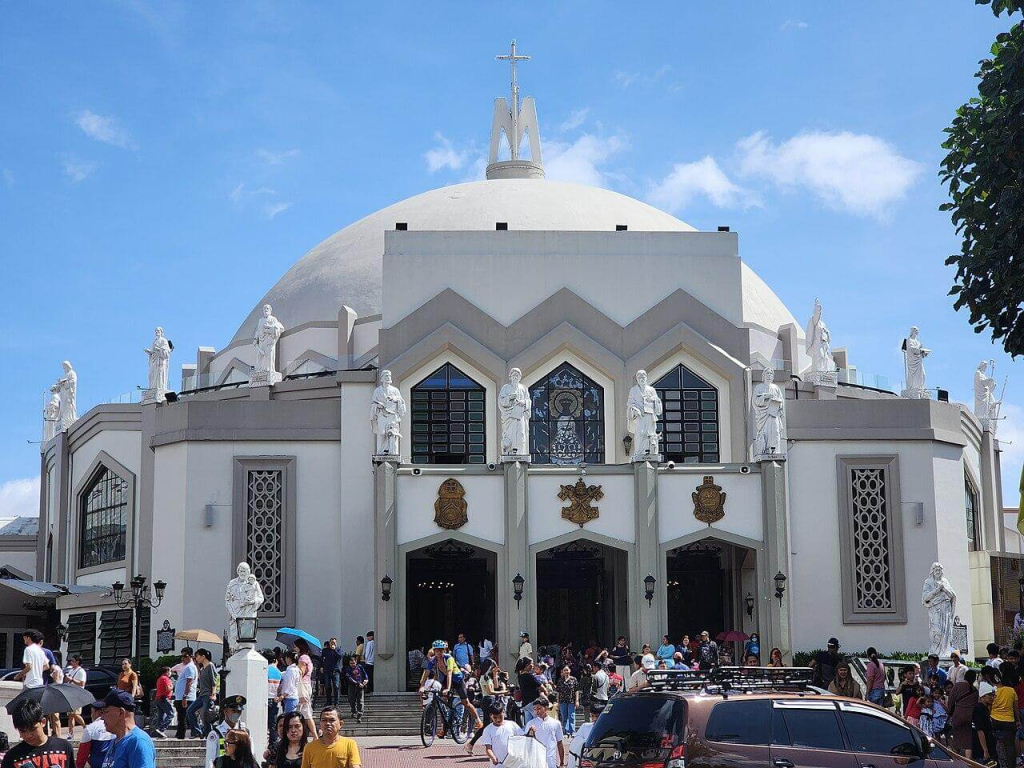
Everyday Living Near Cultural and Religious Landmarks
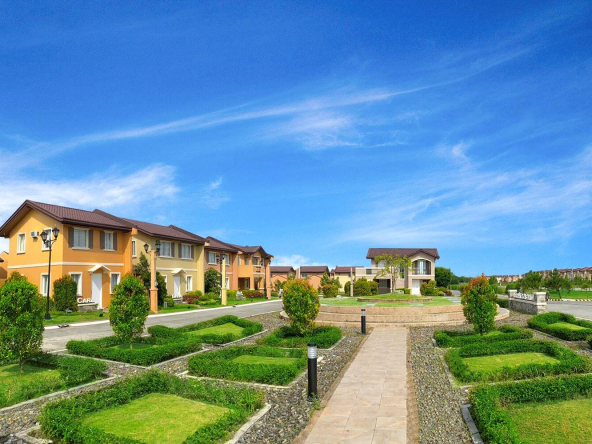
Living close to key locations allows residents to remain connected to the city’s traditions. Developments such as Camella Sierra are situated within reach of important sites, making it easier to take part in local events and visit familiar landmarks. Access to these spaces adds another layer to daily life, where culture and routine intersect naturally over time.
For many residents, living in Antipolo also means being close to a place that aims to preserve both tradition and everyday comfort. This balance allows people to remain connected to the city’s heritage while enjoying a setting that supports long-term living.
Conclusion
The Sumakah Festival captures what makes Antipolo distinct, bringing together livelihood, faith, and camaraderie in one meaningful celebration. Each element, from food to performance, reflects a part of the city’s identity shaped over time.
For those planning on visiting provides a glimpse into how a community continues to preserve its culture while opening its doors to others, inviting everyone to take part in a celebration rooted in both tradition and everyday life.