




Coming home to the Philippines after working abroad is a moment many overseas Filipino workers look forward to. After months or years away from family, the chance to reunite with loved ones, enjoy familiar comforts, and spend time in your own house makes the journey worthwhile.
Still, traveling home can involve paperwork, flight arrangements, budgeting, and other details that are easy to forget.
The Ultimate OFW Homecoming Checklist
With a little planning, you can make your return smoother and spend less time worrying about logistics.
This OFW homecoming checklist covers the essential documents, travel preparations, and practical steps to help you prepare for a stress-free trip to the Philippines.
1. Check Your Travel Documents Before Departure
Before booking your flight or packing your bags, check that all your travel documents are valid and accessible. Keep your valid passport, airline ticket, visa or residence permit, and other identification in one secure place. If your employment abroad requires specific documents, confirm whether you need to bring copies of your employment contracts, work visa, or other records.
For overseas Filipino workers returning to the Philippines, requirements can vary depending on your destination country, employment status, and travel circumstances. Check official government announcements before your departure to make sure you have the latest information.
If you are returning to work abroad after a vacation, you may need documents that confirm your employment and eligibility to leave the Philippines again. Keeping digital copies of essential documents can also help if your physical copies are misplaced, although digital files may not replace originals when these are required.
2. Understand Your Overseas Employment Certificate (OEC) or OFW Pass Requirements
The OEC has traditionally served as an exit clearance for many Filipino workers departing for overseas employment. It is associated with the Philippine Overseas Employment Administration (POEA), whose functions have since been integrated into the Department of Migrant Workers (DMW).
Depending on your circumstances, you may need to secure an OEC, use an applicable exemption, or follow the current OFW Pass process. Requirements can differ for returning workers, first-time overseas workers, and those changing employers or destinations. Do not assume that a document used for your previous departure will automatically apply to your next trip.
Check the latest instructions through official DMW channels well before your flight. Review the application process, prepare any required employment details, and confirm whether you need to visit an office or complete steps online. Doing this early can help you avoid long lines, unexpected fees, and delays at the airport.
You may also encounter references to the Overseas Workers Welfare Administration (OWWA), which provides programs and services for eligible migrant workers. Check your membership status and whether any relevant services or benefits apply to your situation.
3. Organize Your Employment and Health Records
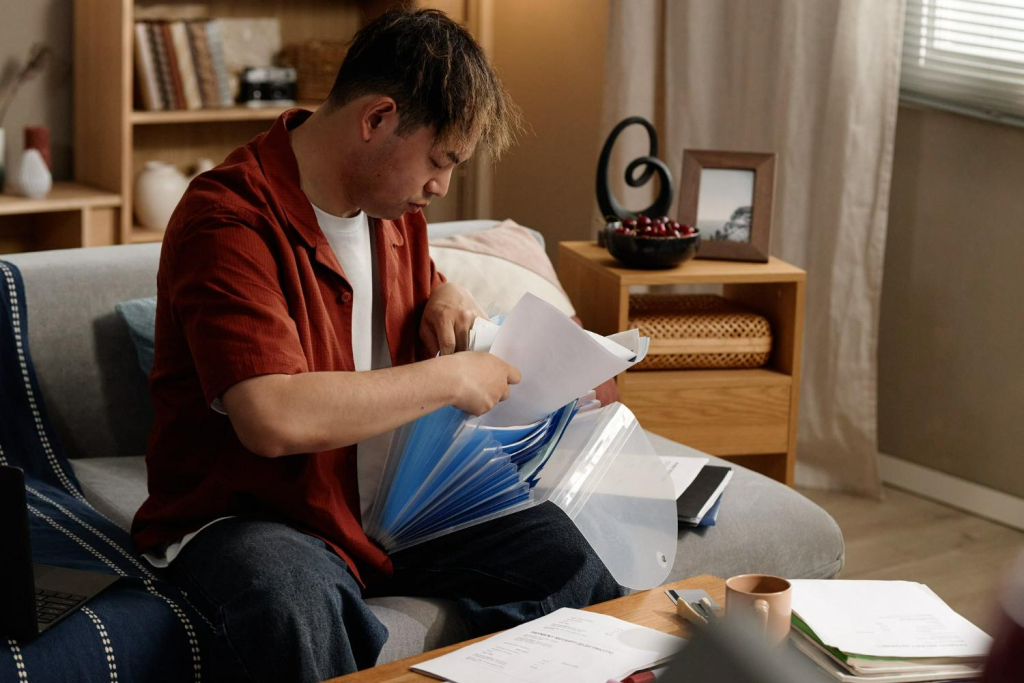
You shouldn’t wait until your homecoming to organize your documents.
Your essential documents may include employment contracts, proof of employment, insurance information, and records related to your work abroad. You also need to be aware of any other documents and mandatory records that may be required in your specific country. Keep copies of documents that may be useful when dealing with your employer, recruitment agency, immigration offices, or other government agencies.
If your journey involves a new job or an upcoming overseas deployment, check whether you need a medical certificate or other health clearances. Some employers and destination countries have specific health care requirements, so confirm these directly with the relevant authority or recruitment agency.
Workers preparing for their first overseas employment may also be required to attend a pre-departure orientation seminar (PDOS). This seminar helps workers understand their rights, responsibilities, destination-country rules, and potential employment risks. Confirm the mandatory requirements that apply to your case rather than relying on old checklists or advice from other workers.
For additional guidance, consult the Philippine embassy or consulate in your destination country, the DMW, or OWWA through their official channels.
4. Plan Your Flight and Airport Schedule
A stress-free homecoming begins before you reach the airport. Confirm your flight details, baggage allowance, terminal, and airline requirements. Check your ticket for the correct travel date and time, and allow enough time for check-in, immigration procedures, and security screening.
If you have connecting flights, review your transit requirements and keep your travel documents within easy reach. Save your booking confirmation on your phone and print a copy if you prefer having a physical backup.
It is also wise to check the rules on restricted items, baggage weight, and items that may require declaration when entering the Philippines. If you are bringing gifts, personal belongings, or other goods, review the applicable customs regulations before packing.
Arranging transportation from the airport in advance can make arrival easier, especially if you land late at night or have several bags. Let your family know your expected arrival time and update them if your flight is delayed.
5. Prepare Your Budget and Set Aside Money
Returning home can involve more expenses than expected. When OFWs start earning, people back home expect a lot from them. Aside from airfare, set aside money for transportation, meals, baggage fees, gifts, and other personal needs. Keep some cash available for small purchases while securing the rest of your funds safely.
Check whether travel tax or other departure-related fees apply to your specific circumstances. Exemptions and requirements may vary, so verify the current rules with the appropriate official agency before paying. Do not assume every overseas worker has the same obligations.
If you are preparing to return to work abroad after visiting the Philippines, include the costs of renewing documents, securing clearances, or completing employment requirements in your budget. Planning ahead helps you avoid unnecessary borrowing and leaves more money for the things you want to enjoy with your family.
You can also reflect on your financial goals while at home. Consider how much you want to save, which expenses need attention, and how your overseas employment supports your family’s future.

6. Coordinate With Family Before You Arrive
One of the most meaningful parts of an OFW homecoming is reuniting with loved ones. Coordinate your arrival with your family so they know when to expect you and how you will get home. If you plan to surprise them, make sure your arrangements are practical and safe.
Discuss your schedule, especially if you have limited time in the Philippines. You may want to visit relatives, attend family gatherings, complete personal errands, or simply rest after a long flight. Leave room for some rest and peace instead of filling every day with activities.
If you support family members financially, communicate about any expected expenses before your arrival. This can help everyone manage expectations and make your time together less stressful.
Most importantly, give yourself time to adjust. Travel fatigue, changes in routine, and the emotions of returning home can be overwhelming. You do not need to accomplish everything in the first few days. Enjoy the moment and focus on being present with the people who matter most.
7. Make Your Homecoming Part of a Bigger Plan
For many overseas Filipino workers, coming home is more than a short visit. It is an opportunity to reflect on career goals, savings, family priorities, and the kind of life they want to build in the Philippines.
You may be planning to work abroad for several more years, preparing for a permanent return, or saving toward a home of your own. Whatever your plans, use your time at home to review your progress and discuss the future with your loved ones.
If homeownership is part of that future, consider your budget, preferred location, and the kind of community that would suit your family. Planning early gives you more time to compare options and make a decision that supports your long-term goals.
Camella Offers the Best Homecoming for Overseas Workers
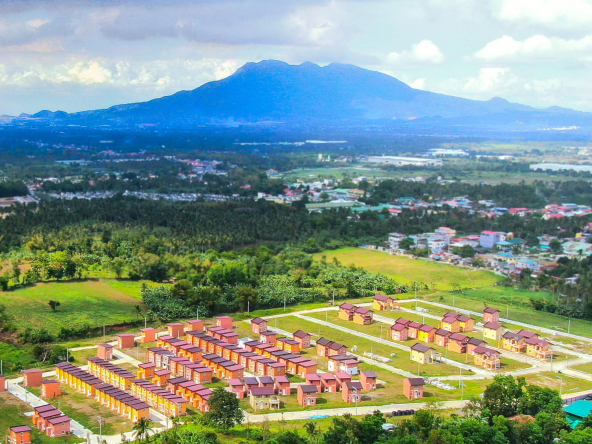
After years of working hard abroad, having a home where your family can feel secure and comfortable can be an important milestone. If you are saving toward homeownership or preparing for a more permanent return to the Philippines, Camella offers house-and-lot communities in various locations across the country.
Explore available properties, compare home options, and consider which location best fits your family’s needs, budget, and plans. This holiday season, there are a lot of incentives both from developers and even government agencies like Pag-ibig that you can explore when seriously considering purchasing your forever home. So, whether you are preparing for your next visit or working toward settling back home for good, choosing the right home can make the transition more meaningful.
Ready to act on becoming a homeowner? Visit Camella’s official website to explore communities and discover a home for your next chapter in the Philippines.