




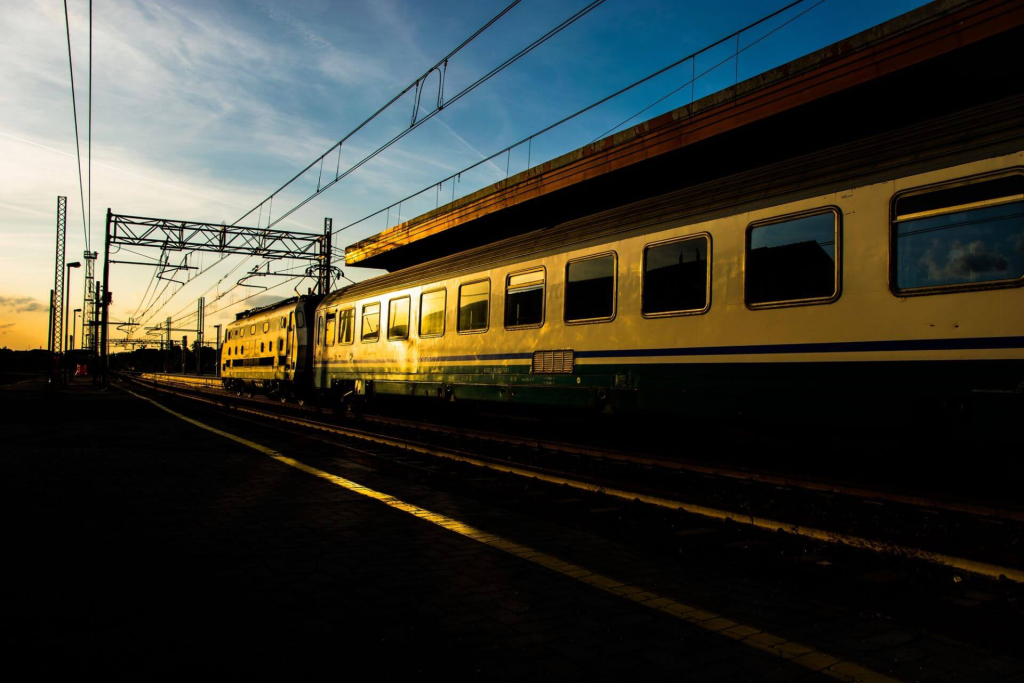
Image source: Freepik
The scale of the North South Commuter Railway marks a turning point in how people live, work, and move across Luzon. Stretching from Pampanga in the north to Laguna in the south, the railway is no longer viewed simply as a transportation upgrade. It is increasingly shaping where families choose to settle, where investors place capital, and how cities redefine growth beyond the traditional big city core.
As construction advances and partial operations expand, attention has shifted toward properties near the railway stations. These locations are now measured not only by distance, but by how effectively they connect homes to jobs, schools, services, and long-term opportunity. For many Filipinos, proximity to a commuter railway is becoming a practical advantage rather than a future promise.
Properties Near North South Commuter Railway and Why Station Proximity Now Drives Value
Rail-based connectivity changes real estate behavior in predictable ways. Once train stations are introduced, nearby land use adjusts, housing demand follows commuting patterns, and daily routines reorganize around travel time rather than road congestion.
How Train Stations Redefine Residential Demand
The presence of regular commuter trains compresses distance. Locations once considered too far from Manila or Makati are now viable for daily travel, especially when an hour-long train ride replaces unpredictable highway trips. As a result, houses near stations experience stronger buyer interest than those dependent solely on road access.
This shift is already visible along the North-South corridor, where residential development clusters around stations designed for high passenger capacity. Train stations act as magnets for services, retail, and transport links that support daily life, reinforcing the value of nearby properties.
Why Highly Accessible Locations Outperform Over Time
Accessibility shapes long-term performance. A highly accessible property holds value not just during market upswings, but also during slowdowns, because it remains functional for end users. Families prioritize predictability in travel, while investors look for resilience.
The commuter railway introduces a level of reliability rarely achieved through road-based transportation alone. As full operations approach, this reliability is expected to translate into sustained demand in station-adjacent neighborhoods across north and south Luzon.
North South Commuter Railway and the Growth of Pampanga’s Key Cities
The northern segment illustrates how rail, aviation, and industry reinforce each other. Pampanga’s cities are no longer peripheral. They are emerging as strategic locations tied directly to national mobility.
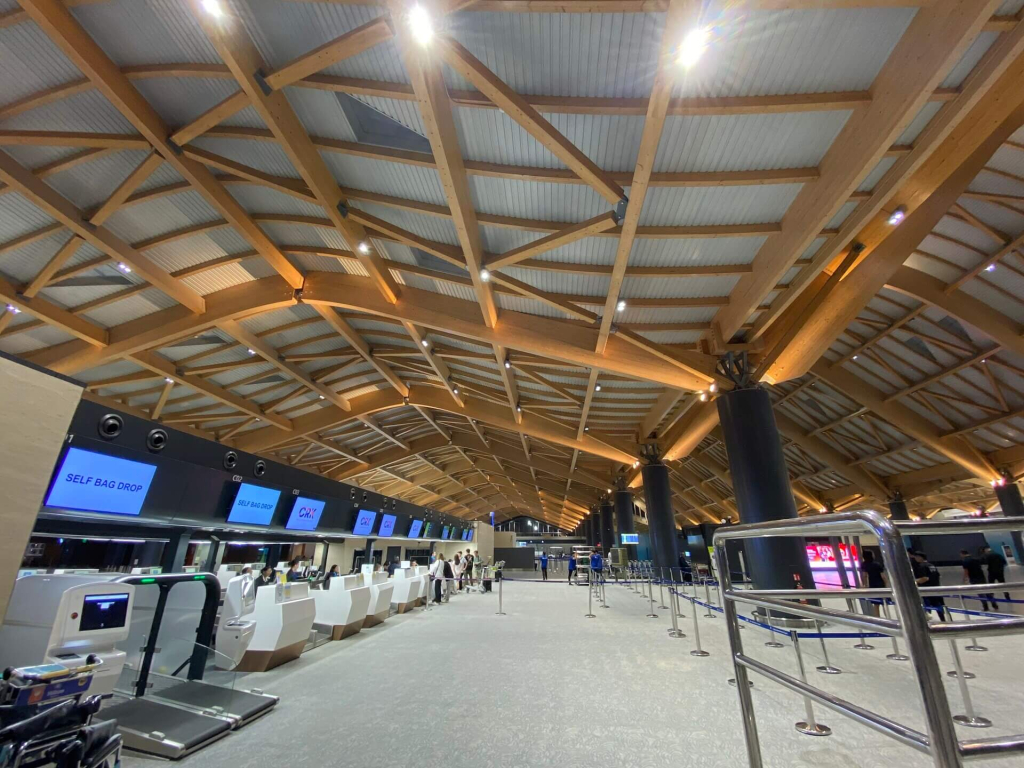
By ACTA314 – Own work, CC BY-SA 4.0, https://commons.wikimedia.org/w/index.php?curid=163380827
Clark International Airport as an Employment and Mobility Hub
Clark International Airport anchors the northern corridor. Its expansion, combined with improved rail access, positions Clark as both a logistics gateway and a commuter node. The railway links airport-related employment with residential areas across Pampanga and beyond, reducing dependence on private vehicles.
New Clark City further strengthens this ecosystem. Planned as a mixed-use urban center, it adds government offices, sports facilities, and institutional services that generate sustained travel demand along the line.
Angeles City and San Fernando as Residential Anchors
Angeles City and San Fernando sit directly on the railway alignment, placing them among the most relevant northern cities for housing demand. These are established urban centers with schools, hospitals, shopping malls, and business districts already in place.
Residential communities in these cities benefit from direct access to train stations serving Clark, making daily commuting viable without relocation to Metro Manila. In Angeles City, housing options appeal to families tied to aviation, tourism, and industrial parks, while San Fernando draws households connected to provincial services and regional commerce.
Within these contexts, Camella Angeles and Camella Andalusia in San Fernando are integrated naturally as family-oriented residential options located within reasonable driving distance of NSCR stations. Their placement reflects typical suburban commuter behavior rather than speculative transit-oriented claims.
Properties Near Train Stations Serving Northern Pampanga
Pampanga’s railway stations are surrounded by a mix of commercial development, transport terminals, and residential neighborhoods. Proximity to the Subic Clark Tarlac Expressway further enhances mobility, linking rail users to nearby cities and economic zones.
This combination of railway, expressway, and airport access places Pampanga among the most balanced growth areas in the north, particularly for households seeking stability without sacrificing connectivity.
Bulacan’s Role as the Northern Gateway to Metro Manila
South of Pampanga, Bulacan functions as a transition province where rail access begins to feel routine rather than aspirational.
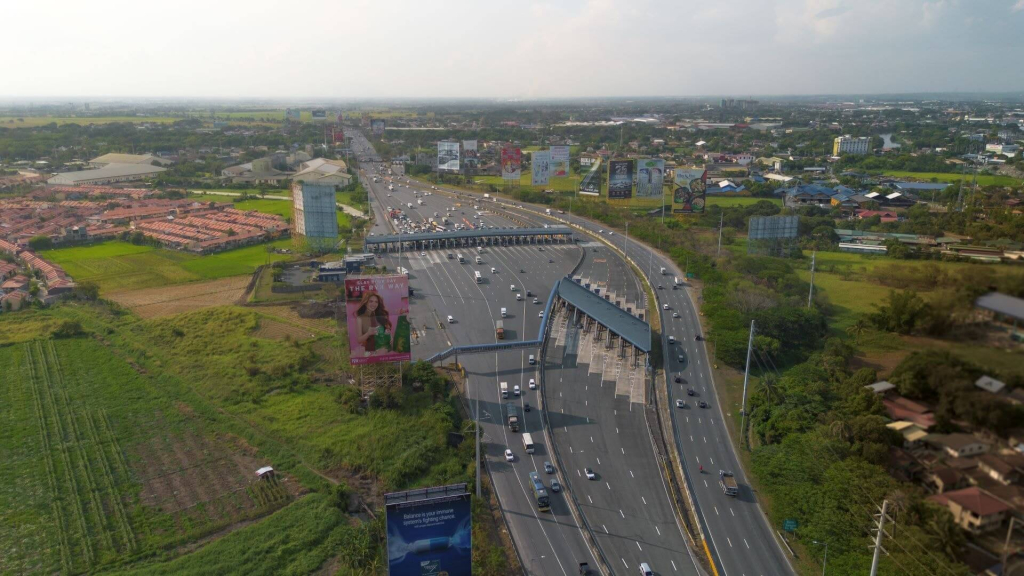
Malolos, Bocaue, and Meycauayan as Daily Commuter Cities
Stations in Malolos, Bocaue, Marilao, and Meycauayan serve dense residential zones with long-standing ties to Metro Manila employment. These areas are already accustomed to daily commuting, making the commuter railway a natural upgrade rather than a disruptive change.
The railway offers an alternative to congested highways, reducing travel uncertainty and improving work-life balance for residents traveling into Manila.
Transportation Access and Housing Demand in Bulacan
Bulacan’s appeal lies in its balance of affordability and access. Housing supply remains broader than in Metro Manila, while rail connectivity improves daily mobility. This dynamic fuels steady demand for houses near stations, especially among families prioritizing ownership.
Buyers in Bulacan increasingly evaluate properties based on how easily they connect to regular commuter trains. This shift reflects broader changes in transportation preferences, where reliability outweighs raw distance.
Metro Manila as the Core Employment Market Along the North-South Corridor
Metro Manila remains the primary employment destination, even as residential preferences shift outward.
Manila and Makati as the Primary Work Destinations
Manila and Makati continue to anchor government, finance, and corporate activity. The railway supports daily travel into these districts, reducing pressure on roads and supporting workforce mobility from surrounding provinces.
For many households, rail access makes it possible to live outside the big city while maintaining ties to urban employment.
Business Centers, Shopping Malls, and Essential Services
Business centers and shopping centers clustered around stations reinforce the value of rail-linked locations. Retail, healthcare, and education services naturally follow transit access, creating complete urban nodes rather than isolated stops.
The integration of the Metro Manila subway with the commuter railway enhances network efficiency. Transfers between lines reduce total travel time and expand reach across the capital, making suburban living more practical for a wider population.
South Commuter Railway and Laguna’s Residential Shift
South of Metro Manila, the south commuter railway segment highlights how families are redefining priorities.
San Pedro and Pacita as Entry Points to the South
San Pedro and Pacita stations serve as gateways into Laguna. These areas combine residential density with proximity to Metro Manila, making them popular among households seeking space without disconnecting from work.
Camella San Pedro appears here as a residential option aligned with rail-supported commuting, particularly for families balancing school access and daily travel.
Biñan and Santa Rosa as Live-Work Cities
Biñan and Santa Rosa function as independent cities with industrial estates, offices, and educational institutions. Rail access enhances their role as self-sustaining urban centers rather than bedroom communities.
Laguna’s stations anchor residential clusters supported by schools, shopping malls, and healthcare facilities. The presence of the South Luzon Expressway complements rail access, providing more transportation options.
Calamba as the Southern Anchor of the South Commuter Railway NSCR
Calamba represents the southern limit of the project and a key reference point for long-distance commuters.
What an End-of-Line Station Means for Property Value
End-of-line stations often attract stable residential demand. Residents can secure seating on trains and benefit from predictable schedules, factors that matter in daily routines.
Camella Calamba is integrated here as a family-oriented housing option aligned with rail-based commuting, especially for households planning around full operations.
Calamba offers a mature mix of schools, industrial zones, and civic services. These elements support long-term settlement rather than short-term speculation.
Real Estate Investment Patterns Along the North-South Commuter Railway
Rail infrastructure influences investor behavior in measurable stages. Partial operations signal viability. As segments open, market confidence increases, often reflected in transaction volume and land interest.
The involvement of the Asian Development Bank and support from Japan reinforce confidence in project completion. Each new project announced along the corridor tends to trigger closer scrutiny of station access, zoning, and development timelines, with buyers paying attention to publicly released details rather than speculative claims. This heightened awareness has contributed to the steady rise in interest around locations with confirmed railway integration, particularly as milestones move from construction toward completion.
Construction Progress, Completion Timelines, and Market Confidence
According to GMA News, the Department of Transportation is aiming to finish right-of-way clearance and property acquisition for the northern segment of the North–South Commuter Railway within the year. More than half of the required land parcels for the north segment have already been secured, reflecting steady progress on one of the project’s most complex phases and helping reduce delays ahead of full construction activities.
Once full operations are completed, demand is expected to spread further from stations, increasing the radius of viable residential locations while reinforcing core station zones.
Everyday Living in Cities Along the Commuter Railway
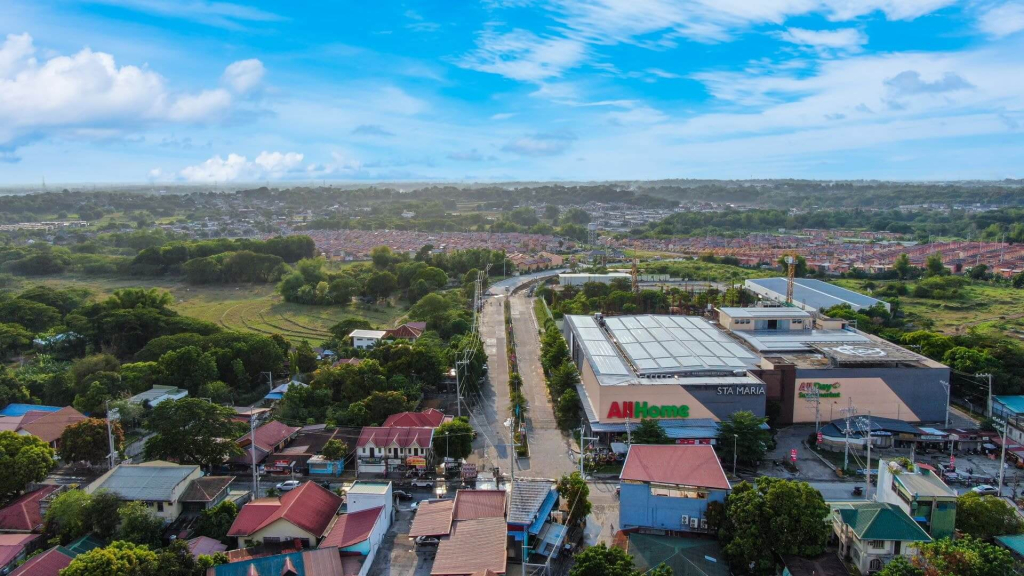
Access to schools, shopping malls, and essential services defines livable places. Rail-connected cities often see faster improvement in these areas due to increased foot traffic and economic activity. In many station-adjacent areas, commercial activity extends beyond large shopping malls to include community-scale retail, where daily needs are met, offering goods for home, school, and work. These everyday services support residential stability and influence how quickly properties in the area move from listing to sale.
Open spaces, local parks, and amenities such as a basketball court also contribute to neighborhood stability. These elements matter to families evaluating long-term settlement rather than short-term convenience.
Looking Ahead to Full Operations Across Luzon
The North South Commuter Railway is expected to redefine movement across the Philippines. As urban density increases, proximity to stations becomes a durable advantage rather than a temporary benefit. From Pampanga to Laguna, the railway supports a more balanced pattern of growth, offering households alternatives to congested urban cores while sustaining economic momentum across the corridor.
While the railway alignment runs directly through Pampanga, Metro Manila, and Laguna, its broader impact is expected to ripple outward, influencing housing decisions even in neighboring provinces such as Cavite and Batangas. Improved regional connectivity often reshapes buyer perception of distance, prompting households to reassess how far they can realistically live from work without compromising daily routines.