



The Pintaflores Festival is the annual celebration that San Carlos City, Negros Occidental, is best known for. Held every November, the event pairs street dancing with floral body art and ties together the city’s legend, its patron saint, and its sense of community. If you have plans to join the Pintaflores Festival with friends or family, this guide covers the festival’s history, what visitors can watch and eat, how it compares with other festivals in the Philippines, and why the city of San Carlos is worth a trip.
What is the Pintaflores Festival?
The Pintaflores Festival celebrates San Carlos City’s cultural identity and the heritage of its community. It is a remarkable showcase of the rich heritage of Negros Occidental through dance, costume, and body art. The name joins two Spanish words: pintados, the concept behind the Nabingkalan Tattoo Festival, and flores, the word for flowers, which gave the Dance of Flowers its theme.
City officials have traced the festival to 1992, when both activities were highlights of the city fiesta. Their success led to the creation of a single event that combined them. That fusion is what visitors see today: dancers with bodies painted with flowers, moving through the streets in costumes built around the same blooms.
Pintaflores Festival and The legend of Princess Nabingka
Princess Nabingka inspired the festival’s origin story, and the legend comes in more than one telling. You must have heard of the different versions of the story. In one popular version, from where she lived, she sailed with her siblings and members of her tribe on bamboo rafts, crossing the Tañon Strait from a nearby island to reach Buglas, the old name for Negros where they create a new life and community for themselves. Local historical accounts describe her instead as the daughter of a Negrito chieftain who ruled the settlement in the early 17th century. In both, the settlement took her name and was called Nabingkalan before it became San Carlos, named in honor of Saint Charles Borromeo. A Cebuano settler, Carlos Apurado, is often credited with buying the settlement from its Negrito residents, a detail that links the city’s early years to Cebu.
The old name still appears in the Nabingkalan Tattoo Festival, so the legend is visible in the festival’s own heritage. Her strong heart to embark on a journey into an uncharted land, with its hardship and eventual triumph, gives the performances a story to follow. The festival also features themes of light versus darkness and good versus evil, which dancers bring to life through movement and costume.
When is the Pintaflores Festival held?
This amazing festival occurs annually from November 3 to 6. The main street dancing falls on November 5, the date most often given for the Pintaflores Festival, and the days around it make up the fiesta.
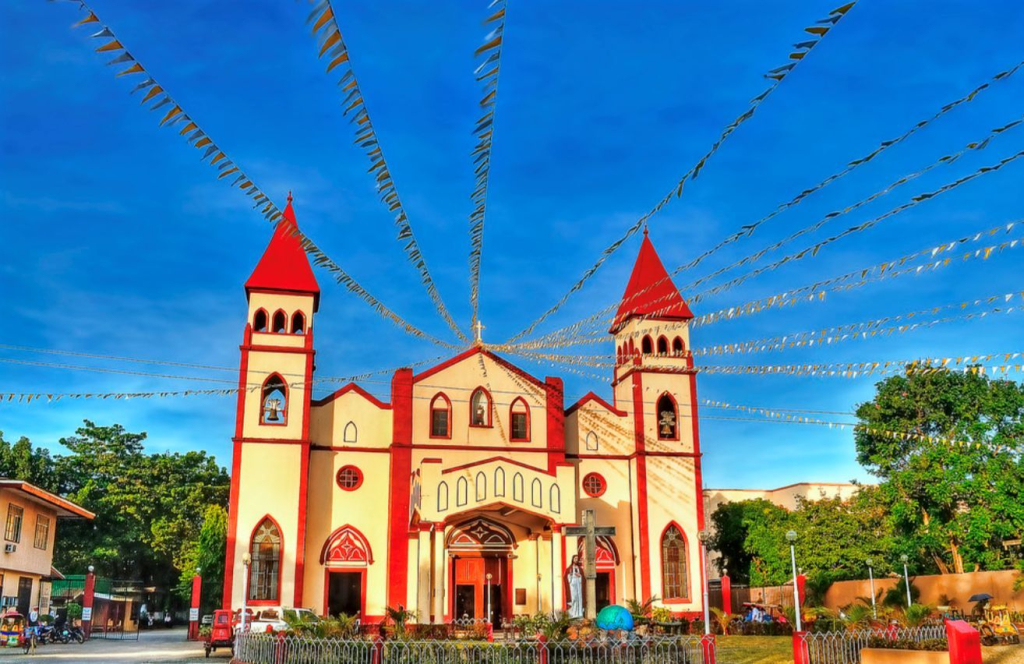
The fiesta is also a religious one. The city’s patron saint is Saint Charles Borromeo, whose feast falls on November 4. Born in Arona, Italy, in 1538, he became archbishop of Milan and is remembered as a Church reformer and charity worker who established seminaries and colleges. A thanksgiving fiesta mass is usually held in the morning at the St. Charles Borromeo Cathedral Parish, following novena masses in the days before. Before the pandemic, a grand procession through the city’s main streets was held in the afternoon. The saint is also honored in the city’s cathedral, whose construction was completed in 1935 and which history and architecture enthusiasts often include on a visit. The religious observances honor the saint, while the street dancing celebrates the community’s own story, and the festival places the two in the same week.
Street dancing, costumes, and floral body art at Pintaflores Festival
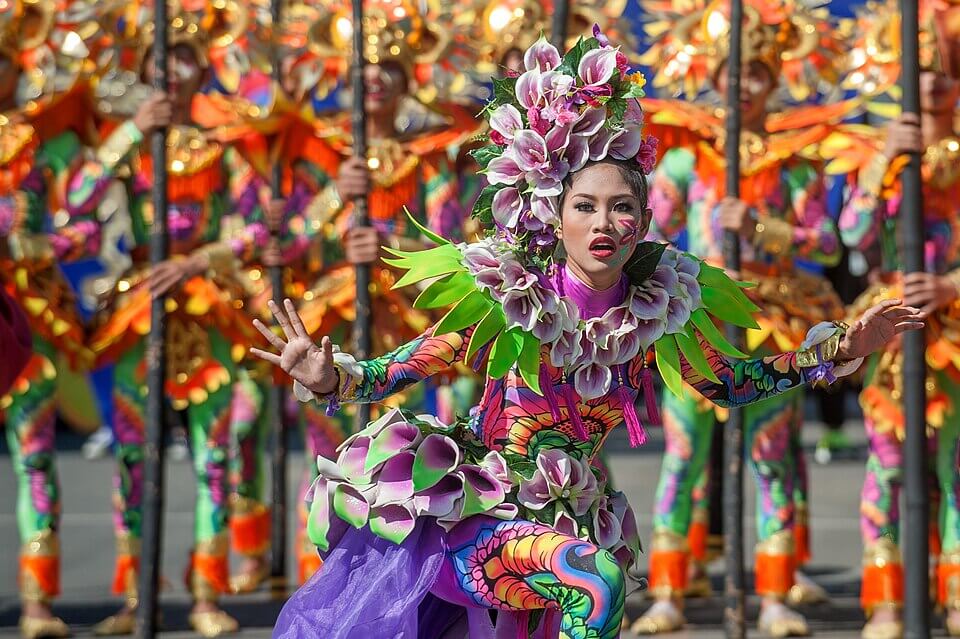
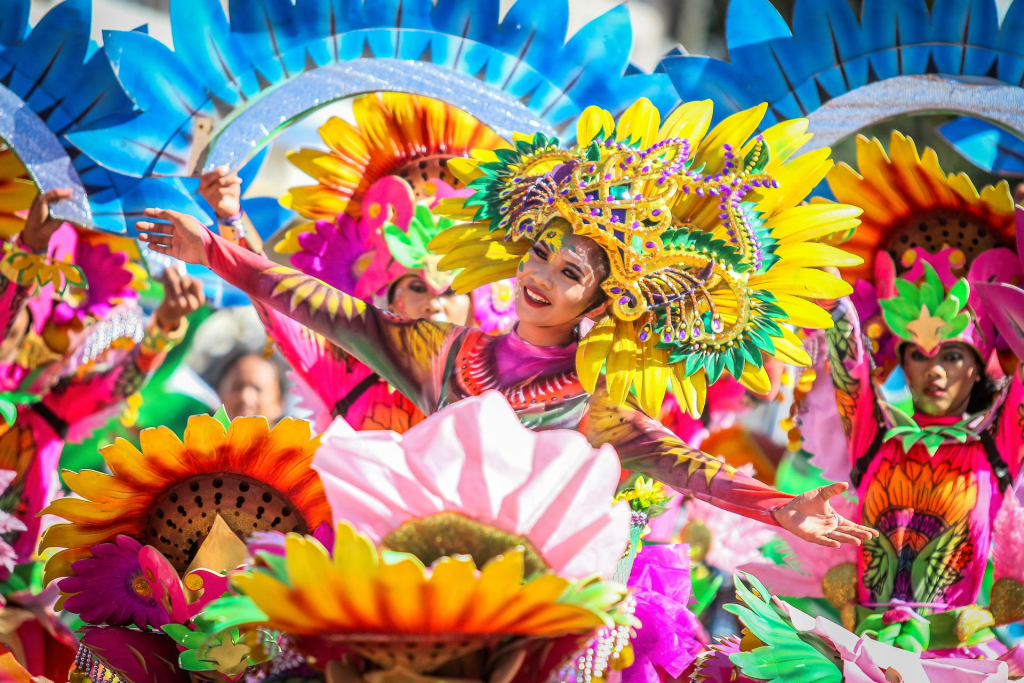
A lot of revelers comment how visually fascinating the festival can be. The street dancing competition is the festival’s central event. Participants wear elaborate costumes adorned with floral designs and body art as they dance through the streets. The festival also features a ritual competition and a street dance tournament, which gives the day a competitive side as well as a ceremonial one.
The costumes represent flowers, plants, and nature-worshipping figures. The ethnic-inspired designs rely on vibrant colors, and the costumes include bright flowers painted across the dancers’ bodies. Dancers have floral tattoos painted on their bodies, so the costume and the body art read as a single design when the group moves down the street.
The competition has also been open to other local governments on the island of Negros. By 2009, it had been open for about two years, and participants that year came from both Negros Oriental and Negros Occidental.
Pageants, fairs, and other festival events
Other events fill out the program. The Search for Miss San Carlos City pageant adds glamour to the festival. Past fiestas have also included a trade fair with various booth displays, a carnival, an agricultural fair, sports fests, contests, and cultural shows. The 2019 program listed a youth jam, a paint party, a dragon boat competition, and an army battalion exhibit alongside the dance competition, and some editions have ended with a fireworks display. Taken together, these events give visitors plenty to do in the city beyond watching the parade.
Pintaflores Festival, Dinagyang, Sinulog, and others
Pintaflores has traveled beyond San Carlos. In earlier years, the city joined the Sinulog carrying its fiesta name, so the festival’s appearances elsewhere promote San Carlos as much as the dance itself. The festival first joined the Sinulog in Cebu in 1992 and has returned on several occasions. From 2015 to 2019, San Carlos took part in the Kasadyahan Festival, one of the highlights of the Dinagyang Festival in Iloilo. In 2020, Pintaflores returned to the Sinulog grand parade after a gap of about ten years. A city councilor described the entry as a combination of Pintaflores and Sinulog, built around the tragedy and triumph of Princess Nabingka on her journey to an uncharted land.
Within Negros Occidental, other festivals share the calendar. Silay City holds Cinco de Noviembre on November 5, remembering the Negrenses’ bloodless revolt against the Spaniards in 1898. Both events keep the province’s history in public view, though Pintaflores draws on legend and body art, while Silay’s observance centers on a historical event.
Local dishes and drinks of San Carlos
Food is part of any visit. Dishes and drinks that visitors may come across in San Carlos include:
- Pinamalhan nga Isda: a dried fish dish.
- Papisik nga Manok: chicken cooked with local herbs.
- Lumpia de Betswelas: a fried vegetable dumpling.
- Valenciana: a colorful rice dish with various ingredients.
- Sara-Sara nga Mais: a nutritious corn coffee beverage.
- Baye-Baye: a sweet treat made from coconut and corn.
Several of these are built on ingredients associated with the region: fish, corn, coconut, and local herbs. Negros Occidental is often called the sugar capital of the country, and the dishes above show another side of its table. Together they give a sense of how the city eats, alongside what it celebrates.
How the festival supports local tourism and the economy
The festival contributes to local tourism and economic development by attracting visitors to the city. Tourists who travel for the event spend on lodging, meals, and transport, which benefits local businesses. San Carlos sits on the northeast coast of the island, across the water from Cebu, and the ferry crossing to Toledo City takes roughly an hour. That makes it a practical stop for travelers moving between islands, and a festival visit can be paired with other places in the province.
The festival also draws on the effort of residents. When the city sent a delegation to the 2020 Sinulog, about a hundred residents joined the performers, among them teachers, production and kitchen staff, disaster response personnel, and doctors. For many residents, the festival is a community effort to be proud of.
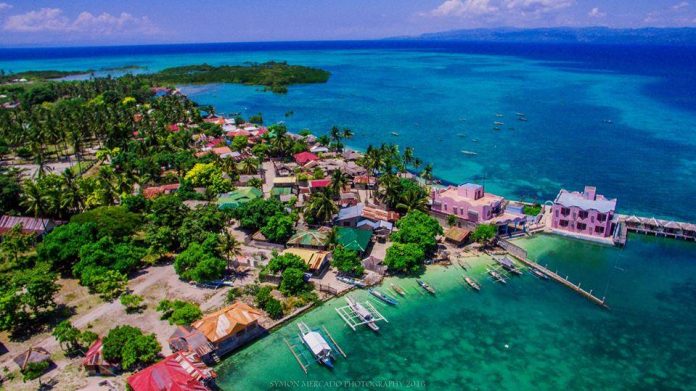
Image Source: Panaynews
Why San Carlos belongs on a November calendar
San Carlos is a beautiful city whose best-known event gives visitors plenty to witness in a few days. The Pintaflores Festival brings together faith, legend, and art in one extraordinary celebration. Its costumes, floral body art, and street dancing give the city a recognizable identity, while the fiesta mass and the dishes on the table keep the week grounded in everyday life.
When in San Carlos City for the Pintaflores festival, consider side trips to immediate municipalities surrounding the city as it is considered a major hub for eco-tourism in Negros Occidental: Don Salvador Benedicto is called “The Little Baguio of Negros”, while Canlaon is monikered “The Volcanic Adventure Hub” with Calatrava and Vallehermoso considered as coastal escapes.
The festival has also traveled to Cebu and Iloilo, yet it is in the streets of San Carlos that its history and beauty are easiest to appreciate. A trip in the first week of November allows you to attend the feast day mass on November 4, watch the street dancing on November 5, and try the local dishes in between.