





Childhood is full of discoveries, new friendships, and exciting milestones, but it can also bring big emotions that children don’t always know how to express. From school pressures to changes at home, young minds face many experiences that shape their mental health and development. For parents and caregivers, understanding these feelings is an important step toward helping children feel safe, valued, and supported. More importantly, it’s during childhood that a person can build a strong mental health foundation.
Supporting children’s mental health starts with recognizing that emotional well-being is just as important as physical health. When children have the right support, they can learn to manage stress, build healthy relationships, and develop the confidence to face life’s challenges.
Here’s how families can nurture a child’s mental health and recognize when additional help may be needed:
Why Children’s Mental Health Matters
Mental health influences how children think, feel, behave, learn, and interact with others. Good mental health helps children and young people navigate social situations, develop relationships with friends, manage everyday stress, and build the skills they need for healthy development.
A child’s mental wellbeing also affects school performance, physical health, sleep, and confidence. When children struggle emotionally, they may find it harder to concentrate, participate in activities, or communicate their needs. These difficulties do not automatically indicate mental health conditions, but they deserve attention and compassion from parents.

Image source: expertpay098 | Magnific
Factors that Affect Your Child’s Mental Health
Many factors influence children’s mental health, including genetics, family relationships, experiences at school, community support, and exposure to stressful events. Bullying, family conflict, loss, discrimination, and traumatic experiences can contribute to mental health problems. Some children may also experience anxiety disorders, depression, eating disorders, or other mental disorders that require professional care.
How You Can Be Supporting Children’s Mental Health
Every child is different. Understanding their individual needs helps parents respond with patience rather than judgment.
It’s important to recognize symptoms of potential mental health problems and talk about them openly.
Recognize Changes in Your Child’s Behavior
Children and young persons don’t always have the words to explain what they’re feeling. Younger children may express distress through tantrums, clinginess, or changes in play, while older children may withdraw, become irritable, or avoid activities they once enjoyed.
Parents and caregivers should pay attention to significant changes in a child’s behavior, sleeping patterns, appetite, school performance, or relationships. Frequent physical complaints, persistent worries, loss of interest, drifting away from friends, and difficulty coping with ordinary routines can also be signs that a child needs additional support.
The key is to look at the bigger picture. A difficult day or occasional outburst is a normal part of growing up. However, when symptoms persist, become more intense, or interfere with daily life, it may be time to talk to professionals and mental health resources that can offer guidance.
Some children experience mental health issues alongside learning disabilities or other developmental needs. They may need different ways to communicate, learn, or manage overwhelming situations. Rather than comparing them with other kids, focus on their progress and the support that helps them thrive.

Image source: Sunan Wongsa-nga | Magnific
Create a Safe Space for Feelings and Emotions
One of the most effective ways of supporting mental health is to make home a place where children feel comfortable talking about their emotions. Let your kid know that sadness, anger, fear, frustration, and excitement are all normal feelings in a child’s life. What matters is learning how to express them safely and constructively with their parents.
When your child shares a concern, listen without immediately correcting, dismissing, or offering solutions. Simple responses such as “That sounds difficult,” or “Can you tell me more about what happened?” show that you take their feelings seriously.
Avoid telling children that they are overreacting or have nothing to worry about. Even if a concern seems small to an adult, it may feel overwhelming to a child. Acknowledging their emotions helps them feel understood and encourages them to talk to you and seek support in the future.
Everyday moments can create opportunities for conversations around mental health. Talk during meals, bedtime, walks, or car rides when children may feel more comfortable opening up. You can also use stories, drawings, or play to help younger children communicate experiences they cannot easily describe.
Build Positive Routines That Support Mental Well-Being
Consistent routines help children feel secure because they know what to expect. Supporting children’s mental health does not require an elaborate schedule. Small, manageable habits can make a meaningful difference to their physical and mental health needs.
Start with regular sleep times, balanced meals, physical activity, and opportunities for rest. Encourage children and young people to spend time outdoors, explore their interests, and connect with friends and family members. Make room for unstructured play, which allows children to develop creativity, independence, and problem-solving skills.
It is also important to create a healthy balance between schoolwork, extracurricular activities, screen time, and relaxation. Too many commitments can leave children feeling overwhelmed, especially when they have little time to recharge.
Teach age-appropriate coping skills, such as deep breathing, counting to ten, drawing, or taking a quiet break when emotions become intense. These strategies will not eliminate every difficult feeling, but they can help children pause and respond in a more positive way.
Parents can also model these habits. When adults manage stress calmly, acknowledge their own feelings, and demonstrate respectful communication, children learn by example.
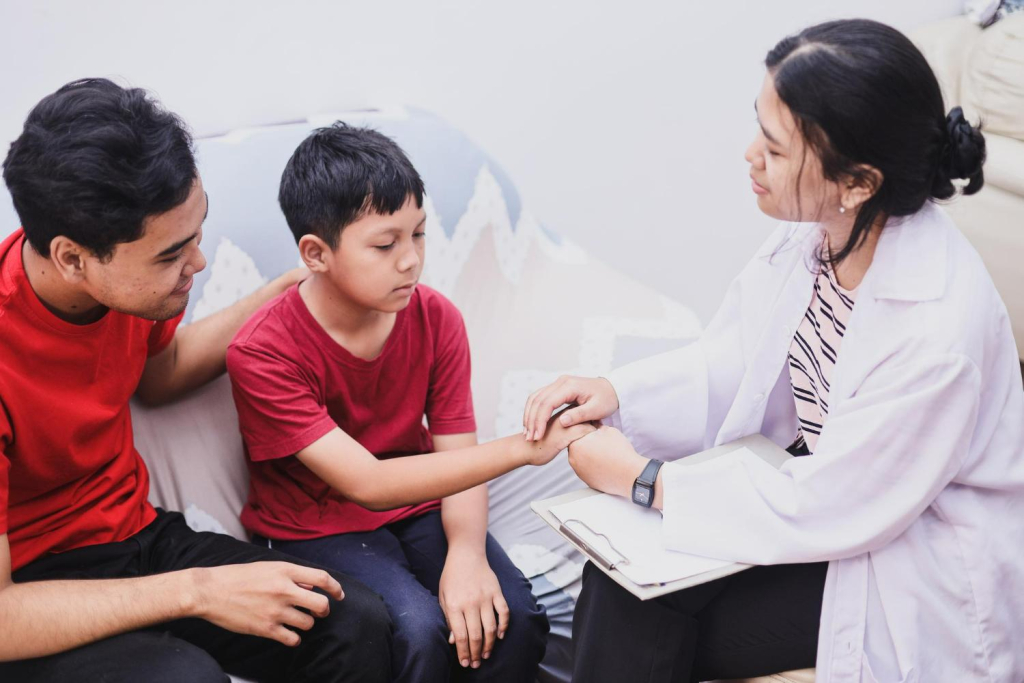
Image source: Queenmoonlite Studio | Magnific
Work With Schools, Other Trusted Adults, and Reliable Mental Health Resources
Children’s well-being is shaped by the environments in which they learn and grow, whether at home or in school. Parents are important sources of support, but teachers, school counselors, caregivers, and other trusted adults can also help children navigate challenges.
If your child is struggling at school, arrange a conversation with their teacher to understand what may be happening. Academic pressure, friendship difficulties, bullying, and social situations involving other children can affect a child’s emotional health. Working together can help families and schools identify practical adjustments and provide consistent support.
Family members can also reinforce positive habits and reassure children during difficult periods. When several adults are involved in a child’s care, communicate respectfully and share relevant concerns while protecting the child’s privacy.
The goal is to build a network of supportive relationships, so children know they don’t have to face every challenge alone.
Know When to Seek Professional Support
Sometimes, family support and positive routines are not enough. If your child’s symptoms persist, worsen, or interfere with sleep, school, relationships, brain development, or daily activities, consult your child’s pediatrician or another qualified health care provider, such as a social worker. They can assess your concerns, discuss possible causes, and recommend appropriate treatment options.
Mental health professionals can help children understand their emotions and develop healthier ways to cope. Depending on the child’s needs, support may include counseling, therapy, family sessions, school-based assistance, or other forms of care. Early intervention can help address difficulties before they become more disruptive.
Some children may experience anxiety disorders, depression, post-traumatic stress disorder, or other mental health conditions that need specialized attention. Only a qualified professional can assess symptoms and determine an appropriate course of care, especially when it affects your child’s safety.
Take any mention of self-harm or suicide seriously. If your child may be in immediate danger, stay with them if it is safe to do so and seek urgent help through local emergency services or the nearest emergency department. You do not have to manage a crisis alone.
Parents can also seek guidance from reputable mental health organizations, community services, and support groups. Asking for help is a responsible step toward protecting your child’s well-being. After all, managing mental health issues is part of health care.
Instill Good Mental Health Habits
Supporting children means accepting that they are exposed to risk factors that may affect mental health and that they will experience difficult feelings as they grow. The aim is not to prevent every disappointment or stressful event, but to help children develop the ability to understand emotions, ask for help, and recover from challenges throughout their young lives.
Spend time with your child, notice their efforts, and celebrate progress without expecting perfection. Offer reassurance during transitions, encourage healthy friendships, and remind them that mistakes are part of learning. Most importantly, make it clear that love and support are not dependent on grades, achievements, or good behavior.
A caring home environment can provide an important foundation for children’s mental health. When young people feel secure and listened to, they are better positioned to explore the world, build relationships, and develop resilience.

Create a Nurturing Home With Camella
A child’s well-being is shaped by a mix of different things, but having a comfortable and supportive home can help families create routines, share meaningful moments, and feel connected. Whether it’s talking over dinner, playing together, or enjoying a quiet evening, everyday experiences can strengthen family relationships and your child’s ability to tackle life’s challenges.
For families planning their next chapter, Camella offers house-and-lot communities in locations across the country that can help you support your children’s mental health and overall well-being.
Explore homes and communities that fit your family’s needs, lifestyle, and future plans, with spaces where everyone can grow and feel at home.