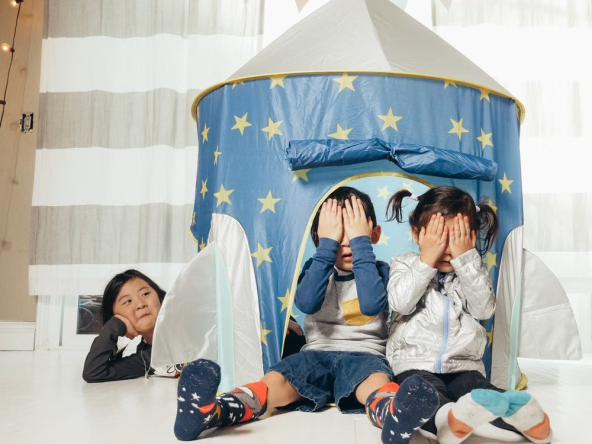





A home library gives books a defined place in everyday life, whether it occupies an entire room or a small corner of a family home. Creating a home library starts with understanding the space available, the needs of its users, and the reading experience the household wants to create. For some, the goal may be a dream library lined with shelves, while others may prefer a compact reading area in an apartment. What matters is creating a practical space where books, reading, writing, and studying can become part of daily life.
How to Create a Home Library by Choosing the Right Space
The first step is deciding where the library should live. A home library does not have to take over an entire room. Underused areas can become an ideal spot when they have enough room for shelving, comfortable seating, and movement.
Find the Ideal Spot in Your House
Look for a quiet designated area away from heavy household traffic and distractions. A spare room, walk-in closet, hallway alcove, or section of a study can work. Even a walk-in closet can become a functional home library when shelving and seating are planned around the available footprint.
While basements and attics may appear convenient, they require careful consideration of heat, moisture, leaks, and ventilation. Books are vulnerable to unsuitable temperature and humidity, so a dry, stable interior location is generally a safer choice.
The location should also provide convenient access without being beside a constantly running TV or other source of noise. When choosing between possible locations, avoid placing the library against outside walls where moisture can encourage mold, particularly in areas with poor ventilation or a history of dampness.
If you are planning a library in a house such as a family-oriented development, consider how the room connects with the rest of the household so reading remains accessible without becoming a high-traffic space.
Plan Around How Much Space You Have
Before buying furniture, measure how much space is actually available. Account for walls, shelves, seating, a desk, doors, windows, and enough clearance to move comfortably around the room. A small apartment may only need one wall of shelving and a reading chair, while a larger house may accommodate a complete reading and study area.
Home Library Ideas That Balance Storage and Style
Once the location is settled, storage becomes the foundation of the design. The right shelving should accommodate the current book collection while leaving capacity for more books in the future.
Choose Shelves That Fit Your Collection
Built-in bookcases and custom built-in shelves can create a polished appearance and make excellent use of wall space, although permanent construction can require a larger budget. Freestanding bookshelves offer two options for homeowners who want flexibility: they can be moved as the room changes, while metal utility shelves can provide a practical, lower-cost alternative.
Choose sturdy, adjustable shelving that can support different book sizes. Avoid cramming every shelf full because some empty space makes it easier to add new titles later. A good bookcase should also be properly secured, particularly in homes with kids.
Make Storage Part of the Home’s Aesthetic
Shelves can become part of the home’s aesthetic when their proportions and finish complement the surrounding furniture and walls. Mix fiction, nonfiction, novels, poetry, reference books, and other titles to give the collection visual variety. Selected first editions or attractive book jackets can also be displayed as decorative pieces.
Books can serve as both reading material and visual elements, but the arrangement should still make sense for everyday use. A book serves as a lasting resource when it is easy to reach, revisit, and share, which is why accessibility should remain part of the design alongside its decorative value. A library filled with books that cannot easily be reached may look impressive without functioning well.
Build Your Dream Home Library Around Comfort
A dream home library should make people want to stay and read. Comfort becomes especially important when the room will be used for long reading sessions, study, or writing.
Create a Cozy Reading Nook
Start with seating that provides proper support. An armchair, sofa, cushioned bench, or even a bed can work depending on the room and its purpose. Ergonomic seating helps reduce discomfort during extended reading, while a rug, plants, soft furnishings, and cozy colors can give the space a warmer atmosphere.
The result should feel cozy without becoming cluttered. A simple reading nook can be enough to turn an otherwise unused corner into a place where a reader naturally reaches for a book.
Add a Desk for Writing and Study
A desk makes sense when the library will support writing, schoolwork, research, or computer use. It can provide a dedicated place for university work, professional tasks, or personal projects without taking away from the main reading area.
Consider the needs of the person using it. Someone whose job involves regular computer work may need more surface area and access to outlets, while a reader who mainly writes by hand may prefer a smaller desk.
Use Yard Sales and Thrift Stores to Grow Your Collection
Building a library can become expensive when every book and furnishing is purchased new. Yard sales, thrift stores, used bookstores, and secondhand sellers can help readers build a meaningful collection while keeping spending within a reasonable budget.
Find Books Worth Keeping
Instead of buying books simply to fill shelves, look for titles connected to subjects you are interested in. Yard sales and thrift stores can be useful places to find older novels, children’s books, nonfiction, poetry, and unusual editions. For specific titles, readers can shop through bookstores or a reputable website and compare availability before purchasing.
Librarians can also be helpful when you want to find books outside your usual reading habits. Library catalogues, university resources, and book recommendations can point you toward research materials and authors worth exploring.
Give the Collection a Purpose
A useful collection can include books for adults and kids, from literature and reference works to educational materials. Think about what the family actually reads and what subjects they may want to explore in the future.
This approach also prevents unnecessary purchases. A smaller collection that reflects the household’s interests can be easier to organize and more likely to be used.
Protect Books While Supporting the Home’s Aesthetic
Good lighting is essential to a comfortable library, but light must be managed carefully to protect the books themselves. Natural light can make a room pleasant and improve visibility, while excessive exposure can damage paper and covers.
Control Natural Light and Direct Sunlight
Position reading furniture where natural light is useful without placing books directly in the path of strong sunlight. Ultraviolet and intense visible light can cause fading and deterioration, particularly on book covers and dust jackets.
Curtains, blinds, and window treatments can help control glare during bright parts of the day. The ideal arrangement provides enough daylight for reading while keeping the book collection protected.
Layer Ambient Lighting With Task Lighting
Use layered lighting rather than relying on a single ceiling fixture. Ambient lighting can illuminate the room, task lighting can focus on a desk or reading chair, and accent lighting can highlight selected shelves or decorative objects.
This arrangement allows the library to work for different activities throughout the day. A focused reading light is particularly helpful when natural light is low, while softer ambient lighting can create a relaxed atmosphere in the evening.
Organize Books So You Can Find Books Easily
A growing collection needs a system. Organization should help readers quickly find books while making room for new purchases and keeping the library visually manageable.
Organize by Genre, Alphabet, or Personal Preference
Books can be arranged alphabetically, by genre, author, subject, or reading priority. Color-coding is another idea for homeowners who place a strong emphasis on appearance, although it can make specific titles harder to locate.
Use bookends when necessary to keep books upright and prevent them from leaning. Keeping shelves orderly also makes regular cleaning easier.
Make Room for More Books
Leave some shelving available for future acquisitions rather than filling every space immediately. A designated to-read pile can also prevent new purchases from becoming scattered throughout the room.
Sorting through the collection at least once a year helps remove damaged, unwanted, or duplicate books. Regular maintenance keeps storage functional as the number of books grows.
Connect the Library to Family Learning
A home library can support more than individual reading. When books are accessible to the whole family, the space can encourage conversations, independent reading, schoolwork, and curiosity.
Create a Space Children Want to Use
Keep children’s books on lower, accessible shelves so a child can choose what to read independently. Comfortable seating and familiar titles can make the area more inviting for kids. Research consistently links supportive home reading environments with stronger literacy development, making home libraries a useful way to encourage regular reading and learning.
Leisure reading can also provide students with a way to unwind from academic demands, with research associating voluntary reading with lower stress and greater well-being. Recent studies involving Filipino learners have found that home reading support and home literacy environments are important parts of the broader learning environment, although school instruction remains an important factor as well.
Encourage Reading and Discussion
Make space for reading for fun as well as school-related work. Parents can encourage children to talk about characters, compare stories, or explain what they learned from nonfiction books.
Research has also associated the number of books available at home with academic language and comprehension measures, although book ownership should not be treated as a guarantee of achievement.
Let Personal Details Shape the Dream Library
Once the practical elements are established, personal details can make the library feel like part of the home rather than a separate storage area. The design should reflect how the household prefers to read, study, and spend time together.
Decorate With Meaningful Details
Add personal decor such as artwork, plants, rugs, photographs, keepsakes, or objects connected to reading. A thoughtful painting, selected covers, or a small display of treasured books can give the room character.
Keep decoration balanced with storage and seating. The books should remain easy to access rather than being hidden behind too many decorative objects.
Design for How You Prefer to Read
Think about whether the room is primarily for quiet reading, family use, studying, writing, research, or job-related tasks. If a computer or TV is included, consider whether it supports the room’s purpose or introduces unnecessary distractions.
These decisions determine whether each piece of furniture and technology genuinely makes sense for the way the household uses the space.
Adapt the Library as Your Life and Collection Change
A home library should be planned with the future in mind. Reading interests change, children grow, collections expand, and rooms sometimes need to serve new purposes.
Choose Flexible Furniture and Shelving
Movable shelving and adaptable furniture can make it easier to reorganize the library as needs change. This can be especially useful for homeowners who do not want permanent custom built-ins.
For example, residents in developments such as Camella Montevia can consider how available rooms and household spaces may accommodate changing family routines, including a reading area, study corner, or dedicated library. The specific layout should always be based on the home’s actual floor plan rather than assuming that every space serves the same purpose.
Maintain the Library Over Time
A library needs regular care. Dust shelves, inspect books for moisture or damage, and keep storage areas clean. Dust can attract pests and retain moisture, while poor environmental conditions can contribute to deterioration and mold.
Review the collection at least once a year and adjust the shelving as it grows. A well-maintained library can remain useful for years, giving every book a place while leaving room for the next chapter of the household’s reading life.
Conclusion
A thoughtfully designed home library can fit many kinds of Philippine homes, from a spacious house to a compact apartment. The key is to balance available space with practical shelving, comfortable seating, suitable lighting, thoughtful organization, and protection for the collection. Whether you are working with an entire room or a small corner, the space can be shaped around how you and your family prefer to read, study, and learn. As your collection grows and your needs change, flexible furniture and regular organization can help the library remain useful for years to come. With the right planning, even a modest room can become a lasting space for reading, learning, writing, and sharing ideas with family.